
A sudden leak under your kitchen sink can be a homeowner's nightmare, leading to costly water damage and stressful cleanups. The good news is that a properly installed shut-off valve provides immediate control over your water supply, acting as your first line of defense against plumbing emergencies. This guide will walk you through the entire process, equipping you with the knowledge and confidence to tackle this essential DIY plumbing task. Mastering this skill means you can respond decisively when leaks occur and simplify future maintenance.
 Illustration showing a shut-off valve installation point under a sink. Image source: www.reddit.com
Essential Tools and Materials for Shut-Off Valve Installation
Successfully installing a shut-off valve requires having the right tools and quality materials readily available. Proper preparation with these items is key to a smooth, safe, and leak-free installation. This section details everything you’ll need to gather before you begin.
Your Plumbing Toolkit Essentials
- Adjustable Wrench: Crucial for tightening and loosening nuts and fittings. A 10-inch or 12-inch size is typically sufficient.
- Pipe Cutter: Essential for making clean, square cuts on copper or plastic supply lines. For older, rigid pipes, a hacksaw might be necessary.
- Slip-Joint Pliers: Useful for gripping, turning, and holding various plumbing components.
- Bucket: To catch residual water from the pipes once disconnected. Have a small one on hand.
- Teflon Tape (Plumber's Tape): A vital sealing material for threaded connections to prevent leaks. Ensure it’s fresh and of good quality.
- Flashlight or Headlamp: Absolutely necessary for clearly seeing and working in the dark confines of a sink cabinet.
- Rags or Towels: For wiping up drips, cleaning pipe ends, and general mess management.
Selecting the Right Shut-Off Valve
Choosing the correct type of valve is paramount for a lasting repair. Your options generally fall into two categories:
- Ball Valves: These are highly recommended due to their durability and ease of use. They provide a quarter-turn operation, allowing for quick and complete shut-off. Look for a valve with a sturdy handle.
- Compression/Angle Stop Valves: These are commonly found on sink supply lines. Ensure you select a valve that matches the diameter of your existing water supply pipe (typically 1/2 inch for connections to the faucet).
- Material: Opt for valves made from lead-free brass or other corrosion-resistant materials for longevity.
- Markings: Clear "ON" and "OFF" indicators on the handle are a must for straightforward operation.
Additional Supplies for a Professional Finish
- Replacement Pipe or Fittings: Have these on hand in case the existing pipes are corroded or require modification.
- Pipe Cleaning Brush or Sandpaper: Used to prepare the ends of copper pipes, ensuring a clean surface for new connections.
- Plumber's Putty or Pipe Dope: While Teflon tape is primary for threaded fittings, these can offer an extra layer of sealing for specific joint types if recommended by the valve manufacturer.
- Safety Gloves: Protect your hands from sharp edges and potential grime.
- Safety Goggles: Essential eye protection against falling debris or unexpected splashes.
Preparing Your Workspace and Shutting Off Water
Before you touch a wrench, meticulous preparation is key. This involves clearing the immediate area, ensuring you can work safely, and, most importantly, stopping the flow of water to prevent a mess and potential damage.
Clearing the Cabinet Space
Completely empty the kitchen sink cabinet. Remove all cleaning supplies, trash bins, food items, or anything else stored within. You'll need ample room to maneuver your tools and yourself. It's also a good opportunity to wipe down the cabinet floor to remove any dust, debris, or residual moisture. A tidy workspace promotes efficiency and safety.
Shutting Off the Main Water Supply
This is the most critical preparatory step. Locate your home's main water shut-off valve; this is typically found where the water line enters your house, often in the basement, garage, or near the water meter. Turn the valve handle clockwise firmly until it stops. To confirm the water is off, go to your kitchen faucet and turn on both the hot and cold taps. A trickle of water might come out initially, but it should stop completely within a minute. If water continues to flow, the main valve isn't fully closed, or you may need to locate a secondary shut-off specific to the kitchen. You can find guidance on locating your home's main water shut-off valve on plumbing fixture manufacturer websites like those offering guidance on kitchen faucet installations.
Draining Existing Pipes
With the main water supply off, open the kitchen faucet (both hot and cold if applicable) to relieve any remaining pressure and drain water from the pipes leading to the faucet. Position your bucket beneath the pipes where you'll be working. More water will drain out here when you disconnect the old valve. You can also open a lower faucet in the house, such as one in the basement, to help drain the system more thoroughly.
Removing the Old Shut-Off Valve Safely
Once the water is off and the pipes are drained, the next step is to carefully remove the existing shut-off valve without damaging the plumbing.
Loosening Supply Line Connections
The water supply lines connect to the existing shut-off valve with threaded fittings – usually nuts. Place your bucket underneath to catch any residual drips. Using your adjustable wrench, grip the nut on the supply line where it connects to the valve. Turn the nut counter-clockwise to loosen it. You might need to hold the valve body steady with another wrench or pliers to prevent it from twisting the pipe. Repeat this for both the hot and cold supply lines attached to the valve.
Detaching the Old Valve
Once both supply line nuts are loosened, the old valve should be free from the supply lines. If it's an angle stop valve (common type), it will have threaded connections that screw directly onto the pipe stub-outs coming from the wall. You may need to gently wiggle or turn the valve to fully disengage it from the threads. If you encounter significant resistance, ensure you haven't missed loosening a nut.
Cleaning and Preparing Pipe Stubs
After the old valve is removed, examine the threaded pipe stub-outs coming from the wall. Remove any old Teflon tape, plumber's putty, or mineral deposits from the threads. Use a clean rag or, for stubborn residue, a wire brush or pipe cleaning tool. Clean threads are critical for a proper seal with the new valve. If you notice any corrosion or damage on the existing pipe threads, it may indicate a need for pipe repair or replacement before installing the new valve.
Installing Your New Shut-Off Valve: Step-by-Step
Now that the old valve is out and the stubs are clean, it's time to install the new shut-off valve. Precision here ensures long-term reliability.
Applying Sealant to New Valve Threads
Before attaching the new valve, apply fresh Teflon tape to the male threads of the pipe stub-outs coming from the wall. Wrap the tape clockwise around the threads at least three to four times, ensuring it lies flat and smooth. This creates a watertight seal. Some plumbers prefer using pipe dope (a liquid sealant) in conjunction with Teflon tape for added security, especially on metal pipe threads.
Connecting the New Valve
Align the new shut-off valve with the pipe stub-out. If you are installing a standard angle stop valve, the threaded outlet on the valve should match the pipe stub. Turn the valve onto the threads clockwise by hand, screwing it in as far as it will go comfortably.
Tightening for a Secure Fit
Once hand-tight, use your adjustable wrench to tighten the valve further. Grip the larger nut on the valve body. Turn the wrench clockwise. The ideal is a snug fit — usually about a quarter to a half turn past hand-tight. Crucially, do not overtighten. Over-tightening can crack the valve body or damage the threads, leading to leaks. The valve should feel firmly in place, without any wobbling.
Connecting the Supply Lines
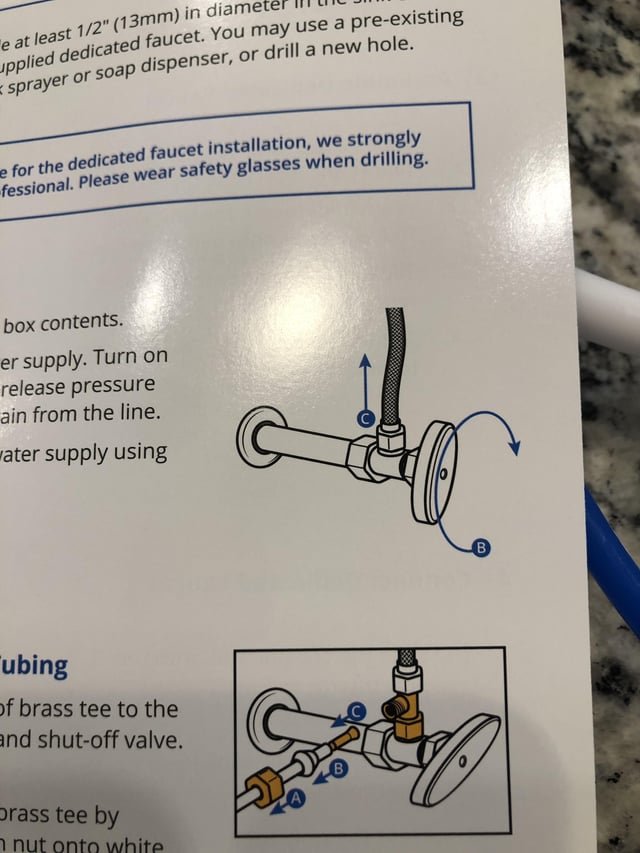
Now, reattach the flexible water supply lines from the faucet to the new shut-off valve. Hand-tighten the nuts onto the valve outlet ports first. Then, use your wrench to tighten an additional quarter-turn. Again, avoid over-tightening. Ensure the flexible supply lines are not kinked or twisted, as this can restrict water flow and lead to premature failure.
 Connecting flexible supply lines to the newly installed angle stop valve.
Image source: www.youtube.com
Connecting flexible supply lines to the newly installed angle stop valve.
Image source: www.youtube.com
Testing for Leaks: Your Final Inspection
With the new valve installed and supply lines connected, the system is ready for a crucial leak test. This step confirms your work and prevents future problems.
Gradually Turning Water Back On
Slowly turn the main water supply valve counter-clockwise to restore water flow. Listen for any unusual sounds, such as hissing or dripping. Once the main valve is fully open, observe the connections at the new shut-off valve and where the supply lines meet the faucet.
Meticulously Checking All Connections
Carefully inspect every connection point (where the supply lines meet the valve, and where they meet the faucet). Use a dry paper towel to wipe around each fitting. Even a tiny drop of moisture detected on the paper towel indicates a leak. Check the valve itself for any weeping from the body or handle stem.
Addressing Minor Leaks Promptly
If you discover a small drip, don't immediately panic. Often, a leak from a threaded fitting is due to it not being sufficiently tightened. Gently turn the wrench clockwise on the nut by about 1/8 to 1/4 of a turn. Test again. If the leak persists, you might need to turn the water off again, unscrew the fitting, reapply Teflon tape (or pipe dope), and retighten. For leaks from the valve stem, tightening the packing nut gently might resolve it. Persistent leaks may require professional attention or replacement of the valve or supply line.
Essential Maintenance for Longevity
Once your new shut-off valve is installed, a little ongoing care will ensure it remains functional and reliable for years to come. This proactive maintenance can prevent emergency situations.
Periodic Valve Operation
Make it a habit to turn the shut-off valve fully on and fully off at least every six months, or perhaps whenever you perform a more extensive kitchen cleaning. This exercise prevents mineral deposits and corrosion from seizing the valve mechanism, ensuring it operates smoothly when you critically need it. You can often find advice on routine plumbing upkeep within general home maintenance sections like our blog.
Recognizing Signs of Wear and Tear
Pay attention to how the valve operates. Signs that your valve may be failing include:
- Difficulty Turning: If the handle is stiff, loose, or wobbly, it indicates internal wear or damage.
- Dripping: Any water escaping from the valve stem or the connection points when the valve is in the "off" position is a clear sign of failure.
- Visible Corrosion or Cracks: Rusting or visible damage to the valve body itself is a warning sign.
- Incomplete Shut-off: If the valve doesn't completely stop water flow, it's compromised.
Knowing When to Replace Your Valve
If you observe any of the signs of wear and tear, especially leaks, it's time to replace the valve. While a typical shut-off valve can last 10-15 years or more with proper care, it's not a component that lasts forever. Proactive replacement of an aging valve is far less costly and disruptive than repairing water damage caused by a valve failure. If a valve is consistently difficult to operate or fails to shut off water completely, prompt replacement is always the wisest course of action.
Frequently Asked Questions About Installing a Shut-Off Valve
How do I install a shut-off valve under my kitchen sink?
The process involves shutting off the main water supply, draining the existing pipes, removing the old valve, cleaning the pipe ends, installing the new valve with proper sealant (like Teflon tape), connecting the supply lines, and then carefully turning the water back on to test for leaks.
What tools are essential for installing a shut-off valve?
Essential tools include an adjustable wrench, a pipe cutter (if needed), Teflon tape, slip-joint pliers, a bucket, rags, and a flashlight. Safety glasses and gloves are also highly recommended.
How long does it typically take to install a shut-off valve?
For an experienced DIYer, the installation can take between 30 to 60 minutes. For a first-timer, it might take a bit longer, especially if complications arise. Thorough preparation is key to optimizing time.
Is it safe for a DIYer to install a shut-off valve?
Yes, installing a shut-off valve is generally considered a manageable DIY task for individuals with basic plumbing knowledge and the right tools. The absolute most important safety step is ensuring the main water supply is completely turned off before beginning any work. Always double-check for leaks after re-pressurizing the system.
Conclusion
Installing a shut-off valve under your kitchen sink is a practical and empowering DIY project that puts you in control of your home's plumbing. By understanding the tools, materials, and steps involved, you can confidently tackle this task, saving potential repair costs and gaining peace of mind. Remember to prioritize safety by turning off the main water supply and thoroughly testing for leaks after installation. This simple addition to your plumbing system is a small investment that offers significant benefits in emergency preparedness and ease of maintenance, much like investing in durable cookware like the best non-stick frying pans ensures a smoother cooking experience. Taking on such home improvements fosters self-reliance and can lead to further confidence in your ability to maintain your home.
