
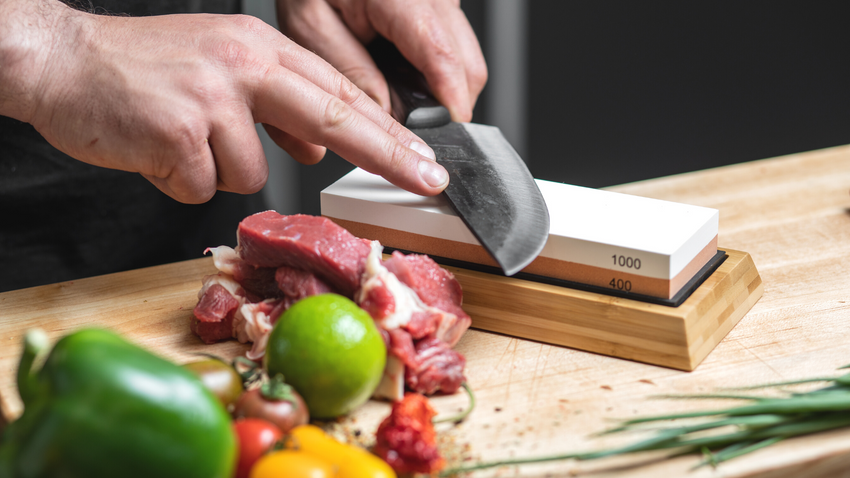
Are you struggling to get your kitchen knives as sharp as you want? The secret lies in the angle you use when sharpening them.
Finding the best angle for kitchen knives can make your cutting smoother, faster, and safer. Imagine slicing through tomatoes or chopping herbs effortlessly without crushing or tearing. You’ll discover exactly how to choose and maintain the perfect angle for your knives, so you can enjoy cooking with ease every time.
Keep reading to unlock the simple trick that will change your kitchen experience forever.

Credit: www.musashihamono.com
Choosing The Right Angle
Choosing the right angle for your kitchen knives is key to their performance. The angle affects how sharp your knife is and how long it stays sharp. Different knives need different angles depending on their use and material. Understanding these angles helps you keep your knives in top shape.
Common Angle Ranges
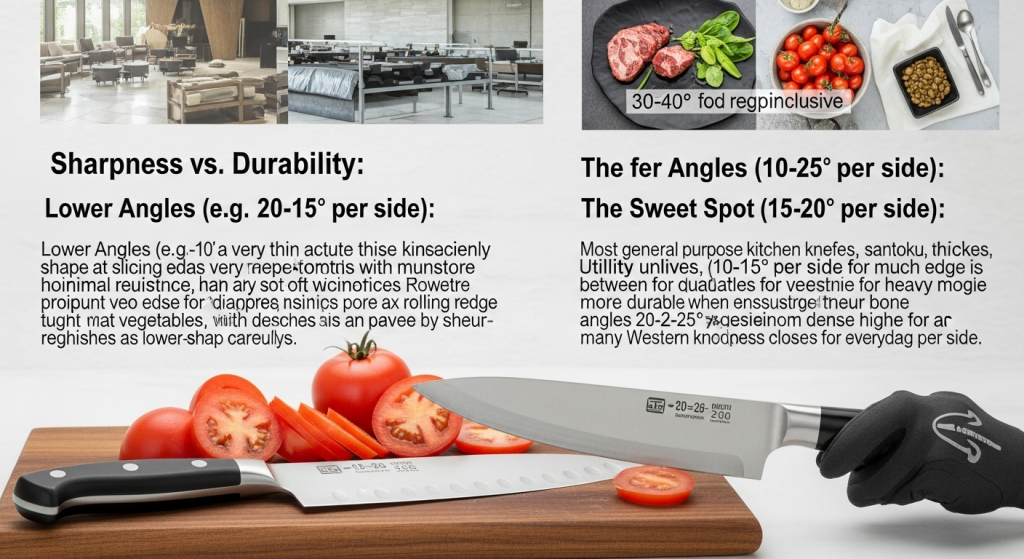
Most kitchen knives have edge angles between 15 and 25 degrees per side. Asian-style knives often use a sharper angle, around 15 degrees. Western knives usually have a wider angle, near 20 to 25 degrees. A smaller angle means a sharper edge but less durability. A larger angle creates a stronger edge but less sharpness.
Impact On Sharpness
A sharper angle cuts more easily through food. It allows for cleaner and smoother slices. But sharper edges dull faster and may need frequent sharpening. Wider angles keep the edge tough and resistant to chips. They work well for heavy-duty tasks like chopping bones or hard vegetables. Balancing sharpness and durability is crucial for the best knife use.
Material Considerations
Knife steel type affects the best sharpening angle. Harder steels hold sharper edges but can be brittle at narrow angles. Softer steels need wider angles to avoid damage. Ceramic knives require very different care and angles. Choose an angle that suits the knife material to extend its life. Always check the manufacturer’s recommendations for the best results.
Angles For Different Knives
Different kitchen knives require different sharpening angles to maintain their effectiveness and longevity. Choosing the right angle affects how sharp the blade is and how long it stays that way. Understanding these angles helps you get the best performance from each knife in your kitchen.
Chef’s Knife
The chef’s knife is a versatile tool, so it needs a balance between sharpness and durability. Aim for an angle between 15 to 20 degreesper side. A 15-degree angle gives you a sharper edge, perfect for delicate slicing, but it dulls faster. A 20-degree edge is tougher and better for chopping denser ingredients.
Paring Knife
Paring knives handle precise tasks like peeling and trimming. They benefit from a sharper edge, usually sharpened at 12 to 15 degreesper side. This sharper angle lets you work with fine detail but requires more frequent sharpening.
Santoku Knife
Santoku knives combine slicing, dicing, and chopping. Their ideal angle falls around 15 degrees. This angle gives you a clean cut while keeping the blade strong enough for tougher vegetables and meats. It’s a good middle ground that suits most kitchen tasks.
Bread Knife
Bread knives have serrated edges, so traditional sharpening angles don’t apply. Instead, focus on maintaining the serrations with specialized tools. If your bread knife has a straight edge, a 20-degree angleworks well to keep the blade effective without damaging the serrations.
Sharpening Techniques
Keeping kitchen knives sharp is essential for safe and efficient cutting. Proper sharpening techniques preserve the blade’s edge and extend the knife’s life. Different tools and methods suit various skill levels and needs. Understanding these methods helps maintain the best angle for kitchen knives and ensures smooth performance.
Using A Whetstone
A whetstone offers precise control over the sharpening angle. Soak the stone in water for 10-15 minutes before use. Hold the knife at a consistent angle, usually between 15-20 degrees. Move the blade across the stone in smooth strokes, from heel to tip. Repeat on both sides evenly to keep the edge balanced. Use a finer grit stone for polishing after sharpening.
Honing Rod Tips
A honing rod realigns the blade edge without removing much metal. Hold the rod vertically with the tip on a stable surface. Place the knife at a 15-20 degree angle against the rod. Sweep the blade down the rod, from heel to tip, alternating sides. Use light pressure and steady motions. Regular honing keeps knives sharp between full sharpenings.
Electric Sharpeners
Electric sharpeners offer quick and easy sharpening for beginners. Most models have guides to set the correct angle automatically. Insert the blade into the slot and pull it through slowly. Repeat the process as recommended by the manufacturer. These sharpeners use abrasive belts or wheels to grind the blade. Avoid over-sharpening, which can reduce knife lifespan.
Maintaining Knife Edges
Maintaining the sharp edge of kitchen knives is essential for efficient and safe cutting. Dull blades require more force and increase the risk of accidents. Regular care helps keep knives in top condition and extends their lifespan.
Proper Storage
Store knives in a way that protects their edges. Use a knife block, magnetic strip, or blade guards. Avoid tossing knives loosely in drawers. This prevents chips and dulling caused by contact with other utensils.
Regular Honing
Honing realigns the blade’s edge without removing much metal. Use a honing steel before or after each use. Hold the knife at the correct angle, usually around 20 degrees. This keeps the edge straight and sharp for longer.
Avoiding Damage
Cut on soft surfaces like wood or plastic. Hard surfaces like glass or stone can dull blades quickly. Do not use knives to cut frozen food or bones. Avoid twisting the blade or prying objects to prevent bending or chipping.

Credit: cuttingedgeknives.co.uk
Expert Tips And Tricks
Mastering the best angle for kitchen knives takes more than just knowing the number. It demands attention to detail and a few smart habits that can transform your sharpening routine. These expert tips and tricks will help you maintain that perfect edge with ease and confidence.
Angle Consistency
Keeping a consistent angle is key to a sharp knife. Imagine trying to shave thin layers off a block of wood; if your angle wavers, the edge becomes uneven and dulls faster.
Use a sharpening guide or angle finder to hold your knife steady. If you prefer freehand, practice in front of a mirror to visually check your angle. Small adjustments can make a big difference.
Testing Sharpness
Wondering if your knife is sharp enough? Try slicing through a tomato without applying pressure. If it cuts cleanly, your angle and technique are on point.
Another simple test is the paper slice. Hold a piece of paper upright and slice through it; a sharp edge will glide through effortlessly. These quick checks save time and ensure precision.
Safety Precautions
Sharpening knives can be risky if you’re not careful. Always work on a stable surface to avoid slips that can cause injury.
Keep your fingers clear of the blade’s path and use a clamp or holder if possible. Wearing cut-resistant gloves adds an extra layer of protection, especially if you’re new to sharpening.

Credit: www.reddit.com
Frequently Asked Questions
What Is The Ideal Angle For Kitchen Knife Sharpening?
The ideal sharpening angle for most kitchen knives is between 15 and 20 degrees. This angle balances sharpness and durability for everyday cutting tasks. Asian knives often use a 15-degree angle, while Western knives use around 20 degrees. Maintaining this angle ensures optimal cutting performance.
How Does The Sharpening Angle Affect Knife Performance?
Sharpening angle impacts sharpness and edge strength. A smaller angle (15°) creates a sharper but more delicate edge. A larger angle (20°) makes the edge more durable but less sharp. Choosing the right angle depends on your knife type and how you use it.
Can I Sharpen All Kitchen Knives At The Same Angle?
No, not all kitchen knives require the same angle. Asian knives usually need a 15-degree angle. Western knives often need 20 degrees. Using the correct angle preserves the blade’s edge and extends its life. Always check manufacturer recommendations for your knife.
Why Is Maintaining The Correct Knife Angle Important?
Maintaining the correct angle ensures a sharp, long-lasting edge. Incorrect angles can dull the blade faster or cause uneven sharpening. Proper angles improve cutting efficiency and safety. It also reduces the need for frequent resharpening, saving time and effort.
Conclusion
Choosing the right angle keeps your kitchen knives sharp and safe. A smaller angle means a sharper edge but less strength. A larger angle gives more durability but cuts less finely. Most kitchen knives work best between 15 and 20 degrees per side.
Sharpen regularly to maintain the angle and blade quality. Remember, a good angle makes cutting easier and faster. Keep practicing to find what suits your knives and cooking style. Sharp knives make cooking more enjoyable and efficient every day.
