

Are you wondering if you should put a rug under your kitchen table? It’s a simple question, but the answer can change the whole look and feel of your kitchen.
A rug can add warmth, color, and comfort, but it can also bring challenges like spills and cleaning. What if the right rug could make your kitchen cozier and easier to maintain? Keep reading to discover how a rug under your kitchen table might be the game-changer you didn’t know you needed.
Benefits Of A Kitchen Rug
Adding a rug under your kitchen table offers more than just a design choice. It brings several practical benefits that can improve your daily kitchen experience. Let’s look at how a kitchen rug can add comfort, protect your floors, and enhance the overall look of your space.
Adds Comfort And Warmth
Standing or sitting at the kitchen table for meals or homework can get uncomfortable on hard floors. A rug provides a soft surface that feels gentle under your feet and legs. It also adds warmth, making the kitchen cozier, especially during colder months.
I once placed a rug under my kitchen table, and it changed how inviting the space felt. It’s easier to spend time there, whether eating or chatting, because the floor no longer feels cold or hard.
Protects Flooring
Your kitchen floor takes a lot of abuse from chairs sliding, spills, and dropped utensils. A rug acts as a shield, preventing scratches and stains from damaging the surface below. This can save you money on repairs or replacements down the line.
Think about your current kitchen floor—is it showing signs of wear? A well-chosen rug can reduce this damage while still being easy to clean. Plus, rugs can be replaced more affordably than flooring.
Enhances Aesthetic Appeal
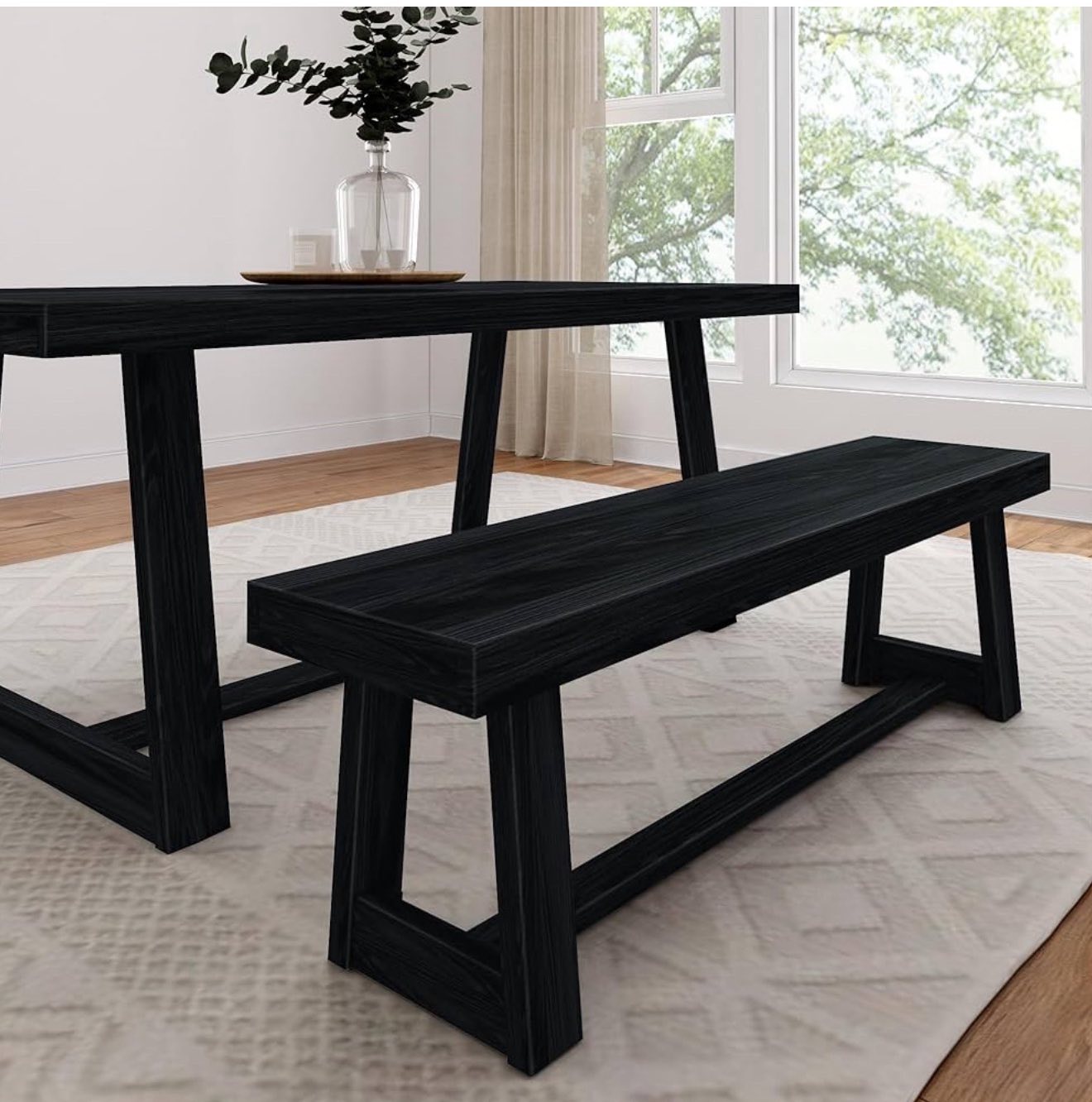
A rug can tie the room together visually. It adds color, texture, and pattern that can complement your kitchen’s style. Whether your kitchen is modern, rustic, or traditional, the right rug makes the space feel complete and thoughtfully designed.
Have you noticed how some kitchens look unfinished without a rug under the table? That missing piece can make a big difference in creating a welcoming atmosphere. Choosing a rug that matches your kitchen’s vibe can make your table area a focal point.
Credit: www.facebook.com
Choosing The Right Rug
Choosing the right rug for your kitchen table can transform the space from ordinary to inviting. It’s not just about style; it’s about finding a rug that stands up to daily use and complements your dining area. Think about how the rug will handle spills, foot traffic, and how it fits with the rest of your kitchen decor.
Material Options For Durability
Durability matters most in a kitchen setting. Look for materials that resist stains and are easy to clean, like polypropylene or nylon. These synthetic fibers hold up well against spills and frequent cleaning.
Natural fibers like wool can be durable but may require more care. If you have pets or kids, consider a rug with a low pile to avoid trapping crumbs and dirt. Have you thought about how often you’d be willing to clean your rug?
Size And Shape Considerations
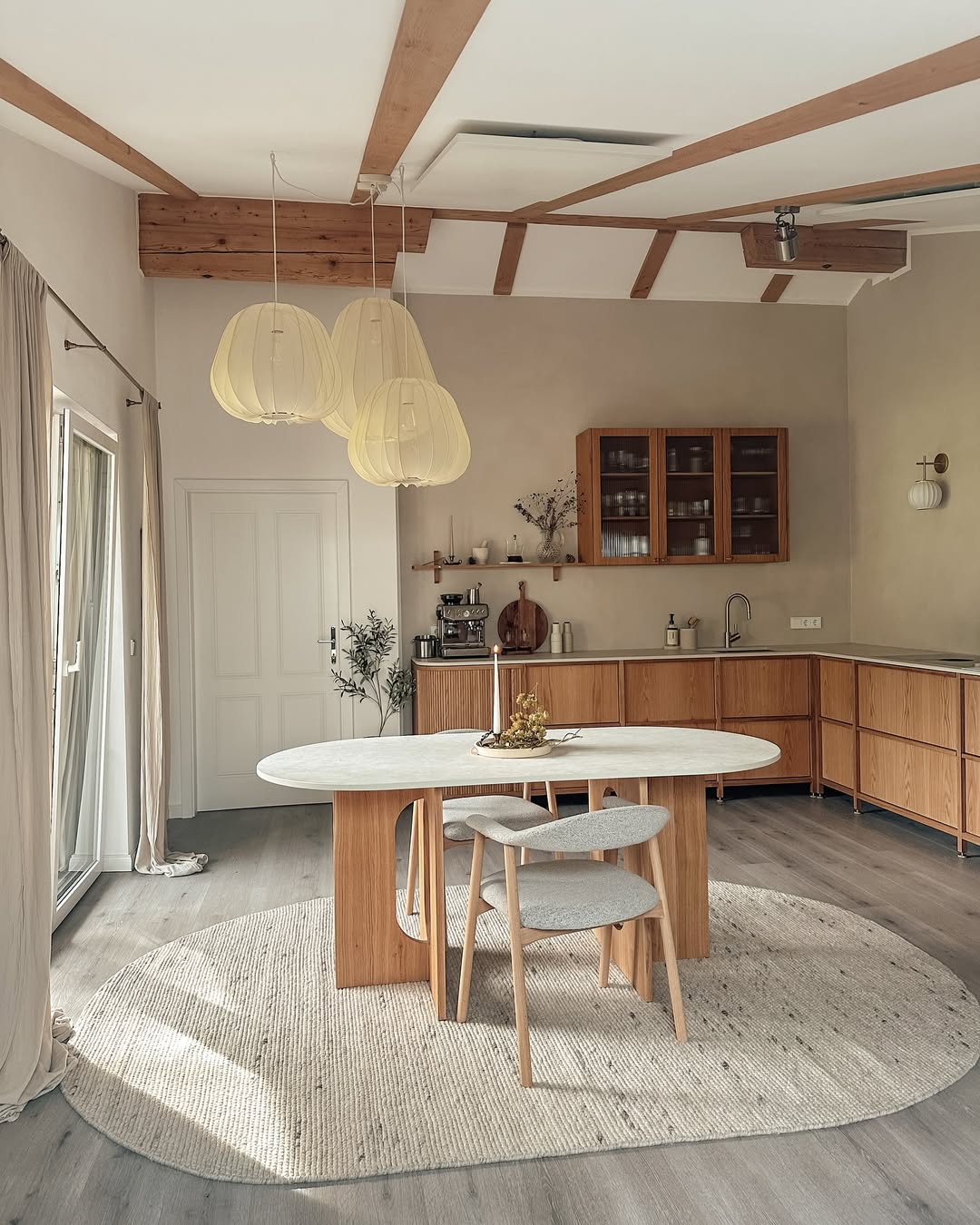
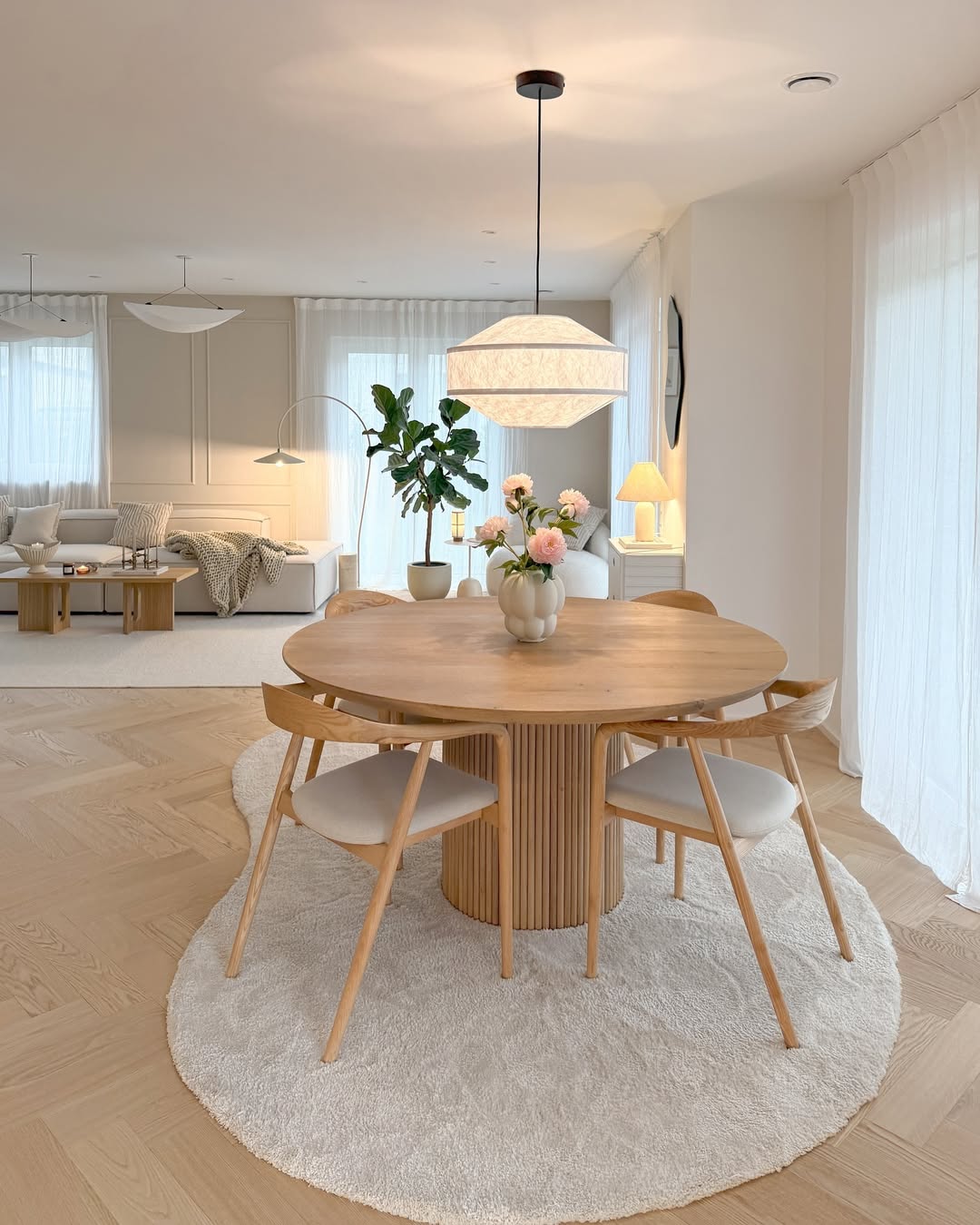
The rug should be large enough to fit under the table and chairs, even when the chairs are pulled out. A good rule is to add at least 24 inches beyond the table edges. This prevents chairs from catching on the rug edges.
Rectangular rugs work well with rectangular tables, but round rugs can soften a square kitchen. If your space is tight, consider custom sizing or a runner-style rug. What shape fits your kitchen’s layout best?
Color And Pattern Choices
Colors and patterns can hide stains and spills better than plain rugs. Darker shades or multi-colored patterns work well in a high-use area like the kitchen. Choose colors that complement your kitchen cabinets and walls for a cohesive look.
Don’t shy away from bold patterns—they add personality and can anchor the dining area visually. Think about whether you want the rug to stand out or blend in quietly. How do you want your kitchen to feel when you walk in?
Placement Tips For Kitchen Rugs
Placing a rug under your kitchen table can change the room’s look and feel. Proper placement ensures the rug adds comfort and style without causing problems. Consider a few tips to position the rug correctly and keep the space safe and functional.
Positioning Under The Table
Choose a rug that fits well under your kitchen table. It should extend beyond the table edges by at least 24 inches. This allows chairs to move freely without slipping off the rug. The rug must be centered under the table for a balanced look.
Aligning With Chairs And Space
Make sure the rug size matches your dining area. When chairs are pulled out, they should stay on the rug. This prevents uneven surfaces and keeps chairs stable. Leave enough space around the rug for easy movement in the kitchen.
Avoiding Tripping Hazards
Choose a rug with a non-slip backing to keep it in place. Use rug pads if the floor is smooth or slippery. Keep the rug edges flat to avoid curling. These steps reduce the risk of tripping and make the kitchen safer for everyone.
Maintenance And Cleaning
Keeping a rug under your kitchen table clean is important for a fresh and neat space. Regular maintenance helps the rug last longer and stay attractive. Easy steps can make a big difference in preserving your rug’s look and feel.
Dealing With Spills And Stains
Act fast to stop spills from soaking in. Blot liquids with a clean cloth instead of rubbing. Use mild soap and water for most stains. For tough stains, try a gentle rug cleaner. Always test cleaning products on a small rug area first. Avoid harsh chemicals that can damage fibers.
Regular Cleaning Routine
Vacuum the rug at least once a week to remove crumbs and dust. Shake or beat the rug outside to clear dirt. Rotate the rug every few months to ensure even wear. Spot clean stains immediately to prevent them from setting. Deep clean the rug every six months for best results.
Preventing Rug Wear And Tear
Use rug pads to prevent slipping and protect flooring. Keep chairs on the rug to avoid uneven wear. Avoid dragging heavy furniture across the rug. Trim any loose threads to stop fraying. Keep the rug away from direct sunlight to prevent fading.
Potential Drawbacks To Consider
Adding a rug under your kitchen table can enhance the room’s look. Still, some drawbacks might affect daily use and safety. Understanding these concerns helps you decide wisely.
Slipping And Safety Concerns
Rugs without a non-slip backing can slide easily on hard floors. This movement creates a risk of falls, especially for children and elderly people. Rugs may also bunch up, causing tripping hazards. Securing the rug with pads or tape can reduce slipping but might not eliminate all risks.
Impact On Chair Movement
Rugs can make sliding chairs harder to move. Thick or plush rugs increase resistance when pulling chairs in or out. This can cause frustration during meals or gatherings. Over time, constant chair movement may wear down the rug fibers, leading to damage and uneven surfaces.
Moisture And Mold Risks
Kitchens often have spills and moisture from cooking. Rugs can trap liquids, creating damp spots under the table. This moist environment encourages mold and mildew growth, which harms health and damages the rug. Frequent cleaning and drying are necessary to prevent these issues, but this adds extra upkeep.
Credit: dressmycrib.com
Alternatives To Rugs In The Kitchen
If you’re unsure about placing a rug under your kitchen table, there are plenty of other ways to protect your floor and add comfort. Alternatives to rugs can offer easier cleaning, better durability, and still help define your dining space. Let’s look at some practical options that might work better for your kitchen lifestyle.
Floor Mats And Runners
Floor mats and runners are a smart choice if you want something slim and easy to clean. Unlike bulky rugs, they don’t trap crumbs or spills as easily. You can find mats made from materials like rubber or vinyl, which are water-resistant and simple to wipe down.
Think about placing a runner along the length of your kitchen table. It protects high-traffic areas and adds a subtle style touch without overwhelming the space. Plus, many mats come with anti-slip backing to keep them firmly in place, so you don’t have to worry about slipping accidents.
Hard Surface Protection Options
If you want to keep your floors visible and easy to clean, hard surface protectors can be a great solution. Clear chair mats or floor protectors under table legs prevent scratches and dents from moving furniture. They blend into your floor and keep it looking new.
Another option is using felt pads on the bottom of chair legs to minimize noise and damage. These small additions can save you from expensive floor repairs down the line. Have you checked how much wear your kitchen floor shows already? Protecting it now might save you time and money later.
Credit: dressmycrib.com
Frequently Asked Questions
Should I Put A Rug Under My Kitchen Table?
Placing a rug under your kitchen table adds comfort and style. It protects floors from spills and scratches. Choose a durable, easy-to-clean rug to handle kitchen messes. Ensure the rug size fits well to avoid tripping hazards and maintain room balance.
What Type Of Rug Is Best For Kitchen Tables?
Low-pile, stain-resistant rugs are ideal for kitchen tables. Materials like polypropylene or indoor-outdoor rugs resist spills and stains. These rugs clean easily and withstand heavy foot traffic. Avoid thick or high-pile rugs that trap dirt and cause discomfort.
How Big Should A Rug Be Under A Kitchen Table?
The rug should extend 24 inches beyond all sides of the table. This size allows chairs to move without catching the rug edges. Proper sizing prevents tripping and creates a balanced look. Measure your table and add extra space for comfort.
Will A Rug Protect Hardwood Floors In Kitchens?
Yes, a rug shields hardwood floors from scratches, spills, and wear. It cushions heavy furniture and reduces damage from dropped items. Regular cleaning of the rug prevents dirt buildup that can scratch floors. Choose rugs with non-slip pads for safety.
Conclusion
A rug can add warmth and style to your kitchen table area. It helps protect the floor from scratches and spills. Choose a rug that is easy to clean and fits your space well. Consider the material and size to keep chairs moving smoothly.
A well-chosen rug can make your kitchen feel cozy and inviting. Think about your daily needs and how a rug fits into your lifestyle. It’s a simple choice that can change the look and feel of your kitchen.
