
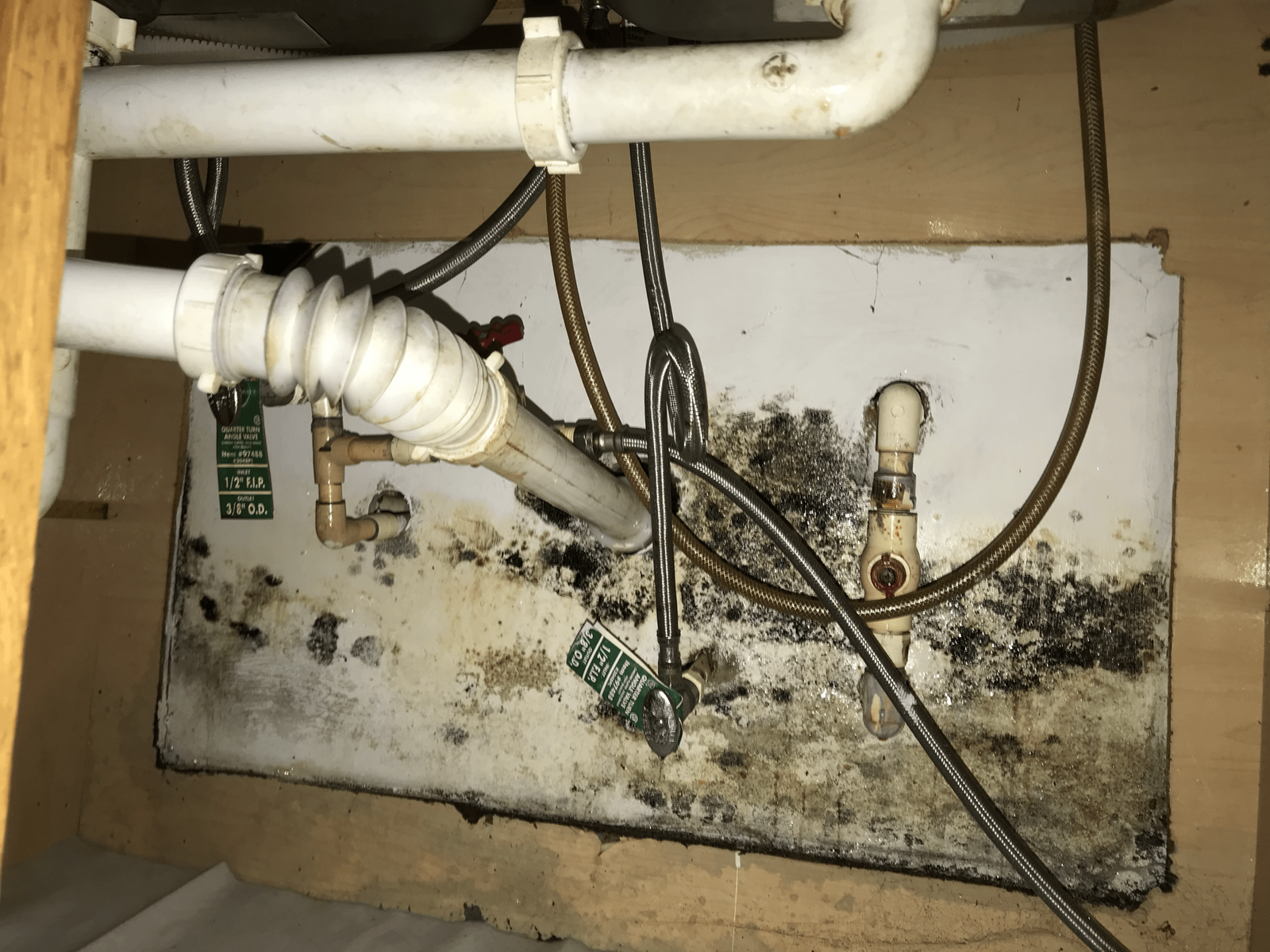
Have you ever opened the cabinet under your kitchen sink and noticed a musty smell or seen dark spots lurking in the corners? Mold under your kitchen sink is more common than you might think—and it can cause serious problems if left unchecked.
You may not realize it, but this hidden mold can affect your health, damage your cabinets, and even lead to costly repairs. You’ll discover how to spot mold early, understand why it grows there, and learn simple steps to get rid of it for good.
Keep reading to protect your home and keep your kitchen safe and fresh.
Causes Of Mold Growth
Mold growth under your kitchen sink can be frustrating and harmful. Understanding what causes it can help you stop it before it starts. Mold thrives in damp, dark places where moisture lingers unnoticed.
Common Moisture Sources
Moisture is the main reason mold appears under the sink. Water from washing dishes, spills, or even humidity can create a perfect environment. If you notice water pooling or dampness that doesn’t dry quickly, mold has a chance to grow.
Think about how often you open your cabinet doors. If they stay closed for long periods, trapped moisture can accumulate inside. Do you regularly check for hidden wet spots? Catching moisture early can prevent mold problems.
Poor Ventilation Issues
Air circulation matters more than many realize. Without proper ventilation, moisture hangs in the air and settles on surfaces. Your kitchen sink area might feel stuffy or damp if air can’t move freely.
Have you ever noticed a musty smell near your sink? This often signals poor airflow. Adding vents or leaving cabinet doors open occasionally can help air out the space and keep mold away.
Leaky Pipes And Fixtures
Hidden leaks are a sneaky cause of mold growth. A small drip from pipes or faucets can go unnoticed but provides constant moisture. Even slow leaks create damp conditions that mold loves.
Regularly inspect under your sink for wet spots or corrosion on pipes. Fixing leaks quickly stops mold before it starts spreading. Don’t wait until you see visible mold—act as soon as you suspect a leak.

Credit: www.reddit.com
Types Of Mold Found
Mold under the kitchen sink can take many forms. Each type has unique traits and risks. Identifying the mold type helps in choosing the right cleaning method. Some molds are harmless, while others can affect health.
Black Mold Characteristics
Black mold is the most feared type found under sinks. It appears as dark green or black patches. This mold thrives in damp, dark places. It often emits a musty odor that is hard to ignore. Black mold can cause allergic reactions and breathing issues. Its spores spread quickly through the air. This mold can damage wood and drywall if left untreated.
Other Common Mold Varieties
Besides black mold, other types appear under kitchen sinks. These include:
- Cladosporium:Often dark green or brown, it grows on damp surfaces.
- Penicillium:Usually blue or green, it spreads on wet materials.
- Aspergillus:Can be white, yellow, or green, and grows in moist areas.
These molds also produce spores that affect air quality. They can cause mild to severe allergic reactions. Identifying these molds early prevents larger infestations. Regular cleaning and drying can reduce their growth.
Health Risks Linked To Mold
Mold under the kitchen sink poses serious health risks. This hidden problem can affect your breathing and cause allergic reactions. Long-term exposure to mold can lead to more severe health issues. Understanding these risks helps you stay safe and protect your family.
Respiratory Problems
Mold releases tiny spores into the air. Breathing these spores can irritate your lungs. People with asthma or lung diseases may face worsened symptoms. Coughing, wheezing, and shortness of breath are common signs. Continuous exposure can lead to chronic respiratory issues.
Allergic Reactions
Many people are allergic to mold spores. Symptoms include sneezing, runny nose, and itchy eyes. Skin rashes and irritation may also occur. Allergic reactions can range from mild to severe. Those with allergies should avoid mold exposure completely.
Long-term Exposure Effects
Prolonged mold exposure can harm your immune system. It may cause fatigue, headaches, and difficulty concentrating. Some studies link mold to chronic sinus infections and lung damage. Children and elderly individuals face higher risks. Early removal of mold is crucial to prevent these effects.
Detecting Mold Early
Detecting mold early under the kitchen sink is crucial for health and home safety. Mold grows hidden in damp, dark spaces. Finding it before it spreads saves time and money.
Early detection helps prevent damage to cabinets and pipes. It also reduces allergy and respiratory risks. Knowing what signs to watch for makes spotting mold easier.
Signs And Smells To Watch For
- Musty or earthy odor near the sink area
- Visible black, green, or white spots on cabinet surfaces
- Peeling or bubbling paint or wallpaper inside the cabinet
- Warped or soft wood under the sink
- Increased humidity or dampness inside the cabinet
- Unexplained allergic reactions like sneezing or coughing
These signs often appear before mold spreads widely. Check under the sink regularly to catch mold early.
Using Mold Test Kits
Mold test kits provide a simple way to check for hidden mold. They contain tools to collect air or surface samples. You send samples to a lab for analysis.
Choose kits designed for home use and follow instructions carefully. Test kits can identify mold types and concentrations. This information helps decide on proper cleanup methods.
Regular testing under the sink can catch mold before it causes serious problems. Combine testing with visual checks for best results.
Safe Mold Removal Methods
Mold under the kitchen sink can cause health risks and damage to your home. Safe removal is essential to protect your family and prevent mold from spreading. Using the right methods helps clean the area effectively and stops mold from returning. Here are safe ways to remove mold and keep your kitchen healthy.
Diy Cleaning Tips
Start by wearing gloves and a mask to protect yourself. Open windows for good ventilation. Use a mixture of water and mild detergent to scrub the moldy area. Avoid bleach on porous surfaces, as it may not fully remove mold roots.
- Use a soft brush to gently scrub the surface.
- Dry the area completely after cleaning to prevent mold growth.
- Check pipes and seals for leaks and fix them promptly.
- Dispose of any cleaning materials that touched mold safely.
Keep the area dry and clean to stop mold from coming back. Regularly inspect under the sink for signs of moisture or mold.
When To Call Professionals
Large mold patches or hidden mold need expert care. Mold inside walls or under floors requires special tools and knowledge. Call professionals if you smell mold but cannot see it.
- If mold covers more than 10 square feet.
- If you have health problems like allergies or asthma.
- If mold returns after cleaning multiple times.
- If water damage caused mold growth.
Professionals use safe equipment and methods to remove mold completely. They also help find and fix moisture problems to protect your home.

Credit: www.advantaclean.com
Preventing Future Mold
Preventing future mold growth under your kitchen sink is essential to keep your home safe and healthy. Mold thrives in damp, poorly ventilated areas, so controlling moisture and airflow is your best defense. Let’s look at simple actions you can take to protect your kitchen from mold returning.
Improving Kitchen Ventilation
Good airflow reduces dampness, making your kitchen less inviting to mold. Make sure your kitchen has a working exhaust fan that vents outside, especially if you cook frequently. Opening windows while cooking or washing dishes can also help air circulate.
If you don’t have an exhaust fan, consider installing one or use a portable fan near the sink area. Have you noticed how stale air can linger in your kitchen? That’s a sign ventilation needs improvement.
Regular Maintenance Checks
Inspecting under your sink regularly can catch leaks before they cause mold. Look for dripping pipes, loose fittings, or water pooling after use. Even a small drip can create the perfect mold environment over time.
Set a reminder to check monthly or after heavy use. Keeping a dry cabinet space is easier than dealing with mold cleanup later. Have you checked under your sink lately?
Moisture Control Techniques
Controlling moisture means stopping water from sitting where it shouldn’t. Use absorbent mats or liners under the sink to soak up spills and drips. Wipe down the area if you notice any dampness immediately.
You can also add moisture absorbers like silica gel packs or activated charcoal to reduce humidity levels. Remember, mold needs moisture to grow, so your goal is to keep the space as dry as possible. What small step could you take today to keep your kitchen dry?

Credit: www.reddit.com
Frequently Asked Questions
What Causes Mold Under The Kitchen Sink?
Mold under the kitchen sink is usually caused by moisture buildup. Leaky pipes, poor ventilation, and water spills create damp conditions. These wet areas promote mold growth. Fixing leaks and improving airflow can prevent mold from forming.
How To Identify Mold Under The Kitchen Sink?
Look for black, green, or white fuzzy patches under the sink. Mold often has a musty odor. Check for water stains or discoloration on cabinet surfaces. If you see any signs, it’s likely mold growth.
Is Mold Under The Sink Harmful To Health?
Yes, mold can cause allergic reactions, respiratory issues, and skin irritation. Prolonged exposure may worsen asthma or other lung conditions. Removing mold quickly reduces health risks and keeps your home safe.
How To Safely Remove Mold Under The Kitchen Sink?
Wear gloves and a mask to protect yourself. Clean the area with a mixture of water and detergent or vinegar. Avoid mixing bleach with other cleaners. Dry the area thoroughly after cleaning to prevent mold from returning.
Conclusion
Mold under the kitchen sink can cause health problems and damage. Act quickly to clean and fix leaks. Keep the area dry and well-ventilated to stop mold growth. Regular checks help catch mold early. Use simple cleaning solutions that remove mold safely.
Preventing mold saves money and keeps your home safe. Stay alert and maintain your kitchen sink area often. Small efforts make a big difference against mold.
