
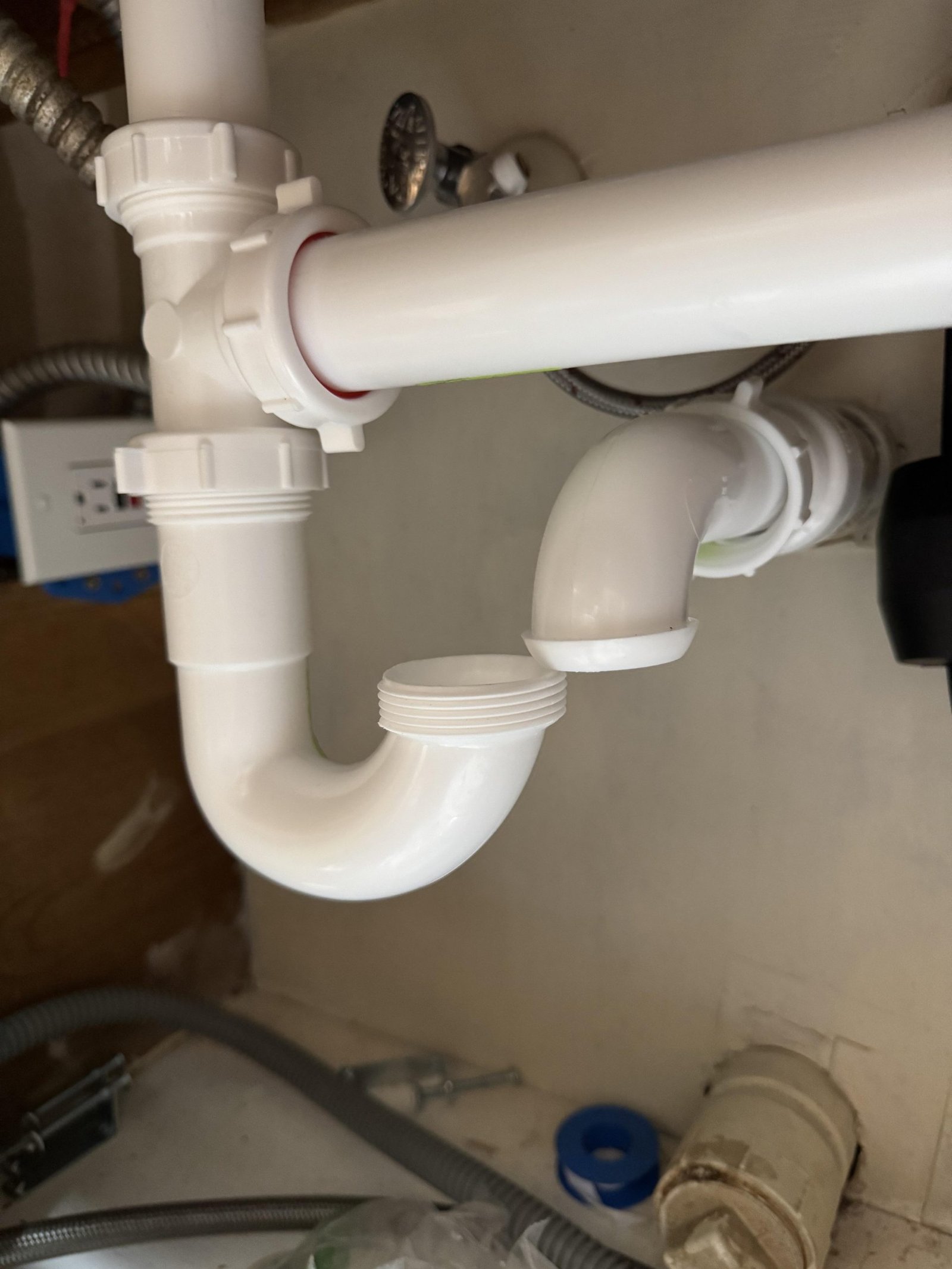
Have you ever opened the cabinet under your kitchen sink and wondered what all those pipes do? Understanding the pipes beneath your sink is easier than you think, and it can save you time, money, and a lot of frustration.
Whether you’re facing a leak, a clog, or just want to know how your kitchen plumbing works, this guide is made for you. Keep reading, and you’ll soon feel confident handling the pipes under your kitchen sink like a pro.
Common Pipe Types
Under the kitchen sink, pipes carry water to and from your fixtures. Different pipe types serve various purposes based on material, durability, and cost. Knowing common pipe types helps in maintenance and repairs.
Pvc Pipes
PVC pipes are made of plastic and are lightweight. They resist corrosion and chemicals, making them popular for drain lines. These pipes are easy to cut and install. PVC pipes often come in white or gray colors. They handle cold and warm water but not very hot water.
Copper Pipes
Copper pipes have been used for decades in plumbing. They last a long time and resist rust. Copper pipes handle hot water well and are strong under pressure. They can be more expensive than plastic pipes. Copper also has natural antimicrobial properties.
Galvanized Steel Pipes
Galvanized steel pipes are coated with zinc to prevent rust. They were common in older homes. These pipes are very strong but can corrode inside over time. Corrosion may reduce water flow and cause leaks. Replacing galvanized pipes is often needed in renovations.
Signs Of Pipe Problems
Noticing issues with the pipes under your kitchen sink early can save you a lot of hassle and expense. Pipes often show clear signs when they start to fail, but these signs can be easy to overlook. Paying attention to these warning signals helps you act fast and keep your kitchen running smoothly.
Leaks And Drips
One of the most obvious signs of pipe problems is leaks or drips under the sink. Even a small drip can waste gallons of water and lead to bigger damage over time.
If you spot water pooling or hear the sound of dripping, check the pipes and connections immediately. You might find a loose fitting or a cracked pipe causing the leak.
Slow Drainage
Does your sink take longer than usual to drain? Slow drainage often means a clog or partial blockage inside the pipes.
Food scraps, grease, and soap buildup can accumulate and restrict water flow. If plunging doesn’t fix it, you might need to inspect the pipes for deeper blockages.
Unpleasant Odors
Have you noticed bad smells coming from under your sink? Foul odors often indicate trapped food debris or a venting issue in the plumbing.
These smells should not be ignored because they can signal bacterial growth or pipe damage. Cleaning the pipes and checking for leaks can help eliminate the odor and prevent health risks.
Routine Cleaning Tips
Keeping the pipes under the kitchen sink clean helps prevent clogs and bad smells. Routine cleaning keeps water flowing smoothly and extends pipe life. Simple habits protect your plumbing without costly repairs.
Using Baking Soda And Vinegar
Baking soda and vinegar create a natural cleaning reaction. Pour half a cup of baking soda down the drain. Follow with half a cup of vinegar. Let it fizz for 15 minutes. Rinse with hot water to clear debris and freshen pipes.
Avoiding Harsh Chemicals
Harsh chemical cleaners can damage pipes and harm the environment. They may cause corrosion or leaks over time. Choose gentle, natural cleaners instead. These protect your pipes and keep your home safe.
Regular Flushing With Hot Water
Pouring hot water down the drain regularly helps remove grease and buildup. It keeps pipes clear and reduces odors. Do this once a week to maintain smooth flow. Avoid boiling water, which can damage some pipes.

Credit: www.reddit.com
Preventing Clogs
Clogs in kitchen sink pipes cause water to drain slowly or stop completely. Preventing these blockages saves time and money on repairs. Simple actions keep pipes clear and functioning well. Learn how to avoid clogs with easy steps anyone can follow.
Strainer Installation
Install a strainer in your sink drain to catch food particles. It stops debris from entering pipes and causing clogs. Strainers are inexpensive and easy to clean. Remove trapped food regularly for best results.
Proper Waste Disposal
Never pour solid waste down the drain. Scrape plates into the trash before washing. Avoid putting coffee grounds, eggshells, or fibrous foods in the sink. These materials stick to pipes and form blockages over time.
Grease Management
Grease hardens inside pipes and causes severe clogs. Pour used cooking oil into a container, then throw it in the trash. Wipe greasy pans with paper towels before washing. This simple step keeps grease out of your plumbing system.
Fixing Minor Leaks
Minor leaks under the kitchen sink can cause water damage and increase your water bill. Fixing these leaks early saves money and prevents bigger problems. Most leaks come from loose connections or worn washers. Simple tools and materials can stop leaks quickly. Understanding basic fixes helps keep your kitchen dry and safe.
Tightening Connections
Loose pipe connections often cause leaks. Use a wrench to gently tighten slip nuts under the sink. Turn nuts clockwise until snug but avoid over-tightening. Too much force can crack pipes or damage fittings. Check for leaks by running water after tightening. Repeat tightening if drips persist.
Replacing Washers
Washers create a seal between pipe parts. Old washers wear out and cause leaks. Turn off water supply before replacing washers. Remove the pipe joint and take out the old washer. Match the new washer size with the old one. Place the new washer inside the joint and reassemble. Tighten connections securely and test for leaks.
Using Pipe Tape
Pipe tape seals threaded pipe joints to prevent leaks. Clean threads before applying tape. Wrap the tape clockwise around pipe threads 3 to 5 times. Cover all threads evenly without overlapping too much. Screw the pipe parts back together tightly. Pipe tape helps create a watertight seal and stops drips.

Credit: www.reddit.com
When To Call A Professional
Knowing when to call a professional plumber can save you time and prevent bigger problems. Some issues with pipes under the kitchen sink need expert care. Small leaks or clogs might be manageable, but serious troubles require skilled hands.
Here are key signs that show a professional’s help is necessary.
Persistent Leaks
Leaks that keep coming back after you fix them need expert attention. A professional can find hidden cracks or loose joints. They have tools to stop leaks completely. Ignoring persistent leaks can cause water damage and mold growth.
Severe Blockages
When water drains slowly or not at all, a major clog may exist. Stubborn blockages can be deep inside pipes and hard to remove. Professionals use special equipment to clear tough clogs safely. Avoid using harsh chemicals that might damage pipes.
Pipe Replacement Needs
Old or damaged pipes often require full replacement. Signs include rust, frequent leaks, or visible cracks. A plumber can assess pipe condition and suggest replacement options. Replacing pipes early prevents leaks and water quality issues later.

Credit: www.shutterstock.com
Frequently Asked Questions
What Types Of Pipes Are Under A Kitchen Sink?
Under a kitchen sink, you typically find drain pipes, water supply pipes, and a P-trap. Drain pipes carry wastewater away. Water supply pipes bring hot and cold water. The P-trap prevents sewer gases from entering your home.
How To Fix A Leaking Pipe Under The Sink?
To fix a leaking pipe, first turn off the water supply. Identify the leak source, then tighten or replace faulty parts. Use plumber’s tape for threaded connections. If unsure, call a professional plumber to avoid further damage.
Why Is There A P-trap Under The Kitchen Sink?
A P-trap holds water to block sewer gases from entering your home. It also traps debris, preventing clogs in the plumbing system. This simple pipe design maintains hygiene and protects indoor air quality.
When Should You Replace Pipes Under The Kitchen Sink?
Replace pipes if they show cracks, corrosion, or persistent leaks. Old metal pipes may rust, causing water contamination. Regular inspection helps spot damage early. Prompt replacement ensures safe and efficient plumbing.
Conclusion
Pipes under the kitchen sink play an important role in your home’s plumbing. Knowing their parts helps you spot leaks early. Regular checks keep water flowing smoothly and avoid big problems. Simple fixes can save time and money. Keep the area clean and dry to prevent damage.
Understanding these pipes makes home care easier and safer. Small efforts bring lasting benefits to your kitchen’s plumbing system.
