
Are you noticing a funky smell coming from your dishwasher or finding that your dishes aren’t as clean as they used to be? The culprit might be lurking where you least expect it—your dishwasher hose.
Over time, debris and grime can build up, affecting the performance of your appliance. But don’t worry, tackling this issue is simpler than you might think. In this guide, you’ll discover the easy steps to clean your dishwasher hose and ensure your kitchen stays fresh and your dishes sparkling.
Imagine the satisfaction of knowing your appliance is running at its best, just with a little bit of care and attention. Dive in to learn how you can effortlessly restore your dishwasher’s efficiency and keep those unpleasant odors at bay.
Tools And Materials Needed
Gather vinegar, baking soda, and a bucket for cleaning the dishwasher hose. A sponge and a small brush are helpful for scrubbing. Prepare towels to handle any spills during the cleaning process.
Cleaning your dishwasher hose doesn’t have to be a daunting task. With the right tools and materials, you can tackle this job efficiently. But what exactly do you need to get started? Let’s break it down into simple steps so you can ensure your dishwasher runs smoothly without any hiccups.1. Screwdriver
A screwdriver is essential for removing the panel that covers the dishwasher hose. Make sure you have both Phillips and flathead screwdrivers handy. You never know which one you’ll need until you look at your appliance.2. Pliers
Pliers come in handy for loosening and tightening the clamps on the hose. They give you the grip needed to handle those stubborn connections. Trust me, you don’t want to struggle with slippery clamps using your bare hands.3. Bucket
A bucket is crucial for catching any water that may spill when you detach the hose. Place it strategically under the hose to avoid a messy cleanup later. It’s a simple step that can save you a lot of hassle.4. Cleaning Brush
A flexible cleaning brush is perfect for scrubbing the inside of the hose. Choose one with soft bristles to avoid damaging the hose. A clean hose ensures your dishwasher functions at its best.5. Vinegar And Baking Soda
These two household items create a powerful cleaning solution. Mix them to form a paste that can effectively break down grime and buildup inside the hose. It’s a natural and cost-effective way to keep your appliances in top shape.6. Towels Or Rags
Keep a few towels or rags on hand to wipe up any spills or drips. They are also useful for drying off the hose after cleaning. A dry hose is less likely to harbor mold or mildew.7. Safety Gloves
Safety gloves protect your hands from sharp edges and cleaning solutions. They offer an extra layer of safety while you work. It’s always better to be safe than sorry. Once you’ve gathered these tools and materials, you’re well on your way to a cleaner dishwasher hose. Remember, a little preparation goes a long way in making this task easier. What other household chores could benefit from such a straightforward approach?
Credit: diy.stackexchange.com
Safety Precautions
Ensure safety by unplugging the dishwasher and turning off the water supply before cleaning the hose. Wear gloves to protect your hands from any sharp edges or debris.
Cleaning your dishwasher hose might seem straightforward, but ensuring your safety is crucial. It’s easy to overlook the potential hazards involved, especially when you’re eager to get the job done. Let’s take a moment to focus on some essential safety precautions that can protect you from mishaps.Unplug Your Dishwasher
Before starting, make sure your dishwasher is unplugged. This simple step prevents electrical accidents. You wouldn’t want a nasty shock while handling the hose, right? Always double-check that the power is off before proceeding.Wear Protective Gear
Consider wearing gloves to protect your hands. It’s not just about avoiding dirt; sometimes the hose can have sharp edges or residue that irritates the skin. You might also want to wear goggles if you’re using cleaning chemicals, as they can splash unexpectedly.Ensure Adequate Ventilation
If you’re using cleaning solutions, ensure the area is well-ventilated. Open a window or door to let fresh air in. This prevents inhaling any potentially harmful fumes. Plus, it keeps the air fresh and pleasant while you’re working.Check For Leaks
Inspect your hose for leaks before cleaning. A damaged hose can lead to water spillage, causing slips and falls. Catching leaks early saves you from cleaning up a soggy mess later. It’s much easier to replace a faulty hose than deal with water damage.Secure Loose Items
Make sure any loose items around your work area are secured. You don’t want them to fall or get in your way while you’re cleaning. A clutter-free space helps you focus and work efficiently. Do you have any personal stories of mishaps when cleaning appliances? Sometimes, sharing these can offer valuable lessons to others. Remember, taking the time to follow safety precautions not only keeps you safe but also makes the task more manageable and less stressful.Identifying Signs Of A Blocked Hose
Discovering a sluggish dishwasher often indicates a blocked hose. Water pooling at the bottom is another sign. Remove the hose, clean debris, and ensure smooth water flow.
Identifying a blocked dishwasher hose can save you time and prevent more serious issues with your appliance. It’s a common problem that can affect the performance of your dishwasher, leaving you with dirty dishes and unnecessary stress. Knowing the signs of a blocked hose will help you address the issue promptly, ensuring your dishwasher runs smoothly and efficiently.Water Pooling At The Bottom
If you notice water pooling at the bottom of your dishwasher after a cycle, it could indicate a blockage in the hose. This stagnant water is not only unsanitary, but it can also lead to a foul smell. Check if the water is not draining properly, as this is a telltale sign of a blocked hose.Unusual Noises During Operation
Dishwashers typically make a gentle swishing sound, but if you hear loud, unusual noises, it might be a signal of a blockage. Sounds like gurgling or humming can indicate that water is struggling to pass through the hose. Consider this your dishwasher’s way of alerting you that something might be wrong.Dishwasher Not Cleaning Properly
A blocked hose can prevent your dishwasher from cleaning your dishes effectively. If you find food particles or residue on your dishes after a cycle, it might be due to insufficient water flow. Ask yourself: Is it time to inspect the hose?Dishwasher Takes Longer To Complete A Cycle
Notice that your dishwasher is taking longer than usual to finish a cycle? A blockage can slow down the water drainage, causing the machine to extend the washing process. This delay can be frustrating and could indicate a need for immediate attention.Foul Odor Emanating From The Dishwasher
A blocked hose can lead to trapped food particles and standing water, resulting in unpleasant smells. If you detect a persistent odor coming from your dishwasher, a clogged hose might be the culprit. Addressing the blockage can help eliminate these smells and keep your kitchen fresh. Recognizing these signs early can prevent larger issues and help maintain your dishwasher’s performance. Have you experienced any of these problems with your dishwasher? Taking the time to inspect and clean the hose could be the solution you need.
Credit: www.wikihow.com
Locating The Dishwasher Hose
Cleaning a dishwasher hose might seem challenging. First, you need to locate it. Knowing its exact position saves time and effort. It also ensures you don’t damage anything else. Finding this hose is easier than you think. Let’s break it down step by step.
Identifying Your Dishwasher Model
Every dishwasher model is different. Check the manual for hose details. If you lost it, search the model number online. This helps you understand where the hose might be. Most hoses are at the back or bottom.
Checking Under The Sink
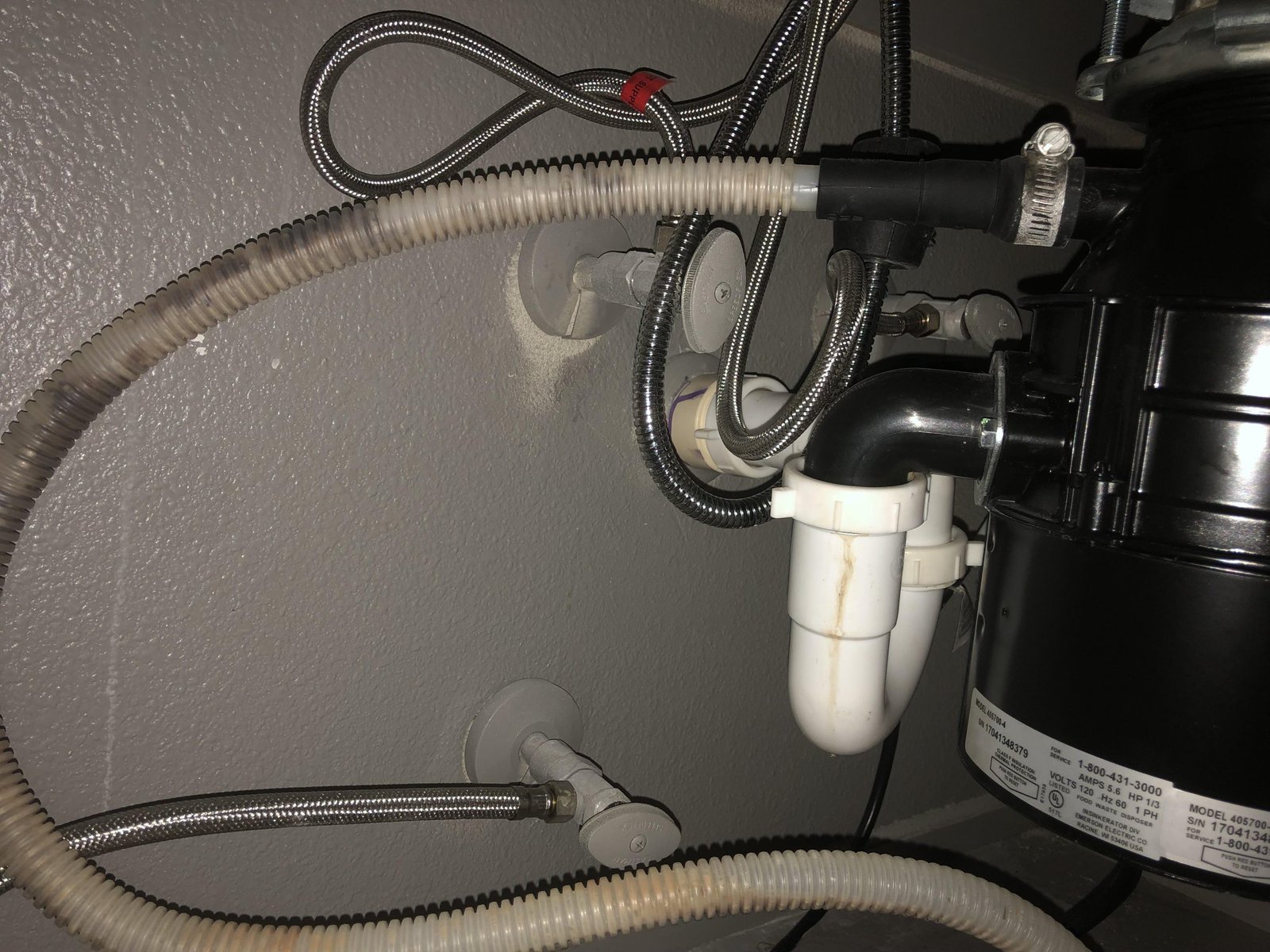
Open the cabinet under your sink. Look for a flexible hose. This connects the dishwasher to the plumbing. It is usually on the right side. If it’s not there, check the dishwasher’s rear.
Inspecting Behind The Dishwasher
Carefully pull the dishwasher away from the wall. Look behind it for the hose. It should be near the bottom. Be gentle to avoid damaging the appliance or hose.
Locating The Drain Hose
The drain hose is crucial for water removal. It’s usually gray and ribbed. Follow it from the dishwasher to its connection point. This ensures you clean the right hose.
Assessing The Hose Condition
Once located, check the hose condition. Look for cracks or clogs. This helps you decide if cleaning or replacement is needed. A clean hose improves dishwasher efficiency.
Disconnecting The Hose
Removing the hose is a vital step in cleaning a dishwasher. Ensure the power is off first. Then, gently detach the hose and inspect for debris.
Cleaning a dishwasher hose might seem like a daunting task at first. But disconnecting the hose is a crucial step that can be done with ease if you know how. This part of the process is essential to ensure that your dishwasher continues to run smoothly and efficiently. A clean hose prevents blockages and extends the lifespan of your appliance. Let’s dive into how you can disconnect the hose safely and effectively.Gather Your Tools
Before you get started, make sure you have the right tools on hand. You’ll need a screwdriver, pliers, and a towel. A small bucket might be useful to catch any residual water. Keep these items nearby to avoid scrambling for them mid-process.Turn Off The Power And Water Supply
Safety first! Unplug your dishwasher from the electrical outlet. Shut off the water supply to prevent any leaks or spills. These steps protect you from any electrical shock and water damage.Locate The Dishwasher Hose
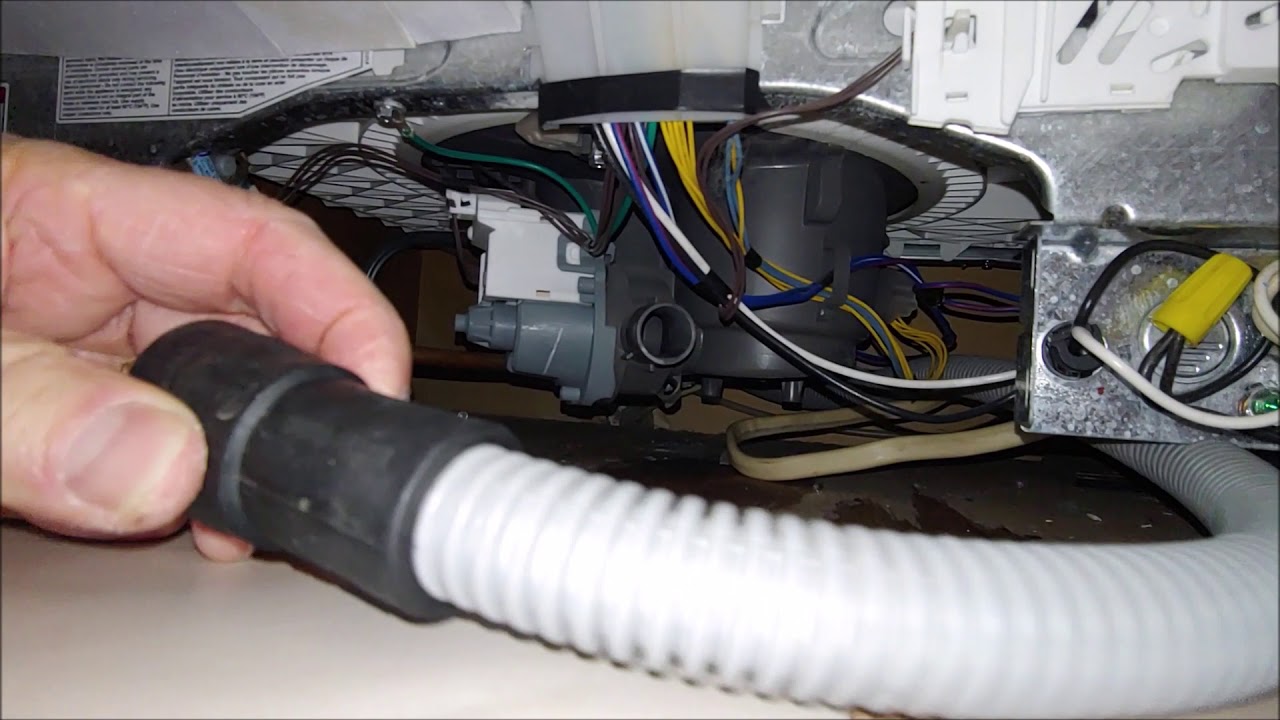
Your dishwasher hose is typically located at the back of the machine. You may need to pull the dishwasher out from under the counter for better access. Check if the hose is connected to the sink or a dedicated drain.Loosen The Hose Clamps
Use your pliers to gently loosen the clamps securing the hose. Be careful not to damage the hose or clamps, as these are crucial for reassembly. A little patience here goes a long way in preventing unnecessary repairs.Remove The Hose
Once the clamps are loose, carefully detach the hose from the dishwasher. Place a towel or bucket underneath to catch any water that may spill out. Remember, slow and steady wins the race here.Inspect For Damage
Take a moment to inspect the hose for any cracks or wear. A damaged hose could be the reason for poor dishwasher performance. Would you rather deal with a minor inconvenience now or a major problem later?Prepare For Cleaning
Now that the hose is disconnected, you’re ready to clean it thoroughly. Ensure you have a cleaning brush and detergent ready to tackle any grime. A clean hose means a clean dishwasher, making every meal prep easier. By following these steps, you ensure your dishwasher runs smoothly without any hiccups. Disconnecting the hose might seem like a hassle, but it’s a small effort for a big reward. A clean and functional dishwasher is worth the few minutes of maintenance.Cleaning Techniques
Cleaning a dishwasher hose involves disconnecting it and flushing out debris with water. Use a soft brush to remove stubborn particles. Regular maintenance ensures efficient performance and prevents blockages.
Cleaning your dishwasher hose is an essential task that ensures your appliance runs smoothly. Over time, food particles, grease, and soap scum can accumulate, leading to unpleasant odors and even clogs. Maintaining a clean hose not only enhances your dishwasher’s performance but also extends its lifespan. Let’s dive into some effective cleaning techniques to keep your dishwasher hose spotless.Using Vinegar And Baking Soda
Vinegar and baking soda are powerful allies in cleaning. They work wonders on stubborn grime. Start by disconnecting the hose from the dishwasher. Pour a cup of vinegar and a tablespoon of baking soda into the hose. These natural cleaners create a fizzing reaction that loosens debris. After a few minutes, rinse the hose thoroughly with warm water. This method is not only effective but also environmentally friendly.Flushing With Water
Regular flushing with water is a simple way to prevent build-up. Remove the hose and attach it to a tap. Run hot water through the hose for several minutes. This helps dislodge any accumulated particles. Consider doing this monthly to maintain a clear pathway for water and detergent.Manual Scrubbing
For stubborn clogs, manual scrubbing might be necessary. Use a long, flexible brush to reach inside the hose. Gently scrub the interior to remove any stuck-on debris. Make sure to rinse the brush frequently to avoid pushing dirt further in. Have you ever noticed how a little elbow grease can make all the difference? Even if it takes extra effort, the cleanliness and efficiency are worth it. Cleaning your dishwasher hose need not be a daunting task. With these techniques, you’ll find it easier to maintain your appliance. Taking a few minutes every now and then could save you from costly repairs later. What other parts of your home could benefit from a little more attention?Inspecting For Damage
Inspecting your dishwasher hose for damage is crucial. It ensures smooth operation. A damaged hose can lead to leaks or poor cleaning performance. Regular checks can prevent bigger problems later. In this section, we’ll guide you through inspecting the hose effectively.
Step 1: Locate The Dishwasher Hose
First, find the dishwasher hose. It’s usually at the back. Unplug the dishwasher for safety. You might need to pull it out slightly. This gives you better access to the hose.
Step 2: Check For Visible Cracks Or Tears
Examine the hose carefully. Look for any visible cracks or tears. Even small ones can cause leaks. Use a flashlight for better visibility. Run your fingers along the hose. Feel for any rough spots or damage.
Step 3: Inspect The Hose Connections
Next, inspect the hose connections. Ensure they’re tight and secure. Loose connections can cause leaks. Check for any signs of wear or damage. Tighten the connections if necessary.
Step 4: Look For Signs Of Mold Or Mildew
Mold or mildew can indicate moisture issues. Check the hose for any discoloration. A musty smell can be a sign too. Clean any mold or mildew immediately. It helps maintain a healthy appliance.
Step 5: Test The Hose Flexibility
Gently bend the hose. It should be flexible. Stiffness can indicate aging or damage. A flexible hose ensures proper water flow. Replace if it’s too stiff or brittle.
Step 6: Consider Professional Help
If damage is found, consider professional help. A qualified technician can assess the situation. They can provide repairs or replacements. It’s better to act quickly to prevent further damage.
Reconnecting The Hose
Reconnecting the hose is the final step in dishwasher maintenance. It ensures proper water flow and prevents leaks. A well-connected hose keeps your dishwasher running smoothly.
Ensuring A Snug Fit
Make sure the hose fits tightly onto the dishwasher outlet. A loose connection can cause leaks. Push the hose firmly onto the outlet. Check for any gaps or misalignment.
Securing With Clamps
Use clamps to hold the hose in place. They help maintain the connection under pressure. Fasten the clamps securely. Loose clamps can lead to water leakage.
Testing For Leaks
Check for leaks after reconnecting the hose. Run a short cycle in the dishwasher. Inspect around the hose for water drips. No leaks mean a successful reconnection.
Proper Alignment
Ensure the hose is properly aligned. Misalignment can stress the hose. Check that the hose runs straight and isn’t twisted. Proper alignment extends hose life.
Checking The Water Flow
Observe the water flow during a cycle. A steady flow indicates a secure connection. Interruptions suggest a loose hose. Adjust the hose if necessary for smooth operation.
Testing The Dishwasher
Testing the dishwasher is crucial after cleaning the hose. It ensures everything functions properly. A clean hose allows water to flow freely. This prevents any blockages or leaks. Testing helps identify issues early. Fixing problems early saves time and money.
Step 1: Run A Short Cycle
Start by running a short cycle. This checks if water flows correctly. Observe the water pressure during the cycle. Listen for unusual sounds. These might indicate a problem. A smooth operation confirms the hose is clean.
Step 2: Check For Leaks
Inspect the area around the dishwasher. Look for any water leaks. Leaks suggest a problem with the hose connection. Tighten any loose connections if needed. Ensure the hose is properly attached. No leaks mean the hose is secure.
Step 3: Evaluate Cleaning Performance
After the cycle, check the cleanliness of dishes. Spotless dishes indicate a clean hose. Look for any residues or spots. Residue suggests a blockage in the hose. A clean hose ensures dishes come out pristine.
Step 4: Examine Drainage
Observe how the dishwasher drains. Slow drainage points to a clogged hose. Quick drainage means the hose is clear. A clog can cause water backup. Ensure the hose allows proper drainage.
Step 5: Final Check
Review the entire process. Ensure everything is working smoothly. Confirm there are no issues left. Testing completes the cleaning process. A fully functional dishwasher is ready for use.
Credit: www.youtube.com
Maintenance Tips
Maintaining your dishwasher hose is vital for optimal performance. Regular cleaning prevents clogs and keeps the appliance running smoothly. Proper maintenance also extends the lifespan of your dishwasher. Follow these tips to ensure your hose stays clean and efficient.
Inspect For Visible Blockages
Check the hose for any visible blockages. Remove any debris you can see. This helps prevent future clogs and maintains water flow.
Use Vinegar Solution
Create a vinegar solution to clean the hose. Mix equal parts vinegar and water. Pour the solution into the hose to dissolve buildup.
Flush With Hot Water
Flush the hose with hot water after using vinegar. This removes any remaining debris. Hot water ensures the hose is thoroughly cleaned.
Check For Leaks
Inspect the hose for leaks. Look for any signs of wear. Replace the hose if you find any leaks to avoid further damage.
Keep Hose Elevated
Ensure the hose remains elevated. This prevents water from pooling. Elevation helps keep the hose dry and free from mold.
Regularly Schedule Cleanings
Schedule regular cleanings for your dishwasher hose. Set reminders every few months. Consistent cleaning keeps the hose in top condition.
Secure Connections
Check all hose connections. Ensure they are tight and secure. Loose connections can lead to leaks and inefficiency.
Frequently Asked Questions
How To Clean A Dishwasher Air Gap Hose?
Detach the air gap hose from the dishwasher. Use warm water and vinegar to rinse it thoroughly. Scrub the inside with a brush to remove debris. Reattach the hose securely once clean. Regular cleaning prevents clogs and ensures efficient dishwasher performance.
How Do I Know If My Dishwasher Hose Is Clogged?
Look for water pooling in the dishwasher or slow drainage. Listen for unusual noises during cycles. Check for unpleasant odors or residue buildup inside. Disconnect the hose and inspect for visible blockages. Regular maintenance can prevent clogs.
How To Clean Smelly Dishwasher Drain Hose Without?
Disconnect the dishwasher drain hose. Soak it in a mixture of vinegar and baking soda. Rinse thoroughly with hot water. Ensure it’s completely dry before reconnecting to prevent odors. Regular cleaning helps maintain a fresh dishwasher.
How To Unclog Dishwasher Drain Hose With Vinegar?
Pour one cup of vinegar into the dishwasher. Let it sit for 15 minutes. Run a hot water cycle to flush the drain hose. Ensure the dishwasher is empty during this process for optimal results. Repeat if necessary to clear stubborn clogs and improve drainage.
Conclusion
Cleaning your dishwasher hose is simple and essential. Regular maintenance prevents clogs and odors. A clean hose ensures efficient water flow. Use mild soap and a brush for stubborn debris. Rinse thoroughly to remove residue. Check your hose monthly for buildup.
Replace damaged hoses promptly to avoid leaks. Proper care extends your dishwasher’s life. Enjoy spotless dishes every time. Keep your kitchen running smoothly with this easy routine. A clean hose means better performance. Save money on repairs by maintaining your appliance regularly.
Happy cleaning!
