
Have you noticed a bad smell coming from under your kitchen sink? That unpleasant odor can quickly turn your favorite cooking spot into a place you want to avoid.
You might wonder what’s causing it and worry if it means a bigger problem is lurking. Don’t ignore it—understanding why this smell appears and how to fix it can save you stress and keep your kitchen fresh. Keep reading, and you’ll discover simple, effective ways to get rid of that nasty odor for good.

Credit: www.drano.com
Common Causes Of Odors
Bad smells from under the kitchen sink often come from common, easy-to-fix causes. Identifying the source helps stop the odor quickly. Understanding these causes can keep your kitchen fresh and clean.
Food Residue Buildup
Food scraps can get stuck in the drain or pipes. These bits start to rot and cause bad smells. Grease and oils also collect and trap food pieces. Regular cleaning prevents this buildup and keeps odors away.
Mold And Mildew Growth
Dark, damp places under the sink are perfect for mold. Mold and mildew grow on wet surfaces and cause a musty smell. Leaks or spills increase moisture, helping mold spread. Wiping surfaces and fixing leaks stops mold growth.
Clogged Drains
Drains clogged with soap, hair, and food waste smell unpleasant. Water pools in the pipes, creating a breeding ground for bacteria. Slow draining or standing water signals a clog. Clearing drains removes trapped debris and odors.
Leaky Pipes
Leaky pipes create moisture under the sink. This moisture leads to mold and bad smells. Small leaks may go unnoticed but cause damage over time. Checking pipes and repairing leaks keeps the area dry and odor-free.
Immediate Odor Fixes
Bad smells under your kitchen sink can be embarrassing and frustrating. The good news is that many odors come from common sources that you can fix immediately. Quick action can stop the smell before it spreads and makes your kitchen unpleasant.
Cleaning The Drain Trap
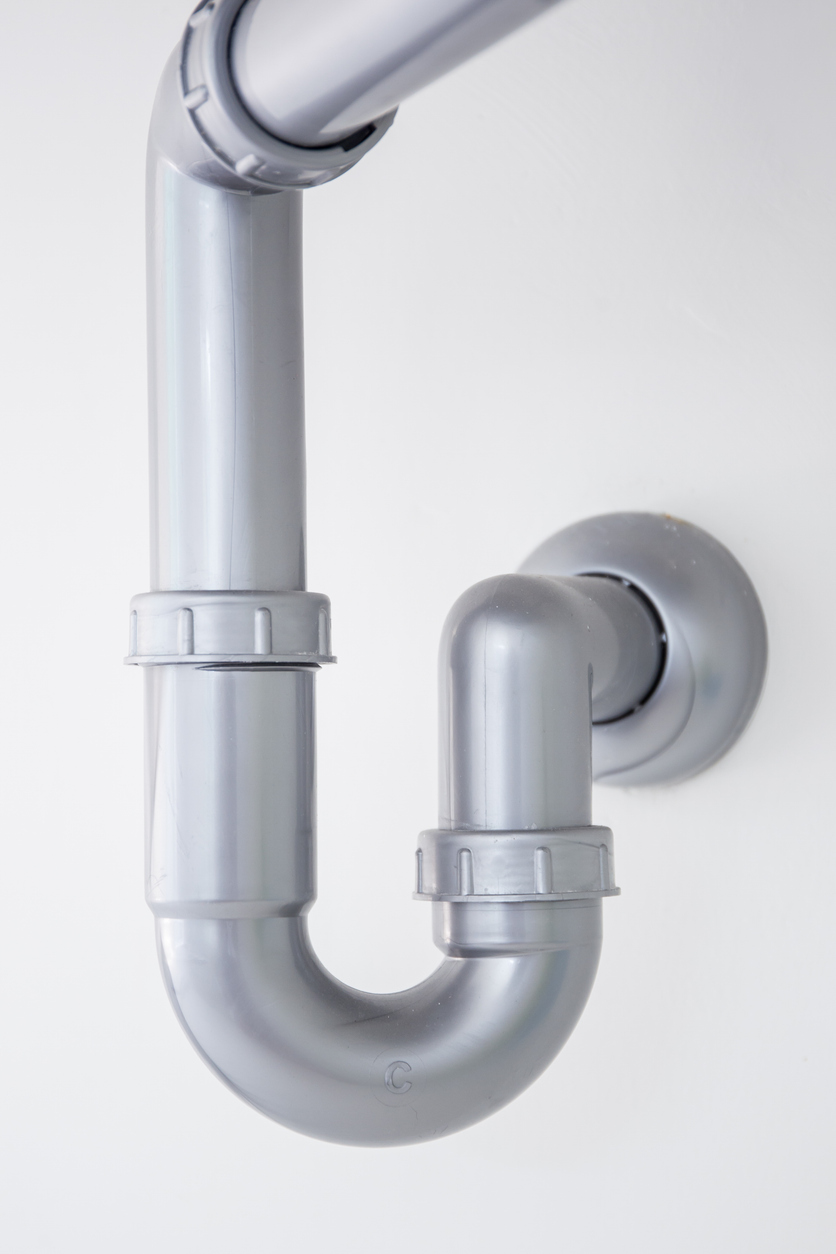
The drain trap, or P-trap, is a prime spot where food particles and debris collect, causing bad odors. You can easily clean it by placing a bucket underneath, unscrewing the trap, and removing any gunk inside.
Rinse the trap thoroughly before reattaching it. This simple step often clears out the source of the smell fast. Have you checked your drain trap lately?
Using Baking Soda And Vinegar
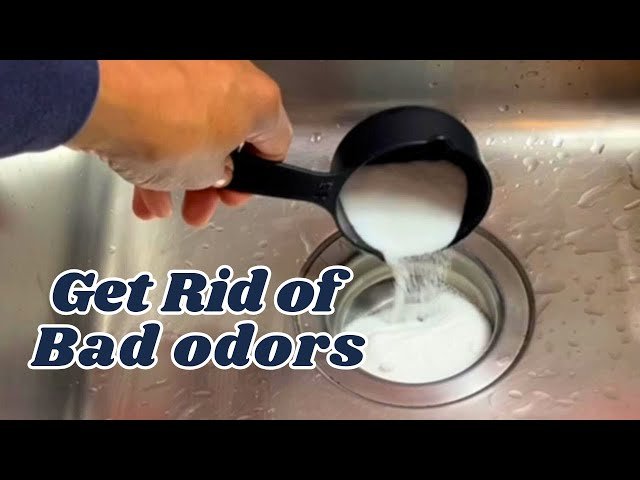
Baking soda and vinegar create a natural fizzing action that breaks down grime and neutralizes odors. Sprinkle about half a cup of baking soda down the drain, then pour half a cup of vinegar on top.
Let it bubble for 15 minutes, then flush with hot water. This easy fix can refresh your sink without harsh chemicals. Why not try this kitchen staple before buying expensive cleaners?
Boiling Water Flush
Pouring boiling water down the drain can dissolve grease and loosen debris stuck inside pipes. Do this carefully in stages, allowing the hot water to work through the drain each time.
This method is quick and safe for most plumbing systems. Could a simple cup of boiling water be your immediate odor solution?
Applying Commercial Cleaners
If natural methods don’t do the trick, commercial drain cleaners are designed to tackle tough odors and clogs. Choose a product labeled safe for your pipes and follow the instructions carefully.
Use gloves and ensure good ventilation when handling these chemicals. Have you ever found a product that worked wonders for your kitchen sink smell?
Preventive Measures
Preventing bad smells from under your kitchen sink is easier than dealing with the mess after the odor has taken hold. Taking simple, regular steps can keep your kitchen fresh and free from unpleasant smells. Here’s how you can stay ahead of the problem with some practical habits.
Regular Drain Maintenance
Cleaning your drain regularly is key to stopping bad odors before they start. You can pour a mixture of baking soda and vinegar down the drain once a week to break down buildup naturally. Flushing the drain with hot water afterward helps clear away loosened debris and keeps the pipes fresh.
I once ignored this and noticed a foul smell creeping in after a few weeks. After starting this simple routine, the smell disappeared and never came back. Have you checked your drain lately?
Proper Waste Disposal
Never pour grease, coffee grounds, or food scraps down the drain—they stick inside pipes and rot, causing bad smells. Use a compost bin or trash can for these items instead. Also, keep a small container nearby to catch food waste before washing dishes.
Keeping waste out of your drain protects your pipes and prevents odors at the source. What waste do you usually find going down your sink?
Keeping The Area Dry
Moisture under the sink creates a perfect environment for mold and mildew, which cause bad smells. Wipe spills immediately and leave the cabinet doors open occasionally to let air circulate. Adding a small moisture absorber or silica gel pack can also help keep the space dry.
After a leak, I noticed a musty smell that lingered until I started drying the area daily. What’s your routine for keeping under-sink spaces dry?
Checking For Leaks Frequently
Leaks not only waste water but also create damp spots that breed odors. Inspect your pipes, seals, and connections every few weeks for drips or puddles. Fixing leaks quickly stops moisture buildup and prevents mold growth.
During one inspection, I found a tiny leak hidden behind the pipes. Repairing it stopped the smell instantly. When was the last time you checked under your sink for leaks?
Credit: www.smithsplumbingservice.com
When To Call A Professional
Knowing when to call a professional for bad smells under your kitchen sink can save you time, money, and stress. Some issues are easy to fix yourself, but others signal deeper problems that need expert attention. Paying attention to certain signs helps you decide when it’s time to get help.
Persistent Odors
If the bad smell under your sink lingers despite regular cleaning, it’s a warning sign. Persistent odors often mean trapped food debris, mold, or bacteria deep inside the pipes or drain trap. When you can’t get rid of the smell with household cleaners, a plumber’s tools and experience can locate and remove the source effectively.
Visible Pipe Damage
Check under your sink for cracks, corrosion, or leaks on the pipes. Damaged pipes can cause slow leaks that lead to mold growth and bad odors. If you spot any visible damage, calling a professional is crucial to avoid water damage or costly repairs later on.
Recurring Clogs
Do clogs come back quickly after you clear them? Frequent blockages can indicate a bigger problem like pipe misalignment or buildup beyond what a plunger or drain cleaner can fix. Professionals use cameras and specialized tools to diagnose and clear stubborn clogs, preventing ongoing odor issues.
Credit: www.happycampers.store
Frequently Asked Questions
Why Does My Kitchen Sink Smell Bad Underneath?
Bad odors under the kitchen sink usually come from trapped food, mold, or clogged drains. Moisture encourages bacteria growth, causing the smell. Regular cleaning and checking for leaks can help prevent odors.
How Can I Fix Bad Smell Under The Kitchen Sink?
Clean the area thoroughly and remove any debris. Check the drain trap for clogs and clean it. Use baking soda and vinegar to neutralize odors. Ensure the sink is dry to avoid mold growth.
Can A Leaking Pipe Cause Bad Smell Under Sink?
Yes, leaking pipes create damp conditions that encourage mold and bacteria. This can cause persistent bad odors. Fix leaks promptly and dry the area well to eliminate the smell.
Is Bad Smell Under The Sink Harmful?
Yes, persistent bad odors can indicate mold or bacteria growth, which can affect indoor air quality and health. Addressing the source quickly reduces health risks and keeps your kitchen fresh.
Conclusion
Bad smells under the kitchen sink can cause stress and discomfort. Regular cleaning helps keep odors away. Check for leaks or clogged drains often. Use baking soda or vinegar to freshen the area. Small actions prevent bigger problems later. A fresh-smelling kitchen feels welcoming and clean.
Stay alert to any changes in smell. Taking care of your sink keeps your home healthy. Simple steps make a big difference in odor control. Keep your kitchen fresh and inviting every day.
