
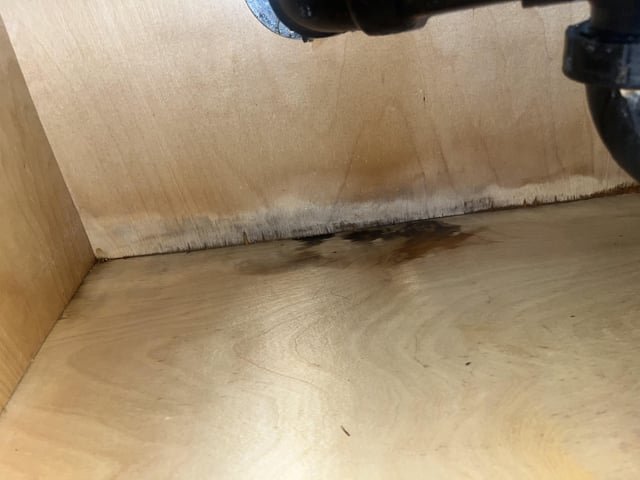
Have you ever opened the cabinet under your kitchen sink and noticed a musty smell or damp spots? Water damage under your kitchen sink can start small but quickly turn into a big problem if you don’t catch it early.
You might think it’s just a minor leak, but hidden moisture can cause mold, weaken your cabinets, and even affect your health. You’ll learn how to spot the signs of water damage, understand what’s causing it, and find simple steps to fix it before it gets worse.
Don’t wait until it’s too late—protect your home and peace of mind by reading on.
Common Causes Of Water Damage
Water damage under the kitchen sink can cause costly repairs and disrupt your daily routine. Understanding the common causes helps you spot issues early and take action before small leaks turn into big problems. Let’s look at the typical reasons water damage happens in this often overlooked spot.
Leaky Pipes And Fittings
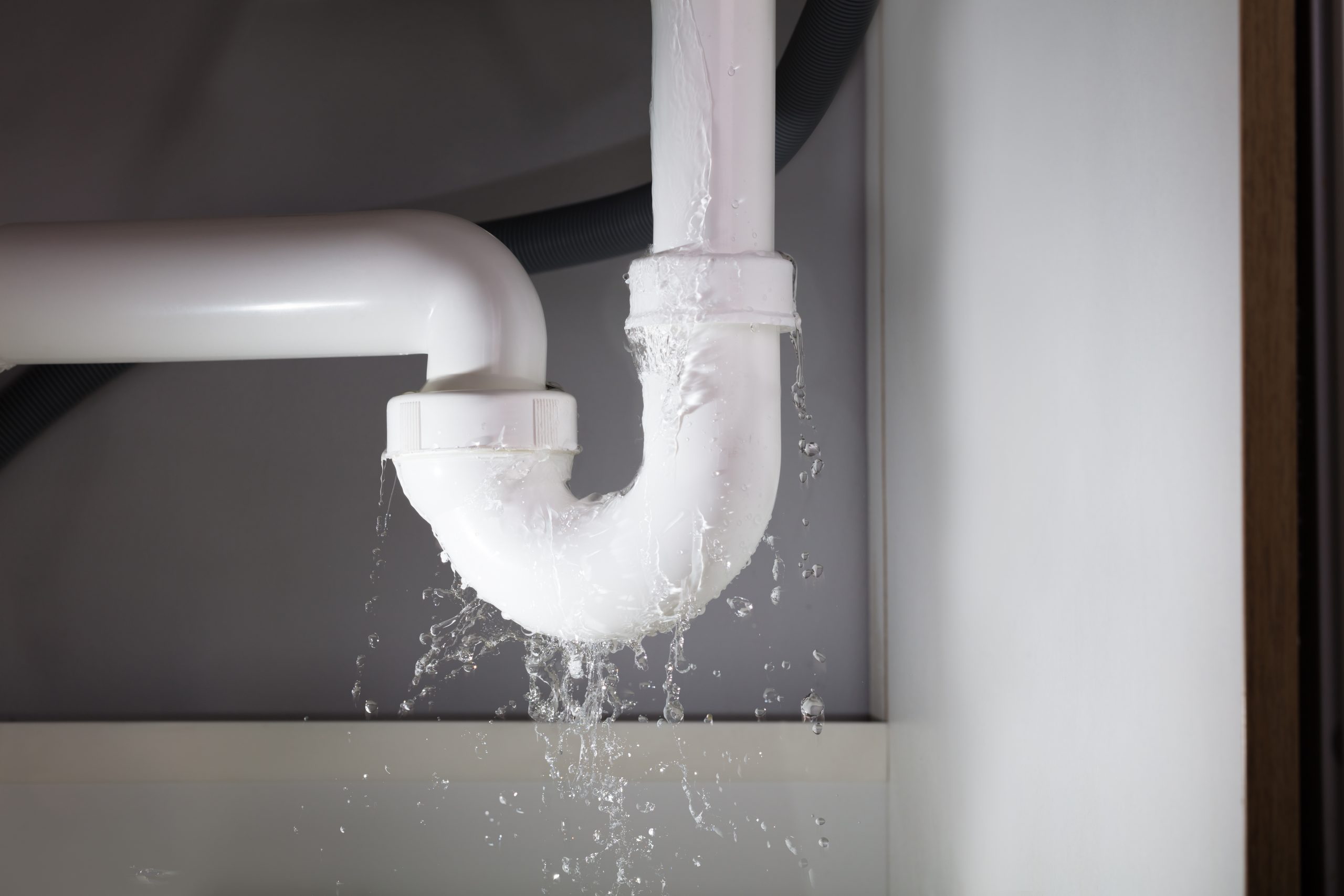
Pipes and fittings under the sink are prone to leaks due to wear and tear or poor installation. Even a small drip can lead to significant water damage over time. Have you ever noticed a puddle forming without knowing where it’s coming from? That slow leak might be hiding in plain sight.
Check pipes regularly for signs of corrosion or loose connections. Tightening fittings or replacing old pipes can stop leaks before they start damaging your cabinets and flooring.
Clogged Drains
A clogged drain doesn’t just cause slow drainage; it can also lead to water backing up under your sink. When water pools in the cabinet, it creates a perfect environment for mold and wood rot. Do you know what’s really going down your drain? Food scraps, grease, and soap buildup can block pipes, leading to hidden leaks.
Regularly clearing your drain with safe cleaners or a plumber’s snake helps prevent backups. Avoid pouring grease or large food particles down the sink to keep drains flowing freely.
Faulty Garbage Disposal
Your garbage disposal is convenient but can be a source of leaks if it malfunctions. Cracks, loose connections, or worn seals in the disposal unit allow water to escape and damage the cabinet below. Have you ever smelled something musty near the disposal? That might be a sign of hidden water damage from a slow leak.
Inspect your garbage disposal often, especially around the mounting and drain connections. Prompt repairs or replacement can save you from costly water damage repairs.
Worn-out Seals And Gaskets
Seals and gaskets under your sink prevent water from escaping joints and connections. Over time, these rubber parts dry out, crack, or shrink, leading to leaks. Have you checked the seals around your faucet or drain recently? Ignoring them could let water seep into your cabinets unnoticed.
Replacing worn seals is a simple and affordable fix that protects your kitchen from hidden water damage. Keep spares on hand for quick maintenance when needed.
Credit: piccfla.com
Signs Of Water Damage Under Sink
Water damage under the kitchen sink can cause serious problems if ignored. Early signs help catch issues before they worsen. Spotting these signs quickly protects your home and saves money.
Visible Water Pools
Water pools under the sink show leaks or pipe damage. These pools can be small or large. Check regularly for damp spots or puddles. Standing water can damage wood and attract pests.
Musty Odors
A damp smell near the sink hints at hidden water damage. Musty odors come from moisture trapped in cabinets or walls. This smell often signals mold growth or decay. Air out the area to detect any unusual scents.
Warped Cabinetry
Cabinet doors or shelves that swell or bend often suffer water damage. Warping happens when wood absorbs moisture. This damage changes the cabinet’s shape and weakens its structure. Watch for cracks or peeling paint too.
Mold And Mildew Growth
Dark spots or fuzzy patches under the sink show mold or mildew. These fungi thrive in moist, dark places. Mold can cause health issues and further damage materials. Clean mold carefully and fix leaks to stop growth.
Quick Fixes For Leaks
Discovering a leak under your kitchen sink can be stressful, but quick action can save you from bigger damage. Addressing leaks promptly helps avoid costly repairs and keeps your kitchen safe and dry. Here are practical fixes you can try right away to stop leaks and minimize water damage.
Tightening Loose Connections
Loose connections are a common cause of leaks under the sink. Grab an adjustable wrench and carefully tighten the nuts connecting pipes and fittings. Be cautious not to overtighten, as this could crack the fittings.
Check the water supply lines and drain pipes for any signs of dripping after tightening. Have you ever found a leak simply because a connection was a bit loose? This simple step often fixes the problem without needing new parts.
Replacing Damaged Pipes
If pipes are cracked or corroded, tightening won’t help. Inspect the pipes closely; soft spots or rust indicate the need for replacement. Use PVC or metal pipes that fit your system and ensure they are cut to the right length.
Replacing pipes may sound daunting, but with basic tools and a bit of patience, you can handle it yourself. Remember to turn off the water supply before starting. Could fixing a small pipe save you from a major kitchen disaster?
Using Sealants And Tape
Sealants and plumber’s tape are lifesavers for minor leaks around joints and threads. Wrap plumber’s tape clockwise around the threads before reconnecting pipes to create a watertight seal. For cracks, apply waterproof sealant directly on the affected area.
These materials are inexpensive and readily available at hardware stores. Keep them handy in your toolkit for quick repairs. Have you tried sealants before, or do you usually call a professional?
Temporary Drain Clearing
Clogs can cause water to back up and leak under the sink. Use a plunger or a drain snake to clear minor blockages temporarily. Avoid harsh chemicals that could damage your pipes or worsen leaks.
This quick fix helps restore proper drainage until a permanent solution is found. What’s your go-to trick for clearing a stubborn drain clog?

Credit: www.reddit.com
Tools And Materials Needed
Fixing water damage under the kitchen sink requires the right tools and materials. These help stop leaks and prevent further damage. Proper equipment makes the job easier and safer.
Gather everything before starting. This avoids delays and frustration. Here are the essential tools and materials for the task.
Pipe Wrench And Plumber’s Tape
A pipe wrench fits tightly around pipes to loosen or tighten them. It helps handle stubborn connections under the sink.
Plumber’s tape, also called Teflon tape, seals pipe threads. It stops water from leaking at joints. Wrap it around threads before connecting pipes.
Bucket And Towels
A bucket catches dripping water during repairs. Place it under the sink to avoid messes on the floor.
Towels soak up spills and dry wet surfaces. Keep several on hand to clean leaks quickly.
Sealant And Replacement Parts
Use sealant to close small cracks or gaps. Silicone sealant works well for waterproof sealing.
Replacement parts may include washers, gaskets, or pipe sections. Old parts often wear out and cause leaks.
Drain Snake
A drain snake clears clogs in pipes. It pushes or pulls blockages free to restore water flow.
This tool helps prevent water backup and damage under the sink caused by slow drainage.
Preventive Measures
Water damage under the kitchen sink causes costly repairs and health risks. Preventive measures reduce the chance of leaks and moisture buildup. Simple daily habits and smart tools protect your cabinets and floors. Keep the area dry, safe, and damage-free with these practical steps.
Regular Inspections
Check under the sink weekly for signs of leaks or moisture. Look for water stains, mold, or a musty smell. Tighten loose pipes and fittings. Early detection stops small leaks from becoming big problems.
Proper Use Of Sink And Disposal
Avoid pouring grease or thick food scraps down the drain. Use cold water when running the disposal to clear debris. Do not overload the disposal with hard items. These habits prevent clogs and reduce pipe stress, lowering leak risks.
Installing Water Leak Detectors
Place water leak detectors under the sink near pipes. These devices alert you quickly to any water presence. Early warnings help you act fast and prevent major damage. Choose models with loud alarms or smartphone alerts.
Maintaining Cabinet Ventilation
Keep the cabinet door slightly open or install vents. Good airflow helps dry out any moisture quickly. Avoid storing wet sponges or cloths inside the cabinet. Proper ventilation reduces mold growth and wood damage.

Credit: www.reddit.com
When To Call A Professional
Knowing when to call a professional for water damage under your kitchen sink can save you time, money, and stress. Some issues look minor but can quickly worsen if not handled correctly. You might feel tempted to fix small leaks yourself, but certain signs clearly indicate it’s time to bring in an expert.
Persistent Leaks
If you’ve patched a leak several times and it keeps coming back, that’s a red flag. Temporary fixes like tape or sealant might stop the drip for a day or two, but they don’t address the root cause.
Persistent leaks can lead to mold growth and wood rot. When water keeps escaping despite your efforts, a professional plumber can identify hidden issues like cracked pipes or faulty seals that you might miss.
Extensive Water Damage
Have you noticed warped cabinet bases, peeling paint, or a musty smell under your sink? These are signs that water damage has spread beyond a simple leak.
Extensive damage compromises the structure of your cabinetry and the wall behind it. Professionals have the tools to assess the full extent of the problem, including moisture meters and infrared cameras, ensuring nothing gets overlooked.
Complex Plumbing Issues
Sometimes, water damage results from more than a leaky pipe. Corroded plumbing, clogged drains, or faulty valves can create complicated problems.
If your sink’s plumbing involves multiple connections or hidden components, attempting a DIY fix could make things worse. Experts know the local plumbing codes and can safely navigate complex repairs to prevent further damage.
Frequently Asked Questions
What Causes Water Damage Under Kitchen Sink?
Water damage under the kitchen sink is usually caused by leaking pipes, worn-out seals, or faulty plumbing. Drips from the faucet or dishwasher connections can also lead to moisture buildup and damage.
How To Detect Water Damage Under Kitchen Sink?
Look for signs like a musty smell, dampness, mold growth, or discoloration on cabinet surfaces. Soft or swollen wood and pooling water are clear indicators of water damage.
Can Water Damage Under Sink Cause Mold Growth?
Yes, constant moisture under the sink creates an ideal environment for mold. Mold can develop quickly and affect indoor air quality and health.
How To Fix Water Damage Under Kitchen Sink?
First, identify and stop the leak source. Dry the area thoroughly and replace any damaged wood or materials. Consider professional repair if damage is extensive.
Conclusion
Water damage under the kitchen sink can cause serious problems fast. Catch leaks early to avoid costly repairs and mold growth. Check pipes and seals regularly for any signs of moisture. Dry wet areas quickly to keep your home safe.
Taking small steps now saves stress later. Keep your kitchen dry and enjoy a healthier space. Simple care makes a big difference over time. Stay alert and protect your home from water damage today.
