
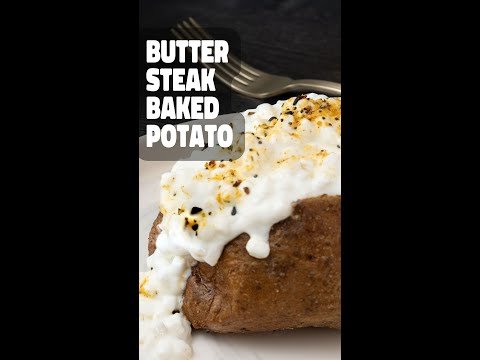
Are you ready to discover the secret to the best baked potato you’ve ever tasted? America’s Test Kitchen has done the hard work so you don’t have to.
Whether you want a crispy skin, a fluffy inside, or the perfect seasoning, this guide will show you how to get it right every time. You’ll learn simple tips and tricks that make your baked potato stand out at any meal.
Keep reading to unlock the recipe that turns a basic potato into a delicious masterpiece you and your family will love.
Choosing The Right Potato
Choosing the right potato is key to baking the perfect spud. The type you pick affects texture, flavor, and how well it cooks through. Knowing what to look for can turn an average baked potato into something truly memorable.
Russet Vs Other Varieties
Russet potatoes are often the go-to for baking. Their high starch content creates a fluffy interior and a crispy skin after baking.
Other varieties like Yukon Gold or red potatoes have waxier textures. They hold shape better but don’t get as fluffy inside.
Think about what you want: a soft, airy bite or something firmer with a creamier texture? Your choice changes the entire eating experience.
Size And Freshness Tips
Choose potatoes that feel firm and heavy for their size. Avoid any with green spots or sprouting eyes—these can taste bitter or be toxic.
Medium-sized potatoes bake more evenly than very large or tiny ones. If you pick uneven sizes, expect inconsistent cooking results.
Freshness matters. Potatoes stored too long can dry out or develop an off flavor. Buy from a cool, dark place and use within a couple of weeks for best taste.
Prepping The Potato
Prepping your potato properly sets the foundation for a perfect baked potato. It’s not just about tossing it in the oven; the details you pay attention to before baking can change the texture and flavor entirely. Getting your potato ready ensures a crispy skin and fluffy inside that America’s Test Kitchen swears by.
Washing And Scrubbing
Start by rinsing your potato under cold water. Dirt and debris hide in the skin’s crevices, so a thorough scrub with a vegetable brush is essential. Don’t skip this step—you want to eat that skin crispy and clean, not gritty or sandy.
Have you ever bitten into a baked potato and noticed a gritty texture? That’s a sign you didn’t clean it well enough. Take a minute to scrub and your taste buds will thank you.
Pricking And Oiling
Next, pierce the potato with a fork several times. This allows steam to escape during baking, preventing your potato from bursting in the oven. It’s a simple trick that many overlook but makes all the difference.
After pricking, rub the potato with a light coat of oil—vegetable or olive oil works great. This step helps the skin crisp up beautifully and adds a subtle flavor. Sprinkle a pinch of coarse salt on the skin to enhance the taste and texture even further.
Have you noticed how some baked potatoes have that irresistible crunch on the outside? Oiling and salting before baking is the secret. Try it next time and see how much better your potato turns out.
Baking Techniques
Baking the perfect potato is an art that hinges on mastering key techniques. The right temperature and timing can make the difference between a soggy spud and a crispy, fluffy delight. Plus, deciding whether to wrap your potato or leave it bare changes the texture and skin quality significantly. Let’s dive into these baking techniques that America’s Test Kitchen swears by for the best baked potato.
Oven Temperature And Timing
Oven temperature controls how your potato cooks inside and out. America’s Test Kitchen suggests baking at a steady 425°F (220°C) to get a skin that crisps up nicely while the inside stays fluffy.
The timing generally ranges from 45 to 60 minutes depending on potato size. Bigger potatoes need more time, but overbaking risks drying out the interior. You can test doneness by inserting a fork; it should glide in easily without resistance.
Have you ever noticed how a lower temperature results in a softer skin? Try adjusting your oven and see how the texture changes—you might find a new favorite way to bake your spuds.
Wrapping Vs Unwrapped
Wrapping potatoes in foil is tempting for a softer skin and faster cooking. However, America’s Test Kitchen points out that wrapping traps steam, making the skin less crispy. If you love a crunch, bake your potatoes unwrapped directly on the oven rack.
Unwrapped potatoes develop a skin that’s perfect for holding toppings without getting soggy. On the other hand, foil-wrapped potatoes yield a moister interior but lack that satisfying crisp.
- Wrapped:Softer skin, faster cook time, moist interior
- Unwrapped:Crispy skin, longer cook time, fluffy inside
Which texture do you prefer on your baked potato? Experiment with both methods and notice how much the skin’s texture affects your enjoyment.

Credit: www.facebook.com
Testing For Doneness
Testing for doneness is key to baking the perfect potato. It ensures the inside is soft and fluffy. The skin should be crisp but not burnt. Proper testing avoids undercooked or overcooked spuds. Let’s explore simple ways to check if your potato is ready.
Texture And Softness Checks
Feel the potato gently to check firmness. It should give slightly under light pressure. Too hard means it needs more time. Too soft or mushy means it’s overdone. The skin should crack easily when squeezed.
Press the potato with your fingers or palm. A well-cooked potato feels tender inside but holds shape. Avoid potatoes that feel dry or tough. Softness signals the starches have cooked fully.
Using A Fork Or Thermometer
Insert a fork into the thickest part of the potato. The fork should slide in easily without resistance. If it meets resistance, bake longer. Check multiple spots for even doneness.
A food thermometer provides precise results. The internal temperature should be about 210°F (99°C). This ensures the potato is cooked through. Insert the thermometer carefully to avoid breaking the skin.
Perfect Toppings
Perfect toppings transform a baked potato from simple to spectacular. They add flavor, texture, and visual appeal. Choosing the right toppings can enhance the potato’s natural taste. Here are some popular and tasty options to try.
Classic Butter And Sour Cream
Butter and sour cream remain timeless favorites. Butter adds rich creaminess that melts into the warm potato. Sour cream brings a cool, tangy contrast. Together, they create a smooth and satisfying base.
- Use salted butter for extra flavor.
- Add a dollop of sour cream on top.
- Sprinkle with salt and pepper for balance.
Cheese And Bacon Options
Cheese and bacon offer bold, savory flavors. Melted cheese creates a gooey, indulgent texture. Crispy bacon adds crunch and smoky notes. These toppings make the potato feel like a hearty meal.
- Cheddar, Monterey Jack, or mozzarella work well.
- Cook bacon until crisp and crumble it on top.
- Try scallions or chives for a fresh finish.
Healthy And Creative Alternatives
Healthy toppings bring freshness and variety. Greek yogurt replaces sour cream with fewer calories. Steamed broccoli or sautéed mushrooms add nutrients and flavor. Herbs like parsley or dill brighten every bite.
- Use avocado slices or guacamole for creaminess.
- Top with salsa or fresh tomatoes for zest.
- Try a sprinkle of nutritional yeast as a cheese substitute.
Common Mistakes To Avoid
Making the best baked potato requires avoiding some common mistakes. These errors can affect the texture and flavor. Pay attention to cooking time and seasoning. Simple adjustments can improve your results.
Undercooking Issues
Potatoes need enough time in the oven to cook through. Undercooked potatoes are hard and unpleasant. Test by poking with a fork; it should slide in easily. If not, bake longer. Avoid rushing the cooking process.
Overuse Of Oil Or Salt
Too much oil makes the skin greasy, not crispy. Use just a light coat for a perfect crust. Excess salt can overpower the natural potato flavor. Sprinkle a moderate amount, enough to enhance taste without overwhelming it.
Storing And Reheating
Storing and reheating your baked potatoes correctly can make a big difference in taste and texture. You don’t want to lose that fluffy inside or crispy skin after the first meal. Let’s look at how you can keep your potatoes fresh and enjoy them just as much the next day.
Proper Storage Methods
After your baked potatoes cool down, wrap each one tightly in aluminum foil or place them in an airtight container. This prevents moisture loss and keeps the skin from getting rubbery. Store them in the refrigerator within two hours of cooking to avoid bacteria growth.
Try to keep the potatoes separate from strong-smelling foods. Potatoes can absorb odors, which might change their flavor. Have you ever noticed how leftovers sometimes taste different because of fridge smells? Avoid that by using sealed containers.
Best Reheating Practices
Reheating your baked potato in the oven or toaster oven restores its crispy skin and fluffy interior better than a microwave. Preheat your oven to 350°F (175°C), then place the potato directly on the rack for 15 to 20 minutes. This method heats evenly and prevents sogginess.
If you’re short on time, you can microwave the potato, but wrap it in a damp paper towel to keep moisture in. Microwave for 2 to 3 minutes, turning halfway through. However, expect softer skin and a slightly different texture.
Have you ever tried cutting a baked potato in half and reheating it with toppings? It’s a quick way to refresh leftovers and add new flavors. Experiment with this to keep your meals exciting.

Credit: www.youtube.com
Credit: www.foodnetwork.com
Frequently Asked Questions
How Does America’s Test Kitchen Make The Best Baked Potato?
America’s Test Kitchen uses high heat and dry baking to achieve a crispy skin. They recommend using russet potatoes for fluffier interiors. Preheating the oven and baking directly on the rack ensures even cooking and the perfect texture.
What Is The Ideal Baking Temperature For Potatoes?
The ideal temperature is 425°F (220°C). This high heat crisps the skin while cooking the inside evenly. Lower temperatures result in softer skins and longer cooking times.
Should You Wash Or Dry Potatoes Before Baking?
Potatoes should be washed thoroughly to remove dirt. After washing, dry them completely to ensure the skin crisps properly during baking. Moisture can prevent crispiness.
Why Use Russet Potatoes For Baking?
Russet potatoes have a high starch content and thick skin. This makes their flesh fluffy inside and skin crispy outside. They are the preferred choice for the best baked potatoes.
Conclusion
Baking the perfect potato is easier than you think. America’s Test Kitchen shows simple steps that bring great taste. Crispy skin and soft inside make a great potato every time. Try their tips and enjoy a classic side dish. This method fits any meal and any time.
Your baked potato will be a favorite for sure. Give it a try and taste the difference yourself. Simple, tasty, and satisfying. What’s not to love?
