
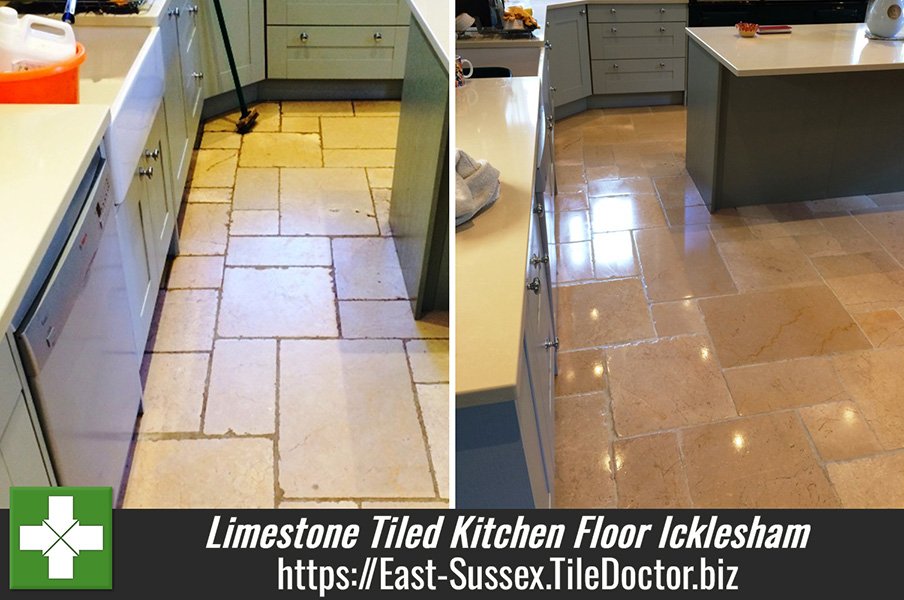
Your kitchen floor tiles can brighten up your entire space—or make it look dull if they’re dirty. But cleaning them doesn’t have to be a chore that drains your energy.
What if you could discover the best way to clean your kitchen floor tiles quickly and effectively, without using harsh chemicals or spending hours scrubbing? You’ll learn simple, proven methods that will leave your tiles sparkling and fresh. Keep reading, and turn your kitchen floor into the clean, inviting foundation your home deserves.
Choosing The Right Cleaning Products
Choosing the right cleaning products is crucial for maintaining the beauty and durability of your kitchen floor tiles. Using the wrong cleaner can damage the tile surface or leave behind residues that attract dirt. Understanding different types of cleaners and weighing natural versus chemical options helps you make a smarter choice that fits your needs and lifestyle.
Types Of Cleaners
There are several types of cleaners designed specifically for kitchen floor tiles. These include:
- pH-neutral cleaners:Gentle on tiles and grout, they clean without causing damage.
- Degreasers:Effective for removing stubborn grease and oil stains often found in kitchens.
- Disinfectants:Kill bacteria and germs, essential for food preparation areas.
- Grout cleaners:Target dirt embedded in grout lines, which regular cleaners might miss.
Knowing the purpose of each cleaner helps you pick the right one depending on your tile type and the kind of dirt you face daily.
Natural Vs. Chemical Solutions
Natural cleaners like vinegar, baking soda, and lemon juice are popular for being eco-friendly and safe around children and pets. They work well for light cleaning and deodorizing, but may struggle with tough stains or heavy grease.
Chemical cleaners often deliver faster, stronger results, especially on stubborn grime. However, they can contain harsh ingredients that may harm certain tile finishes or irritate your skin and respiratory system.
Ask yourself: Do you prioritize safety and environmental impact, or do you need a powerful cleaner for heavy-duty messes? Sometimes combining both approaches—using natural solutions for routine cleaning and chemical products for deep cleans—works best.

Credit: www.youtube.com
Preparing The Kitchen Floor
Preparing the kitchen floor is essential before cleaning tiles. This step removes obstacles and dust. It helps achieve a thorough clean and avoids damage. A clean surface allows cleaning solutions to work better. Start by organizing the space and removing any items on the floor.
Clearing The Area
Remove all movable items from the kitchen floor. Chairs, mats, and small rugs should be taken away. Clear away trash or dropped food pieces. This creates open space to clean every tile. It also stops dirt from spreading during cleaning.
Sweeping And Vacuuming
Begin by sweeping the floor with a broom. Use short strokes to gather loose dirt and crumbs. Focus on corners and under cabinets where dust collects. Follow up by vacuuming to pick up fine particles. Choose a vacuum with a hard floor setting to avoid scratches. This step ensures no debris stays before mopping or scrubbing.
Effective Tile Cleaning Techniques
Keeping your kitchen floor tiles spotless requires more than just a quick sweep. Effective tile cleaning techniques focus on both tackling visible stains and maintaining overall cleanliness. Understanding how to handle spot cleaning and deep cleaning will save you time and keep your tiles looking fresh for longer.
Spot Cleaning Stains
Stains on kitchen tiles can appear suddenly, from spilled sauces to grease splatters. Acting quickly is key—blot the stain with a clean cloth to absorb excess liquid before it sets.
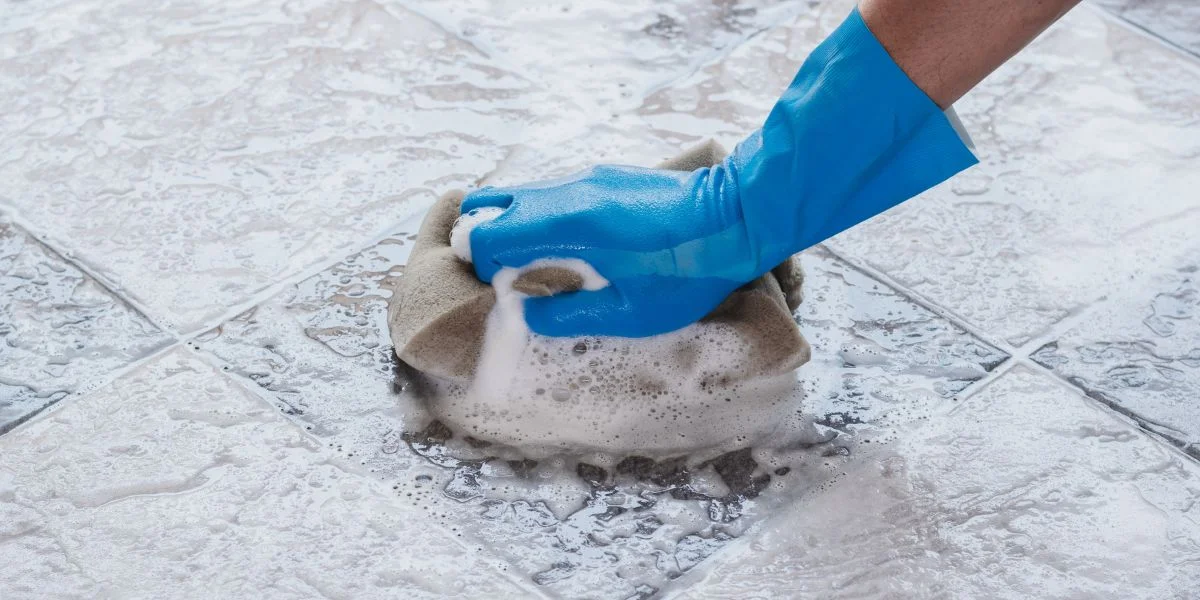
Use a mild cleaning solution made of warm water and a few drops of dish soap. Apply it directly to the stain and gently scrub with a soft brush or sponge.
If the stain persists, try a paste of baking soda and water. Spread it on the stain, let it sit for 10 minutes, then scrub lightly. Always rinse the area well to avoid residue.
Deep Cleaning Methods
For a thorough clean, mix equal parts of white vinegar and warm water in a spray bottle. Spray generously over the tiles and let it sit for 5–10 minutes to break down grime and grease.
Use a stiff brush to scrub the grout lines, as dirt tends to accumulate there. Rinse with clean water and dry with a microfiber cloth to avoid water spots.
Consider using steam cleaners occasionally—they sanitize and lift dirt without harsh chemicals. Do you know how much buildup a deep clean can prevent over time?
:max_bytes(150000):strip_icc()/GettyImages-1543972551-262a8d8a3129466c9c1a98e6cda506c7.jpg)
Credit: www.marthastewart.com
Quick Cleaning Tips
Keeping your kitchen floor tiles clean doesn’t have to take hours. With the right quick cleaning habits, you can maintain a fresh and spotless floor every day. These simple tips help you avoid tough stains and grout buildup without much effort.
Daily Maintenance
Start by sweeping or vacuuming your kitchen floor tiles every day. This removes crumbs and dust before they settle into grout lines or cause scratches. A quick sweep only takes a few minutes but prevents dirt from becoming stubborn.
Next, wipe up spills immediately with a damp cloth or mop. Spills left unattended can stain tiles or make grout sticky and hard to clean later. Have a spray bottle with a mild cleaner handy so you can tackle messes as they happen.
Do you notice water spots or streaks on your tiles after mopping? Try using a microfiber mop or cloth for drying. It’s amazing how much shinier your floor looks with just a quick dry wipe.
Weekly Routine
Once a week, give your kitchen floor a deeper clean. Mix warm water with a few drops of a gentle floor cleaner or dish soap. Mop the tiles thoroughly, focusing on grout lines where dirt tends to hide.
Use an old toothbrush or small scrub brush on grout areas if you spot any discoloration. This targeted scrubbing keeps grout looking fresh without harsh chemicals. Rinse the floor with clean water afterward to remove any leftover cleaner.
Consider adding a natural freshener like a few drops of lemon or tea tree oil to your cleaning solution. It helps eliminate odors and leaves a subtle, pleasant scent. What’s your favorite natural ingredient to add to cleaning water?
Preventing Future Dirt And Stains
Keeping kitchen floor tiles clean is easier with smart prevention. Dirt and stains cause damage and look bad. Preventing them saves time and effort. Use simple actions daily. These steps protect your tiles and keep them shiny longer.
Protective Measures
Place mats at doorways to catch dirt and dust. Use rugs near sinks to avoid water stains. Clean spills immediately to stop stains from setting. Avoid harsh chemicals that can damage tile surfaces. Use gentle cleaners made for tiles. Apply sealant to grout lines to prevent stains and moisture. This keeps grout strong and easy to clean.
Regular Inspections
Check tiles often for cracks or chips. Repair small damage quickly to avoid bigger problems. Look under appliances and furniture for hidden dirt. Clean these areas regularly to stop buildup. Inspect grout for discoloration or mold. Clean grout with a brush and mild cleaner. Regular checks keep your floor in top shape and extend its life.
Maintaining Tile Grout
Maintaining tile grout is essential for keeping your kitchen floor looking fresh and clean. Grout tends to trap dirt, stains, and bacteria, which can make your tiles appear dull and unhygienic over time. Taking care of grout not only improves the appearance but also extends the life of your tile flooring.
Grout Cleaning Solutions
Choosing the right grout cleaner makes a big difference. You can find many commercial grout cleaners, but simple household items like baking soda and vinegar work well too. Mix baking soda with water to create a paste, apply it to the grout, then spray vinegar on top and scrub gently with a brush.
For tough stains, a toothbrush or a grout brush helps reach narrow spaces effectively. Avoid harsh chemicals that can damage grout or tile surfaces. Regular cleaning every week prevents buildup and keeps grout looking bright.
Sealing Grout
Sealing grout protects it from stains, moisture, and mold. After cleaning and drying your grout, apply a grout sealer with a small brush or applicator. Sealers create a protective barrier that reduces dirt absorption and makes future cleaning easier.
How often should you seal grout? It depends on the traffic in your kitchen, but generally, resealing every 6 to 12 months works well. If you notice water stops beading on your tiles or grout, it’s time to reseal. This simple step saves you from deep cleaning and grout repair later on.
Safety Precautions While Cleaning
Cleaning kitchen floor tiles might seem straightforward, but safety should never take a backseat. Harsh chemicals and slippery surfaces can create hazards if you’re not careful. Taking simple precautions protects your health and keeps the cleaning process smooth and worry-free.
Using Gloves And Masks
Always wear gloves to shield your hands from strong detergents and grime. Gloves prevent skin irritation and reduce the risk of allergic reactions.
Wearing a mask is equally important, especially when using chemical-based cleaners. Masks help you avoid breathing in harmful fumes that can cause headaches or respiratory issues.
Have you noticed how a quick cleanup without gloves sometimes leaves your skin dry or itchy? That’s a sign you need proper protection.
Ventilation Tips
Open windows and doors to let fresh air circulate while cleaning. Good airflow dilutes chemical vapors and keeps the room fresh.
Using a fan can speed up ventilation, pushing out harmful fumes faster. Avoid cleaning in a closed space to reduce dizziness or nausea.
If you’re wondering how to keep your kitchen smelling clean without harsh air fresheners, proper ventilation is your best friend.
Credit: www.abt.com
Frequently Asked Questions
What Is The Best Cleaning Solution For Kitchen Floor Tiles?
The best cleaning solution is a mixture of warm water and mild dish soap. Avoid harsh chemicals to protect tile surfaces. For tough stains, use a vinegar and water solution. Always rinse tiles with clean water afterward to prevent residue buildup.
How Often Should Kitchen Floor Tiles Be Cleaned?
Kitchen floor tiles should be cleaned at least once a week. Daily sweeping or vacuuming helps remove dirt and debris. Promptly wipe spills to prevent stains. Deep clean monthly to maintain tile shine and hygiene.
Can Vinegar Damage Kitchen Floor Tiles?
Vinegar is safe for most tiles like ceramic and porcelain. Avoid vinegar on natural stone tiles, as it can cause etching. Always dilute vinegar with water before use. Test on a small area first to ensure it doesn’t harm the tile.
What Tools Are Best For Cleaning Kitchen Floor Tiles?
Use a soft-bristle broom or vacuum for dry cleaning. A mop with microfiber or sponge heads works well for wet cleaning. Avoid abrasive scrubbers that can scratch tiles. A grout brush helps clean tile joints effectively.
Conclusion
Cleaning kitchen floor tiles does not have to be hard. Use gentle cleaners and a soft brush for best results. Regular care keeps tiles looking fresh and new. Avoid harsh chemicals that can damage the surface. Wipe spills quickly to prevent stains and buildup.
A clean kitchen floor makes your home feel brighter and healthier. Simple steps and a little effort make a big difference. Keep your tiles shining and enjoy a pleasant kitchen every day.
