
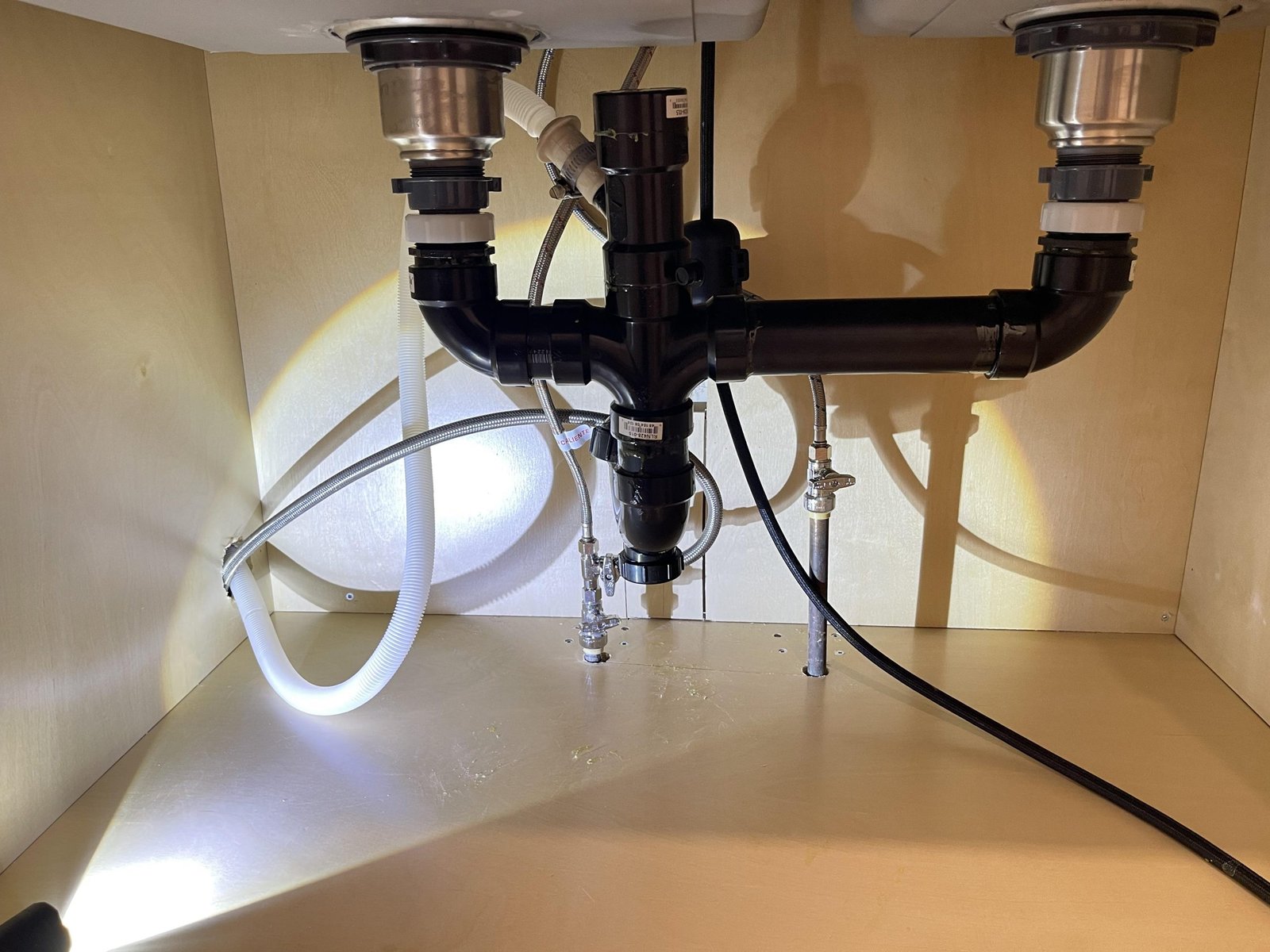
Have you ever opened the cabinet under your kitchen sink and wondered what all those pipes do? Understanding the pipes beneath your sink can save you time, money, and a lot of frustration.
Whether you’re dealing with a slow drain, a leak, or just want to know how your plumbing works, knowing what’s under there is key. You’ll discover simple explanations and helpful tips that make those confusing pipes easy to understand. Keep reading—you’ll feel more confident and ready to tackle common sink problems like a pro.

Credit: www.reddit.com
Common Pipe Types
Kitchen sink pipes come in various materials, each with its own benefits and uses. Knowing the types helps in repairs and upgrades. The common pipe types are PVC, copper, and galvanized steel. Each type suits different needs and budgets.
Pvc Pipes
PVC pipes are made from plastic. They are lightweight and easy to install. PVC resists corrosion and does not rust. It works well for drain and waste lines. These pipes are affordable and widely used in modern kitchens.
Copper Pipes
Copper pipes last long and handle hot water well. They resist bacteria and do not corrode easily. Copper is more expensive than PVC. Plumbers prefer copper for supply lines under the sink. It also adds value to your home.
Galvanized Steel Pipes
Galvanized steel pipes are strong and durable. They have a zinc coating to prevent rust. Over time, they can corrode inside and clog pipes. These pipes were common in older homes. Many homeowners replace them with newer materials for better water flow.
Signs Of Pipe Problems
Pipe problems under a kitchen sink can cause many troubles. Spotting early signs helps avoid big repairs. Watch for changes in how your pipes behave. Small issues can quickly turn into costly damage. Learn the common signs that indicate pipe problems.
Leaks And Drips
Water stains or puddles under the sink signal leaks. Dripping sounds even when no water runs are a warning. Leaks waste water and can damage cabinets. Check pipes regularly for moisture or corrosion. Fix leaks promptly to prevent mold and wood rot.
Unpleasant Odors
Bad smells near the sink often come from pipe issues. Stagnant water or clogs cause odors to build up. Rotten egg or sewer-like smells mean a possible sewer gas leak. Clean and inspect pipes to remove blockages and odors. Keep air fresh and your kitchen healthy.
Slow Drainage
Water that drains slowly shows pipe blockage or damage. Food scraps and grease often clog kitchen pipes. Slow drainage can lead to backups and overflows. Use a plunger or drain cleaner to clear minor clogs. Persistent slow drains need professional inspection and repair.
Routine Cleaning Tips
Keeping the pipes under your kitchen sink clean helps prevent bad smells and leaks. Routine cleaning also stops blockages from forming. Regular care saves money on repairs and keeps water flowing smoothly. Follow these simple tips to maintain your pipes easily.
Clearing Clogs
Slow drains often mean clogs. Remove debris by hand or use a plunger. Pour hot water down the drain to break up grease. A drain snake can reach and clear stubborn blockages. Regularly clearing clogs keeps water draining fast and prevents backups.
Using Natural Cleaners
Natural cleaners protect pipes and the environment. Baking soda and vinegar create a fizzy reaction that cleans pipes well. Pour baking soda into the drain, then add vinegar. Let it sit for 15 minutes, then flush with hot water. Lemon juice also helps remove odors and buildup.
Avoiding Harsh Chemicals
Harsh chemicals can damage pipes and harm the environment. Avoid using strong drain cleaners often. These chemicals may cause pipe corrosion or leaks over time. Choose gentle cleaning methods instead. Protect your plumbing and keep your home safe.

Credit: www.lowes.com
Preventive Maintenance
Preventive maintenance keeps kitchen sink pipes working smoothly. It stops small problems from turning into big repairs. Regular checks save money and avoid leaks. Simple actions extend pipe life and improve water flow.
Checking For Corrosion
Look under the sink for rust or greenish stains on pipes. Corrosion weakens metal pipes and causes leaks. Use a flashlight to see hard spots. Touch pipes to feel for rough or soft areas. Early detection helps prevent pipe failure. Replace any corroded parts quickly to avoid water damage.
Tightening Loose Connections
Loose pipe joints cause drips and water waste. Check all connections by hand to see if they move. Use a wrench to tighten nuts gently. Avoid overtightening, which can crack fittings. Regular tightening keeps pipes sealed and secure. Pay attention to drain pipes and supply lines.
Installing Strainers
Strainers catch food and debris, stopping clogs. Place strainers in sink drains to trap particles. Clean strainers daily to keep water flowing. Strainers protect pipes and reduce blockages. They are an easy, low-cost tool for pipe care.
When To Call A Professional
Knowing when to call a professional plumber for issues under your kitchen sink can save time and prevent damage. Some problems need expert tools and skills to fix safely and correctly. Ignoring certain signs can lead to costly repairs and water damage. Here are key situations that require professional help.
Persistent Leaks
Small leaks can be fixed with DIY methods. But persistent leaks need a plumber’s attention. Constant dripping wastes water and raises bills. Leaks under the sink may hide mold growth. Professionals find the exact leak source fast. They use proper tools to fix or replace pipes.
Major Blockages
Slow drains can clear with simple plunging or cleaning. Major blockages under the sink often need professional service. Blockages can cause water backup and bad odors. Plumbers use special equipment to remove tough clogs. Attempting to clear big blockages yourself can damage pipes.
Pipe Replacement Needs
Old or damaged pipes require replacement to avoid leaks. Signs include corrosion, cracks, or frequent leaks. A professional evaluates pipe condition accurately. They recommend the best materials for replacement. Proper pipe installation prevents future plumbing problems. DIY pipe replacement risks improper fitting and leaks.

Credit: www.lowes.com
Frequently Asked Questions
What Pipes Are Typically Found Under A Kitchen Sink?
Under a kitchen sink, you’ll find a drain pipe, a trap (P-trap), and supply lines. The drain pipe removes wastewater. The P-trap prevents sewer gases from entering your home. Supply lines bring hot and cold water to the faucet.
Why Is The P-trap Important Under The Sink?
The P-trap holds water, creating a seal that blocks sewer gases. It also catches debris, preventing clogs deeper in the plumbing. This simple pipe is essential for both hygiene and plumbing functionality in your kitchen.
How Do I Fix A Leaking Pipe Under The Sink?
First, identify the leak source. Tighten loose connections using a wrench. If the pipe is cracked or damaged, replace the faulty section. Always turn off the water supply before repairs to avoid flooding and further damage.
Can I Replace Pipes Under The Kitchen Sink Myself?
Yes, with basic plumbing knowledge and tools, you can replace pipes. Ensure you shut off the water supply first. Follow safety guidelines and use proper materials. For complex issues, consulting a professional plumber is recommended to avoid damage.
Conclusion
Pipes under a kitchen sink play a key role in your home’s plumbing. Knowing their parts helps you spot problems fast. Regular checks can prevent leaks and clogs. Fixing small issues early saves time and money. Simple care keeps your kitchen running smooth.
Understanding these pipes makes repairs easier and less stressful. Keep an eye on them to avoid water damage. A little knowledge goes a long way with plumbing. Take care of your sink pipes for a hassle-free kitchen.
