

Is your kitchen sink clogged again? It’s frustrating when water won’t drain, and dishes start piling up.
You want a quick, easy fix that doesn’t require calling a plumber or using harsh chemicals. What if you could solve this problem yourself, saving time and money? You’ll discover the best way to unclog your kitchen sink using simple tools and methods anyone can follow.
Keep reading, and you’ll be back to a smoothly draining sink before you know it.
Common Causes Of Sink Clogs
Understanding the common causes of kitchen sink clogs helps you tackle blockages more effectively. Knowing what typically blocks your drain can prevent frustration and save you time and money. Let’s look at the usual suspects that cause sink clogs and how they build up over time.
Food Particles And Grease
Food scraps often sneak into the drain, especially bits of vegetables, rice, or coffee grounds. These particles stick together and create a dense barrier inside your pipes. Grease is even trickier—it might start as liquid but solidifies as it cools, coating the pipe walls and trapping debris.
Have you noticed slow drainage after cooking a greasy meal? That’s grease hardening inside your pipes. Avoid pouring oil or fat down the drain to keep your sink flowing freely.
Soap Scum Buildup
Soap scum forms when soap mixes with minerals in water, leaving behind a filmy residue. Over time, this residue accumulates and narrows the pipe’s opening. It often goes unnoticed until water begins to back up.
Regular cleaning can reduce soap scum buildup, but if ignored, it combines with other debris to create stubborn clogs. Consider using liquid soap instead of bar soap to minimize scum formation.
Foreign Objects
It’s easy for small items to accidentally fall into your sink—think jewelry, bottle caps, or even small utensils. These objects can lodge in the drain or trap other debris around them. The result? A blockage that stops water in its tracks.
Have you ever fished out an unexpected item from your drain? Being careful about what goes down your sink prevents such blockages. Use a drain strainer to catch foreign objects before they cause trouble.
Quick Fixes For Minor Clogs
Minor clogs in your kitchen sink can be frustrating, especially when you need a quick solution. These blockages often result from food scraps, grease buildup, or soap residue. Luckily, you can often clear them without calling a plumber or using harsh chemicals.
Boiling Water Method
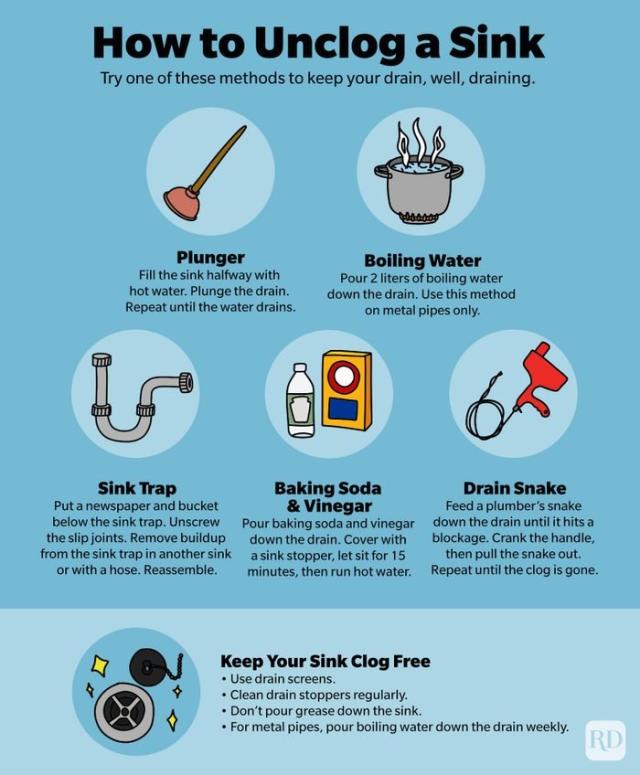
Pouring boiling water down your drain can help dissolve grease and soap scum causing the clog. Use about two to three cups of boiling water, but do it slowly in stages, allowing the hot water to work through the blockage.
This method works best for grease-related clogs. If you’ve ever noticed slow drainage after cooking bacon or frying, boiling water can clear the pipes effectively.
Baking Soda And Vinegar
This natural duo creates a fizzing reaction that helps break down buildup inside your drain. Start by pouring half a cup of baking soda into the drain, followed by half a cup of vinegar.
Cover the drain with a plug or a wet cloth to keep the reaction focused inside. After 15-20 minutes, flush it with hot water. This method is safe and eco-friendly, making it a great option for regular maintenance.
Plunger Technique
A plunger isn’t just for toilets; it’s a powerful tool for minor sink clogs too. Make sure there’s enough water in the sink to cover the plunger’s cup for a good seal.
Place the plunger over the drain and pump vigorously several times. The pressure can dislodge food particles or grease causing the blockage. You might be surprised how quickly this simple tool gets your sink flowing again.
Using Chemical Drain Cleaners Safely
Using chemical drain cleaners can be a quick fix when your kitchen sink is clogged. However, these products come with their own set of dangers and require careful handling. Knowing how to use them safely ensures you clear the clog without damaging your pipes or harming yourself.
Types Of Drain Cleaners
There are mainly three types of chemical drain cleaners you might find in stores:
- Caustic Cleaners:These contain substances like lye or sodium hydroxide. They dissolve grease and hair by breaking them down chemically.
- Oxidizing Cleaners:These release oxygen to break down organic materials. They often contain bleach or peroxides.
- Acidic Cleaners:These have strong acids like sulfuric or hydrochloric acid. They work fast but are highly corrosive.
Choosing the right type depends on your clog’s nature and pipe material. Using the wrong cleaner can damage your plumbing or make the problem worse.
Precautions And Risks
Before using any chemical drain cleaner, ask yourself if your pipes are old or fragile. These products can cause corrosion, especially in metal pipes.
Always wear gloves and eye protection. Splashing chemicals can cause serious burns or eye injuries.
Never mix different types of cleaners. Combining chemicals can produce dangerous fumes or explosions.
If the clog is severe, chemical cleaners might not work and could make it harder for a plumber to fix later. Have you ever poured cleaner down the drain only to find the clog worse the next day? That’s a sign to try mechanical methods instead.
Remember to ventilate the area well. Chemical fumes can irritate your lungs and eyes.
Credit: www.housedigest.com
Manual Methods For Stubborn Clogs
Stubborn kitchen sink clogs can be frustrating, especially when simple solutions like plunging don’t work. Manual methods let you tackle the problem directly, giving you control and saving you a call to the plumber. These hands-on approaches often reveal hidden blockages and let you clear them out completely.
Removing And Cleaning The P-trap
The P-trap is the curved pipe under your sink that traps debris and prevents sewer gases from coming up. Over time, it can fill with gunk causing a clog. You’ll need a bucket and a wrench to get started.
Begin by placing the bucket beneath the P-trap to catch any water or debris. Then, loosen the slip nuts on both ends of the trap carefully. Once removed, inspect the pipe for buildup like hair, grease, or food scraps.
Cleaning the P-trap can be surprisingly satisfying—you get to see exactly what was causing the clog. Use an old toothbrush or cloth to scrub the inside clean. Before reattaching, check the washers and threads for wear to avoid leaks.
Using A Drain Snake Or Auger
If the clog is deeper than the P-trap, a drain snake or auger can reach further down the pipe. These flexible tools twist through the drain to break up or pull out blockages. You can buy manual drain snakes at most hardware stores.
Insert the snake slowly into the drain, turning the handle clockwise. You’ll feel resistance when you hit the clog—don’t force it. Instead, twist and push gently to break up the debris or snag it.
After you feel the clog release, pull the snake out slowly, removing any trapped material. Flush the drain with hot water to clear remaining residues. Have you ever been surprised by what came out after a good snaking?
Preventing Future Clogs
Preventing future clogs in your kitchen sink saves you time, money, and a lot of frustration. It’s not just about fixing a clog once it happens but changing daily habits to keep your pipes clear. Small, consistent actions can make a big difference in avoiding blockages.
Proper Disposal Habits
What you put down the drain matters more than you might think. Avoid pouring grease, oil, or fat into the sink because they solidify and trap food particles. Instead, collect grease in a container and throw it in the trash.
Scrape leftover food into the trash or compost bin before washing dishes. Coffee grounds, eggshells, and fibrous vegetable peels also cause buildup and slow drainage. If you use a garbage disposal, run cold water while it’s on to flush debris through the pipes.
Regular Maintenance Tips
Simple maintenance routines keep your sink flowing freely. Pouring boiling water down the drain once a week can dissolve minor grease buildup and soap residue. You can also use a mixture of baking soda and vinegar to clean the pipes naturally.
- Start with half a cup of baking soda.
- Follow with half a cup of vinegar.
- Let it fizz for 10-15 minutes.
- Flush with hot water.
Check your sink’s trap regularly and clear out any caught debris. Have you noticed slow drainage after certain meals? That’s a sign to increase your maintenance efforts. What small habit can you change today to protect your pipes tomorrow?

Credit: www.drano.ca
When To Call A Professional
Knowing when to call a professional plumber can save you time, money, and frustration. Some sink clogs are simple to fix with basic tools, but others signal deeper plumbing problems that require expert attention. Ignoring these signs can lead to costly damage and extended downtime in your kitchen.
Signs Of Serious Plumbing Issues
Have you noticed water backing up in multiple drains or persistent foul odors? These could be signs of a main sewer line blockage rather than a simple kitchen sink clog. Slow draining sinks that refuse to clear after multiple attempts also indicate a problem beyond your reach.
Other warning signs include:
- Gurgling noises coming from the drain
- Water pooling under the sink cabinet
- Repeated clogs within a short period
- Visible leaks or corrosion on pipes
If these symptoms sound familiar, professional help is necessary to diagnose and fix the root cause effectively.
Choosing The Right Plumber
Picking a plumber isn’t just about finding the cheapest option. You want someone reliable, experienced, and transparent. Check online reviews and ask for recommendations from friends or neighbors to find a trusted expert.
When you contact a plumber, ask about:
- Licensing and insurance status
- Experience with kitchen sink and drainage issues
- Guarantees or warranties on their work
- Availability for emergencies
Trust your gut—does the plumber communicate clearly and answer your questions fully? A good plumber will help you understand the problem and the steps needed to fix it without jargon or pressure.
Credit: www.aol.com
Frequently Asked Questions
How Do I Quickly Unclog A Kitchen Sink?
Use a plunger to create suction and dislodge the clog. For tougher blockages, apply a baking soda and vinegar mix, then flush with hot water. Avoid harsh chemicals to protect your pipes and environment.
What Household Items Help Unclog Kitchen Sinks?
Baking soda, vinegar, and boiling water are effective and safe. Use a plunger or a drain snake for stubborn clogs. Avoid chemical drain cleaners as they can damage pipes and harm the environment.
Can A Kitchen Sink Clog Be Fixed Without Chemicals?
Yes, mechanical methods like plunging or using a drain snake work well. Homemade solutions like baking soda and vinegar also clear minor clogs naturally. These methods protect your pipes and are environmentally friendly.
How Often Should I Clean My Kitchen Sink Drain?
Clean your drain monthly to prevent buildup and clogs. Use baking soda and vinegar followed by hot water. Regular maintenance keeps drains flowing smoothly and avoids costly repairs.
Conclusion
Clogged kitchen sinks cause big problems at home. Use simple tools like a plunger or baking soda and vinegar. These methods clear most blockages fast. Avoid harsh chemicals that can harm pipes and health. Regular cleaning helps keep drains flowing well.
Acting early stops small clogs from growing. A clear sink makes cooking and cleaning easier. Try these easy steps to keep your kitchen sink working smoothly.
