
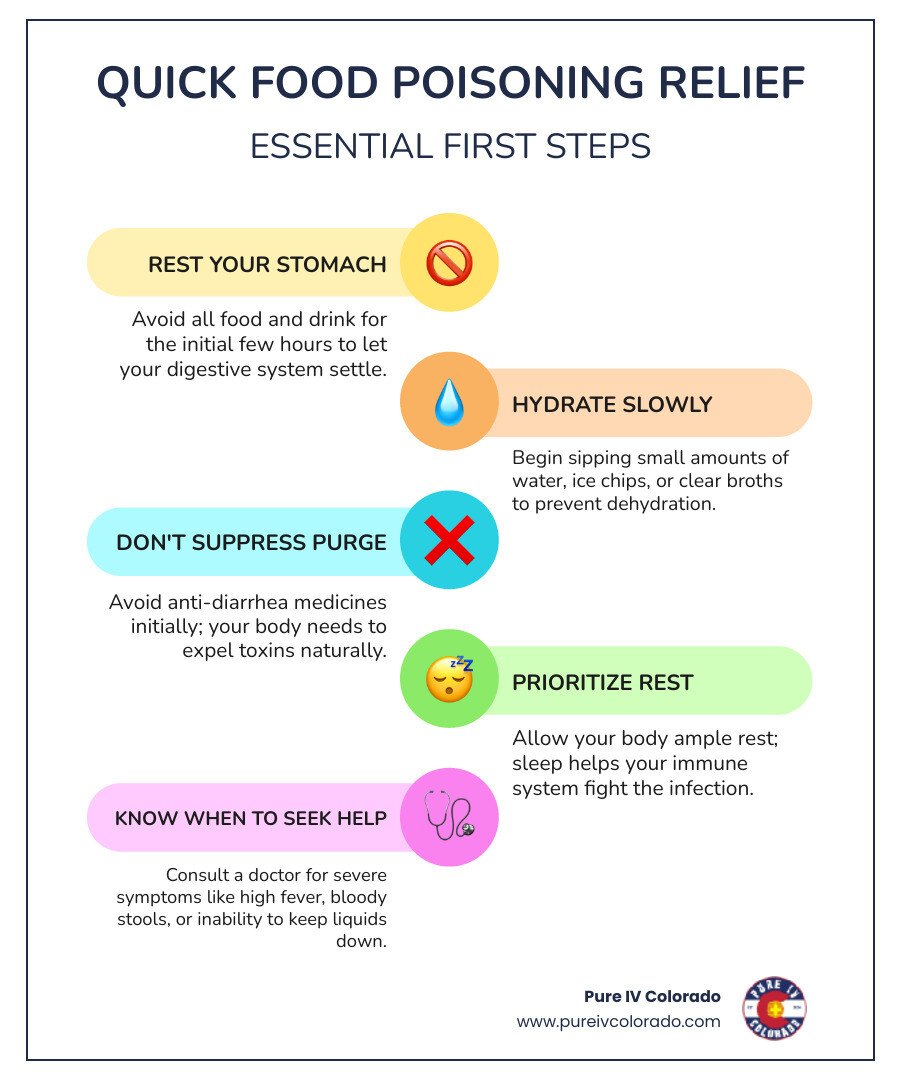
If you’re dealing with loose stool after a food-borne issue, you know how uncomfortable and disruptive it can be. You want quick relief and clear steps to help your body recover safely.
The good news is, there are simple, effective ways to treat this problem at home. You’ll discover the best methods to ease your symptoms and restore your digestive health. Keep reading to find out how to feel better faster and avoid common mistakes that can slow your recovery.
Your comfort and well-being matter—and the right approach can make all the difference.
Causes Of Loose Stool After Food Borne Illness
Loose stool after a food borne illness is more than just an inconvenience—it’s your body’s way of reacting to harmful invaders in your digestive system. Understanding what causes this symptom can help you manage it better and know when to seek help. Let’s break down the reasons behind loose stools following a food borne infection.
Common Food Borne Pathogens
Several bacteria, viruses, and parasites can cause food borne illnesses that lead to loose stools. Some of the most common culprits include:
- Salmonella:Often found in undercooked poultry and eggs, it can cause diarrhea and abdominal cramps.
- E. coli:Certain strains produce toxins that irritate the gut lining, leading to watery stools.
- Norovirus:A highly contagious virus known for causing sudden outbreaks of vomiting and diarrhea.
- Campylobacter:Commonly linked to contaminated poultry, it triggers inflammation in the intestines.
- Giardia:A parasite spread through contaminated water, causing prolonged loose stools.
Each pathogen affects your digestive system differently, but the result is often the same: your body tries to flush out the invaders quickly, leading to loose stool.
How Infection Affects Digestion
When harmful microbes enter your gut, they disrupt normal digestion. They can damage the cells lining your intestines, reduce your ability to absorb water and nutrients, and cause inflammation.
This irritation speeds up the movement of food through your digestive tract, preventing proper absorption. As a result, stools become loose and watery.
Have you noticed how sometimes even after the infection clears, your digestion feels off? That’s because your gut needs time to heal and restore its normal function.
Duration Of Symptoms
The length of time you experience loose stools depends on the type of pathogen and your overall health. Mild cases often resolve within a few days.
However, some infections can cause symptoms lasting several weeks, especially if the gut lining remains inflamed or if secondary issues like lactose intolerance develop.
Tracking your symptoms closely can help you decide when to get medical advice. If loose stools persist beyond two weeks or worsen, it’s a sign your body needs extra support.
Credit: medium.com
Hydration Strategies
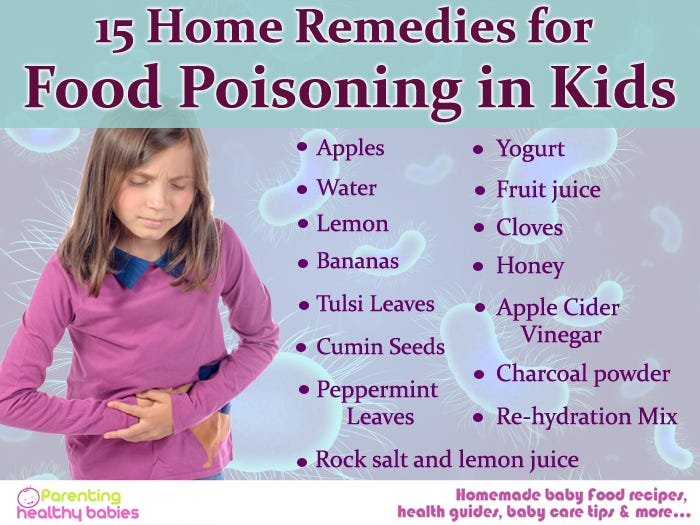
Drinking plenty of clear fluids helps replace lost water and minerals after loose stools. Oral rehydration solutions work best to restore balance quickly. Avoid sugary or caffeinated drinks that can worsen dehydration.
Hydration Strategies Treating loose stool after a food-borne issue requires more than just resting the stomach. One of the most effective ways to recover from diarrhea is by replenishing fluids and electrolytes. This is where hydration strategies come into play. Importance of Replenishing Fluids Fluids are essential for replacing lost water and electrolytes in the body. Dehydration can lead to serious complications, including kidney damage, seizures, and even death. Drinking enough fluids helps to prevent dehydration and promotes the healing process. Oral Rehydration Solutions Oral rehydration solutions are designed to replace lost fluids and electrolytes. These solutions are usually available over-the-counter and contain a mix of water, salt, and sugar. They are effective in treating mild to moderate dehydration. To use an oral rehydration solution, mix the powder with water according to the instructions and drink it slowly over a period of time. Natural Hydrating Drinks In addition to oral rehydration solutions, there are several natural hydrating drinks that can help to replenish fluids. Some of these include:- Coconut water: A natural source of electrolytes, coconut water can help to replenish fluids and promote hydration.
- Clear broth: Clear broth is a gentle way to replenish fluids and electrolytes. It’s easy to digest and can help to replace lost salts.
- Herbal teas: Herbal teas, such as peppermint and chamomile, can help to soothe the stomach and promote hydration.
- Fruit juice: Fruit juice, such as apple or grape juice, can help to replenish fluids and provide essential nutrients.
Dietary Adjustments
Adjusting your diet plays a crucial role in managing loose stools caused by foodborne issues. Choosing the right foods helps soothe your digestive system and restore balance. Eating gentle, easy-to-digest foods supports recovery and prevents irritation. Avoiding certain foods reduces symptoms and discomfort.
Brat Diet Benefits
The BRAT diet includes bananas, rice, applesauce, and toast. These foods are bland and low in fiber. They help firm up stools and reduce diarrhea. Bananas provide potassium, which helps replace lost electrolytes. Rice and toast add bulk to the stool. Applesauce soothes the stomach and offers mild sweetness. This diet is simple and effective during recovery.
Foods To Avoid
- Spicy foods irritate the digestive tract and worsen symptoms.
- Fried and fatty foods slow digestion and increase discomfort.
- Dairy products can be hard to digest after foodborne illness.
- Caffeinated drinks stimulate the gut and cause dehydration.
- Alcohol dehydrates the body and damages the stomach lining.
- High-fiber vegetables like broccoli and beans may increase gas and bloating.
Probiotic-rich Foods
Probiotics support healthy gut bacteria and improve digestion. Yogurt with live cultures is a good source. Kefir, a fermented milk drink, also aids recovery. Sauerkraut and kimchi provide beneficial bacteria but may irritate some people. Probiotic supplements can help if food sources are limited. These foods restore balance and reduce diarrhea duration.
:max_bytes(150000):strip_icc()/HDC-IsIt-the-Stomach-Flu-or-Food-Poisoning-565872471b0541e5a425f4f24900a363.jpg)
Credit: www.health.com
Over-the-counter Remedies
Dealing with loose stool after a food-borne illness can be uncomfortable and disruptive. Over-the-counter remedies often provide quick relief, helping you regain control over your digestive system. Knowing which options to choose and how to use them safely can make a big difference in your recovery process.
Anti-diarrheal Medications
Anti-diarrheal drugs like loperamide (Imodium) and bismuth subsalicylate (Pepto-Bismol) are popular choices for controlling loose stools. They work by slowing down bowel movements, giving your intestines more time to absorb fluids. If your stool is watery and frequent, these medications can reduce urgency and discomfort.
However, these meds are not a cure for infections. If you notice symptoms like high fever, blood in stool, or severe abdominal pain, avoid anti-diarrheals and seek medical advice. Have you ever tried these medications and felt unsure about their use? Understanding when they help and when they don’t is crucial.
When To Use Laxatives
While it might sound odd to consider laxatives for loose stool, sometimes constipation follows diarrhea during recovery. Your digestive system can become sluggish, causing discomfort and bloating. In such cases, gentle laxatives like stool softeners or fiber supplements can help normalize bowel movements.
Use laxatives only if you experience constipation symptoms after diarrhea subsides. Avoid harsh stimulant laxatives unless recommended by your healthcare provider. Have you noticed constipation after a bout of food poisoning? Timing your use of laxatives carefully can prevent prolonging digestive issues.
Safety Considerations
Always read labels and follow dosage instructions on over-the-counter remedies. Overusing anti-diarrheals can lead to complications like toxic megacolon, especially if an infection is still active. Similarly, excessive laxative use may cause dependency or worsen your condition.
Keep hydration a priority—medications alone won’t fix fluid loss caused by diarrhea. If symptoms persist beyond a few days or worsen, consult a healthcare professional. Your body’s signals are important; never ignore persistent or severe symptoms.
Home Remedies And Natural Treatments
Dealing with loose stool after a foodborne issue can feel uncomfortable and disruptive. While medical treatment is important for severe cases, gentle home remedies and natural treatments often help soothe your digestive system and restore balance. These approaches focus on calming your gut and replenishing good bacteria, making recovery smoother and more natural.
Herbal Teas And Supplements
Herbal teas can be a comforting way to ease digestive distress. Peppermint tea helps relax your intestinal muscles and reduce cramping. Chamomile tea offers anti-inflammatory effects and can calm irritation in your gut lining.
Supplements like zinc and probiotics support your immune system and help rebuild healthy gut flora. Have you noticed how a warm cup of tea can sometimes bring instant relief? That simple comfort can make a significant difference during recovery.
Ginger And Turmeric
Ginger is well-known for its ability to reduce nausea and promote digestion. Sipping ginger tea or chewing a small piece of fresh ginger may help reduce bowel spasms and inflammation. Turmeric contains curcumin, a natural anti-inflammatory compound that can soothe your irritated intestines.
Adding a pinch of turmeric to warm milk or water can be an easy way to get its benefits. Do you find it challenging to keep inflammation under control? These spices offer natural support without harsh side effects.
Yogurt And Fermented Foods
Yogurt with live cultures is a top choice for restoring your gut’s balance after diarrhea. The probiotics in yogurt help repopulate good bacteria that food poisoning may have wiped out. Other fermented foods like kimchi, sauerkraut, and kefir also provide beneficial bacteria.
Try including a small serving of these foods daily to support your digestion. Have you tried fermented foods before? Their tangy taste might be a pleasant surprise while helping your gut heal.
When To Seek Medical Help
Knowing when to seek medical help for loose stool after a food-borne issue is crucial. Most cases improve with simple care at home. Some signs show the need for prompt medical attention. Early action can prevent serious problems and speed recovery.
Signs Of Dehydration
Dehydration is a common risk with loose stool. Watch for these signs:
- Dry mouth and lips
- Dark yellow urine or no urine for hours
- Dizziness or lightheadedness
- Rapid heartbeat or breathing
- Sunken eyes or cheeks
Seek help immediately if dehydration signs appear.
Persistent Symptoms
Loose stool lasting more than three days needs medical review. Also note:
- Severe stomach pain or cramps
- High fever above 101°F (38.3°C)
- Blood or mucus in stool
- Repeated vomiting or inability to keep liquids
These symptoms suggest the infection may be serious or worsening.
Complications To Watch For
Food-borne illnesses can cause complications. Look out for:
- Severe weakness or fatigue
- Confusion or difficulty focusing
- Swelling or redness in the abdomen
- Persistent chills or sweating
Early diagnosis and treatment prevent long-term damage.
Credit: www.drberg.com
Frequently Asked Questions
What Is The Best Home Remedy For Loose Stool After Food Poisoning?
Hydration is key; drink plenty of water and oral rehydration solutions. Eat bland foods like bananas, rice, and toast. Avoid dairy and spicy foods until symptoms improve.
How Long Does Loose Stool Last After A Foodborne Illness?
Loose stool typically lasts 2 to 3 days after foodborne illness. If symptoms persist beyond a week, consult a healthcare professional for evaluation.
When Should I See A Doctor For Loose Stool Post Foodborne Issue?
Seek medical help if you have severe dehydration, high fever, blood in stool, or diarrhea lasting more than seven days. These symptoms may indicate complications.
Can Probiotics Help Treat Loose Stool After Food Poisoning?
Yes, probiotics can restore healthy gut bacteria and improve digestion. Taking probiotic supplements or eating yogurt may reduce the duration of loose stool.
Conclusion
Treating loose stool after a food-borne issue needs care and patience. Drink plenty of fluids to stay hydrated. Eat light, easy-to-digest foods like bananas and rice. Avoid spicy or greasy meals until you feel better. Rest helps your body fight the infection.
If symptoms last more than a few days, see a doctor. Taking simple steps early can help you recover faster. Your gut will heal with time and proper care. Stay mindful of what you eat to prevent future problems. Health comes first—listen to your body’s needs.
