
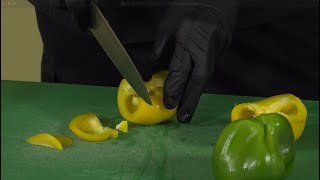
If you love cooking with chili peppers, mastering your knife skills is a game changer. Cutting seed chili peppers can be tricky, but with the right technique, you’ll save time and avoid the mess.
Plus, you’ll keep your fingers safe and get perfectly sliced chilies every time. Ready to learn how to handle these fiery little peppers like a pro? Keep reading, because your cooking just got a whole lot better.
Choosing The Right Knife
Choosing the right knife is key to cutting seed chili peppers safely and effectively. A good knife helps you slice through the chilies with ease and precision. It also protects your fingers from accidental cuts. The right knife can make your prep work faster and more enjoyable.
Best Knife Types For Chili Cutting
- Paring Knife:Small and sharp, perfect for detailed work and peeling.
- Santoku Knife:Wide blade with a sharp edge, ideal for slicing and dicing.
- Chef’s Knife:Versatile and sturdy, works well for larger chilies and bulk cutting.
Choose a knife that feels comfortable in your hand. A sharp blade reduces crushing the chili and keeps seeds intact.
Knife Maintenance Tips
- Keep your knives sharp with regular honing or sharpening.
- Wash knives by hand immediately after use, then dry them well.
- Store knives in a block or on a magnetic strip to protect the blade.
- Avoid cutting on hard surfaces like glass or stone to prevent dulling.
Well-maintained knives last longer and cut better. This means safer and cleaner cuts for your chili peppers.
Prepping Seed Chili Peppers
Prepping seed chili peppers properly is the foundation of safe and effective knife work. The way you clean and handle chilies affects both your cooking experience and the final dish’s flavor. Taking a few extra moments to prepare your chilies carefully can save you from unwanted heat surprises and messy hands.
Cleaning And Washing Chilies
Start by rinsing your seed chili peppers under cold running water. This removes dirt, dust, and any pesticide residue that might be on the skin. Gently rub each chili with your fingers to ensure all surfaces are clean.
After washing, pat the chilies dry with a clean kitchen towel or paper towel. Moisture on the peppers can make them slippery and harder to cut safely. Have you ever noticed how a wet chili can suddenly slip and cause a nick? Keeping them dry helps you maintain control.
Removing Stems Safely
Hold the chili firmly but gently with one hand. Use a sharp paring knife to cut off the stem end, cutting just below the green cap. Avoid squeezing too hard, or the chili might release its seeds and juices unexpectedly.
Be cautious not to touch your face or eyes after handling chilies. The oils can cause irritation or burning sensations. Wearing gloves is a good idea if you’re sensitive, but washing hands thoroughly with soap immediately after prep works just as well.
Cutting Techniques
Mastering the right cutting techniques for seed chili peppers can change your cooking experience. The way you cut chilies affects not only the presentation but also the flavor and heat intensity in your dish. Let’s break down some practical ways to handle these fiery peppers safely and efficiently.
Slicing Vs. Dicing Chilies
Slicing chili peppers creates long, thin strips that work well in stir-fries or garnishes. Dicing, on the other hand, chops them into small, uniform pieces perfect for sauces or salsas.
Think about the texture and heat distribution you want. Slices release less heat per bite, while diced chilies spread the heat more evenly throughout the dish. Try both methods with the same chili to see how the flavor changes.
Removing Seeds Efficiently
Seeds hold a lot of the chili’s heat, so removing them can control spice levels. Cut the chili lengthwise and gently scrape out the seeds using the back of your knife or a small spoon.
Be thorough but gentle to avoid bruising the flesh, which can cause uneven heat release. If you want a milder flavor, remove the white membrane too—it carries much of the heat.
Avoiding The Heat: Protecting Your Hands
Chili oils can cause burning sensations on your skin, so protecting your hands is crucial. Wearing disposable gloves is the simplest way to avoid irritation.
If gloves aren’t handy, rub a little vegetable oil on your hands before handling chilies; it creates a barrier that reduces skin absorption. And always wash your hands thoroughly with soap afterward—don’t touch your face until then.

Credit: www.yahoo.com
Precision Tips For Consistent Cuts
Cutting seed chili peppers evenly is more than just a neat trick—it affects cooking time and flavor distribution. Precision in your cuts means every piece cooks at the same rate and releases the right amount of heat and flavor. Let’s look at how small changes in your technique can make a big difference in consistency.
Proper Hand Positioning
Your hand placement sets the foundation for control. Keep your fingers curled slightly inward, holding the chili firmly but not too tight. This balance helps prevent slipping and keeps your cuts straight and even.
Think about how your knife moves with each slice. A steady hand position lets you guide the blade smoothly without jerking or wobbling. This control is vital, especially with small, slippery peppers.
Using The Claw Grip
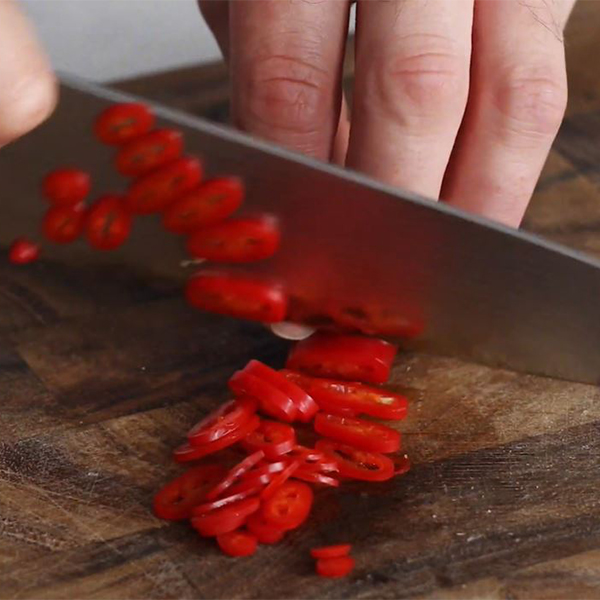
The claw grip is a simple yet powerful way to protect your fingers and improve precision. Curl your fingertips inward and rest the knuckles against the knife’s side as a guide. This method keeps your fingers safe and helps maintain consistent cutting angles.
Have you noticed how much faster and safer your chopping becomes once your hand forms this claw shape? It might feel awkward at first, but with practice, it becomes second nature and boosts your cutting confidence.
Maintaining Uniform Sizes
Consistency means cutting each chili piece to the same size. Focus on making deliberate, measured cuts instead of rushing through. This approach ensures even cooking and a balanced flavor in every bite.
- Use the tip of your knife to start each cut and draw the blade through the pepper smoothly.
- Keep your knife angle steady to avoid uneven slices.
- Pause briefly between cuts to check size and adjust if needed.
Ask yourself: how does the size of each chili piece affect your dish’s heat and texture? Paying attention to this detail can elevate your cooking from good to great.
Handling Heat And Safety
Cutting seed chili peppers requires more than just sharp knives and steady hands. The heat from chilies can linger on your skin and cause discomfort or even pain if not handled properly. Knowing how to manage this heat safely will protect you and make your cooking experience more enjoyable.
Wearing Gloves
Always wear disposable gloves before handling seed chili peppers. Gloves create a barrier that prevents the chili oils from coming into direct contact with your skin. This simple step can save you from the burning sensation that often follows touching your face or eyes.
If you don’t have gloves, try using a plastic bag as a makeshift glove. It’s not as effective but better than nothing. Have you ever rubbed your eyes after cutting chilies? That quick moment can turn into hours of discomfort.
Dealing With Chili Oil On Skin
Chili oil can be stubborn and hard to wash off with just soap and water. If you feel a burning sensation, rinse your hands with cold milk or rub a little yogurt on the affected area. The fat in dairy products helps neutralize the capsaicin, the compound that causes the heat.
Another trick is using vegetable oil or olive oil to break down the chili oil before washing your hands again. Avoid using hot water; it can open your pores and make the burning worse.
Cleaning Up After Cutting
After cutting chilies, clean your knife and cutting board right away. Use hot, soapy water to remove oils that can transfer heat to other foods. If you use a wooden cutting board, scrub it well because the oils can soak in.
Don’t forget to wash your gloves off or dispose of them properly. Clean your countertops and any surfaces the chili touched to avoid accidental contact later. Are you sure your kitchen is completely safe after chopping those fiery peppers?
Credit: www.lecreuset.ca
Storing Cut Chilies
After you’ve sliced your seed chili peppers, proper storage is key to preserving their flavor and heat. Cut chilies can lose their freshness quickly if not stored correctly, turning your vibrant ingredients into dull, useless bits. How you store them depends on how soon you plan to use them.
Short-term Storage Options
If you want to use your cut chilies within a few days, keep them fresh by placing them in an airtight container or a resealable plastic bag. Adding a dry paper towel inside helps absorb excess moisture, which prevents spoilage.
Store the container in the refrigerator’s crisper drawer where the temperature is more consistent. You’ll notice that properly stored cut chilies can stay crisp and flavorful for up to a week. Have you tried this? It really extends their shelf life without losing much heat.
Freezing For Long-term Use
Freezing cut chilies is a smart move if you want to keep them for months. Spread the pieces out on a baking sheet and freeze them individually before transferring them to a freezer-safe bag. This keeps them from sticking together.
Frozen chilies won’t have the same crunch, but their flavor and heat remain strong, making them perfect for cooked dishes. Next time you chop a large batch, freeze what you won’t use immediately—you’ll thank yourself when you need a quick spice boost.

Credit: www.epicgardening.com
Frequently Asked Questions
How Do I Safely Cut Seed Chili Peppers?
To cut seed chili peppers safely, wear gloves to protect your skin. Use a sharp knife and cut off the stem. Slice the chili lengthwise, then scrape out the seeds carefully with the knife tip or a spoon.
What Knife Is Best For Cutting Seed Chilies?
A small, sharp paring knife is ideal for cutting seed chilies. It offers control and precision for removing seeds without damaging the pepper’s flesh. Avoid large or dull knives, which can crush or slip.
How To Avoid Chili Pepper Seeds Sticking To Hands?
Wear disposable gloves or oil your hands before handling chili seeds. This creates a barrier that prevents the seeds’ oils from sticking. Wash hands thoroughly with soap after cutting to remove any residual heat.
Can I Reuse Seeds From Cut Chili Peppers?
Yes, you can reuse seeds from cut chili peppers if they are fresh and dry. Store them in a cool, dry place for planting or seasoning. Old or wet seeds may lose viability and flavor.
Conclusion
Mastering knife skills for cutting chili peppers is essential. It enhances your cooking experience. Safe cutting prevents kitchen mishaps. Always use a sharp knife. Hold the chili firmly. Slice slowly for precision. Remove seeds for less heat. Practice makes perfect.
Enjoy creating flavorful dishes. Experiment with different chili types. Spice up your meals effortlessly. Share your creations with friends. Cooking becomes more enjoyable. Knife skills improve with time. Keep learning and trying new techniques. Cutting chilies can be fun. Your culinary journey is just beginning.
Embrace the process. Happy cooking!
