
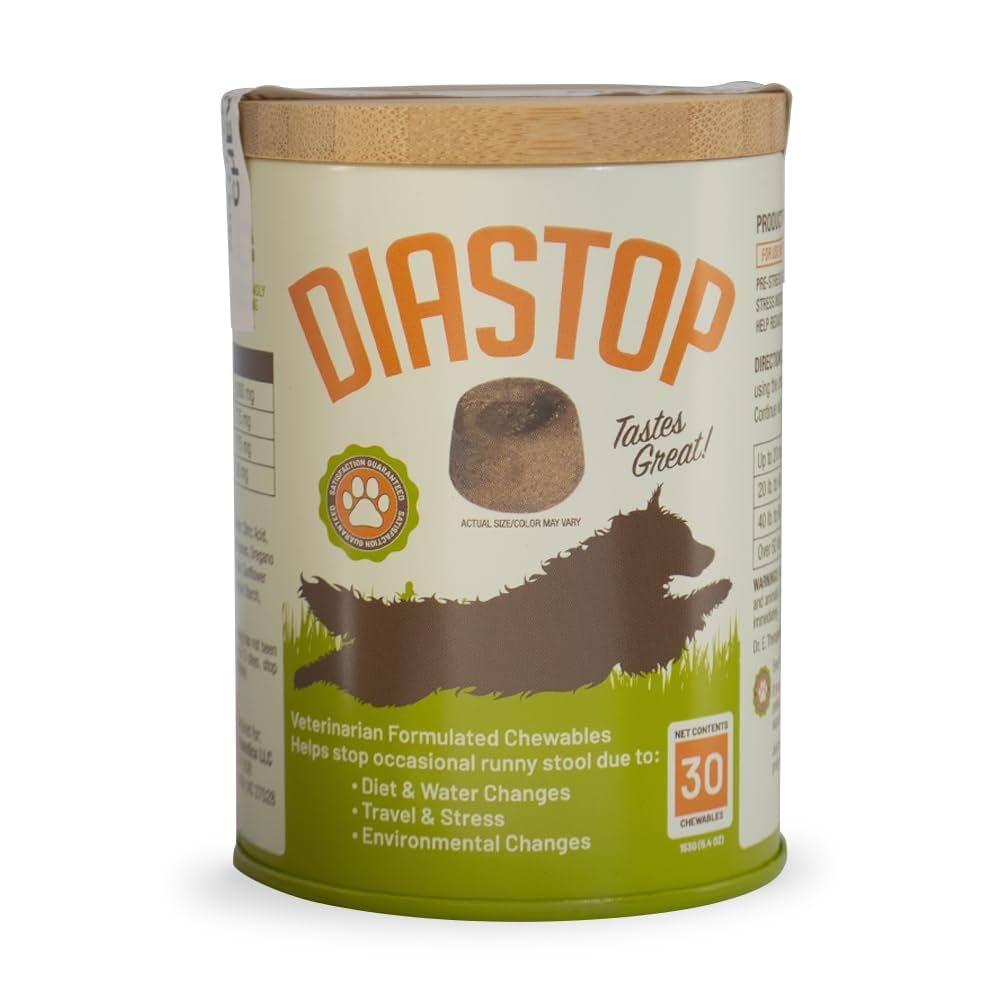
If your dog is struggling with loose stools, you know how worrying and frustrating it can be. You want to help your furry friend feel better quickly, but choosing the right dog food can be confusing.
The good news is, the right diet can make a huge difference in improving your dog’s digestion and overall health. You’ll discover what kind of dog food is best for loose stools, so you can make confident choices that support your dog’s well-being every day.
Keep reading to find simple, effective solutions that work.
Causes Of Loose Stools In Dogs
Loose stools in dogs can be frustrating for both you and your furry friend. Understanding what causes this issue is crucial before deciding on the best dog food to help manage it. Various factors, from diet to health and even stress, can lead to digestive upset.
Dietary Triggers
Your dog’s diet plays a major role in their stool consistency. Sudden changes in food or introducing new treats can upset their stomach.
Some ingredients like dairy, artificial additives, or high-fat foods might cause loose stools. Have you noticed your dog reacting poorly after eating a certain treat or human food?
Food allergies or intolerances can also be silent culprits. Identifying and avoiding these triggers often helps improve their digestion quickly.
Health Issues
Loose stools can be a sign of underlying health problems. Parasites, infections, or inflammatory bowel disease are common causes to watch for.
Sometimes, conditions like pancreatitis or liver disease affect how your dog processes food, leading to diarrhea. Regular vet check-ups can catch these issues early.
If your dog’s loose stools persist despite dietary changes, you should consider a thorough health evaluation. Ignoring this might worsen the problem or mask serious illnesses.
Stress And Environment
Stress is often overlooked but can greatly impact your dog’s digestion. Changes such as moving to a new home or loud noises can cause loose stools.
Your dog’s environment plays a role too. Exposure to new animals, unfamiliar places, or even changes in routine can trigger digestive upset.
How does your dog react during stressful events? Managing their stress with calming routines or safe spaces can improve their gut health and reduce loose stools.
Key Nutrients For Digestive Health
Digestive health is crucial for dogs with loose stools. The right nutrients support gut function and improve stool quality. Certain ingredients help calm the digestive system and promote nutrient absorption. Understanding these key nutrients can guide you in selecting the best dog food.
Fiber Types And Benefits
Fiber helps regulate digestion and stool consistency. Soluble fiber absorbs water and softens stool. Insoluble fiber adds bulk and moves waste through the gut. Both types support healthy digestion and prevent diarrhea. Common fiber sources include pumpkin, beet pulp, and oats.
Probiotics And Prebiotics
Probiotics are good bacteria that balance the gut flora. They improve digestion and reduce harmful bacteria. Prebiotics feed these beneficial bacteria and help them grow. Together, they enhance nutrient absorption and strengthen the immune system. Look for dog food containing these ingredients for better gut health.
Protein Sources
Protein quality affects digestion and stool health. Easily digestible proteins reduce stress on the gut. Novel proteins like duck or venison are less likely to cause allergies. Avoid common allergens such as beef or chicken if your dog is sensitive. Balanced protein helps maintain muscle without upsetting digestion.
Best Dog Food Types For Loose Stools
Choosing the right dog food can help reduce loose stools and improve digestion. Some types of food focus on gentle ingredients that support gut health. Others avoid common irritants or offer special formulas for sensitive tummies. Finding the best fit depends on your dog’s unique needs and health.
Limited Ingredient Diets
Limited ingredient diets use fewer ingredients to reduce food sensitivities. They often contain one protein source and one carbohydrate source. This simplicity helps identify and avoid allergens. These diets support easier digestion and reduce gut irritation. They are ideal for dogs with food sensitivities or allergies.
Grain-free Options
Grain-free dog foods exclude grains like wheat, corn, and rice. Some dogs have trouble digesting these grains, which can cause loose stools. Grain-free diets use alternative carbs such as potatoes or peas. They may improve stool consistency for dogs with grain intolerance. These options suit dogs needing a grain-free diet for better digestion.
Prescription Diets
Prescription diets are specially made by veterinarians to target digestive issues. These formulas often contain prebiotics and probiotics to support gut health. They may have highly digestible proteins and controlled fiber levels. Prescription diets help manage chronic diarrhea and loose stools. Always consult your vet before starting a prescription diet.

Credit: www.hillspet.com
Top Dog Food Brands To Consider
Choosing the right dog food can make a big difference when your dog struggles with loose stools. Some brands focus on gentle ingredients that support digestion and overall gut health. Knowing which brands and types to trust can help you make a confident choice for your furry friend.
Highly Rated Commercial Brands
Several commercial dog food brands have earned praise for their formulas designed to ease digestive issues. Brands like Hill’s Science Diet and Blue Buffalo Basics offer limited ingredient diets that reduce the risk of food sensitivities causing loose stools.
These foods often include easily digestible proteins such as turkey or salmon and avoid common allergens like corn or soy. Have you checked if your current dog food lists too many ingredients that could upset your dog’s stomach?
Vet-recommended Formulas
Veterinarians often suggest specialized diets for dogs with sensitive digestion. Prescription brands like Royal Canin Gastrointestinal and Purina Pro Plan Veterinary Diets focus on balancing fiber and prebiotics to promote healthy stool consistency.
These formulas are backed by research and tailored to manage symptoms like diarrhea or chronic loose stools. If you haven’t consulted your vet yet, could this be the next step to improve your dog’s digestive health?
Homemade And Raw Food Choices
Some dog owners find success switching to homemade or raw diets to control digestive problems. Preparing meals with plain boiled chicken, rice, and pumpkin can soothe your dog’s stomach and firm up stools.
Raw food diets that include fresh meats and natural enzymes might also help some dogs digest better. Are you comfortable preparing meals at home, or would you prefer quality commercial options that meet your dog’s needs?
Tips For Transitioning Dog Food Safely
Changing your dog’s food requires care to avoid stomach upset. A smooth transition helps your dog adjust easily. It reduces the risk of loose stools and digestive problems. Patience and attention are key during this time. Follow these tips to switch your dog’s food safely and keep their tummy happy.
Gradual Switching Process
Start by mixing a small amount of new food with the old. Increase the new food gradually over 7 to 10 days. For example:
- Days 1-3: 25% new food, 75% old food
- Days 4-6: 50% new food, 50% old food
- Days 7-9: 75% new food, 25% old food
- Day 10: 100% new food
This slow change gives your dog’s digestive system time to adapt. It helps prevent diarrhea and loose stools.
Monitoring Your Dog’s Response
Watch your dog closely during the switch. Look for signs like:
- Changes in stool consistency
- Vomiting or gas
- Loss of appetite or lethargy
If your dog seems uncomfortable, slow the transition. Give them more days with the old food mixed in. Keep notes to track their progress.
When To Consult A Vet
Contact a vet if loose stools persist beyond two weeks. Also seek help if your dog shows signs of dehydration or weight loss. A vet can check for allergies or infections. They may suggest special diets to improve digestion. Early advice can prevent serious health issues.
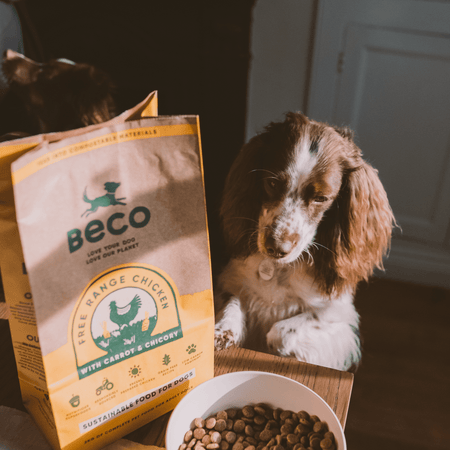
Credit: www.becopets.com

Credit: www.hillspet.com
Frequently Asked Questions
What Ingredients Help Prevent Loose Stools In Dogs?
Ingredients like pumpkin, rice, and probiotics support digestion and firm stools. Avoid fillers and artificial additives that irritate the gut. High-quality proteins and fiber also improve stool consistency and overall gut health.
Is Grain-free Dog Food Better For Loose Stools?
Grain-free food may help if your dog has grain allergies. However, not all dogs need grain-free diets. Consult a vet to determine if grains cause your dog’s loose stools before switching foods.
How Do Probiotics Improve Dog Digestion?
Probiotics restore healthy gut bacteria balance. They enhance nutrient absorption and reduce inflammation. Regular probiotics can reduce diarrhea and improve stool quality in dogs with digestive issues.
Can Homemade Dog Food Fix Loose Stools?
Homemade diets allow control over ingredients, reducing allergens and irritants. Balanced recipes with lean meats, rice, and vegetables can improve digestion. Always consult a vet to ensure nutritional completeness and safety.
Conclusion
Finding the best dog food for loose stools is crucial. It helps your dog’s digestion. Choose foods with high fiber and low fat. Check labels for natural ingredients. Avoid artificial additives and fillers. Consult your vet for tailored advice. They know your dog’s needs best.
Regularly monitor your dog’s stool. This helps track improvements. Adjust diet based on these observations. A healthy diet leads to a happy dog. They play more and feel better. Proper nutrition is key for overall wellbeing. Make informed choices for your furry friend.
Their health depends on it.
