
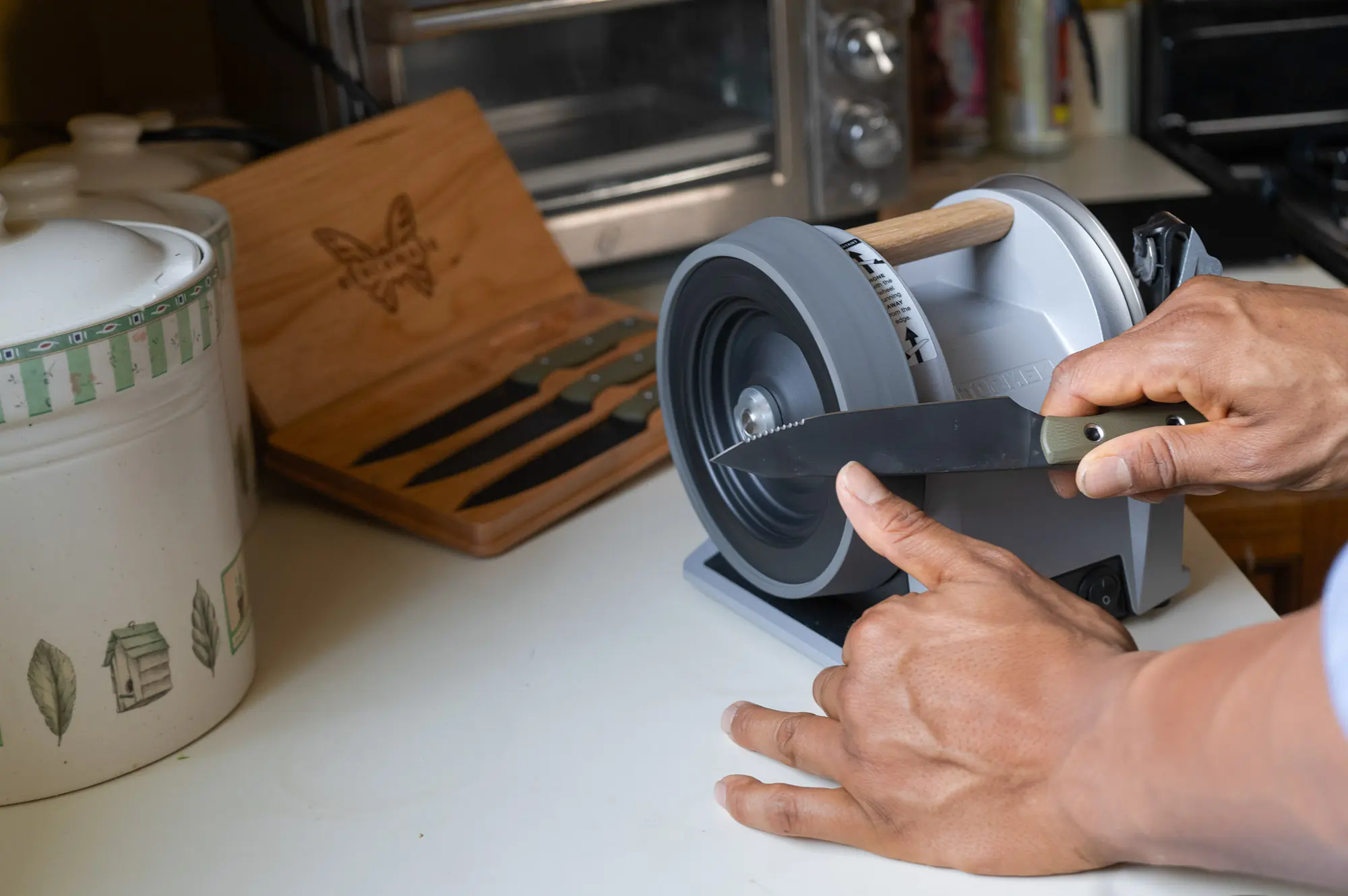
Are your kitchen knives struggling to cut through even the softest ingredients? A dull knife not only makes cooking frustrating but can also be unsafe.
You deserve tools that make your time in the kitchen easier and more enjoyable. Choosing the best knife sharpening tool for your kitchen can transform your cooking experience. You’ll discover which sharpening tools work best, so your knives stay razor-sharp and ready whenever you need them.
Keep reading to find the perfect match for your kitchen and bring back the joy of effortless cutting.
Credit: www.popsci.com
Types Of Kitchen Knife Sharpeners
Kitchen knives need regular sharpening to stay effective and safe. Different tools exist to sharpen knives, each with unique features. Understanding these types helps choose the best one for your kitchen needs.
Manual Sharpening Tools
Manual sharpeners are simple and easy to use. They often have fixed slots with abrasive materials. Pull the knife through these slots to sharpen the blade. These tools work fast and require little skill. They are affordable and great for quick touch-ups. However, they may not suit very dull or damaged knives.
Electric Sharpeners
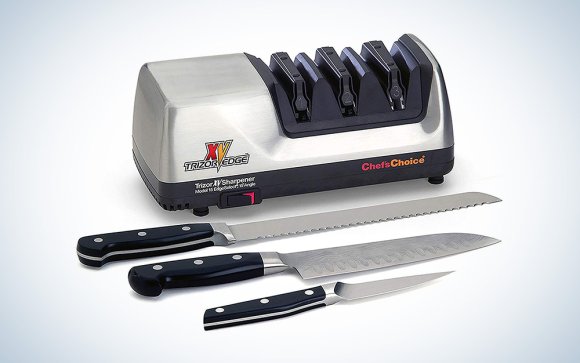
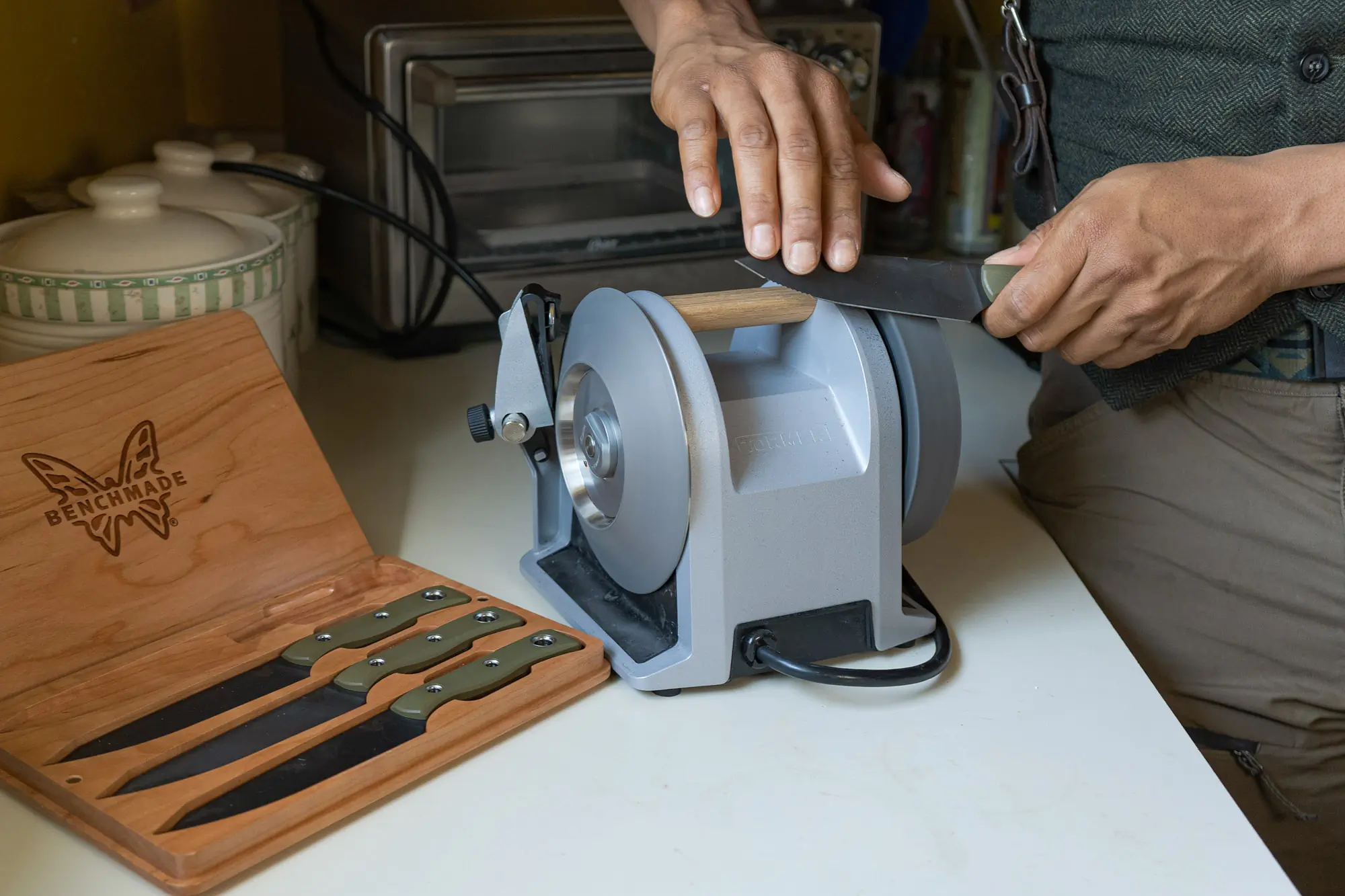
Electric sharpeners use motorized wheels to sharpen knives quickly. They usually have multiple stages for coarse and fine sharpening. These tools save time and effort. They provide consistent angles for sharpening. Electric sharpeners suit busy kitchens or people who want fast results. They tend to be more expensive and need power to operate.
Sharpening Stones
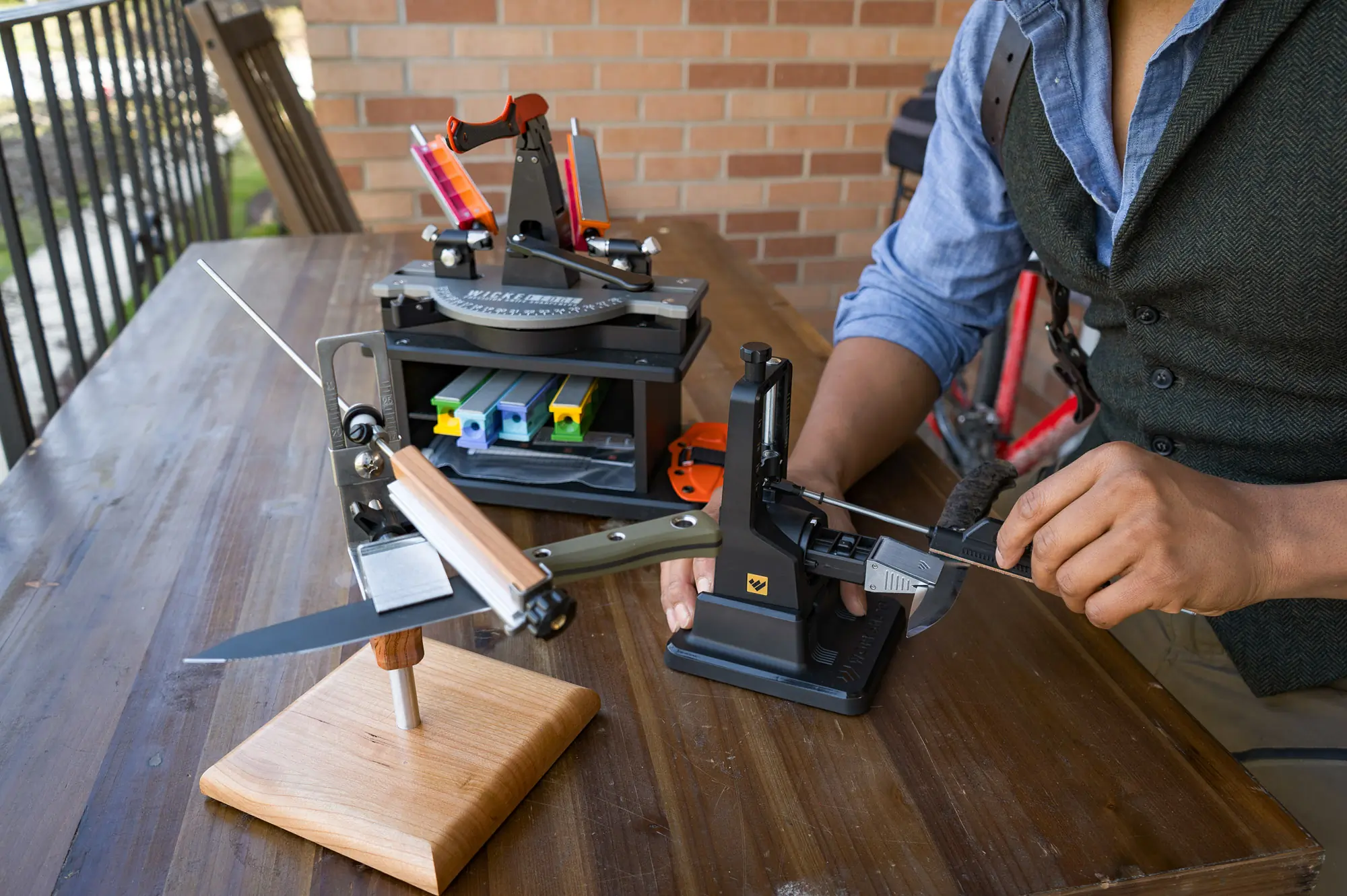
Sharpening stones are traditional tools used by chefs. They come in different grit levels, from coarse to fine. Use water or oil to lubricate the stone during sharpening. Stones require practice to maintain the correct angle. They offer excellent control and can restore very dull blades. These stones last long and improve knife edges beautifully.
Honing Rods
Honing rods do not sharpen but realign the knife edge. They keep knives sharp by fixing minor bends and folds. Use a honing rod regularly between sharpenings. They are easy to use and affordable. Honing rods maintain the blade’s performance and extend sharpening intervals. They come in steel, ceramic, or diamond-coated varieties.
Credit: gearjunkie.com
Key Features To Consider
Choosing the best knife sharpening tool for the kitchen depends on several key features. These features help ensure the tool fits your needs and sharpens your knives effectively. Understanding these factors makes the selection process easier and more confident.
Ease Of Use
A sharpening tool should be simple to operate. Clear instructions and ergonomic design improve user experience. Tools that require less effort save time and reduce frustration. Beginners benefit from straightforward mechanisms. Safe handling is vital to avoid accidents during sharpening.
Sharpening Speed
Speed matters in a busy kitchen. Fast sharpening tools help maintain blade edges quickly. Look for models that restore sharpness in a few passes. Tools offering adjustable speed settings provide more control. Efficient sharpening means you spend more time cooking, less time fixing knives.
Blade Compatibility
Not all knives have the same edge type or size. Choose a tool compatible with various blade styles. Some sharpeners work well on straight, serrated, or curved blades. Confirm the tool fits your knife’s thickness and length. Versatility ensures you sharpen all kitchen knives with one device.
Durability And Build Quality
A durable sharpening tool lasts longer and saves money. Look for materials like stainless steel or strong plastic. Quality construction resists wear and damage. Solid build ensures stable sharpening and consistent results. Check user reviews for real-world durability feedback.
Top Kitchen Knife Sharpeners In The Market
Finding the best kitchen knife sharpener can transform your cooking experience. A sharp knife makes prep work faster, safer, and more enjoyable. But with so many tools available, which one fits your needs and skill level?
Best Manual Sharpeners
Manual sharpeners offer control and simplicity. They usually come with preset angles, making them user-friendly even if you’ve never sharpened a knife before.
Look for models with multiple sharpening stages to handle dull blades and fine edges. I once used a compact manual sharpener that fit right in my drawer—perfect for quick touch-ups before dinner.
Brands like Lansky and Smith’s provide reliable options that don’t require electricity. Would you prefer a tool that’s easy to pack for camping or travel? Manual sharpeners might be your best bet.
Best Electric Sharpeners
Electric sharpeners save time and effort by automating the sharpening process. They’re ideal if you sharpen your knives frequently or have many blades to maintain.
Models with multiple sharpening slots let you progress from coarse grinding to honing in one go. One electric sharpener I tried brought my old knives back to life in minutes—no skill needed.
Consider brands like Chef’sChoice and Presto for durable, efficient options. How much time do you want to spend sharpening? Electric sharpeners can cut that down dramatically.
Best Sharpening Stones
Sharpening stones give you full control over the edge angle and finish. They require more skill but deliver superior results for enthusiasts and professionals.
Whetstones come in various grits; coarse stones repair chips, while fine stones polish edges. I spent hours mastering whetstone use, and now my knives slice as smoothly as new.
If you’re patient and want precision, stones from brands like King or Naniwa are excellent choices. Are you ready to invest time into developing sharpening skills for long-term benefits?
Best Honing Rods
Honing rods don’t sharpen but realign a knife’s edge between sharpenings. They’re essential for maintaining sharpness on a daily basis.
Made from steel, ceramic, or diamond-coated materials, honing rods vary in durability and effectiveness. I keep a ceramic rod handy and use it before every meal—it keeps my knives performing well without full sharpening.
Look for rods with comfortable handles and a length that suits your knives. How often do you currently maintain your knife edges? Adding a honing rod might extend the time between full sharpenings.
Credit: gearjunkie.com
Maintenance Tips For Sharpening Tools
Maintaining your knife sharpening tools is just as important as using them correctly. Proper care ensures they work effectively and last longer. Neglecting maintenance can dull the sharpener itself, making your knives harder to sharpen and possibly damaging them.
Cleaning Your Sharpener
After each use, wipe down your sharpener with a dry cloth to remove metal shavings and residue. Avoid using water unless the manufacturer says it’s safe, as moisture can cause rust or damage internal components. For ceramic or diamond sharpeners, gently brush away particles with a soft brush to keep the surface clean and ready for the next session.
Storage Recommendations
Store your sharpening tools in a dry, cool place away from kitchen moisture and heat. Keeping them in a dedicated drawer or a protective case prevents accidental damage and keeps them free from dust. Have you noticed how a sharpener left out on the counter collects grime quickly? A simple storage habit can save you from extra cleaning later.
When To Replace Sharpening Tools
Sharpener surfaces wear down over time, reducing their effectiveness. If you find your sharpener no longer improves your knife’s edge after several passes, it might be time for a replacement. Also, inspect for cracks, chips, or loose parts—signs that the tool can no longer sharpen safely or properly.
Sharpening Techniques For Optimal Results
Sharpening your kitchen knives effectively is about more than just the tool you use. The techniques you apply can make a big difference in how sharp your blade becomes and how long that sharpness lasts. Understanding the right angle, pressure, and process helps you get the best results every time.
Proper Angle And Pressure
Maintaining the correct angle is key to sharpening knives properly. Most kitchen knives require a sharpening angle between 15 and 20 degrees. Holding the blade at this angle ensures you remove just enough metal to create a sharp edge without damaging the blade.
Pressure matters too. Applying too much pressure can wear down the blade unevenly or cause nicks. Instead, use moderate, consistent pressure to gently reshape the edge. Think of it as guiding the blade rather than forcing it.
Step-by-step Sharpening Process
- Start by cleaning your knife to remove any dirt or residue.
- Position the blade on the sharpening tool at the correct angle.
- Draw the blade smoothly across the sharpener, moving from heel to tip.
- Repeat the motion evenly on both sides of the blade to keep the edge balanced.
- Test sharpness by carefully slicing through a piece of paper or tomato.
Would you believe that even a few uneven strokes can ruin the edge? That’s why patience and consistency are essential.
Common Mistakes To Avoid
- Sharpening at the wrong angle, which dulls the blade faster.
- Using excessive pressure that chips or bends the edge.
- Neglecting to sharpen both sides equally, causing an unbalanced blade.
- Rushing through the process without steady, controlled strokes.
- Failing to clean the knife before and after sharpening, which can grind in debris.
Have you ever noticed your knife feels worse after sharpening? One of these mistakes might be why.
Cost Vs. Performance
Choosing the right knife sharpening tool often boils down to balancing cost and performance. You want a sharp blade without overspending on features you might never use. But is the priciest tool always the best for your kitchen needs? Let’s break down what you get at different price points and how that impacts your everyday cooking.
Budget Options
Budget sharpening tools usually cost under $20 and include handheld sharpeners or simple sharpening stones. These are easy to use and perfect for quick touch-ups. If you cook occasionally or have only a few knives, these tools can keep your blades reasonably sharp without breaking the bank.
However, they may lack precision and durability. You might find yourself sharpening more often or struggling with very dull knives. Have you noticed how some cheap sharpeners wear down your blade unevenly? That’s a real drawback to consider.
Premium Models
Premium sharpeners often cost $50 or more and include electric sharpeners or high-quality whetstones. They offer consistent, precise sharpening and can handle a variety of blade types and sizes. If you value speed and professional-level sharpness, these tools deliver results that budget options can’t match.
On the downside, they can be bulky, require more maintenance, and sometimes come with a steep learning curve. You’ll want to ask yourself if the extra cost fits your kitchen routine or if it’s overkill for your needs. Is investing in a premium sharpener worth it if you rarely cook?
Long-term Value
Think about sharpening tools as an investment rather than a one-time purchase. Cheaper models might save you money upfront but could wear out quickly or damage your knives, leading to replacement costs. Premium tools, while expensive, often last longer and protect your blade’s integrity.
Consider how often you cook and how much you rely on sharp knives. A reliable sharpening tool can improve your cooking experience and save money on knife replacement in the long run. What’s your priority: immediate savings or lasting performance?
Safety Tips While Sharpening
Sharpening knives can be risky without proper care. Sharp blades cut better but also pose dangers. Following safety tips reduces the chance of accidents. Always focus and avoid rushing during sharpening. Keep your workspace clear and well-lit for better control.
Handling Sharp Blades
Hold knives firmly by the handle only. Avoid touching the blade edge with your fingers. Use a towel or cloth to clean blades carefully. Store sharpened knives in a safe place away from children. Move blades away from your body while sharpening.
Using Sharpeners Correctly
Read the instructions of your sharpening tool before use. Keep the sharpener stable on a flat surface. Draw the blade slowly and evenly across the sharpening surface. Use consistent pressure without forcing the blade. Sharpen each side of the blade equally for balance.
Protective Gear Recommendations
- Wear cut-resistant gloves to protect your hands.
- Use safety glasses to guard your eyes from metal shards.
- Keep a first aid kit nearby for quick response to cuts.
- Consider using a sharpening guide to maintain correct angles.
Frequently Asked Questions
What Is The Best Knife Sharpening Tool For Home Use?
A whetstone is ideal for home use. It sharpens knives precisely and evenly. It requires some practice but offers excellent results. It suits most kitchen knives and lasts a long time.
How Often Should I Sharpen My Kitchen Knives?
Sharpen kitchen knives every 2 to 3 months with regular use. Frequent sharpening keeps blades sharp and safe. Honing can be done weekly to maintain edges between sharpenings.
Can Electric Sharpeners Damage Kitchen Knives?
Electric sharpeners can damage knives if misused. Low-quality models may remove too much metal. Choose a sharpener with adjustable settings and use it gently for best results.
Are Manual Knife Sharpeners Better Than Electric Ones?
Manual sharpeners offer more control and precision. They suit various blade types and angles. Electric sharpeners provide speed but can reduce blade life. Choose based on skill level and knife type.
Conclusion
Choosing the right knife sharpening tool matters in the kitchen. Sharp knives make cooking easier and safer. Consider your needs before buying. Electric sharpeners work fast but cost more. Manual sharpeners are affordable and easy to use. Sharpening stones require skill but offer precision.
Each tool has pros and cons. Think about your budget and comfort. Try a few options to find the best fit. A sharp knife saves time and effort. Enjoy cooking with confidence and ease. Your kitchen experience improves with the right tool.
Happy cooking!
