
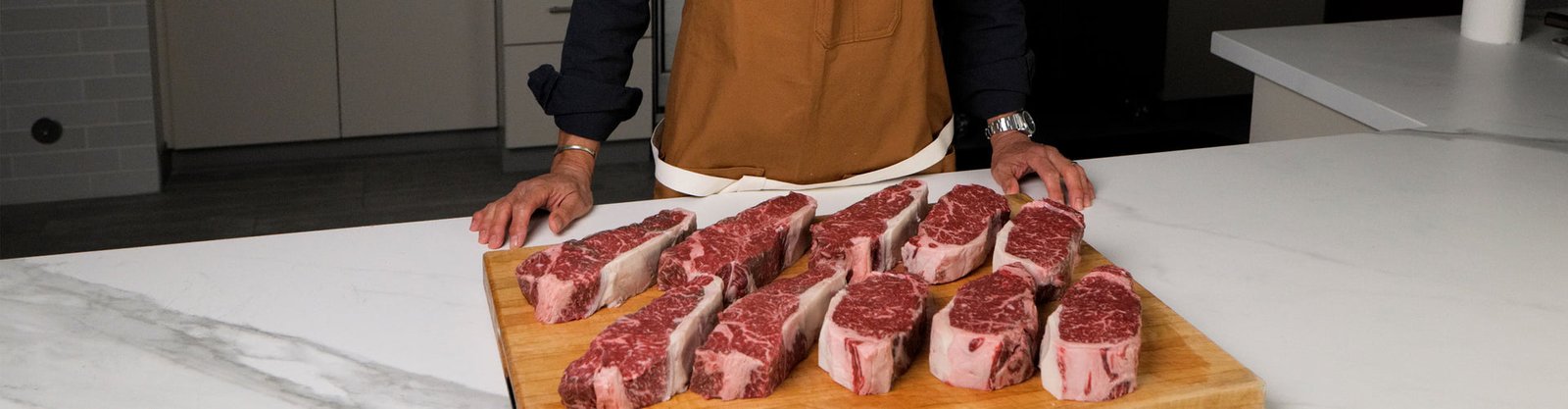
Are you ready to turn a whole strip of beef into perfect, juicy steaks right in your own kitchen? Mastering knife skills can seem tricky, but with the right technique, you’ll slice through meat like a pro.
Imagine serving steaks that are evenly cut, tender, and cooked just the way you like. In this guide, you’ll learn simple steps to sharpen your cutting skills and boost your confidence. Keep reading, and soon you’ll impress everyone with steaks that look and taste amazing every time.
Credit: www.mealpro.net
Choosing The Right Knife
Choosing the right knife is key to cutting a whole strip into perfect steaks. The right blade gives you control and precision, making the process safer and more efficient. It’s not just about having a sharp knife; the type and maintenance of your knife play huge roles in your cutting experience.
Best Knife Types For Steaks
Look for knives that offer both sharpness and stability. A chef’s knifewith a 8 to 10-inch blade works well for most cuts because of its versatility. Its weight and length help you slice through beef smoothly without tearing the meat.
A slicing knifeis another excellent choice. It has a thinner, longer blade that lets you make clean, thin cuts, ideal if you want evenly sized steaks. You might also consider a boning knifeif you need to trim fat or separate the strip from bones before slicing.
Think about the handle too. A comfortable grip reduces hand fatigue and gives you better control. Have you ever struggled with a slippery or awkward knife handle while cutting? Picking the right handle can make a big difference.
Knife Maintenance Tips
Keeping your knife sharp is crucial. A dull knife demands more force, increasing the risk of slips. Use a honing steel regularly to maintain the edge and sharpen the blade with a whetstone or professional service when needed.
Clean your knife immediately after use. Warm water and mild soap work best—avoid the dishwasher as it can damage the blade and handle. Dry it thoroughly to prevent rust and corrosion, especially if your knife has a carbon steel blade.
Store your knife properly to keep the edge intact. A magnetic strip or a knife block prevents contact with other utensils that can dull the blade. How often do you check your knife’s sharpness before starting to cut? Regular maintenance saves time and effort during your steak preparation.
Preparing The Strip Steak
Preparing the strip steak is key to slicing perfect, tender steaks. Start by making the meat ready for cutting. This process improves texture and taste. It also ensures even cooking and a better eating experience.
Trimming Excess Fat
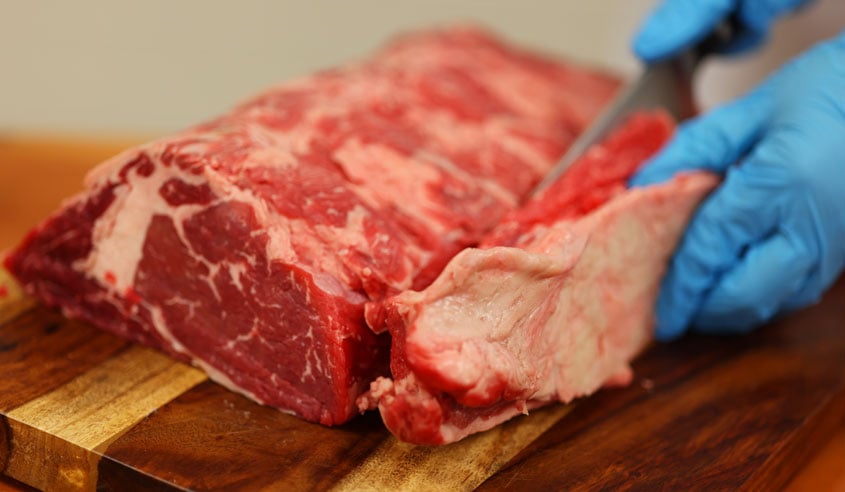
Strip steak often has thick fat edges. Trim these fat edges carefully. Use a sharp knife to cut close to the meat. Leave a thin layer of fat for flavor. Removing too much fat can dry out the steak. Trim uneven fat pieces to make steaks uniform.
Removing Silver Skin
Silver skin is a tough, shiny membrane on the meat. It does not break down when cooked. Locate the silver skin on the strip steak. Slide your knife under the membrane gently. Hold the skin tight and cut it away. Removing silver skin makes the steak more tender. It also stops the meat from curling during cooking.
Cutting Techniques
Mastering cutting techniques is essential when turning a whole beef strip into perfect steaks. How you slice affects the texture, tenderness, and overall eating experience. Getting these techniques right ensures each steak cooks evenly and tastes delicious.
Slicing Against The Grain
Cutting against the grain means slicing perpendicular to the muscle fibers. This shortens the fibers, making each bite easier to chew and more tender. Look closely at the meat to spot the direction of these fibers before you start cutting.
Sometimes the grain changes direction along the strip. Pay attention and adjust your angle to stay consistent. If you cut with the grain, the steaks will be tougher and stringy—something you want to avoid.
Consistent Thickness Tips
Keeping your steaks the same thickness is key for even cooking. Uneven pieces can lead to some steaks being overdone while others stay undercooked. Aim for about 1 to 1.5 inches thick for balanced cooking results.
Use a ruler or guide to measure each slice if you’re unsure. Holding the knife steady and using smooth, deliberate strokes helps maintain uniform thickness. Sharp knives also make a big difference—less force means more control.

Credit: www.instagram.com
Safety Measures
Handling a whole strip of beef to cut into steaks demands sharp focus on safety. A single slip can lead to injuries that slow you down or even stop your cooking session entirely. Paying close attention to safety measures protects your hands and keeps your kitchen a safe space for creativity.
Proper Hand Positioning
Your non-cutting hand must always keep the meat steady without being in the blade’s path. Curl your fingers inward, creating a claw shape to shield fingertips from the knife. This grip also gives you better control over the beef, reducing the risk of slips.
Have you noticed how easy it is to get distracted while cutting? Keeping your eyes on the task and your hand correctly positioned helps you avoid accidents. A steady hand means cleaner cuts and a safer experience.
Using A Stable Cutting Surface
Never cut on a slippery or unstable board. Place a damp cloth or non-slip mat under your cutting board to prevent movement. A stable surface gives you confidence and reduces the chance of the knife jumping unexpectedly.
Imagine trying to slice steaks on a board that slides—wouldn’t you feel nervous? A steady cutting surface helps you focus on precision instead of worrying about balance. Make this small adjustment, and watch your cutting skills improve while keeping your fingers safe.
Storing And Handling Steaks
Handling and storing your freshly cut steaks properly is just as important as slicing them correctly. If you don’t store them right, you risk losing flavor and texture before you even get to cook. Let’s look at how to keep your steaks fresh and ready for the perfect meal.
Ideal Storage Conditions
Steaks should be stored in the coldest part of your fridge, ideally between 32°F and 36°F (0°C to 2°C). Wrap them tightly in plastic wrap or butcher paper to prevent air exposure, which can dry out the meat.
Consider placing the wrapped steaks on a plate or shallow dish to catch any drips. If you plan to keep them longer than 3 days, freezing is your best option. Wrap steaks in foil or freezer paper and then place them in a freezer bag to protect against freezer burn.
Marinating Before Cooking
Marinating your steaks can add flavor and help tenderize the meat. Use a non-reactive container like glass or ceramic, and always marinate in the fridge to avoid bacteria growth.
Don’t leave steaks in the marinade for more than 24 hours; over-marinating can break down the texture too much. Have you experimented with acidic ingredients like vinegar or citrus in your marinades? They can make a noticeable difference in tenderness.

Credit: steakrevolution.com
Frequently Asked Questions
How Do You Cut A Whole Strip Into Steaks?
Start by chilling the strip for firmness. Use a sharp knife and slice against the grain. Cut evenly for uniform thickness.
What Knife Is Best For Cutting Beef Steaks?
A sharp chef’s knife or slicing knife works best. It ensures clean, precise cuts without tearing the meat.
How Thick Should Beef Strip Steaks Be Cut?
Strip steaks are typically cut 1 to 1. 5 inches thick. This thickness ensures even cooking and tender results.
Why Cut Against The Grain When Slicing Steaks?
Cutting against the grain shortens muscle fibers. This makes the steak more tender and easier to chew.
Conclusion
Mastering knife skills takes practice and patience. With your new knowledge, cutting beef strips is easier. Consistent slices ensure even cooking and better flavor. A sharp knife makes all the difference. Always prioritize safety while cutting. Knowing proper techniques boosts your confidence in the kitchen.
Invite others to enjoy the meals you prepare. Share your skills and tips with friends. Cooking brings people together, enriching every meal. Enjoy the satisfaction of creating delicious steaks. Keep practicing, and your skills will improve. Your culinary journey is just beginning.
Happy cooking!
