
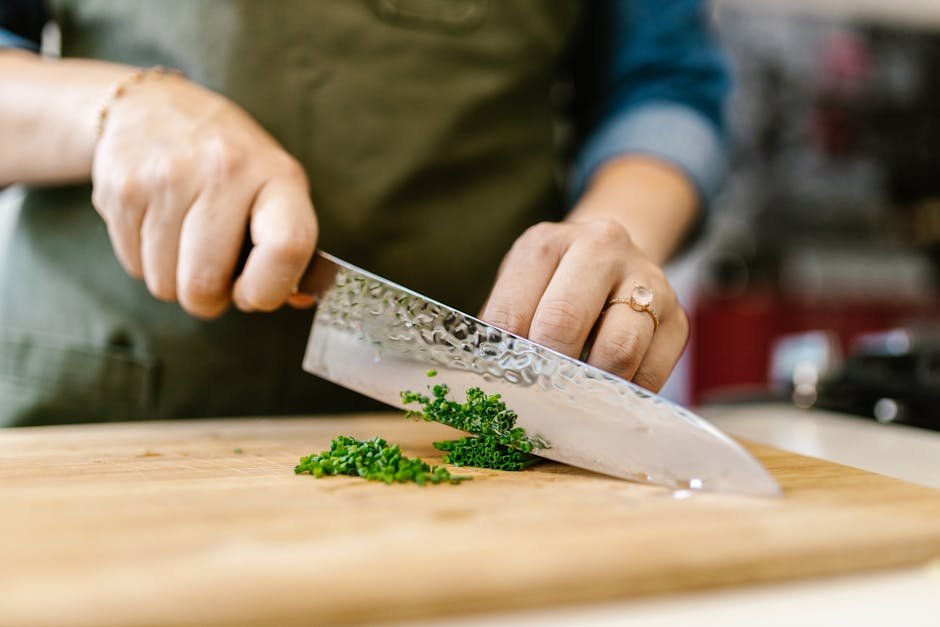
Are you tired of struggling to chop fresh herbs without making a mess? Learning how to cut whole herbs properly can change the way you cook and elevate your dishes instantly.
When you master simple knife skills, you unlock fresher flavors and save time in the kitchen. You’ll discover easy techniques that make cutting herbs faster, safer, and more precise. Keep reading, and you’ll never look at herbs the same way again.
Credit: www.justonecookbook.com
Choosing The Right Knife
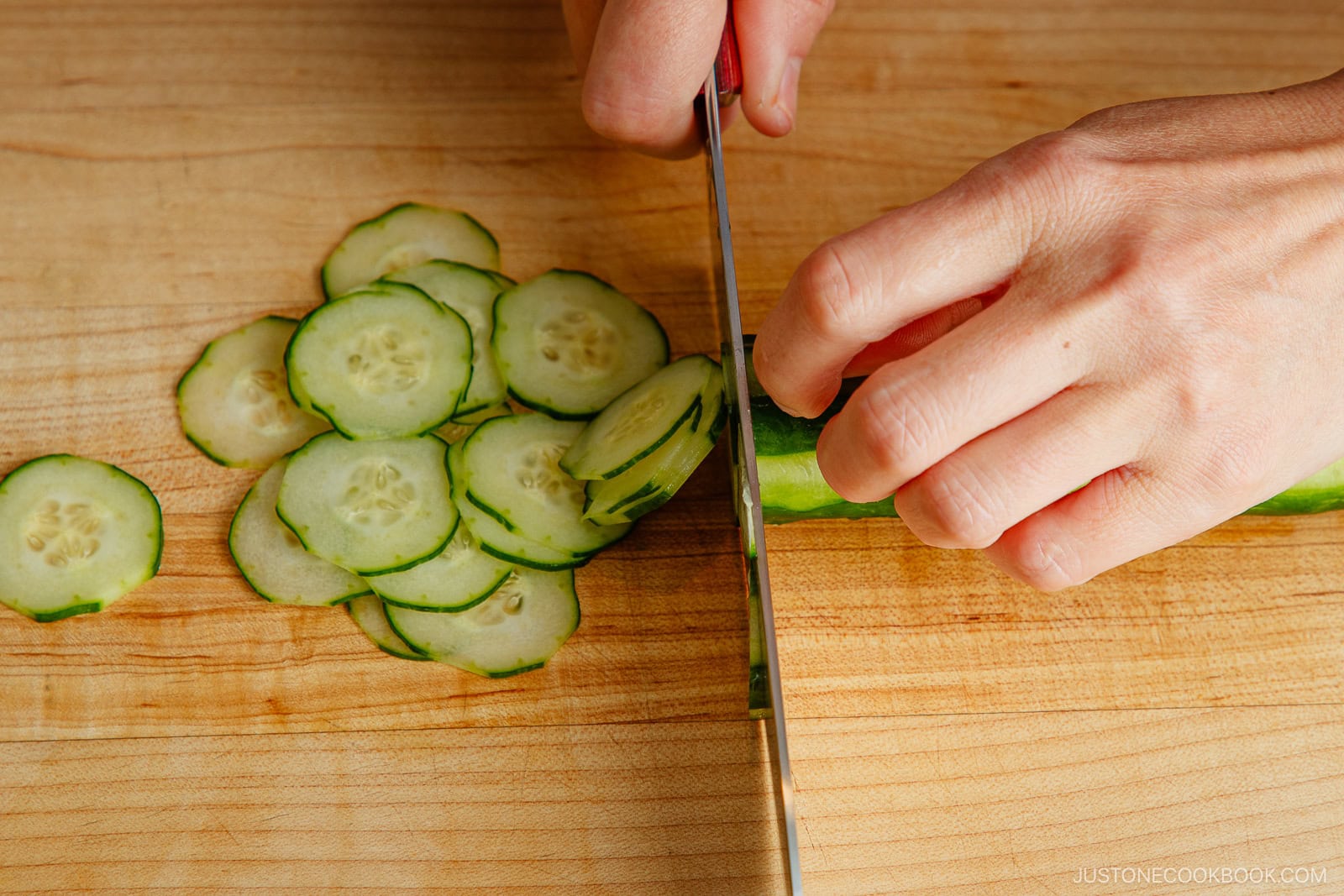
Choosing the right knife is key to cutting whole herbs cleanly and safely. A good knife helps preserve the herbs’ flavors and textures. It also reduces the risk of crushing or bruising the leaves. The right blade size and shape make chopping easier and faster. Comfort and control are just as important as sharpness. Picking a knife designed for herb cutting can improve your cooking experience.
Best Knives For Herb Cutting
- Paring Knife: Small and precise, perfect for delicate herbs.
- Chef’s Knife: Versatile and sharp, great for larger bunches.
- Utility Knife: Medium size, good for both small and medium herbs.
- Santoku Knife: Wide blade, ideal for rocking motions when chopping.
- Herb Scissors: Multiple blades, designed specifically for quick herb snipping.
Knife Maintenance Tips
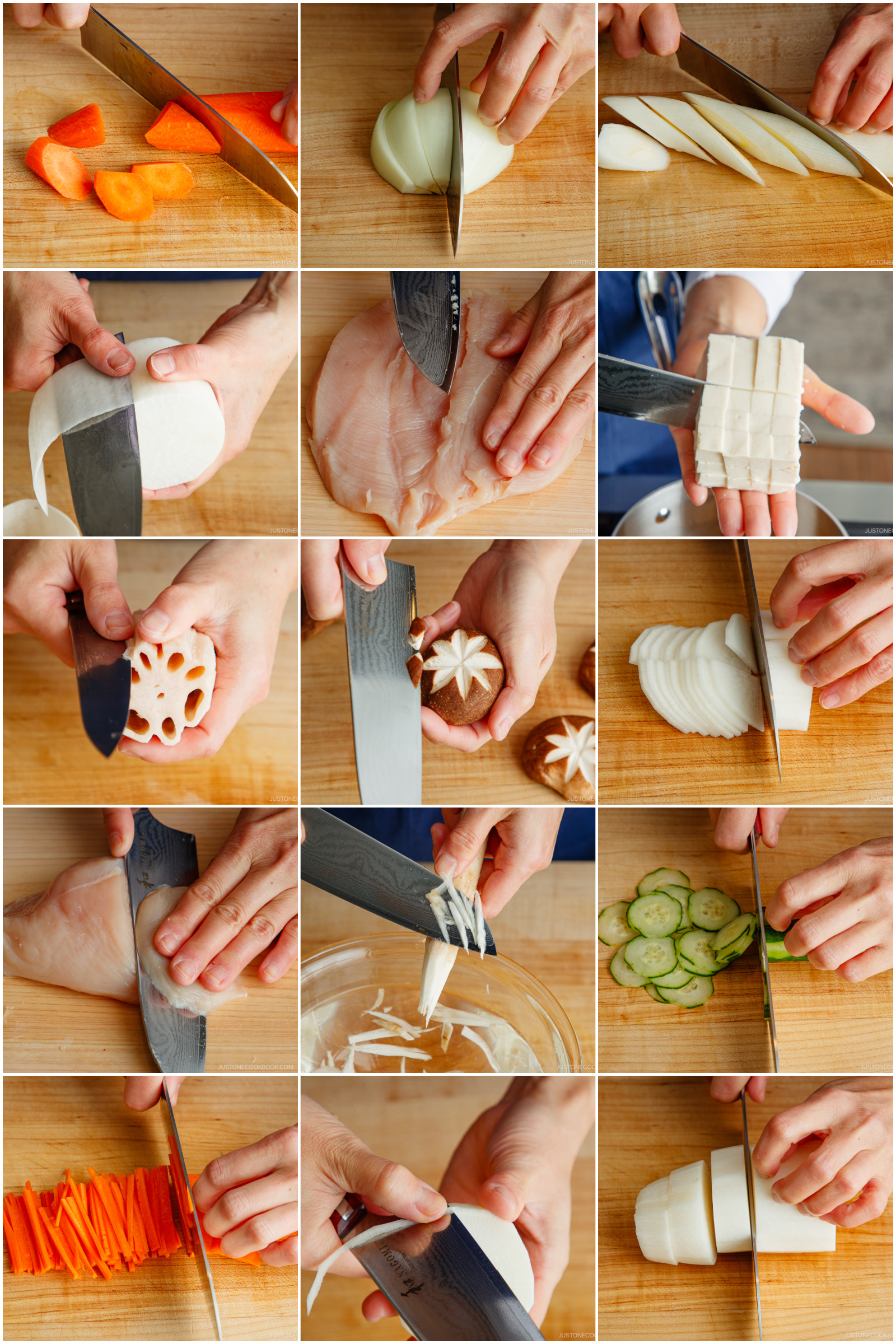
- Keep your knife sharp for clean cuts and safety.
- Hand wash knives immediately after use to prevent damage.
- Dry the blade thoroughly to avoid rust and stains.
- Store knives in a block or on a magnetic strip.
- Regularly hone the blade to maintain its edge between sharpenings.
- Avoid cutting on hard surfaces like glass or stone.
Credit: www.justonecookbook.com
Preparing Herbs For Cutting
Preparing herbs properly before cutting makes a big difference in flavor and texture. Taking a few extra minutes to get your herbs ready ensures every chop is clean and precise. It also helps you avoid wasting any part of the herb that might taste bitter or tough.
Washing And Drying Herbs
Start by rinsing your herbs under cool running water to remove dirt and any tiny bugs. Be gentle to keep the leaves intact and fresh-looking. After washing, pat them dry with a clean towel or use a salad spinner to remove excess moisture.
Dry herbs chop better and don’t clump together on the cutting board. Have you noticed how wet herbs tend to slip around and make cutting harder? Keeping them dry helps you maintain control and avoid bruising the leaves.
Removing Stems And Leaves
Next, strip the leaves off the thicker stems, especially with herbs like rosemary, thyme, or oregano. The stems can be tough and bitter, so focus on the tender leaves for the best flavor. For softer herbs like basil or parsley, you can chop the whole sprig, but still check for any tough stems.
Holding the herb bunch firmly, run your fingers down the stem to pull off the leaves quickly. This simple trick saves time and keeps your workspace tidy. Have you ever tried chopping herbs with the stems still attached? You’ll notice it changes the texture and sometimes the taste.
Basic Herb Cutting Techniques
Mastering basic herb cutting techniques can transform your cooking. Fresh herbs bring vibrant flavors and aromas, but how you cut them affects both taste and presentation. Using the right technique preserves the herbs’ natural oils and freshness.
Trying different cutting styles helps you control texture and size, making your dishes look and taste better. Have you noticed how finely chopped herbs release more flavor than roughly torn ones? Let’s dive into some practical ways to cut whole herbs efficiently and safely.
Chiffonade Method
The chiffonade method is perfect for leafy herbs like basil, mint, and cilantro. Stack the leaves, roll them tightly like a cigar, then slice thinly across the roll. This creates delicate, ribbon-like strips that blend seamlessly into salads and garnishes.
This technique keeps the herbs’ shape intact while maximizing surface area for flavor release. It’s quick and precise, ideal when you want a refined look. Have you tried chiffonade on spinach or kale yet? It works beautifully there too.
Rocking Motion Chop
The rocking motion chop is your go-to for thicker herbs like rosemary or thyme stems. Place the herb bunch on your cutting board and hold your knife tip steady. Use a smooth rocking motion to chop the herbs finely without bruising.
This method maintains control and safety, especially when dealing with tougher stems. It ensures even cuts, which helps the herbs cook uniformly. How confident do you feel using a rocking motion with your knife? Practice will make it second nature.
Pinch And Chop
Pinch and chop works well for herbs that tend to bruise easily, such as parsley or dill. Pinch a small bunch between your fingers and chop with short, controlled cuts. This limits bruising and keeps the herbs fresh longer.
It’s a simple technique that reduces waste and mess. Plus, it’s easy to adjust the size of your cuts depending on the recipe. Which dishes in your kitchen could benefit from this gentle chopping style?
Handling Different Herb Types
Handling different types of herbs requires a tailored approach to keep their flavors fresh and textures intact. Each herb type reacts differently under the knife, so knowing how to cut them properly can make a big difference in your cooking. Let’s break down how to handle soft herbs, woody herbs, and delicate leaves to get the best from your herbs every time.
Soft Herbs
Soft herbs like basil, cilantro, and parsley have tender stems and leaves that bruise easily. Use a sharp knife and a gentle rocking motion to avoid crushing them. Cutting too roughly can turn their bright green leaves into a mushy, dull mess.
Try chopping them just before adding to your dish to preserve their vibrant flavor. You’ll notice a fresher taste that lifts your recipes.
Woody Herbs
Woody herbs such as rosemary, thyme, and oregano have tougher stems that need a different technique. Strip the leaves off the thicker stems first by running your fingers downwards. Then finely chop the leaves with a firm grip and deliberate cuts.
This approach helps you avoid biting into woody bits and ensures even distribution of flavor. Have you ever chewed on a tough rosemary stem and regretted it? Avoid that by prepping your herbs properly.
Delicate Leaves
Delicate leaves like mint, tarragon, and chervil require a light touch. Instead of chopping, consider tearing them by hand to keep their shape and prevent bruising. This preserves their aroma and makes your dish look more appealing.
Using your hands also gives you more control over the size of the pieces. Next time, test both tearing and chopping to see which works best for your recipe and personal taste.
Safety Tips For Precise Chopping
Precision in chopping whole herbs doesn’t just depend on your knife or technique—it starts with how safely you handle your tools and workspace. Paying attention to safety tips not only protects your fingers but also helps you achieve cleaner, more consistent cuts. Let’s break down key safety habits that will sharpen both your skills and confidence in the kitchen.
Proper Hand Positioning
Your non-dominant hand holds the herb, but how you position it makes all the difference. Curl your fingertips inward, creating a claw shape, so your knuckles guide the knife blade. This keeps your fingertips tucked safely away from the cutting edge.
Have you ever accidentally nicked your finger while chopping herbs? I have, and it taught me that keeping your fingertips curved is non-negotiable. Using your knuckles as a guide also helps control the knife’s movement, making your cuts more precise.
Stable Cutting Surface
A shaky cutting board is a hidden danger. Ensure your cutting board stays firmly in place by placing a damp cloth or non-slip mat underneath it. This stops any unwanted sliding while you chop, reducing the risk of slips and cuts.
Think about the last time your cutting board shifted unexpectedly—did it throw off your chopping rhythm? A stable surface lets you focus on your knife technique without worrying about balance, which is crucial for cutting whole herbs evenly and safely.
Storing Chopped Herbs
Once you’ve mastered chopping whole herbs, knowing how to store them properly will keep their flavors fresh and vibrant. Chopped herbs can lose their aroma and texture quickly if not stored right. Let’s look at some easy ways to keep your herbs ready for your next delicious meal.
Short-term Storage
If you plan to use your chopped herbs within a few days, storing them in the fridge is your best bet. Wrap the herbs loosely in a damp paper towel to maintain moisture without making them soggy. Then, place the wrapped herbs inside a resealable plastic bag or an airtight container.
Keep the container in the crisper drawer of your fridge where the temperature is stable. This method keeps herbs like parsley, cilantro, and basil fresh for up to 3-4 days. Have you noticed how basil can turn black quickly? Avoid this by not washing it before storage, just chop and store.
Freezing And Preserving
Freezing chopped herbs is a smart way to save them for longer periods without losing much flavor. Spread the chopped herbs evenly on a baking sheet and freeze them for about an hour. Once frozen, transfer the herbs into airtight containers or freezer bags.
You can also freeze herbs in ice cube trays with a bit of water or olive oil. This method is fantastic for adding fresh flavor directly into soups and sauces. Have you tried popping a herb cube straight into a hot pan? It’s a quick flavor boost that saves prep time.
Common Mistakes To Avoid
Cutting whole herbs might seem easy but many make common mistakes. These errors can ruin the texture and flavor of herbs. Avoiding them improves your cooking and presentation. Learn what to watch out for below.
Using A Dull Knife
A dull knife crushes herbs instead of slicing cleanly. This bruises leaves and releases bitter oils. Always use a sharp knife to keep herbs fresh and vibrant.
Cutting Too Quickly
Rushing the cut can make uneven pieces and damage herbs. Slow down your hand to control the blade better. Smooth, steady cuts protect delicate leaves.
Not Washing Herbs Properly
Dirty herbs can contaminate food and dull your knife. Wash herbs gently and dry them well. Wet herbs slip and are harder to cut safely.
Chopping With The Wrong Technique
Using a heavy or chopping motion can bruise herbs. Instead, use a gentle rocking motion with the knife tip. This keeps herbs intact and flavorful.
Ignoring The Herb Stems
Some stems are too tough to eat. Remove thick stems before chopping. Thin, tender stems can add extra flavor and texture.
Cutting Herbs Too Early
Chopping herbs too long before use causes wilting. Cut herbs just before adding them to dishes. This keeps their bright color and fresh taste.

Credit: www.bbcgoodfood.com
Frequently Asked Questions
How Do You Properly Cut Whole Herbs With A Knife?
Use a sharp knife and secure the herbs on a cutting board. Hold the herbs firmly and slice using a rocking motion. Cut into thin, even strips or finely chop as needed for your recipe.
What Knife Is Best For Cutting Whole Herbs?
A sharp chef’s knife or a paring knife works best. These knives offer control and precision for delicate herbs. Avoid dull knives to prevent bruising and tearing the herbs.
How To Avoid Bruising Herbs When Chopping?
Use a sharp knife and gentle pressure while cutting. Avoid crushing or pressing herbs too hard. Cut quickly and cleanly to preserve the flavor and color of fresh herbs.
Can You Cut Herbs Without Bruising Their Flavor?
Yes, by using a sharp knife and minimal handling. Chop herbs just before use to maintain freshness. Avoid using a blender or food processor which can bruise and affect flavor.
Conclusion
Mastering knife skills boosts your cooking confidence. Cutting whole herbs is easy. Practice makes perfect. Start with fresh herbs. Use a sharp knife. Cut slowly to avoid bruising. Keep the herbs fresh longer. Store them properly. Cooking becomes more fun and less stressful.
Friends will admire your skills. Meals taste better with fresh herbs. Enjoy the vibrant flavors in your dishes. Share your new skills with others. Cooking is a joyful experience. Experiment with different herbs. Discover new tastes. Embrace the culinary adventure.
Enhance your kitchen skills step by step. Happy cooking!
