
Choosing the best kitchen sink material can change how you use your kitchen every day. You want a sink that lasts long, looks great, and fits your lifestyle.
But with so many options out there, it’s easy to feel confused. What if you pick the wrong one and regret it later? Don’t worry—you’re about to discover the key facts that will help you make the right choice. Keep reading, and by the end, you’ll know exactly which kitchen sink material suits your needs perfectly.
Credit: www.appliancecity.co.uk
Popular Kitchen Sink Materials
Choosing the right kitchen sink material affects durability, style, and maintenance. Each material offers unique benefits and looks. Understanding popular options helps make a smart choice for your kitchen.
Stainless Steel Sinks
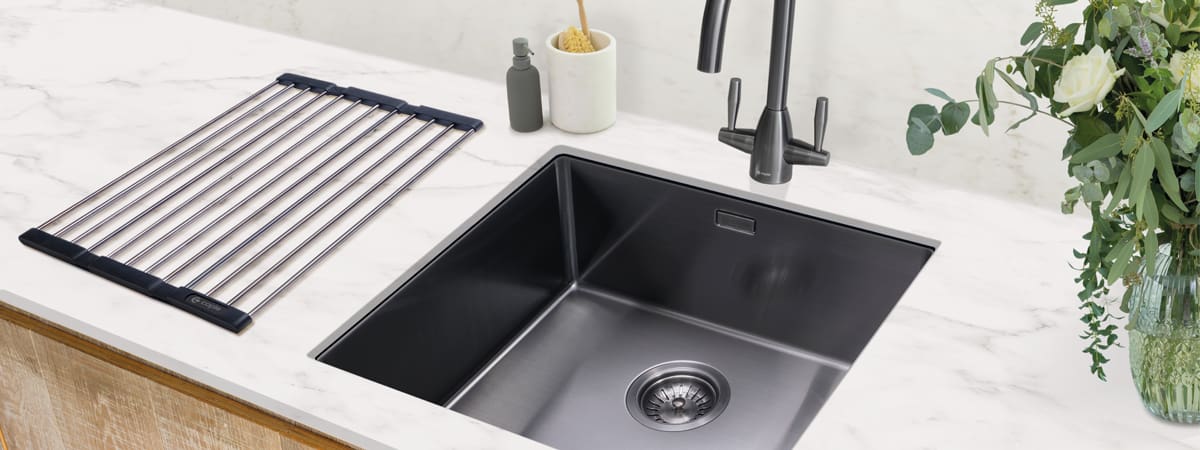
Stainless steel sinks are common and affordable. They resist rust and stains well. Their shiny surface fits modern and traditional kitchens. They are lightweight and easy to clean. Noise can be an issue without soundproofing pads.
Cast Iron Sinks
Cast iron sinks have a strong, heavy build. They come coated in enamel for a smooth finish. These sinks resist scratches and chips. They keep water warm longer than metal sinks. Cleaning is simple, but chips in enamel can happen.
Composite Granite Sinks
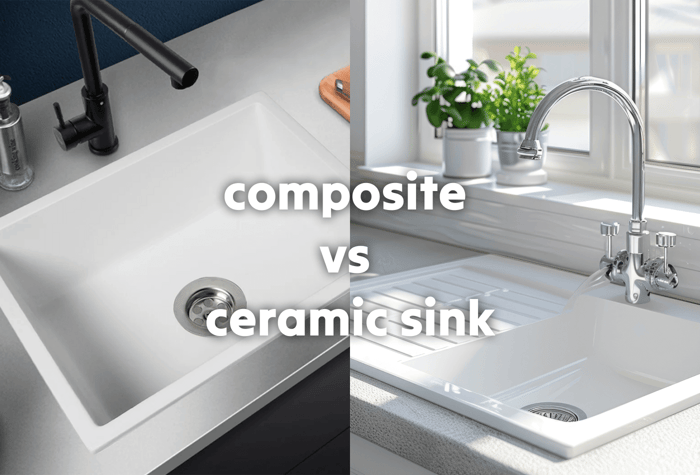
Composite granite sinks mix stone and resin. They have a natural stone look and feel. These sinks resist scratches, stains, and heat. They are heavier than stainless steel but durable. Cleaning requires mild soap and soft cloths.
Fireclay Sinks
Fireclay sinks are made from clay and glaze. They have a glossy, bright finish. These sinks are very durable and scratch-resistant. They resist stains and acids well. Fireclay can chip if heavy objects fall on it.
Copper Sinks
Copper sinks add warmth and character to kitchens. They resist bacteria naturally. Copper develops a unique patina over time. These sinks need regular polishing to maintain shine. They are softer and may scratch easily.
Durability Factors
Choosing the best kitchen sink material hinges greatly on durability factors. Your sink faces daily challenges like hot pots, sharp utensils, and constant cleaning. Understanding how different materials handle these stresses can save you from frequent replacements and costly repairs.
Scratch Resistance
Scratches can ruin your sink’s appearance quickly. Stainless steel sinks usually show scratches but can hide them well if the finish is brushed. On the other hand, granite composite sinks resist scratches better, keeping a smooth look longer.
Think about how often you chop or drop heavy pans near your sink. If your kitchen sees heavy use, you might want a material that stands up to sharp impacts without showing wear easily.
Heat Tolerance
You often place hot pots or pans in the sink. Some materials, like fireclay and stainless steel, handle heat without damage. But plastic or acrylic sinks might warp or discolor under high temperatures.
Ask yourself: do you frequently rinse hot cookware in the sink? Picking a heat-tolerant material ensures your sink won’t crack or melt over time.
Impact Strength
Drops happen—whether it’s a heavy pot or a glass tumbler. Materials like fireclay and cast iron offer strong impact resistance and won’t chip easily. Conversely, porcelain sinks, while beautiful, can chip or crack if hit hard.
Consider your kitchen habits. If you’re prone to clumsy moments, a tough material can keep your sink looking good and functional for years.
Stain Resistance
Kitchen sinks often come into contact with colorful foods and liquids. Granite composite and stainless steel sinks resist stains better than natural stone or porcelain. They don’t absorb odors or discolor easily.
Do you cook with beets, turmeric, or red wine often? A stain-resistant sink means less scrubbing and a cleaner look every day.
Maintenance Needs
Durability also depends on how much care your sink requires. Stainless steel sinks need regular wiping to avoid water spots but are easy to clean. Granite composite sinks are low maintenance but might need special cleaners to avoid dullness.
Think about your cleaning routine and willingness to maintain your sink. Choosing a material that matches your lifestyle can keep your kitchen hassle-free.
Style And Design Options
Choosing the right kitchen sink material also means thinking about style and design. The sink should match your kitchen’s look and feel. Different materials offer many options to fit your personal taste. From modern to classic, style choices help your kitchen stand out.
Design options go beyond looks. They affect how you use the sink every day. The right style can make your kitchen more practical and pleasant.
Finish And Texture Choices
Sinks come in smooth, matte, or glossy finishes. Stainless steel often has a brushed or satin finish. Matte finishes hide water spots better. Textured surfaces can add grip and reduce scratches. Some materials, like granite composite, have a natural stone texture for a rich look.
Color Variations
Colors vary widely depending on the material. Stainless steel is usually silver but can have different tones. Composite sinks offer colors like black, white, beige, and grey. Porcelain sinks often come in bright white or soft pastel shades. Choose a color that blends well with your countertop and cabinets.
Shape And Size Options
Sinks come in single, double, or even triple bowls. Shapes include rectangular, square, round, or farmhouse style. Larger sinks suit big kitchens or heavy cooking. Smaller sinks fit better in compact spaces. Depth matters too—deeper sinks hold more dishes and reduce splashes.
Mounting Styles
- Top-mount sinks sit on the countertop with a visible rim.
- Undermount sinks install beneath the countertop for a seamless look.
- Farmhouse sinks have a front apron that extends past the cabinet.
- Integrated sinks combine the sink and countertop in one piece.
Each mounting style changes the kitchen’s look and cleaning ease. Choose what fits your kitchen design and daily needs best.
Cost And Budget Considerations
Choosing the right kitchen sink material involves more than style and durability. Cost and budget play a big role in this decision. It is important to weigh all expenses from purchase to upkeep. This helps find a material that fits your wallet and kitchen needs.
Initial Purchase Price
Prices vary widely among sink materials. Stainless steel sinks often cost less. Granite and quartz composite sinks fall in the mid-range. Copper and fireclay options tend to be more expensive. Budget limits will guide the choice here. Cheaper sinks may save money upfront but might wear out faster.
Installation Costs
Installation prices depend on sink type and kitchen setup. Undermount sinks usually cost more to install than drop-in styles. Heavy materials like cast iron may require extra support, raising labor costs. Complex plumbing adjustments add to the total. Simple designs help keep installation affordable.
Long-term Maintenance Expenses
Some sinks need special care that adds to costs over time. Porcelain and fireclay sinks can chip and need repair. Stainless steel shows scratches but cleans easily and cheaply. Composite sinks resist stains but may require specific cleaners. Consider these ongoing expenses when budgeting for your sink.
Environmental Impact
Choosing the right kitchen sink material isn’t just about style or durability; it’s also about the environmental impact. Every material you consider has a footprint that affects our planet differently. Understanding this impact helps you make a choice that aligns with your values and reduces harm to the environment.
Sustainability Of Materials
Some sink materials come from abundant natural resources, while others rely heavily on mining or chemical processing. For instance, stainless steel is made from iron ore and recycled scrap metal, making it a relatively sustainable option. On the other hand, composite granite sinks depend on mined stone and resins, which may involve more energy and non-renewable inputs.
Think about how often you replace your sink. A durable material that lasts decades reduces waste and resource use. How long your sink stays functional directly ties into its overall sustainability.
Recyclability
Recyclability is a key factor in assessing environmental impact. Stainless steel sinks are highly recyclable, often melted down and remade without losing quality. Ceramic and porcelain sinks, however, are less recyclable and often end up in landfills.
When you’re ready to upgrade, consider if your old sink can be recycled or repurposed. This small step can significantly reduce the amount of waste heading to landfills.
Eco-friendly Manufacturing
Manufacturing processes vary widely between materials. Some use less water and energy or produce fewer emissions. For example, copper sinks often require less intensive manufacturing compared to composite materials that involve chemical resins.
Ask brands about their production methods and certifications. Choosing sinks from manufacturers who prioritize eco-friendly practices supports a cleaner environment and encourages better industry standards.
Matching Sink To Kitchen Style
Choosing the right kitchen sink material depends on the kitchen style. The sink should match the overall look and feel of the space. A good match makes the kitchen look balanced and stylish. Different materials suit different designs and moods. Here is a guide to matching sink materials with popular kitchen styles.
Modern Kitchens
Modern kitchens use clean lines and minimal designs. Stainless steel sinks work well here. They have a sleek, shiny surface that fits modern themes. Composite granite sinks also suit modern kitchens. They come in solid colors and offer durability. Undermount sinks blend smoothly with countertops, enhancing the modern look.
Traditional Kitchens
Traditional kitchens focus on warmth and classic details. Porcelain or fireclay sinks fit this style perfectly. Their smooth, glossy finish adds charm. Copper sinks add a vintage touch with natural patina over time. Apron-front sinks create a welcoming, old-fashioned feel. These materials complement wood cabinets and classic tiles.
Rustic And Farmhouse Kitchens
Rustic kitchens use natural and rugged elements. Farmhouse sinks in fireclay or stainless steel are popular choices. They have a deep basin for large pots. Copper sinks bring warmth and a handcrafted look. Stone or concrete sinks add an earthy, raw vibe. These materials match wooden beams and rough textures well.
Industrial Kitchens
Industrial kitchens feature metal, brick, and concrete. Stainless steel sinks fit perfectly with this style. Their durability and shine match metal fixtures. Concrete sinks offer a strong, solid appearance. They pair well with exposed pipes and brick walls. Large, deep sinks support heavy use and fit the industrial theme.
Tips For Sink Care And Maintenance
Keeping your kitchen sink in great shape doesn’t require a lot of effort, but it does need regular attention. Understanding how to care for your sink daily, avoid common damages, and perform deep cleaning periodically can extend its life and keep it looking fresh. Let’s break down simple, practical tips that you can start using today to maintain your sink’s beauty and function.
Daily Cleaning Practices
Wipe your sink after every use to prevent water spots and soap buildup. A soft cloth or sponge with mild dish soap works well to keep the surface clean without scratching it.
Rinse thoroughly and dry with a microfiber towel. This small step can make a big difference by stopping mineral deposits and stains from forming.
Have you noticed how quickly grime builds up if you skip this daily habit? Staying consistent is key to avoiding stubborn stains later.
Avoiding Common Damages
Never pour harsh chemicals like bleach or drain cleaners directly into your sink—they can damage the finish, especially on materials like granite or stainless steel.
Use a sink grid or mat to protect the bottom from scratches caused by pots and utensils. It’s a simple tool that saves you from costly repairs.
Be mindful of hot pans or boiling water—dropping them into the sink can cause cracks or discoloration, especially with composite or ceramic sinks.
Periodic Deep Cleaning
Once a week, give your sink a deeper clean using a non-abrasive cleaner suited to your sink material. Baking soda mixed with water forms a gentle paste that works wonders on most surfaces.
Scrub gently with a soft brush, focusing on corners and around the drain where grime tends to collect. Rinse thoroughly to remove all residue.
Have you tried using white vinegar for removing mineral deposits? It’s effective and safe for many sink types, just avoid prolonged contact on natural stone sinks.
Credit: www.work-tops.com

Credit: www.kohler.com
Frequently Asked Questions
What Is The Most Durable Sink Material?
Stainless steel is the most durable kitchen sink material. It resists rust and stains, and is easy to clean. Stainless steel sinks are also affordable, making them popular among homeowners. They handle heavy use and retain their appearance over time.
Are Granite Composite Sinks A Good Option?
Yes, granite composite sinks are a great choice. They offer durability and an elegant look. These sinks resist scratches and chips and come in various colors. Their non-porous surface helps prevent bacteria growth, making them hygienic for kitchens.
How Do Ceramic Sinks Compare To Others?
Ceramic sinks are stylish and offer a smooth surface. They are easy to clean but can chip or crack. Despite being less durable than stainless steel, their aesthetic appeal makes them a favorite for traditional kitchen designs.
Is Fireclay A Strong Sink Material?
Fireclay is a strong and durable sink material. It withstands high temperatures and heavy use. Fireclay sinks resist stains and scratches, providing a long-lasting solution for busy kitchens. Their classic look complements various kitchen styles.
Conclusion
Choosing the best kitchen sink material depends on your needs and style. Each material has its own strengths and weaknesses. Think about durability, maintenance, and budget. Stainless steel is popular for its toughness and easy cleaning. Granite sinks offer strong resistance to scratches and heat.
Porcelain looks classic but may chip over time. Consider what fits best with your kitchen design and daily use. The right sink material makes your kitchen functional and attractive. Take your time to decide, and enjoy your new kitchen sink for years.
