
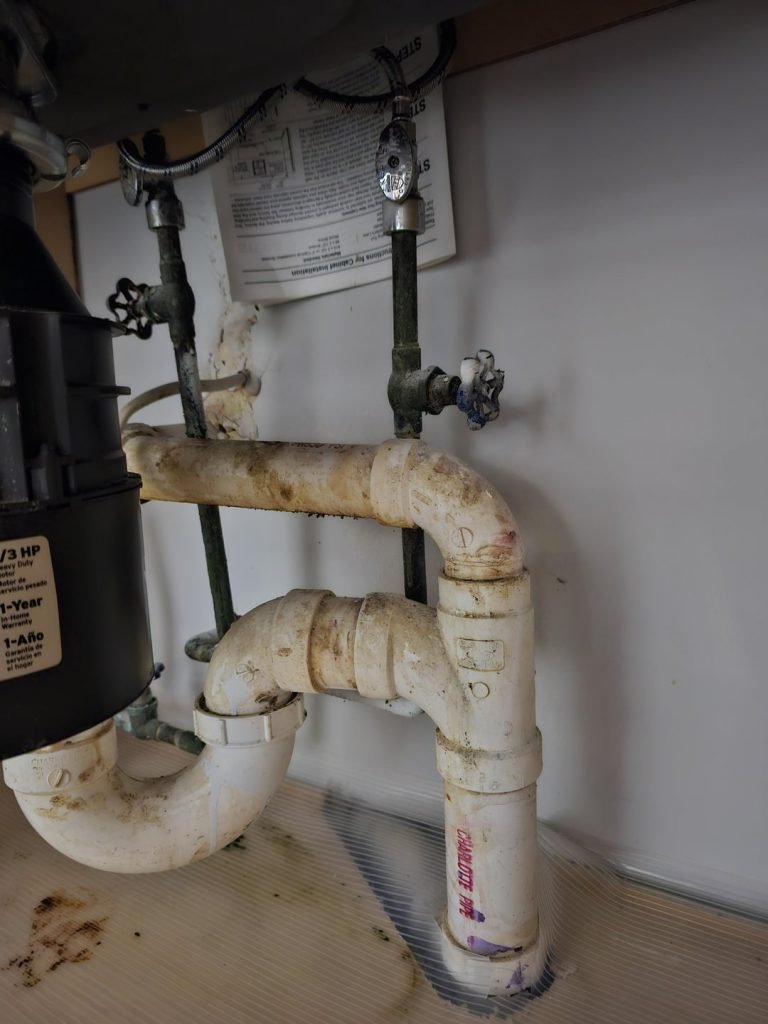
Have you noticed a bad odor under your kitchen sink that just won’t go away? That unpleasant smell can make your whole kitchen feel unclean and uncomfortable.
But don’t worry—you’re not alone, and there are simple ways to fix it. You’ll discover the common causes of that stubborn stink and easy steps you can take right now to get your kitchen smelling fresh again. Keep reading, because your kitchen deserves to be a place that feels as good as it looks.
Common Causes Of Odor
Bad odors under the kitchen sink are common and often frustrating. These smells usually come from hidden problems inside the cabinet. Understanding what causes these odors helps you fix them faster and keep your kitchen fresh.
Several factors contribute to bad smells under the sink. The most frequent causes involve trapped food, clogged pipes, leaks, and mold growth. Each of these creates an environment where bad odors can develop and linger.
Trapped Food Debris
Food scraps often get stuck in the sink drain or garbage disposal. These scraps start to rot and produce foul smells. Even small bits of food can cause a strong odor if left for days.
Grease and oil can also build up, trapping food particles. This buildup blocks the drain and encourages bacteria growth, adding to the smell.
Clogged Drain Pipes
Drain pipes can clog over time from grease, soap, and food waste. Blocked pipes slow water flow and trap debris. This trapped material decomposes and creates bad odors.
Slow draining water is a common sign of clogged pipes. It also lets gases from the sewer system escape into your kitchen.
Leaking Garbage Disposal
A leaking garbage disposal can cause water to pool under the sink. This moist area becomes a breeding ground for bacteria and mold. The result is a strong, unpleasant odor.
Leaks may come from seals or connections wearing out. Water damage can also cause wood or cabinet material to smell bad.
Mold And Mildew Growth
Dark, damp spaces under the sink are perfect for mold and mildew. These fungi grow quickly on wet surfaces or wood. Mold produces a musty, earthy smell that is hard to ignore.
Leaks, spills, or poor ventilation increase the chance of mold growth. Regular checks and cleaning can prevent mold from taking hold.
Immediate Odor Removal
Bad odor under the kitchen sink can be unpleasant and hard to ignore. Immediate action helps stop the smell from spreading. Quick odor removal keeps your kitchen fresh and clean. Simple household items often work well to tackle the smell fast.
Using Baking Soda And Vinegar
Baking soda neutralizes bad smells effectively. Vinegar breaks down grime and kills odor-causing bacteria. Pour half a cup of baking soda down the drain. Follow it with a cup of vinegar. Let the mixture fizz for 10 minutes. Flush the drain with hot water to clear residue. This combo refreshes the sink area quickly.
Boiling Water Flush
Boiling water flushes away trapped food and grease. Heat water until it boils. Pour it slowly down the sink drain. Repeat the process two or three times. This helps dissolve buildup that causes odors. It’s a fast and easy way to clear the drain.
Lemon And Essential Oils
Lemon adds a fresh, natural scent to the sink area. Essential oils like tea tree or eucalyptus kill bacteria. Squeeze lemon juice down the drain. Follow with a few drops of essential oil. Let it sit for 15 minutes before rinsing with water. This method leaves a clean, pleasant smell behind.
Deep Cleaning Techniques
Deep cleaning is essential to remove bad odors under the kitchen sink. Dirt, food scraps, and moisture build-up cause unpleasant smells. A thorough cleaning reaches hidden areas where germs and grime hide. It refreshes your kitchen space and keeps it hygienic.
Disassembling And Cleaning P-trap
The P-trap holds water to block sewer gases but can trap debris too. Start by placing a bucket underneath to catch water. Unscrew the slip nuts carefully and remove the P-trap. Clean inside with a bottle brush or old toothbrush. Soak it in warm, soapy water to remove grease and grime. Rinse well and reassemble to prevent leaks.
Cleaning Garbage Disposal
Food particles stuck inside the garbage disposal cause odors. Turn off the power before cleaning. Use a long brush or old toothbrush to scrub the rubber flaps. Pour a mixture of baking soda and vinegar into the disposal for natural deodorizing. Let it fizz for a few minutes. Flush with hot water while running the disposal to clear residues.
Scrubbing Under The Sink Cabinet
Under the sink collects dust, spills, and mold. Remove everything from the cabinet. Use a mild detergent mixed with warm water to scrub all surfaces. Pay attention to corners and edges. Dry thoroughly to avoid moisture build-up. Place moisture absorbers or baking soda boxes to keep the area fresh.

Credit: www.drano.com
Preventing Future Odors
Preventing bad odors under your kitchen sink starts with simple habits that keep the area clean and fresh. Small changes in how you care for your drains and dispose of waste can make a big difference. Let’s look at some practical ways to stop those smells before they even begin.
Regular Drain Maintenance
Cleaning your drains regularly helps prevent buildup that causes odors. Pouring a mixture of baking soda and vinegar down the drain once a week can break down grease and gunk. Follow this by flushing with hot water to clear away residue and keep your pipes fresh.
Have you noticed slow drains or occasional smells? These could be signs that it’s time to clean more thoroughly or check for blockages. A simple brush or drain snake can remove trapped food particles that often cause bad odors.
Proper Waste Disposal
Throwing food scraps directly down the drain is a common mistake that invites odor problems. Instead, use a compost bin or trash can for disposing of leftover food. This prevents clogs and reduces the chance of mold and bacteria buildup under your sink.
Grease is another culprit. Never pour cooking oil or fat down the drain. Let it cool and scrape it into a container before throwing it away. This small step helps keep your pipes clear and odor-free.
Ventilation Improvement
Good airflow around your kitchen sink area can prevent moisture buildup, which feeds bad smells. If your cabinet under the sink is often damp, try leaving the doors open for a while or install a small vent. You might even add a moisture-absorbing product like silica gel packs to keep the space dry.
Have you ever thought about how much trapped air affects odors? Better ventilation stops mold and mildew from growing, which are major sources of unpleasant smells under your sink. Take a moment to check if your space is well-ventilated—you might be surprised how much it helps.
When To Call A Professional
Dealing with bad odor under your kitchen sink can be frustrating. Sometimes, simple cleaning works wonders, but other times the problem signals something more serious. Knowing when to call a professional can save you time, money, and headaches.
Persistent Odors
If you have tried cleaning the drain, traps, and disposal but the foul smell keeps coming back, it’s a clear sign to call an expert. Persistent odors often mean the issue is deeper than surface grime. Professionals can use specialized tools to identify hidden buildup or bacterial growth that you might miss.
Have you noticed that no matter how much you scrub, the stink returns within a few days? That’s your cue to stop DIY efforts and get professional help before the odor worsens or spreads.
Hidden Leaks And Damage
Sometimes bad smells come from leaks or water damage beneath the sink that you cannot see. These hidden leaks encourage mold and mildew, which produce strong odors and can harm your home’s structure. If you spot water stains, warped cabinet wood, or feel dampness, it’s time to bring in a plumber.
Ignoring these signs can lead to costly repairs later. Professionals can detect leaks using cameras or moisture meters, ensuring the problem is fixed thoroughly.
Drain Replacement Needs
When pipes are old, cracked, or clogged beyond repair, replacing the drain might be the only way to eliminate bad odors. A professional plumber can assess whether your plumbing system needs an upgrade. This is especially important in older homes where worn-out pipes can trap debris and cause persistent smells.
Would you risk repeated problems by patching up failing pipes? Experts can provide durable solutions that prevent future odor issues and improve your kitchen’s hygiene.

Credit: www.reddit.com

Credit: www.reddit.com
Frequently Asked Questions
Why Does My Kitchen Sink Smell Bad Underneath?
Bad odor under the kitchen sink often results from trapped food debris, moisture, or mold growth. Leaky pipes and clogged drains can also cause unpleasant smells by promoting bacterial growth in confined spaces.
How Can I Quickly Remove Odor Under Kitchen Sink?
Clean the area thoroughly using a mixture of baking soda and vinegar. Ensure the pipes are leak-free and dry. Regularly dispose of food waste and keep the cabinet well-ventilated to prevent odors.
Can Mold Cause Bad Smells Under Kitchen Sink?
Yes, mold thrives in damp, dark areas like under the sink. It releases musty odors and can damage surfaces. Removing mold promptly with appropriate cleaners helps eliminate the smell and prevents health risks.
What Are Common Causes Of Sink Cabinet Odors?
Common causes include food scraps, spills, leaks, and poor ventilation. Standing water encourages bacteria and mold growth, leading to foul smells. Regular cleaning and maintenance can prevent these issues effectively.
Conclusion
Bad odor under the kitchen sink can be frustrating and unpleasant. Regular cleaning helps keep your sink area fresh. Check pipes and drains often to prevent buildup. Use simple natural cleaners to avoid harsh smells. Fix leaks quickly to stop mold and odors.
A clean sink space means a healthier home. Stay aware of small problems before they grow. Fresh air and good hygiene make a big difference. Keep your kitchen smelling clean and inviting every day.
Hi, I’m Daniel Harper, a senior editor here at KitchenBucks.com. For over 10 years, I’ve been exploring kitchen gadgets and appliances to help people find tools that truly add value without breaking the bank. I love simplifying product choices so you can focus more on cooking and less on worrying about what to buy. When I’m not reviewing the latest gadgets, you’ll usually find me experimenting with coffee brewing or firing up the grill for a weekend barbecue.