
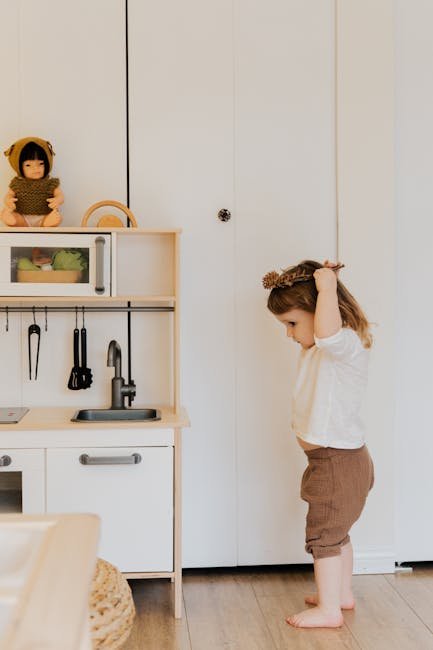
Are you wondering when the best age for a play kitchen is? Choosing the right time can make a big difference in how much your child enjoys and learns from this fun toy.
A play kitchen isn’t just for pretending; it helps develop creativity, social skills, and even fine motor skills. If you want to know when your little one will get the most out of a play kitchen, keep reading. This guide will help you find the perfect age to introduce this exciting and educational toy to your child.

Credit: www.foodnetwork.com
Benefits Of Play Kitchens
Play kitchens offer more than just fun for your child—they provide a rich learning environment that supports multiple areas of development. These mini culinary setups encourage creativity, build essential skills, and nurture social abilities. Let’s look closer at how a play kitchen can benefit your child in everyday play.
Boosting Imagination
When your child pretends to cook, they create stories and scenarios that stretch their imagination. They might prepare a fancy dinner for dolls or run a busy restaurant for friends. This kind of imaginative play helps children think creatively and solve problems in unique ways.
Have you noticed how your child turns simple objects into kitchen tools or ingredients? This shows how play kitchens inspire them to invent and experiment with their ideas, which is a powerful skill for later learning.
Enhancing Motor Skills
Using a play kitchen requires your child to handle small items like pots, pans, and utensils, which improves hand-eye coordination. Opening cabinets, turning knobs, and stirring imaginary food all help develop fine motor skills.
These activities also encourage precision and control. Over time, your child becomes more confident in their movements, which can make everyday tasks easier and less frustrating.
Promoting Social Interaction
Play kitchens naturally invite group play. Children learn to share, take turns, and negotiate roles, which builds important social skills. Whether they’re pretending to be chefs or customers, they practice communication and teamwork.
Have you seen how kids use language to organize their play around the kitchen? This interaction strengthens their vocabulary and understanding of social cues, preparing them for real-world relationships.
Credit: www.foodnetwork.com
Ideal Age To Start
Choosing the ideal age to start with a play kitchen is key for your child’s growth. A play kitchen sparks imagination and helps children learn daily skills. It suits various ages, but the right time depends on your child’s development and safety needs.
Toddlers And Early Exploration
Toddlers around 18 months can begin exploring simple play kitchens. At this age, they enjoy touching and moving objects. Play kitchens help develop fine motor skills and introduce cause and effect. Simple designs with large pieces are best for toddlers.
Preschoolers And Skill Development
Preschoolers aged 3 to 5 gain more from play kitchens. They use pretend play to improve language and social skills. Role-playing cooking also builds planning and problem-solving abilities. Kids enjoy mimicking adults and creating stories around cooking.
Safety Considerations By Age
- For toddlers, choose kitchens without small parts to prevent choking.
- Look for non-toxic materials and smooth edges for all ages.
- Ensure stability to avoid tipping hazards.
- Supervise younger children during play to keep them safe.
Choosing The Right Play Kitchen
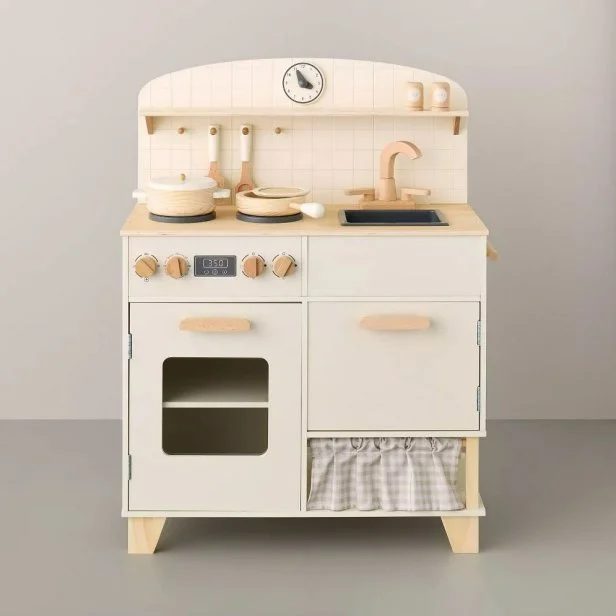
Choosing the right play kitchen is important for your child’s enjoyment and learning. The perfect kitchen fits their size and interests. It should be safe and strong to last through many play sessions. Features that spark creativity help children explore and grow. Understanding these factors makes the choice easier.
Size And Design Options
Play kitchens come in many sizes. Small kitchens fit tiny spaces and toddlers. Larger kitchens offer more features for older kids. Choose a size that matches your child’s age and play area.
Designs vary from simple to detailed. Some kitchens look like real ones. Others use bright colors and fun shapes. Pick a design that excites your child and fits your home decor.
Material Safety And Durability
Materials must be safe for children. Look for non-toxic paints and finishes. Avoid sharp edges or small parts that can break off.
Durability matters. Solid wood kitchens last longer than plastic ones. Check if the kitchen stands steady during play. A strong kitchen keeps your child safe and happy.
Features That Encourage Creativity
Good play kitchens include fun features. Pretend stoves, sinks, and ovens help role play. Some have doors that open and close or knobs to turn.
Extra accessories like pots, pans, and food sets add to the fun. These features let children use their imagination. Creativity grows as they invent new cooking stories.

Credit: www.foodnetwork.com
Encouraging Creative Play
Encouraging creative play is essential for a child’s development, especially with toys like a play kitchen. This type of play sparks imagination and helps kids practice problem-solving skills in a fun way. It also provides a safe space for them to explore different roles and scenarios that mirror real life.
Incorporating Role-playing Scenarios
Role-playing lets your child step into different characters, such as a chef, waiter, or grocery shopper. You can suggest simple scenarios like preparing a meal for family or hosting a restaurant night. These activities boost communication skills and help kids understand daily routines better.
Ask yourself: what roles does your child enjoy watching or talking about? Use those interests to make playtime more engaging. Watching your little one take charge in their imaginary kitchen can be both entertaining and insightful.
Using Accessories To Expand Imagination
Adding accessories like toy pots, pans, food items, and utensils turns a basic play kitchen into a creative playground. These items encourage kids to experiment with different recipes or cooking styles. Small additions like pretend money or menus can also introduce basic math and reading skills.
Think about what accessories match your child’s current interests or curiosities. Sometimes, a simple plastic carrot or a tiny coffee cup can inspire hours of imaginative storytelling. Your child’s creativity will grow as you provide tools that challenge their thinking.
Involving Family And Friends
Creative play becomes richer when family members or friends join in. Playing together allows children to practice social skills like sharing, negotiating, and teamwork. It also makes the experience more dynamic and fun.
Invite siblings or friends to create a pretend restaurant or bakery with your child. You might be surprised how much they learn about cooperation and empathy through these shared moments. How often do you join your child in their imaginative games?
Signs Your Child Is Ready
Recognizing when your child is ready for a play kitchen helps ensure a fun and safe experience. Children show clear signs that they can enjoy and benefit from this imaginative toy. These signs reflect their growing skills and interests.
Interest In Cooking And Food
Children who watch you cook or talk about food often want to imitate these actions. They may ask questions about meals or pretend to prepare dishes. This curiosity shows they are eager to explore cooking themselves.
Ability To Follow Simple Instructions
Your child should understand and follow basic directions. This skill helps them use the play kitchen safely and enjoyably. Simple steps like turning knobs or placing items correctly indicate readiness.
Engagement In Pretend Play
Playing pretend is a key sign your child is ready for a play kitchen. They create stories and act out roles using toys. This behavior shows they can use the kitchen to imagine and learn.
Tips For Parents
Helping your child enjoy a play kitchen starts with simple, thoughtful steps you can take as a parent. It’s about creating the right environment and encouraging habits that make play both fun and safe. Your involvement can shape how your child learns and interacts during these imaginative moments.
Setting Up A Safe Play Area
Choose a spot in your home that’s easy to supervise. Make sure the floor is clean and free of sharp objects or small items that could be choking hazards. Secure the play kitchen against a wall to prevent tipping, and check that all parts are sturdy and non-toxic.
Think about lighting and ventilation too. Is the area bright enough for your child to see clearly? Good airflow keeps the space comfortable for longer play sessions. Adding a soft rug can cushion any falls and make the area cozy.
Balancing Screen Time With Play
It’s tempting to let screens fill your child’s free time, but hands-on play offers unique benefits. Set clear limits on screen use and suggest play kitchen time as a creative alternative. You might even join in, turning off devices to make the experience more engaging.
Have you noticed how your child’s attention span changes after watching videos? Try mixing short screen breaks with longer play periods to keep their focus sharp. This balance helps develop both imagination and patience.
Encouraging Independent And Group Play
Encourage your child to explore the play kitchen alone, which builds confidence and decision-making skills. At the same time, invite siblings or friends to join for group play, fostering cooperation and communication. You can suggest simple role-playing ideas to spark interaction.
Watch how your child behaves in both settings. Do they take the lead or follow others? Supporting both styles teaches adaptability. Could your child benefit from more solo play to boost independence, or more group play to enhance social skills?
Frequently Asked Questions
What Is The Best Age To Introduce A Play Kitchen?
The ideal age to introduce a play kitchen is between 2 and 4 years. At this stage, children develop imaginative play skills and fine motor abilities. Play kitchens enhance creativity, social interaction, and problem-solving, making them perfect for toddlers and preschoolers.
Can Infants Benefit From A Play Kitchen?
Infants under 1 year typically do not benefit from play kitchens. Their motor skills and understanding are still developing. Play kitchens are more suitable for toddlers who enjoy pretend play and can handle small parts safely, usually starting around age 2.
When Do Kids Get The Most Learning From Play Kitchens?
Children aged 3 to 5 gain the most learning from play kitchens. This age group enhances language, social skills, and creativity through role play. They also practice coordination and problem-solving, making play kitchens an excellent educational toy during early childhood.
Is There An Age Limit For Using A Play Kitchen?
There is no strict age limit for play kitchens, but they are best suited for ages 2 to 6. Older children may enjoy more complex kitchen sets, while younger kids need supervision. The toy’s educational value decreases as kids grow older.
Conclusion
Choosing the best age for a play kitchen helps children learn and have fun. Toddlers enjoy simple pretend play, while older kids like more details. Play kitchens boost creativity, social skills, and hand-eye coordination. Parents should watch their child’s interests and abilities.
Safety matters too—pick age-appropriate toys to avoid risks. A play kitchen can grow with the child, offering new challenges. This toy brings joy and learning at many stages. Give your child a chance to explore and imagine. Play kitchens make playtime both fun and helpful.

Hi, I’m Daniel Harper, a senior editor here at KitchenBucks.com. For over 10 years, I’ve been exploring kitchen gadgets and appliances to help people find tools that truly add value without breaking the bank. I love simplifying product choices so you can focus more on cooking and less on worrying about what to buy. When I’m not reviewing the latest gadgets, you’ll usually find me experimenting with coffee brewing or firing up the grill for a weekend barbecue.