
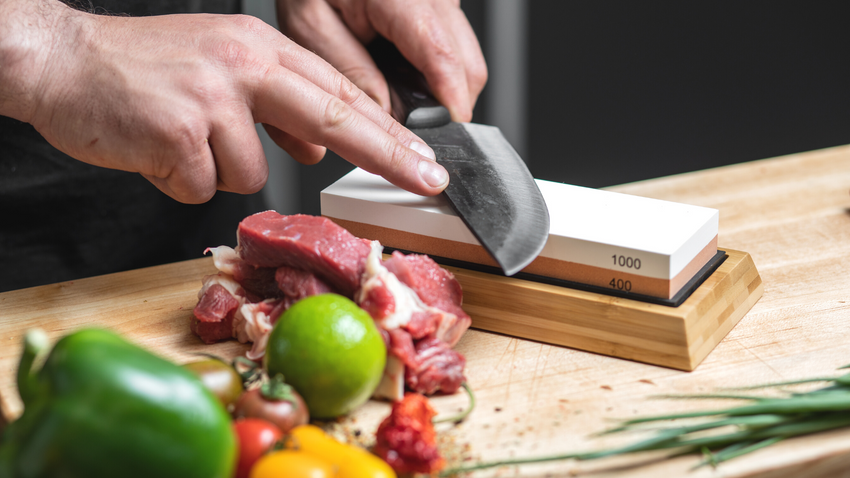
Have you ever struggled with a dull kitchen knife that just won’t cut through your ingredients smoothly? The secret to fixing that lies in one simple factor: the angle you use to sharpen your knife.
Sharpening your kitchen knives at the right angle can make all the difference between effortless slicing and frustrating chopping. You’ll discover exactly what the best angle is to sharpen your kitchen knives so they stay sharp longer and perform better every time you use them.
Keep reading, and soon your kitchen tasks will feel easier and more enjoyable than ever before.
Optimal Sharpening Angles
Choosing the right angle to sharpen kitchen knives affects how sharp and durable the blade becomes. The angle controls the edge’s thinness and strength. Sharpening at a low angle creates a sharper edge but can wear down faster. A higher angle provides more durability but less sharpness. Understanding the optimal sharpening angles helps keep knives effective and long-lasting.
Common Angle Recommendations
Most kitchen knives are sharpened between 15 and 20 degrees per side. Japanese knives often use a 15-degree angle for a finer edge. Western-style knives usually sharpen at 20 degrees for more strength. Some heavy-duty knives may use angles up to 25 degrees. A smaller angle means a sharper but more fragile edge. A larger angle offers durability but less precision.
- 15 degrees per side: Very sharp, less durable
- 20 degrees per side: Balanced sharpness and strength
- 25 degrees per side: Strong edge, less sharp
Factors Influencing Angle Choice
The knife’s purpose affects the best sharpening angle. Thin slicing knives benefit from sharper, lower angles. Heavy chopping knives need higher angles for durability. The steel type also matters. Harder steel can hold a lower angle edge longer. Softer steel requires a higher angle to avoid damage. Personal cutting style influences angle choice too. Gentle users may prefer sharper angles. Rough users need sturdier edges with higher angles.

Credit: www.amazon.com
Types Of Kitchen Knives
Understanding the types of kitchen knives you own is key to sharpening them correctly. Each knife has a unique design and purpose, which affects the best angle to sharpen its blade. Knowing these differences helps you maintain your knives’ performance and safety in the kitchen.
Chef’s Knife
The chef’s knife is the most versatile tool in your kitchen. It usually has a broad blade with a curved edge, perfect for chopping, slicing, and dicing. Because of its wide use, sharpening at an angle between 15 to 20 degrees keeps it sharp enough for precision without damaging the blade.
Think about your last meal prep—did your chef’s knife glide through vegetables or did it struggle? Adjusting the angle when sharpening can make a noticeable difference in ease and control.
Paring Knife
Paring knives are small but mighty, ideal for peeling and intricate cutting tasks. Their blades are thinner and more delicate, requiring a sharper angle, typically around 12 to 15 degrees. This finer edge allows you to work with precision on fruits and small vegetables.
Have you ever tried peeling a tomato or segmenting citrus? A properly sharpened paring knife makes these tasks smoother and less frustrating.
Bread Knife
Bread knives have a serrated edge designed to cut through crusty bread without crushing the soft interior. Sharpening these requires a different approach; focusing on the individual serrations with a special sharpening tool is best. Rather than a single angle, you maintain the serrated shape to keep the knife effective.
Ever noticed how a dull bread knife tears rather than slices? Maintaining those serrations properly can save your sandwiches from turning into a mess.
Sharpening Tools
Choosing the right sharpening tool is key to maintaining the perfect angle for your kitchen knives. The tool you pick affects not only the sharpness but also the ease and safety of the process. Let’s look at some popular options that can help you keep your blades in top shape.
Whetstones
Whetstones are a favorite among chefs and home cooks who want full control over the sharpening angle. You can adjust the angle precisely, which is crucial for different types of knives.
Using a whetstone requires practice and patience. It may seem tricky at first, but once you get the hang of it, you can sharpen your knives exactly how you like them. Plus, they are affordable and last a long time if cared for properly.
Electric Sharpeners
Electric sharpeners simplify the process by automatically setting the angle for you. This makes them great if you want quick results without mastering a technique.
However, they might remove more metal than necessary, shortening your knife’s lifespan. If you use one, check if it has adjustable angle settings to protect your blades better.
Manual Sharpeners
Manual sharpeners are handheld devices with preset slots for different angles. They offer a middle ground between whetstones and electric sharpeners.
These tools are easy to use and portable, but the fixed angles might not suit every knife. Still, they are perfect for quick touch-ups and keeping your knives sharp on the go.

Credit: www.tiktok.com
Step-by-step Sharpening Guide
Sharpening kitchen knives needs care and precision. Following a clear guide helps achieve the best results. This step-by-step sharpening guide shows how to sharpen knives at the right angle for a sharp, durable edge.
Preparing The Knife
Clean the knife with warm water and dry it well. Remove any food residue or grease. Place the knife on a stable surface to avoid slips. Use a sharpening stone or tool that fits your knife type. Gather all materials before starting.
Choosing The Right Angle
The best angle depends on the knife’s purpose. Most kitchen knives sharpen well at 15 to 20 degrees. A smaller angle creates a sharper edge but needs more care. A wider angle makes the blade stronger but less sharp. Hold the knife steady and match the angle consistently.
Sharpening Technique
- Hold the knife at the chosen angle against the stone.
- Move the blade gently across the stone from base to tip.
- Use smooth, even strokes, applying light pressure.
- Sharpen both sides equally to keep balance.
- Check the blade’s sharpness by slicing soft food.
- Repeat the process until the edge feels sharp.
Maintaining Knife Sharpness
Keeping your kitchen knives sharp goes beyond just the initial sharpening angle. How you maintain that sharpness daily plays a huge role in preserving the blade’s edge and making your kitchen tasks easier and safer. Small habits can extend the life of your knives and keep them performing like new.
Regular Honing
Honing is not the same as sharpening, but it’s just as important. It realigns the blade’s edge, which can bend or dull with regular use. Using a honing steel before or after cooking can keep your knife’s edge straight and sharp without removing much metal.
Try to hone your knives every few uses. It only takes a minute and can prevent frequent sharpening, saving you time and effort. Have you noticed how a well-honed knife glides through tomatoes effortlessly?
Proper Storage
Where and how you store your knives affects their sharpness significantly. Tossing them in a drawer with other utensils can dull the edges quickly. Instead, use a knife block, magnetic strip, or blade guards to protect the blades.
Think about your kitchen setup—are your knives stored safely and neatly? Proper storage prevents accidental nicks and keeps the blades ready for your next meal prep.
Care Tips
Cleaning and handling your knives carefully makes a big difference. Always hand wash knives with mild soap and dry them immediately to prevent rust and corrosion. Avoid putting them in the dishwasher, as the heat and harsh detergents can damage the blade.
- Use a cutting board made from wood or plastic, not glass or stone.
- Cut away from the blade to avoid chipping.
- Don’t use knives to open cans or pry things open.
What small change can you make today to protect your knife’s edge? Maintaining sharpness is a simple daily commitment that pays off every time you cook.
Common Mistakes To Avoid
Sharpening kitchen knives needs care and the right approach. Many make mistakes that harm the blade or lower its sharpness. Avoiding these errors helps keep knives sharp longer and safer to use.
Incorrect Angle
Sharpening at the wrong angle damages the blade’s edge. Most kitchen knives sharpen well at 15 to 20 degrees. Too steep or too flat angles wear the blade unevenly. This weakens the knife and reduces cutting power.
Keep a consistent angle while sharpening. Use guides or angle tools if unsure. Consistency helps maintain a sharp, strong edge for better cutting.
Using Excessive Force
Pressing too hard on the sharpening stone can cause damage. Force does not make the blade sharper faster. It can chip or bend the edge instead.
Use light, even pressure when sharpening. Let the sharpening tool do the work. Gentle strokes protect the blade and improve sharpening results.
Neglecting Maintenance
Sharpening once is not enough for good knife care. Blades need regular honing and cleaning between sharpenings. Neglecting maintenance dulls knives quickly.
Use a honing rod often to realign edges. Clean knives and sharpen stones after use. Regular care extends the sharpness and life of your knives.

Credit: www.messermeister.com
Frequently Asked Questions
What Is The Best Angle To Sharpen Kitchen Knives?
The ideal sharpening angle for most kitchen knives is between 15° and 20°. This range balances sharpness and durability, making cutting efficient and safe. Asian knives often use 15°, while Western knives typically sharpen at 20°. Adjust based on your knife type for optimal performance.
How Do I Find The Right Sharpening Angle?
To find the right angle, check your knife manufacturer’s recommendations. Alternatively, use a protractor or angle guide for accuracy. Most home chefs sharpen between 15° and 20°. Maintaining a consistent angle during sharpening ensures a sharper, longer-lasting edge.
Why Does Sharpening Angle Matter For Kitchen Knives?
Sharpening angle affects blade sharpness and edge durability. A smaller angle creates a sharper but fragile edge. A larger angle makes the edge stronger but less sharp. Choosing the right angle balances cutting efficiency and blade longevity.
Can I Sharpen Kitchen Knives At Home Properly?
Yes, you can sharpen knives at home using whetstones or angle guides. Consistency in angle and technique is key. Regular sharpening maintains sharpness and extends your knife’s lifespan. Practice makes perfect for home sharpening success.
Conclusion
Sharpening your kitchen knives at the right angle keeps them sharp longer. A 15 to 20-degree angle works best for most knives. It helps you cut food smoothly and safely. Remember to sharpen both sides evenly for the best results.
Practice makes perfect, so take your time. Keep your knives sharp, and cooking becomes easier. A sharp knife is safer and more efficient. Try different angles to see what feels right for you. Regular sharpening protects your knife’s edge and improves your kitchen skills.
Hi, I’m Daniel Harper, a senior editor here at KitchenBucks.com. For over 10 years, I’ve been exploring kitchen gadgets and appliances to help people find tools that truly add value without breaking the bank. I love simplifying product choices so you can focus more on cooking and less on worrying about what to buy. When I’m not reviewing the latest gadgets, you’ll usually find me experimenting with coffee brewing or firing up the grill for a weekend barbecue.