
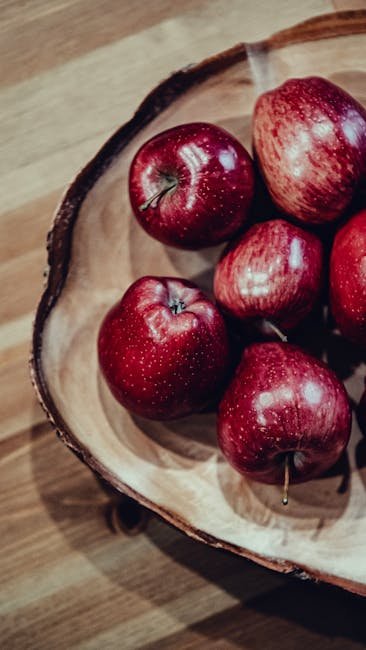
If you want your apple pie to taste just right, choosing the best apples is key. But with so many varieties out there, how do you know which ones will give you that perfect balance of sweet and tart?
America’s Test Kitchen has done the hard work for you, testing dozens of apples to find the top picks for baking. You’ll discover which apples make your pie juicy, flavorful, and unforgettable. Keep reading to unlock the secret to baking an apple pie that will impress everyone at the table.
Choosing Apples For Pie
Choosing the right apples matters for a perfect apple pie. The texture and flavor of apples affect how the pie tastes and feels. Picking apples with the right qualities creates a pie that is both delicious and satisfying.
Texture And Flavor Balance
The best pie apples stay firm during baking. They should not turn mushy or too soft. A good apple holds shape and adds a pleasant bite.
Look for apples with a balance of sweetness and tartness. This mix makes the pie flavorful and bright. Apples that are too sweet or too tart can change the pie’s taste.
Sweet Vs. Tart Varieties
Sweet apples add natural sugar and mellow flavor. They help reduce the need for extra sugar in your pie.
Tart apples add sharpness and freshness. They bring out a lively contrast to the sweetness of the crust and spices.
Many bakers blend sweet and tart apples. This blend creates depth and complexity in the pie’s flavor.

Credit: www.facebook.com
Top Apple Varieties
Choosing the right apple variety can make or break your apple pie. The best apples balance tartness and sweetness while holding their shape during baking. Here are some top apple varieties recommended by America’s Test Kitchen that you should consider for your next pie.
Granny Smith
Granny Smith apples are known for their bright tartness and firm texture. They hold up well under heat, keeping your pie filling from turning mushy. If you like a tangy kick in your pie, Granny Smith is a reliable choice.
Honeycrisp
Honeycrisp apples are sweet with a hint of tartness, offering a juicy and crisp bite. Their natural sweetness means you can reduce added sugar in your pie. Plus, they maintain a nice texture after baking, making every slice delightful.
Golden Delicious
Golden Delicious apples bring a mellow sweetness and soft texture to the mix. They blend well with tarter apples, helping to balance flavors perfectly. Using them can give your pie a smooth, comforting taste without overpowering the spices.
Jonathan
Jonathan apples deliver a bold tart flavor that stands out in pies. They soften slightly but don’t turn to mush, adding a pleasant chew. Mixing Jonathan apples with sweeter varieties can create a complex and satisfying flavor profile.
Braeburn
Braeburn apples offer a balanced sweet-tart taste with a firm, crisp texture. They bake evenly and keep their shape, which is great for a pie that looks as good as it tastes. You might find Braeburn adds a subtle depth that surprises your guests.
Why These Apples Work
Choosing the right apples for apple pie makes all the difference. The apples must hold their shape, taste great, and be easy to find. America’s Test Kitchen tested many apples to find the best ones. These apples work well for pies because of their texture, flavor, and availability.
Holding Shape After Baking
Good pie apples stay firm after baking. They do not turn mushy or watery. This keeps the pie filling thick and appealing. Apples like Granny Smith and Honeycrisp hold their shape well. Their firm flesh withstands heat without breaking down.
Flavor Profiles
Apples for pie have balanced flavors. They combine sweetness and tartness. This mix creates a rich, tasty filling. Tart apples add brightness, while sweet ones add depth. Using a mix of apple types can boost flavor complexity.
Availability And Seasonality
Apples must be easy to find during baking season. Common varieties like Fuji, Gala, and Braeburn are widely available. Seasonal apples taste freshest and have the best texture. Choosing apples in season ensures great pies all year.

Credit: smittenkitchen.com
Blending Apples For Best Results
Blending different types of apples can turn your apple pie from ordinary to exceptional. The right mix balances flavors and textures, making every bite delightful. America’s Test Kitchen emphasizes that combining apples thoughtfully leads to a pie with a perfect taste and mouthfeel.
Combining Sweet And Tart
Sweet apples like Fuji or Gala add natural sugar that caramelizes beautifully during baking. Tart varieties such as Granny Smith or Jonathan provide a bright, tangy contrast that keeps the pie from tasting overly sweet.
Think about your last pie—did it feel too sugary or too sharp? Adding both sweet and tart apples creates a harmony that pleases your palate without overwhelming it. Try mixing equal parts of each to see how the flavors play together.
Mixing Textures
Apples differ in firmness and juiciness, which affects how they bake. Some, like Honeycrisp, hold their shape well, giving your pie a nice bite. Others, like McIntosh, soften and almost melt, adding a creamy consistency.
Combining firm and soft apples gives your pie an inviting texture variety. Have you noticed how a single type of apple can turn mushy or stay too crunchy? Blending textures ensures your pie is both tender and structured.
Enhancing Depth Of Flavor
Using a mix of apples introduces layers of flavor that a single variety can’t match. Some apples have floral or spicy notes, while others bring out subtle hints of citrus or honey.
Try pairing apples like Northern Spy with Pink Lady for a more complex taste profile. This depth keeps each slice interesting and encourages you to savor every bite. What flavor combinations excite your taste buds the most?
Tips For Preparing Apples
Preparing apples properly is key to making a delicious apple pie. The texture and flavor depend on how you peel, slice, and treat the apples. Small details here make a big difference in your pie’s taste and appearance.
Peeling And Slicing Techniques
Peel apples using a sharp vegetable peeler for smooth, thin skins. Thin peels cook evenly and blend well with pie filling. Slice apples uniformly about 1/4-inch thick. Even slices ensure consistent cooking and texture.
Use a sharp knife or mandoline slicer for precise cuts. Keep slices similar in size to avoid some pieces being mushy while others stay firm.
Preventing Browning
Apple slices turn brown quickly due to oxidation. To stop this, toss slices in a bowl with lemon juice or a mixture of water and vinegar. This keeps apples fresh-looking and preserves flavor.
Work quickly and cover the sliced apples if you pause during preparation. Browning does not affect taste but can make the pie less appealing.
Adjusting Sugar And Spices
Sweetness levels vary among apple types. Taste your apples before adding sugar. Adjust sugar amounts based on tartness or sweetness.
Balance sugar with spices like cinnamon, nutmeg, or cloves for a warm, inviting flavor. Add spices carefully to enhance but not overpower the apple taste.
Common Mistakes To Avoid
Baking a perfect apple pie requires more than just picking the right apples. Many bakers make simple errors that affect the pie’s texture and flavor. Avoiding these common mistakes helps ensure a delicious and well-balanced pie every time.
Using Too Soft Apples
Soft apples break down quickly during baking. This leads to a mushy filling that lacks structure. Choose firm apples that hold their shape well. They create a nice texture and balance in the pie.
Overloading The Pie
Filling the pie too full causes juices to spill over. This makes the crust soggy and messy. Use the right amount of apple slices to allow space for bubbling juices. It helps the pie bake evenly and look neat.
Ignoring Apple Ripeness
Unripe apples taste sour and lack sweetness. Overripe apples become too soft and watery. Select apples that are ripe but still firm. The right ripeness boosts flavor and texture for a perfect pie.
Credit: www.facebook.com
Frequently Asked Questions
What Are The Best Apples For Apple Pie?
The best apples for apple pie are firm and tart. America’s Test Kitchen recommends Granny Smith, Honeycrisp, and Braeburn. These apples hold their shape and provide balanced sweetness and acidity for a perfect pie.
Why Use Tart Apples In Apple Pie?
Tart apples add a bright, tangy flavor to apple pie. Their acidity balances the sweetness of sugar and spices. This contrast prevents the pie from tasting overly sweet and enhances the overall flavor complexity.
Can I Mix Different Apple Varieties In Pies?
Yes, mixing apple varieties improves pie texture and flavor. Combining tart and sweet apples creates a balanced taste. America’s Test Kitchen suggests blending Granny Smith with sweeter apples like Fuji or Golden Delicious for best results.
How Do Honeycrisp Apples Perform In Pies?
Honeycrisp apples stay firm and juicy when baked. Their natural sweetness and slight tartness enhance pie flavor. America’s Test Kitchen praises Honeycrisp for adding a crisp texture and bright taste to apple pies.
Conclusion
Choosing the right apples makes a big difference in pie taste. America’s Test Kitchen shows which apples hold up best. Crisp and tart apples add flavor and texture. Mixing apple types can make your pie more interesting. Remember to pick fresh apples for the best results.
Baking with the right apples brings joy to your kitchen. Try their recommendations and enjoy a perfect apple pie every time. Simple choices lead to delicious, homemade pies that everyone loves.
