
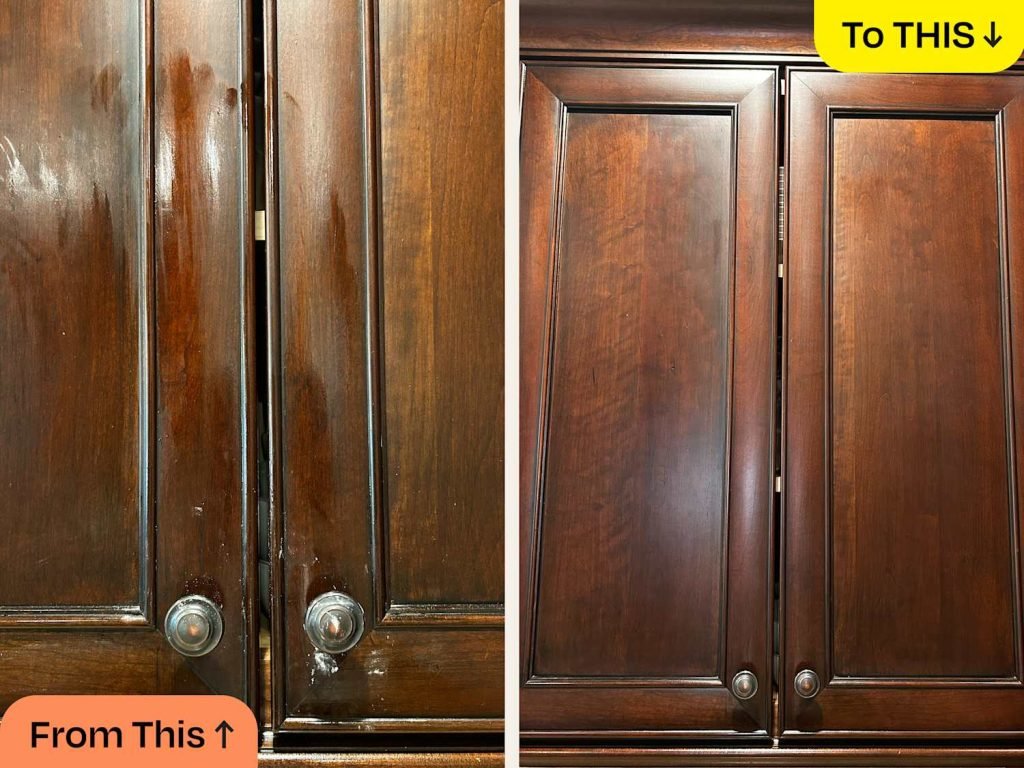
Are your kitchen cabinets covered in stubborn grease that just won’t come off? You’re not alone.
Greasy cabinets can make your entire kitchen look dull and dirty, even if you clean regularly. But don’t worry—finding the best cleaner for greasy kitchen cabinets can bring back that fresh, sparkling look you want. You’ll discover simple, effective solutions that will save you time and effort.
Keep reading to learn how you can easily tackle grease buildup and restore the shine to your kitchen cabinets today.

Credit: www.amazon.com
Causes Of Greasy Cabinets
Greasy kitchen cabinets can spoil the look of your entire kitchen. Understanding what causes this grease buildup helps you clean better and keep cabinets fresh. Grease comes from many sources in your kitchen. It sticks to cabinet surfaces and builds up over time. This layer can be hard to remove without the right cleaner.
Common Kitchen Grease Sources
- Cooking oils and fats released during frying or sautéing
- Steam carrying tiny grease droplets from boiling or simmering
- Smoke from grilling or broiling food
- Hands touching cabinets with oily residue
- Residue from food splatters and spills
Effects On Cabinet Surfaces
Grease makes cabinet surfaces sticky and dull. It attracts dust and dirt, making the kitchen look messy. Over time, grease can damage finishes, causing discoloration or stains. It can also trap bacteria, affecting kitchen hygiene. Cleaning regularly with the right product prevents long-term damage and keeps cabinets shining.

Credit: www.facebook.com
Types Of Kitchen Cabinet Materials
Kitchen cabinets come in various materials. Each type requires different care and cleaning methods. Knowing the material helps choose the best cleaner for greasy kitchen cabinets. Below are common types of kitchen cabinet materials.
Wood Cabinets
Wood cabinets bring warmth and style to kitchens. They can be solid wood or wood veneer. Wood absorbs grease and stains easily. Use gentle cleaners that do not damage the finish. Avoid harsh chemicals that strip the wood’s natural oils. Regular wiping with a soft cloth helps keep them clean.
Laminate Cabinets
Laminate cabinets are made of particleboard covered with plastic sheets. They resist moisture and stains better than wood. Grease may sit on the surface if not cleaned quickly. Mild soap and water work well for cleaning. Avoid abrasive scrubbers that can scratch the surface. Laminate cabinets are easier to maintain than wood.
Metal And Glass Cabinets
Metal cabinets often feature stainless steel or aluminum. They resist heat and moisture but show fingerprints and grease easily. Use cleaners designed for metal surfaces. Glass cabinet doors add a modern look. Grease can leave streaks on glass. Use glass cleaner or vinegar solution for clear shine. Soft cloths prevent scratches on both metal and glass.
Top Cleaners For Greasy Cabinets
Greasy kitchen cabinets need powerful cleaning solutions that do not damage surfaces. Choosing the right cleaner helps remove tough grease fast and keeps cabinets looking fresh. Various options exist, from natural to commercial products and DIY mixes. Each type suits different preferences and needs.
Natural Cleaning Solutions
Natural cleaners offer a gentle yet effective way to tackle grease. They use ingredients like vinegar, lemon, and baking soda. These items break down grease without harsh chemicals. Natural solutions are safe for most cabinet finishes and eco-friendly.
- White vinegar diluted with water removes grease easily.
- Lemon juice cuts through sticky residues and leaves a fresh scent.
- Baking soda forms a mild abrasive paste to scrub stubborn spots.
Commercial Degreasers
Commercial degreasers provide strong cleaning power for heavy grease buildup. These products are specially designed for kitchen use. They quickly dissolve grease and grime without much scrubbing. Choose degreasers labeled safe for wood or laminate cabinets to avoid damage.
- Spray degreasers with fast action formulas clean efficiently.
- Foam cleaners reach into crevices and detailed cabinet areas.
- Grease-cutting wipes offer convenience for quick touch-ups.
Diy Cleaning Recipes
DIY recipes combine household items for custom grease removers. These mixes are budget-friendly and easy to prepare. They work well for routine cleaning and mild grease stains. Experiment with ratios to find the best balance for your cabinets.
| Recipe | Ingredients | Instructions |
|---|---|---|
| Vinegar Spray | 1 cup white vinegar, 1 cup water | Mix and spray on cabinets, wipe with cloth. |
| Baking Soda Paste | 2 tbsp baking soda, 1 tbsp water | Apply paste on grease spots, scrub gently, rinse. |
| Lemon and Salt | Half lemon, salt | Dip lemon in salt, scrub greasy areas, wipe clean. |

Credit: www.amazon.com
How To Choose The Right Cleaner
Choosing the right cleaner for greasy kitchen cabinets can make a huge difference in maintaining their look and longevity. You want a product that tackles tough grease without damaging the surface or posing risks to your health. Let’s break down the key factors to help you pick a cleaner that fits your needs perfectly.
Safety Considerations
Think about who will be using the cleaner and how often. Harsh chemicals can irritate your skin or cause breathing issues, especially in a small kitchen space. Look for cleaners labeled as non-toxic or gentle, especially if you have kids or pets around.
Also, consider if the cleaner requires special handling, like gloves or good ventilation. I once used a strong degreaser without proper airflow and ended up with a headache that lasted hours. Always read safety instructions carefully before making a choice.
Effectiveness On Different Materials
Kitchen cabinets come in various materials—wood, laminate, metal, or painted surfaces—and not every cleaner suits all of them. Some cleaners might strip paint or dull wood finishes, which defeats the purpose of cleaning. Check the label to see if the product is safe for your cabinet type.
If you have wooden cabinets, a cleaner with natural oils or mild ingredients often works best. For laminate, stronger degreasers might be needed but test a small hidden area first. Have you ever applied a cleaner only to notice discoloration later? Avoid that by testing beforehand.
Environmental Impact
Many kitchen cleaners contain chemicals that can harm the environment once washed down the drain. Choosing eco-friendly cleaners helps reduce your household’s ecological footprint. Look for biodegradable labels or products with plant-based ingredients.
Some brands offer refillable containers or concentrates to minimize plastic waste. Small changes like these add up over time. Would you prefer a cleaner that keeps your kitchen fresh and supports a healthier planet?
Step-by-step Cleaning Process
Cleaning greasy kitchen cabinets can feel like a tough chore, but having a clear process makes it manageable and effective. You want to remove all the stubborn grease without damaging your cabinets. The right steps and tools help you get that fresh, clean look that lasts.
Preparation And Tools Needed
Start by gathering everything you’ll need. This includes a gentle but powerful cleaner designed for grease, microfiber cloths, a soft-bristle brush, a bucket of warm water, and rubber gloves to protect your hands.
Clear the cabinets of any items inside and nearby countertops. This prevents things from getting wet or dirty and gives you full access to every greasy spot.
Application Techniques
Apply the cleaner directly to the cloth instead of spraying it on the cabinet. This avoids over-saturating the surface and causing damage. Gently wipe in circular motions to break down the grease.
For tough, sticky spots, use the soft-bristle brush with cleaner and scrub lightly. Don’t rush; letting the cleaner sit for a minute can help lift grease. Always wipe off with a damp cloth afterward to remove residue.
Post-cleaning Care
Dry your cabinets thoroughly with a clean towel to prevent moisture damage. Consider applying a wood conditioner or polish if your cabinets are wooden to maintain their finish.
Think about how often your kitchen gets greasy. Would scheduling regular quick wipes save you time in the long run? Keeping up with minor cleaning prevents buildup and keeps your cabinets looking their best.
Tips To Prevent Grease Build-up
Preventing grease build-up on kitchen cabinets saves time and effort. It keeps cabinets looking clean and fresh. Simple daily habits reduce grease and stains effectively. Consistent care protects your kitchen’s appearance and hygiene.
Regular Maintenance Routines
Wipe cabinets after cooking to remove fresh grease. Use a soft cloth with warm, soapy water. Clean spills immediately to stop grease from hardening. Weekly deep cleaning keeps grime from building up. Avoid harsh scrubbing to protect cabinet surfaces.
Kitchen Ventilation Importance
Proper airflow reduces grease particles in the air. Use exhaust fans or range hoods during cooking. Open windows to let fresh air circulate. Good ventilation lowers moisture that attracts grease. It helps keep cabinets dry and clean longer.
Protective Coatings
Apply sealants or wax to cabinet surfaces for extra protection. Protective coatings block grease and stains from sticking. Choose products safe for your cabinet material. Reapply coatings every few months for best results. These layers make cleaning easier and faster.
Frequently Asked Questions
What Is The Best Cleaner For Greasy Kitchen Cabinets?
The best cleaner for greasy kitchen cabinets is a degreasing solution with natural ingredients. Vinegar and baking soda work well. They cut through grease without damaging cabinet surfaces. Commercial degreasers are also effective but choose non-toxic options for safety.
How Do I Remove Stubborn Grease From Cabinets?
To remove stubborn grease, apply a paste of baking soda and water. Let it sit for 10 minutes, then scrub gently with a soft cloth. Rinse with warm water and dry thoroughly to prevent residue buildup.
Can Natural Cleaners Effectively Clean Greasy Cabinets?
Yes, natural cleaners like vinegar and lemon juice effectively dissolve grease. They are safe, eco-friendly, and affordable. Regular use prevents grease buildup and keeps cabinets looking fresh without harsh chemicals.
How Often Should I Clean Greasy Kitchen Cabinets?
Clean greasy kitchen cabinets weekly to prevent buildup. Regular cleaning stops grease from hardening and makes deep cleaning easier. Wipe with a mild cleaner and soft cloth for best results.
Conclusion
Greasy kitchen cabinets can be tough to clean. Choosing the right cleaner makes the task easier. A good cleaner removes grease without harming surfaces. Regular cleaning keeps your cabinets looking fresh and new. Simple steps save time and effort in the kitchen.
Clean cabinets create a healthier and nicer cooking space. Try different cleaners to find what works best for you. Keep your kitchen bright and grease-free with the right care.
