
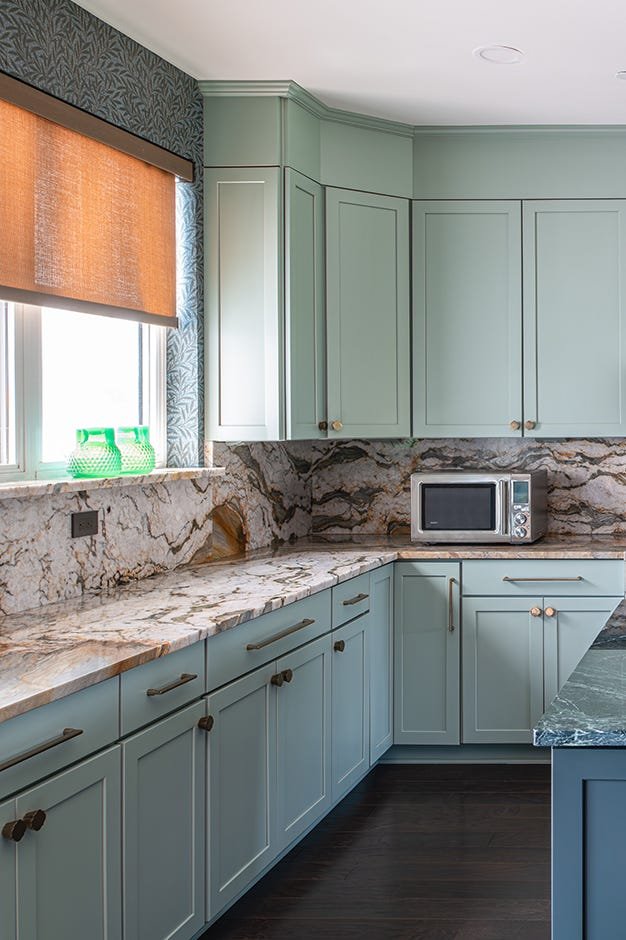
Is your kitchen feeling cramped or dull? The right color can change everything.
Choosing the best color for your small kitchen isn’t just about style—it can make your space look bigger, brighter, and more inviting. Imagine walking into your kitchen every day and feeling instantly refreshed and energized. You don’t have to settle for a cramped, dark room.
You’ll discover simple color secrets that can transform your small kitchen into a stunning, open space you’ll love. Keep reading, and find the perfect shade that works for you!
Choosing Light Colors
Choosing light colors for your small kitchen can make a remarkable difference in how spacious and inviting the area feels. Light hues reflect more natural and artificial light, instantly brightening up the space. They create an open, airy atmosphere that helps your kitchen look larger without any major renovations.
Whites And Off-whites
Whites and off-whites are classic choices that never go out of style. Pure white walls paired with matching cabinets can give your kitchen a clean and fresh look. Off-whites, like cream or ivory, add warmth without sacrificing brightness, making the space feel cozy yet open.
Think about your lighting too—white surfaces bounce light around, so your kitchen feels lighter even on gloomy days. Have you noticed how a simple white backsplash can instantly lift a small kitchen?
Soft Pastels
Soft pastels add a subtle hint of color without overwhelming your space. Shades like pale blue, mint green, or lavender bring a touch of personality while keeping the room airy. These colors work well on walls, cabinets, or even accessories like curtains and dishware.
Soft pastels can also help hide minor imperfections better than stark white. Could a gentle splash of pastel be the perfect way to brighten your kitchen and add charm at the same time?
Light Neutrals
Light neutrals such as beige, taupe, and light gray offer versatility and warmth. These shades serve as a great backdrop for bolder kitchen elements like colorful appliances or wood finishes. They keep the space feeling open while adding depth and character.
Using light neutrals allows you to play with textures—like matte tiles or glossy countertops—which can make your kitchen visually interesting without crowding it. What neutral shade would best match your kitchen’s style and lighting?
Using Bright Shades
Bright shades can transform a small kitchen from cramped and dull to lively and inviting. These colors reflect more light, making your space feel bigger and more open. Choosing the right bright shade can also set the mood you want while cooking or spending time with family.
Cheerful Yellows
Yellow instantly adds warmth and energy to your kitchen. A soft buttery yellow can create a cozy atmosphere, while a bold sunflower shade makes the room pop with happiness.
If your kitchen lacks natural light, yellow walls or cabinets can brighten the space without overwhelming it. Have you ever noticed how a splash of yellow can lift your mood even on gloomy days?
Fresh Greens
Green brings a calming, natural vibe that works well in small kitchens. Shades like mint or sage add freshness without feeling too intense.
Try painting one wall or adding green accessories like dish towels and plants to see how it changes the energy of your kitchen. Isn’t it amazing how a hint of green can make your kitchen feel more alive and relaxing?
Vibrant Blues
Blue offers a cool, clean look that can make your kitchen feel spacious and refreshing. Bright blues like turquoise or cobalt add a striking contrast to white countertops or wooden accents.
Consider blue backsplash tiles or a painted island to create a focal point that draws the eye. What if a splash of blue could turn your small kitchen into a stylish, peaceful retreat?
Incorporating Dark Accents
Incorporating dark accents in a small kitchen creates depth and contrast. Dark colors add drama without overwhelming the space. They highlight features and bring balance to lighter tones. Using dark shades wisely can make the kitchen feel cozy yet stylish.
Deep Grays
Deep grays offer a soft alternative to black. They bring sophistication and elegance to small kitchens. Gray works well on cabinets, backsplashes, or countertops. This color pairs nicely with whites and natural wood tones. It creates a calm and modern atmosphere.
Navy Tones
Navy tones add rich color and timeless charm. They make small kitchens feel inviting and classic. Navy looks great on island units or lower cabinets. This color contrasts beautifully with light walls and bright fixtures. It adds personality without shrinking the room.
Bold Blacks
Bold blacks create striking accents and sharp lines. Use black for hardware, lighting, or small appliances. It anchors the design and adds a modern edge. Black pairs well with white tiles and metallic finishes. This color emphasizes style while keeping the space open.

Credit: www.housebeautiful.com
Balancing Color And Light
Balancing color and light in a small kitchen is key to making the space feel open and inviting. The right colors can brighten the room, while smart lighting choices enhance those hues without overwhelming the space. Have you ever stepped into a kitchen that felt cramped and dark despite having ample square footage? That’s often a sign that color and light aren’t working together effectively.
Maximizing Natural Light
Natural light is your best ally in a small kitchen. Keep window treatments minimal or choose sheer fabrics to allow sunlight to pour in freely. Avoid heavy curtains or blinds that block light and make the room feel smaller.
If privacy is a concern, frosted glass or light-filtering shades can help without sacrificing brightness. Position your work surfaces near windows to benefit from natural illumination during meal prep.
Choosing Reflective Surfaces
Reflective surfaces bounce light around, making your kitchen seem larger and brighter. Glossy cabinets, glass backsplashes, and polished countertops all help reflect light instead of absorbing it.
Consider white or light-colored tiles with a shiny finish. Even stainless steel appliances contribute by adding subtle reflections that enhance the room’s overall glow. Are your surfaces dull or matte? Switching to reflective options could transform your space.
Layering With Accessories
Accessories offer a simple way to add color without overwhelming the room. Brightly colored rugs, dish towels, or vases can introduce personality while keeping the base color scheme light and open.
Use small pops of bold color strategically—like a cheerful yellow kettle or turquoise bowls—to create interest. This layering approach keeps your kitchen feeling fresh and lively without shrinking the space.
Color Combinations That Work
Choosing the right color combination can transform your small kitchen from cramped to cozy and inviting. The trick is to balance colors in a way that opens up the space while adding character. Let’s look at some color combinations that not only work well but also make your kitchen feel larger and more vibrant.
Monochromatic Schemes
Using different shades of the same color creates a unified and spacious feel. Light blues, soft grays, or gentle greens work wonders in small kitchens. You can paint the walls a pale shade, choose slightly darker cabinets, and use the darkest tone for accents.
This approach reduces visual clutter and makes your kitchen feel calm. Have you ever noticed how a single color in varying depths can give depth without overwhelming? It’s a simple way to keep things cohesive while adding subtle interest.
Complementary Colors
Complementary colors sit opposite each other on the color wheel, like blue and orange or green and red. When used thoughtfully, they bring energy and balance to your kitchen. Try using a soft blue on the walls paired with warm wooden cabinets or orange accessories.
Be careful not to overdo it—too much contrast can make a small space feel busy. Instead, use one color as the base and the other as a pop of brightness. This combo encourages your eye to move around the room, making the space feel larger.
Analogous Palettes
Analogous colors sit next to each other on the color wheel, such as yellow, yellow-green, and green. These palettes create harmony and a natural flow, perfect for small kitchens that need gentle energy. You might paint your walls a soft yellow and add mint green cabinets with light wood accents.
This combination feels fresh and welcoming without overwhelming your senses. Have you tried mixing similar colors before? It’s a subtle way to add depth and interest while keeping your kitchen airy and open.

Credit: www.goodhousekeeping.com
Tips For Painting Small Kitchens
Painting a small kitchen needs careful planning. The right paint can make the space feel bigger and brighter. Choosing the right color and finish improves the kitchen’s look. Proper preparation ensures the paint sticks well and lasts longer. Avoiding common mistakes saves time and money. Follow these tips to create a fresh, inviting kitchen.
Selecting The Right Finish
Choose a finish that suits kitchen use. Semi-gloss or satin finishes work well. They resist moisture and are easy to clean. Matte finishes hide wall imperfections but may stain easily. Avoid flat finishes in kitchens because they absorb grease. The right finish balances beauty and practicality.
Preparing Walls Properly
Clean walls before painting to remove dirt and grease. Use mild soap and water for cleaning. Repair cracks and holes with spackle or filler. Sand patched areas smooth for an even surface. Apply a primer to help paint stick better. Proper prep makes the paint look smooth and last longer.
Avoiding Common Mistakes
- Do not skip cleaning the walls first.
- Avoid dark colors that shrink small spaces visually.
- Do not use glossy finishes on all surfaces.
- Avoid thick paint layers; they drip and dry unevenly.
- Do not ignore proper ventilation during painting.

Credit: www.goodhousekeeping.com
Frequently Asked Questions
What Color Makes A Small Kitchen Look Bigger?
Choosing light colors like white or pale gray can make a small kitchen feel more spacious. These shades reflect natural light, creating an airy atmosphere. Additionally, light colors can seamlessly blend with other design elements, enhancing the illusion of space in confined areas.
Can Dark Colors Work In Small Kitchens?
Dark colors can work in small kitchens when used strategically. Consider using dark accents or lower cabinets with lighter walls. This contrast can add depth without overwhelming the space. Balance is key; too much darkness can make the kitchen feel cramped.
Are Bright Colors Suitable For Small Kitchens?
Bright colors can energize a small kitchen, adding personality and vibrancy. Use them as accents or on one wall to avoid overpowering the space. A pop of bright color can create a focal point, making the kitchen feel lively and inviting.
How Do Neutral Colors Benefit Small Kitchens?
Neutral colors provide a timeless, versatile backdrop for small kitchens. Shades like beige or taupe can complement various styles and design elements. These colors create a calm atmosphere, allowing other features, like appliances or decor, to stand out.
Conclusion
Choosing the best color can brighten a small kitchen space. Light shades make rooms feel larger and more open. Soft whites, pale blues, and gentle greens work well. These colors reflect light and create a fresh look. Dark colors can make the space feel tight and closed.
Remember to pick a color you enjoy daily. Small kitchens can feel cozy and inviting with the right hues. Simple choices bring big changes to your kitchen’s mood. Color shapes how you feel in your cooking space. Keep it light, calm, and cheerful for best results.
