
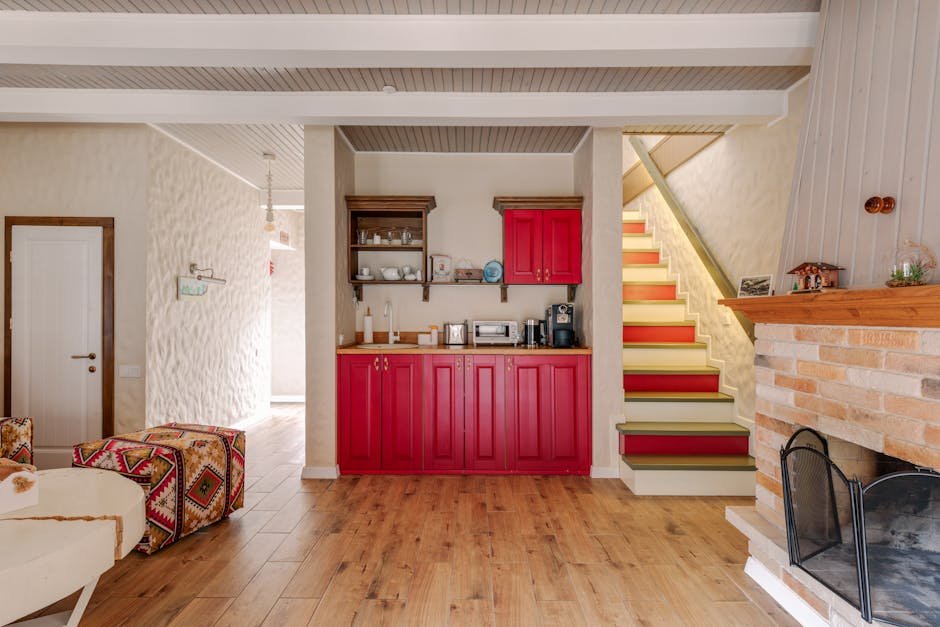
Choosing the best color for your kitchen walls can completely change how your space feels. Whether you want a bright, cheerful room or a calm, cozy corner, the right color makes all the difference.
You might feel overwhelmed by the countless options, but don’t worry—this guide will help you find the perfect shade that suits your style and mood. Keep reading, and you’ll discover how simple color choices can turn your kitchen into the heart of your home.
Choosing The Right Color
Choosing the right color for your kitchen walls can completely change the atmosphere and functionality of the space. Colors affect mood, perceived space, and even appetite, so picking the perfect shade is more than just a design choice—it’s a practical decision. Think about how you use your kitchen daily and what feeling you want it to evoke before settling on a color.
Warm Vs Cool Tones
Warm tones like reds, oranges, and yellows bring energy and coziness to your kitchen. They make the space feel inviting and lively, perfect if you want to encourage conversation and activity. However, if your kitchen gets a lot of natural light, warm colors can sometimes feel overpowering, so balance them with light accessories.
Cool tones such as blues, greens, and purples create a calming, fresh environment. They work well if your kitchen is a place to relax or if it lacks natural light, as cool shades can open up the space visually. But be careful—too much cool color might make the kitchen feel cold or uninviting unless paired with warm accents.
Neutral Shades
Neutral colors like beige, gray, and soft whites offer flexibility and timelessness. They provide a clean backdrop that lets your kitchen’s features, like cabinets and countertops, stand out. Neutrals also make it easier to change your kitchen’s look over time without repainting.
Think about the undertones in your neutral shade. A gray with blue undertones can feel cool, while one with brown undertones leans warm. Testing samples on different walls at different times of day helps you see how the color really looks in your kitchen.
Bold And Bright Options
Bold colors like deep navy, emerald green, or sunny yellow can turn your kitchen into a statement space. These colors add personality and can make a small kitchen feel dynamic and energetic. If you’re hesitant to paint all walls in a bold color, try an accent wall or bold cabinetry instead.
Bright colors also work well in kitchens with neutral flooring and countertops, adding a pop that draws the eye. Ask yourself: do you want your kitchen walls to be a focal point or a subtle backdrop? Your answer will guide how daring you can be with color.
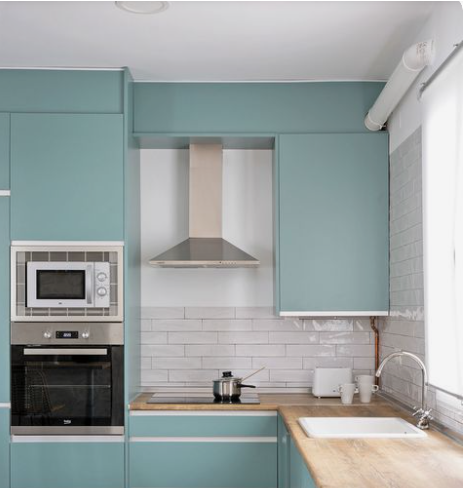
Credit: www.jswpaints.in
Popular Kitchen Wall Colors
Choosing the right color for your kitchen walls can change the entire mood of the space. Popular kitchen wall colors offer a variety of moods, from calm and inviting to bold and energizing. Think about what atmosphere you want to create every time you step into your kitchen.
Classic White And Off-white
White and off-white walls create a clean, fresh look that never goes out of style. These shades make your kitchen feel larger and brighter, especially if you don’t have a lot of natural light. You can easily match white walls with almost any cabinet or countertop style.
Using white also gives you freedom to add colorful accessories or artwork without clashing. Have you noticed how many modern kitchens use white as a base? It’s a safe choice that lets other design elements shine.
Soft Pastels
Soft pastel colors like mint green, pale blue, or blush pink bring a subtle charm to your kitchen. These gentle hues add personality without overwhelming the space. They work well if you want a cozy, welcoming feel without the intensity of bright colors.
Pastels pair beautifully with natural wood tones or white cabinetry, creating a balanced look. Have you thought about how a soft pastel wall might brighten your morning coffee ritual?
Rich Earthy Hues
Deep greens, warm browns, and terracotta shades bring warmth and grounding energy to kitchen walls. These colors connect your space to nature and make it feel inviting. They work especially well in kitchens with rustic or farmhouse styles.
Rich earthy tones can also hide minor stains or wear better than lighter colors. If you want a kitchen that feels like a retreat, these hues are worth considering. Could a touch of earthiness make your kitchen more relaxing?
Vibrant Accent Colors
Bold colors like navy blue, mustard yellow, or fiery red create an eye-catching focal point in your kitchen. Using these as accent walls adds energy and personality without overwhelming the room. Pair them with neutral cabinets to balance the look.
Vibrant colors encourage creativity and liveliness, perfect for a kitchen where you spend a lot of time. Have you tried adding a splash of bold color to bring life into your cooking space?
Color Combinations That Work
Choosing the right color combinations for your kitchen walls can transform the entire space. The key is to find pairs or groups of colors that balance each other and create a mood that fits your style. Understanding how colors interact helps you make confident choices that bring harmony and interest to your kitchen.
Complementary Colors
Complementary colors sit opposite each other on the color wheel, such as blue and orange or red and green. Using these pairs adds energy and vibrancy to your kitchen walls without overwhelming the space.
Try painting one wall in a rich teal and using warm terracotta accents elsewhere. This contrast can make your kitchen feel lively yet balanced. Have you considered how a splash of a complementary color might brighten your cooking area?
Monochromatic Schemes
Monochromatic schemes use different shades and tints of the same color. This approach creates a calm and cohesive look that feels sophisticated and spacious.
For example, soft greys with charcoal accents can make your kitchen feel sleek and modern. Adding texture, like a matte finish or subtle patterns, can keep the single-color palette from feeling flat.
Contrasting Accents
Contrasting accents involve using a dominant neutral wall color with bold pops of contrasting shades in details like trim, cabinets, or backsplash.
Imagine creamy white walls paired with navy blue cabinets or a bright yellow backsplash. These accents draw the eye and add personality without overpowering your kitchen’s overall look. What small contrasting touch could bring your kitchen to life?
Impact Of Lighting On Wall Colors
Lighting plays a crucial role in how wall colors appear in your kitchen. The same shade can look vibrant or dull depending on the type and amount of light hitting it. Understanding lighting’s impact helps you choose colors that stay true to your vision throughout the day and night.
Natural Light Effects
Natural light changes throughout the day, affecting your kitchen walls dramatically. Morning sunlight often casts a cool, bluish tone, making colors appear sharper and more vivid.
Afternoon light brings warmth, softening colors and adding a golden glow. South-facing kitchens usually get the most light, so bright or dark colors can look different than expected.
Think about the direction your kitchen faces. Does your wall color brighten up in daylight or does it look washed out? Testing paint samples at various times can save you from surprises.
Artificial Lighting Considerations
Artificial lights vary greatly—LEDs, incandescent bulbs, and fluorescents all emit different color temperatures. Warm lights (yellowish) tend to enhance reds, oranges, and yellows, making your walls feel cozy.
Cool lights (bluish) highlight blues and greens but can make warm colors feel dull. You may want softer, warm lighting if your kitchen walls are painted in warm tones.
Don’t forget the placement of lights. Overhead lighting can create harsh shadows, while under-cabinet lights offer focused brightness that changes how your wall color is perceived.
Have you tried switching your kitchen bulbs to see how your wall color responds? Small changes in lighting can dramatically shift your kitchen’s mood.
Matching Wall Colors With Cabinets And Countertops
Choosing the right wall color to match your cabinets and countertops can transform your kitchen into a harmonious and inviting space. The key is to find a balance that highlights the materials without overwhelming the room. Understanding how colors interact with different surfaces will help you create a cohesive look that feels both stylish and comfortable.
Coordinating With Wood Finishes
Wood cabinets bring warmth and texture to your kitchen, but their color tone varies widely—from light maple to rich mahogany. When picking wall colors, consider the undertones of your wood. Cooler wall shades like soft grays or muted blues can balance warm wood tones, while warmer walls in cream or beige complement cooler, darker woods.
Think about contrast too. If your cabinets are dark, lighter walls will make the kitchen feel more spacious. I once painted my kitchen walls a pale sage green to soften the look of dark oak cabinets, and it made the entire space feel fresh and inviting.
Pairing With Stone And Tile
Countertops and backsplashes often feature stone or tile with unique patterns and colors. Let these surfaces guide your wall color choice. Pull a subtle shade from your stone’s veins or flecks to create a seamless flow throughout the room.
If your countertop has bold veining or strong colors, neutral walls like soft white or light taupe can prevent visual clutter. On the other hand, if your stone is understated, adding a richer wall color can add depth and personality. What colors stand out in your countertops that you might want to emphasize?
Balancing Modern And Traditional Styles
Modern kitchens often use sleek, monochromatic palettes, while traditional styles lean toward warm, layered colors. Your wall color can either support or contrast the style you want to highlight. For modern kitchens, try cool tones like slate gray or crisp white to keep the look clean and minimalist.
Traditional kitchens benefit from warmer hues such as buttery yellow or soft terracotta, which enhance their cozy feel. However, mixing styles can work too—pairing a neutral wall with classic cabinets and modern countertops creates an interesting, balanced look. How do you want your kitchen’s style to feel when you step in?

Credit: www.goodhousekeeping.com
Tips For Painting Kitchen Walls
Painting kitchen walls can transform the entire space. Choosing the right approach helps achieve a fresh, lasting look. Proper preparation and paint choice improve durability and appearance. Knowing when to hire a professional saves time and effort. These tips guide you through the painting process easily.
Choosing The Right Paint Finish
Pick a paint finish that suits kitchen conditions. Semi-gloss and satin finishes resist moisture and stains well. Matte finishes can hide wall imperfections but are harder to clean. Use satin for a smooth, washable surface. This finish balances shine with easy maintenance.
Prep And Protection
Prepare walls before painting for smooth results. Clean surfaces remove grease and dirt that block paint. Fill holes and cracks with spackle or putty. Sand rough areas lightly for an even texture. Protect cabinets, counters, and floors using drop cloths and painter’s tape. Proper prep prevents damage and paint mistakes.
Diy Vs Professional Painting
Painting yourself saves money and offers control over the process. Choose this if walls need minor fixes and you have time. Hire professionals for large kitchens or complex wall textures. Experts deliver faster, cleaner finishes and handle tricky spots. Consider your skill level and project size before deciding.
Trends In Kitchen Wall Colors
Choosing the right color for your kitchen walls can transform the entire space. Trends are shifting towards options that not only look great but also align with lifestyle and environmental values. Are you ready to see what’s making kitchens fresh and inviting this year?
Sustainable And Eco-friendly Paints
More homeowners are picking paints that are better for the planet and their health. These paints have low or zero volatile organic compounds (VOCs), which means less harmful fumes in your kitchen. Imagine cooking in a space that feels fresher because of cleaner air—doesn’t that sound inviting?
Brands now offer a wide range of colors in eco-friendly formulas, so you don’t have to sacrifice style. From soft pastels to rich earth tones, sustainable paints are proving they can match any kitchen vibe. Have you considered how your paint choice can reduce your carbon footprint?
Textured And Patterned Walls
Flat colors are no longer the only option for kitchen walls. Textured and patterned finishes add depth and character that can make your kitchen stand out. Think about adding a subtle sand texture or a geometric stencil to create an eye-catching backdrop for your cooking space.
These details can also hide minor wall imperfections, making them practical as well as stylish. What kind of pattern or texture would make your kitchen uniquely yours? Using textured wallpaper or raised paint techniques can turn a simple wall into a focal point you’ll love.

Credit: www.goodhousekeeping.com
Frequently Asked Questions
What Are The Best Colors For Kitchen Walls?
The best kitchen wall colors include soft neutrals, light blues, greens, and warm grays. These shades create a fresh, inviting atmosphere and complement most kitchen styles. Bright colors like yellow or red can add energy but should be balanced with neutral tones for harmony.
How Do Wall Colors Affect Kitchen Mood?
Wall colors greatly influence kitchen mood. Warm colors like red and orange stimulate appetite and energy. Cool colors such as blue and green create calmness and relaxation. Neutral tones offer versatility and a timeless feel, making them suitable for various kitchen designs and personal preferences.
Which Kitchen Wall Colors Increase Space Perception?
Light colors like white, pale gray, and soft pastels make kitchens feel larger and more open. These shades reflect natural light well, enhancing brightness and space perception. Avoid dark colors in small kitchens, as they can make the room feel cramped and less inviting.
Can Bold Colors Work On Kitchen Walls?
Yes, bold colors like navy blue, emerald green, and deep red can work well on kitchen walls. Use them as accent walls or paired with lighter shades to avoid overwhelming the space. Bold colors add personality and style when balanced with neutral cabinetry and decor.
Conclusion
Choosing the best color for kitchen walls can change the whole room’s feel. Bright colors bring energy and make space look bigger. Soft tones create calm and warmth. Dark shades add style and depth. Think about your kitchen size and light before picking.
Your choice should match your style and daily mood. A fresh coat of paint can refresh your kitchen quickly. Small changes make a big difference. Enjoy creating a space where cooking feels fun and relaxing.
