
Is your kitchen feeling cramped or dull? Choosing the right colors can make a small kitchen look bigger, brighter, and more inviting.
Imagine walking into a space that instantly lifts your mood and sparks your creativity. The best colors don’t just paint your walls—they transform your entire cooking experience. Ready to discover which shades will open up your kitchen and bring warmth to your home?
Keep reading, and you’ll find simple, effective color ideas that work perfectly for small kitchens like yours.

Credit: www.goodhousekeeping.com
Choosing Light Colors
Choosing light colors for your small kitchen can dramatically change the way the space feels. Light shades reflect more natural and artificial light, making your kitchen appear larger and more inviting. They also provide a clean backdrop that allows other design elements to stand out without overwhelming the space.
Whites And Off-whites
White and off-white tones are timeless choices that brighten any kitchen instantly. These colors open up the room and create a fresh, airy atmosphere. You might try creamy ivory or soft eggshell instead of stark white to add warmth without sacrificing brightness.
Have you noticed how white cabinets paired with light countertops can make the kitchen feel like it extends beyond its walls? Even a small splash of white on the walls or backsplash can lift the entire room.
Soft Pastels
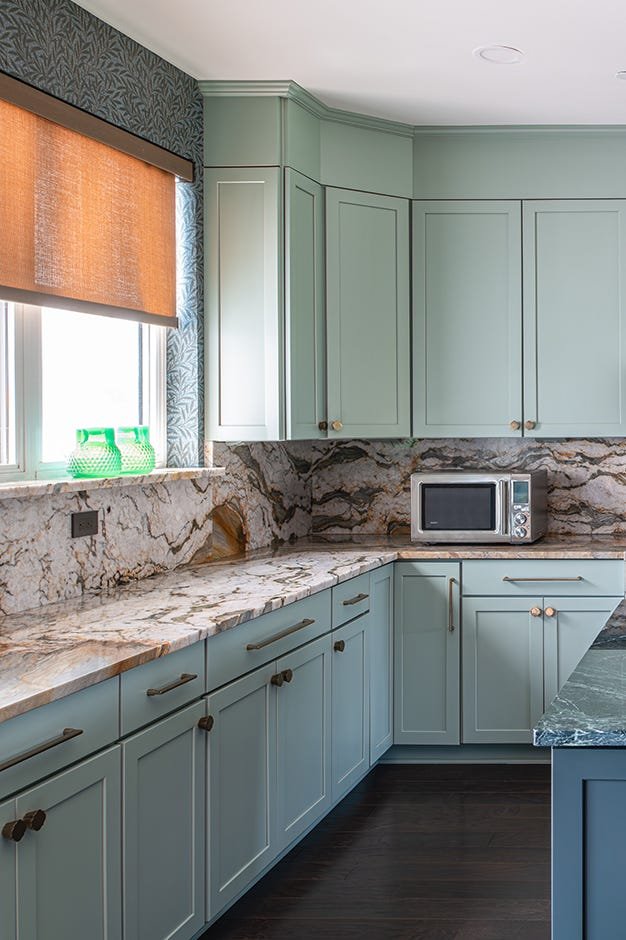
Soft pastel colors bring a gentle hint of color while keeping things light and bright. Think pale blues, mint greens, or blush pinks—they add personality without closing in the space. These tones work well if you want a subtle pop that doesn’t compete with the rest of your kitchen.
Pastels also create a calming environment, which can make your kitchen more enjoyable to spend time in. Have you considered how a pastel backsplash or light-colored shelves might refresh your kitchen’s vibe?
Light Neutrals
Light neutrals like beige, taupe, or soft gray offer a versatile palette for small kitchens. These colors add warmth and depth while keeping the room feeling spacious. They blend well with various materials such as wood, stainless steel, and stone, giving you flexible styling options.
Using light neutrals can help you avoid the starkness of white while still maximizing light reflection. How could layering different neutral tones add texture and interest without making your kitchen feel cluttered?
Bold Colors That Work
Choosing bold colors for a small kitchen might seem risky, but the right shades can add personality without overwhelming the space. Bold colors can create depth and make your kitchen feel lively and unique. The key is to pick tones that balance richness with warmth, making your kitchen both stylish and inviting.
Deep Blues
Deep blues bring a sense of calm and sophistication to a small kitchen. They work well on cabinets or an accent wall, creating a cozy yet open feel. Pairing deep blues with white countertops or light wood can brighten the space and prevent it from feeling too dark.
Have you considered how navy blue can highlight your kitchen’s hardware and fixtures? It’s a bold choice that often surprises people with how much it enhances natural light.
Rich Greens
Rich greens add a fresh, organic vibe that energizes small kitchens. Olive or forest green shades provide depth without feeling heavy. These colors pair beautifully with brass or gold accents, giving your kitchen a modern yet timeless look.
Think about using rich green on lower cabinets to ground the room, while keeping upper areas light. This creates a balanced contrast that makes your kitchen feel spacious and connected to nature.
Warm Terracotta
Warm terracotta tones bring earthiness and warmth to your kitchen. This color can make your space feel welcoming and vibrant, especially when combined with neutral tiles or natural wood surfaces. It’s a great way to add character without overwhelming your senses.
Would you try terracotta on an island or backsplash? It’s a clever way to introduce bold color in a focused area, making your kitchen the heart of your home.
Accent Walls And Color Pops
Accent walls and color pops bring life to small kitchens. They create focus and break the monotony of plain walls. Using bright colors in small spaces makes the kitchen feel lively and inviting.
These touches add personality without overwhelming the room. Small kitchens benefit from well-placed bursts of color. They make the space look bigger and more cheerful.
Using Bright Accents
Choose one wall to paint in a bright, bold color. Reds, yellows, or blues work well. This wall becomes the kitchen’s focal point. It adds energy without cluttering the space.
Keep other walls neutral to avoid a cramped feeling. Bright accents pair nicely with white or light gray. The contrast highlights the accent wall beautifully.
Colorful Backsplashes
A backsplash is a perfect spot for color in a small kitchen. Tiles in vibrant shades create visual interest. Patterns or solid colors both work well.
Choose colors that complement your cabinets and counters. Blues and greens add freshness. Warm tones like orange and red bring warmth.
Colorful backsplashes are easy to clean and maintain. They brighten the kitchen without taking up space.
Decorative Accessories
Small kitchens can use colorful accessories for pops of color. Think about items like:
- Vibrant dish towels
- Brightly colored small appliances
- Decorative bowls or vases
- Colorful rugs or mats
These items add charm and personality. They are easy to change or update with seasons or trends.
Color And Lighting Effects
Color and lighting work together to shape how your small kitchen feels. The right shades can make the space look bigger and brighter, while the wrong choices might make it feel cramped and dull. Understanding how color interacts with light helps you create a kitchen that’s both functional and welcoming.
Maximizing Natural Light
Natural light is your best friend in a small kitchen. It opens up the space, making colors appear more vibrant and your kitchen feel airy. Try to keep window areas clear and use light, sheer curtains or none at all to let in as much daylight as possible.
Have you noticed how a tiny kitchen feels completely different at noon compared to evening? Positioning reflective surfaces near windows can bounce natural light deeper into the room. This simple move brightens corners that usually stay shadowed.
Choosing Reflective Finishes
Reflective finishes like glossy tiles, polished countertops, and shiny cabinet surfaces amplify light by bouncing it around the room. They create the illusion of more space and add a modern touch to your kitchen.
Matte finishes absorb light and can make small kitchens feel closed in. If you love soft, muted colors, balance them with reflective accents such as glass backsplash or stainless steel appliances. This mix keeps your kitchen from looking flat or dull.
Balancing Warm And Cool Tones
Warm tones like soft yellows and peach bring energy and coziness to small kitchens, but too much warmth can shrink the space visually. Cool tones such as pale blues and greens give a calming, spacious effect but might feel cold if overdone.
Combine warm and cool tones to get the best of both worlds. For instance, pair cool blue cabinets with warm wood countertops or accessories. This balance makes your kitchen inviting without sacrificing the sense of openness.
Combining Colors For Depth
Combining colors in a small kitchen creates a sense of depth and space. It makes the room feel larger and more inviting. Using different color ideas helps avoid a flat, boring look. This approach adds personality and style without overwhelming the space.
Monochromatic Schemes
Monochromatic schemes use different tones of the same color. This creates a soft, unified look. For example, light blue walls with navy blue cabinets add depth without clutter. It keeps the kitchen calm and spacious. Using varying shades adds interest while staying simple.
Contrasting Combinations
Contrasting colors create energy and visual appeal. Pairing light and dark colors brings depth to the room. White cabinets with black countertops offer a clean, modern look. Soft pastels combined with bold accents also work well. This method highlights different kitchen features clearly.
Layering Textures And Shades
Layering textures with color adds richness and depth. Matte, glossy, and rough surfaces catch light differently. Mixing soft shades with textured tiles or wood enhances the space. It breaks monotony and adds warmth. This technique makes small kitchens feel cozy yet spacious.

Credit: www.goodhousekeeping.com
Common Mistakes To Avoid
Choosing the right colors for a small kitchen can be tricky. Many people make simple mistakes that make the space feel smaller or less welcoming. Avoiding these common errors helps create a bright, open, and stylish kitchen.
Overusing Dark Colors
Dark colors can make a kitchen feel cozy, but too much can shrink the space visually. Small kitchens need light and bright tones to reflect more light. Use dark shades sparingly, such as on an accent wall or cabinets. Balance dark colors with lighter hues to keep the room open.
Ignoring Kitchen Size
Not considering the kitchen’s size leads to color choices that overwhelm. Large, bold patterns or very strong colors can crowd a small kitchen. Opt for soft, neutral colors that create an illusion of space. Remember, light colors make walls and cabinets appear bigger.
Neglecting Cohesive Style
Colors should match the kitchen’s overall style and your home’s decor. Mixing too many colors or clashing tones causes visual chaos. Choose a color palette that flows well with furniture, flooring, and appliances. A cohesive look makes the kitchen feel harmonious and pleasant.

Credit: www.housebeautiful.com
Frequently Asked Questions
What Are Ideal Colors For Small Kitchens?
Light colors like white, cream, and pastel shades make small kitchens look spacious. They reflect light, enhancing brightness and openness. Choose colors that match your style while maintaining a fresh and airy ambiance.
Can Dark Colors Work In Small Kitchens?
Dark colors can work but should be used sparingly. Consider accent walls or cabinets to add depth. Pair them with lighter shades to avoid overwhelming the space and maintain balance.
How Do Bright Colors Affect Small Kitchens?
Bright colors add energy and vibrancy to small kitchens. They can create a cheerful atmosphere and highlight certain areas. Use them wisely to prevent the space from feeling cramped.
Are Neutral Colors Suitable For Small Kitchens?
Neutral colors like gray and beige offer versatility and elegance. They create a calming environment and work well with various design elements. These shades provide a timeless backdrop for any kitchen style.
Conclusion
Choosing the right colors makes a small kitchen feel larger and brighter. Light shades open up space and create a fresh look. Soft blues, whites, and pastels work well for walls and cabinets. Adding a splash of color can bring personality without crowding the room.
Remember, simple colors keep the kitchen calm and inviting. Try these tips to make your small kitchen both stylish and cozy. A well-chosen color scheme can truly change how your kitchen feels.
