

Choosing the best colour for your kitchen walls can change the entire feel of your home. You want a shade that makes your kitchen feel welcoming, bright, and full of energy.
But with so many options, how do you pick the one that suits your style and mood? This guide will help you discover the perfect colour that not only looks great but also makes your kitchen a place you love to spend time in.
Keep reading to find out how a simple colour change can transform your kitchen and lift your daily mood.

Credit: www.housebeautiful.com
Choosing Kitchen Wall Colors
Choosing the right color for your kitchen walls can transform the entire space. It influences how you feel while cooking, dining, or simply hanging out. Picking a color isn’t just about what looks good; it’s about how that color works with your kitchen’s style, size, and lighting.
Impact Of Color On Mood
Colors have a strong effect on your emotions. Warm shades like reds and oranges can make the kitchen feel lively and energetic, perfect if you want to boost appetite and conversation. Cooler tones like blues and greens tend to calm and refresh, which might help if you prefer a peaceful cooking area.
Think about your daily kitchen routine. Do you need a color that wakes you up in the morning or one that helps you relax after a long day? Your choice can set the tone for every meal and gathering.
Matching With Kitchen Style
Your kitchen’s design influences which colors will work best on the walls. A modern kitchen with sleek cabinets pairs well with neutral colors like gray or white, creating a clean, spacious feel. On the other hand, a rustic or farmhouse kitchen shines with earthy tones such as warm beige or soft sage.
Try to match your wall color with elements like countertops, cabinets, and flooring. This harmony pulls the whole look together and makes your kitchen feel intentional and welcoming.
Considering Kitchen Size And Lighting
Light and space play a big role in how colors appear. Small kitchens benefit from lighter colors like pale yellow or soft cream to open up the room and make it feel larger. Dark colors can work too but use them carefully to avoid making the space feel cramped.
Natural light changes how paint looks during the day. If your kitchen gets lots of sunlight, bolder colors can add character without overwhelming. In dimmer kitchens, lighter and warmer tones help keep the space cheerful and bright.
Popular Kitchen Wall Colors
Choosing the right color for kitchen walls sets the tone for the entire space. Popular kitchen wall colors range from timeless classics to bold statements and soft, calming shades. Each color style offers unique benefits that suit different kitchen designs and moods.
Classic Whites And Neutrals
White and neutral tones never go out of style. They create a clean, bright, and spacious feel. These colors work well with any kitchen decor and make small kitchens appear larger. Shades like ivory, beige, and light gray offer a subtle warmth without overpowering the room.
Bold And Vibrant Hues
Bright colors energize the kitchen and add personality. Popular bold colors include deep blues, rich greens, and fiery reds. These hues bring life and excitement to cooking spaces. Use them on an accent wall or throughout the kitchen for a modern, lively atmosphere.
Soft Pastels And Muted Tones
Soft pastels create a calm and welcoming environment. Light blues, gentle pinks, and pale greens are popular choices. Muted colors add a touch of elegance without being too bright. These shades pair well with natural wood and white cabinets for a cozy kitchen look.
Color Combinations For Kitchen Walls
Choosing the right color combinations for your kitchen walls can transform the entire space. The right mix not only enhances the room’s look but also affects your mood and appetite. Think about how colors interact and what feeling you want to create before picking your palette.
Complementary Color Pairings
Complementary colors sit opposite each other on the color wheel, creating a vibrant contrast when paired. This combo can energize your kitchen and make it feel lively.
Try pairing a soft blue wall with warm orange accents like kitchen towels or bar stools. The cool and warm contrast adds depth without overwhelming the space.
Be cautious with bold pairs like red and green; balance is key. Use one color as the main wall shade and the other for smaller details to keep harmony.
Monochromatic Schemes
Monochromatic schemes use different shades of the same color for a subtle, cohesive look. This approach can make your kitchen feel larger and more open.
For example, light gray walls with charcoal cabinets create a modern, sleek vibe. Adding white trim or backsplash can brighten the space without breaking the color flow.
Monochromatic colors are perfect if you want a calm kitchen environment that still feels stylish and put-together.
Accent Walls And Color Blocking
An accent wall introduces a bold color to one area, instantly grabbing attention. This technique is excellent if you want to experiment without overwhelming the entire kitchen.
Consider a deep green or navy wall behind open shelves or your dining nook. Pair it with neutral tones on the other walls for balance.
Color blocking, where large blocks of different colors meet, can define zones in an open kitchen. Try using a bright yellow block next to a soft gray to highlight your cooking and dining areas separately.
Choosing Paint Finishes
Choosing the right paint finish for kitchen walls is key to balancing beauty and function. The finish affects the wall’s look, feel, and how well it stands up to daily wear. Kitchens need finishes that handle moisture, stains, and frequent cleaning. Picking the right type keeps your walls looking fresh longer and makes maintenance easier.
Matte Vs. Glossy
Matte finishes offer a smooth, non-shiny surface. They hide wall imperfections well. Glossy finishes reflect more light and have a shiny look. They make colors appear brighter and more vibrant. Matte feels soft and subtle. Glossy feels smooth and slick. Each finish changes the kitchen’s mood and style.
Durability And Cleanability
Kitchens need paint that can handle spills and scrubs. Glossy finishes are more durable and easier to clean. They resist stains and moisture better. Matte finishes can absorb stains and mark easily. They might need gentle cleaning to avoid damage. Durability is vital for busy kitchen walls.
Best Finishes For Kitchen Walls
- Satin:Offers a soft sheen, easy to clean, and durable.
- Eggshell:Has a low sheen, hides imperfections, and is washable.
- Semi-gloss:Shiny and tough, great for moisture-prone areas.
- Matte:Best for low-traffic kitchens or accent walls.
Satin and semi-gloss finishes balance look and function well. They provide a fresh appearance and stand up to kitchen conditions. Eggshell works well if you want less shine but still need cleanable walls.
Tips For Painting Kitchen Walls
Painting kitchen walls can change the entire look of the space. It needs care and the right approach. Good preparation and the right tools help you get smooth, long-lasting results. Avoiding common mistakes saves time and effort. Here are some useful tips for a successful painting job in your kitchen.
Preparing The Surface
Clean the walls thoroughly to remove grease and dirt. Use a mild detergent and warm water. Repair any holes or cracks with filler. Sand the surface lightly to make it smooth. Remove any loose paint or peeling areas. Allow the walls to dry completely before painting.
Tools And Techniques
Choose high-quality brushes and rollers for even coverage. Use a brush for edges and corners. Rollers work best for large flat surfaces. Apply painter’s tape to protect cabinets and trims. Use a primer to help paint stick better. Paint in thin, even coats to avoid drips. Let each coat dry before applying the next one.
Avoiding Common Mistakes
- Don’t skip cleaning the walls. Dirt affects paint adhesion.
- Avoid thick paint layers. They cause bubbling and peeling.
- Do not rush drying time. Wet paint can smudge easily.
- Avoid using low-quality paint. It fades and stains faster.
- Do not ignore ventilation. Fresh air helps paint dry well.
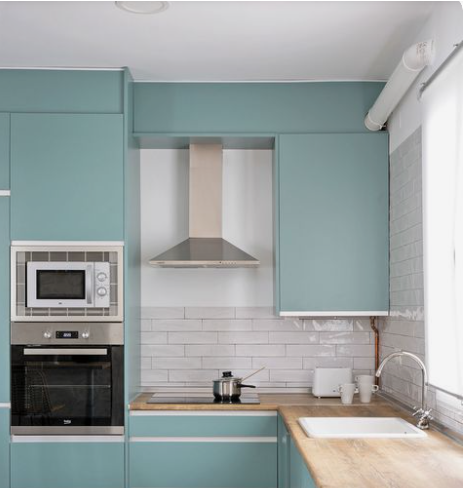
Credit: www.jswpaints.in
Incorporating Trends And Personal Style
Choosing the right color for your kitchen walls means thinking beyond just what’s popular. Your space should feel fresh and current, but also truly yours. Blending trends with your unique taste creates a kitchen that’s both stylish and comfortable.
Current Color Trends
Right now, soft greens and muted blues are making waves in kitchen design. These shades bring a calming vibe while still feeling modern. Deep charcoal and warm terracotta are also rising in popularity, adding depth and warmth to the space.
Have you noticed how matte finishes are favored over glossy ones? This subtle change can make your walls look more sophisticated and less flashy. You might consider trying two-tone walls, pairing a bold color on the lower half with a lighter shade above for visual interest.
Balancing Trends With Timelessness
Trends come and go, but your kitchen walls should stand the test of time. Pair trendy colors with classic neutrals like soft whites or greys to avoid feeling outdated too quickly. This way, you can easily update your space with accessories rather than a full repaint.
Think about how often you want to change your kitchen’s look. If you prefer low-maintenance style, lean toward colors that won’t clash with future trends. A timeless base color gives you freedom to experiment with trendy accents on cabinets, backsplashes, or decor.
Reflecting Personality Through Color
Your kitchen is a reflection of you. Bold reds or sunny yellows can energize your mornings, while calming blues might help you unwind during dinner prep. What colors make you feel most at ease or inspired when you cook?
Consider your lifestyle too. If you entertain often, inviting colors like warm beige or olive green can create a welcoming atmosphere. Personal touches in paint choice make your kitchen more than just a room—they make it a place you love to spend time in.

Credit: www.housebeautiful.com
Frequently Asked Questions
What Is The Best Color For Kitchen Walls?
The best color for kitchen walls depends on your style and lighting. Neutral shades like white, beige, or soft gray create a clean, bright look. Warm tones like yellow or light green add energy. Choose colors that complement your cabinets and decor.
How Do Wall Colors Affect Kitchen Mood?
Wall colors impact kitchen mood by influencing ambiance and energy. Bright colors like yellow boost happiness and appetite. Soft blues and greens create calmness and freshness. Dark colors add sophistication but can make space feel smaller. Pick colors that match your desired atmosphere.
Are Light Or Dark Colors Better For Kitchen Walls?
Light colors are better for small kitchens as they make the space look larger and brighter. Dark colors work well in spacious kitchens, adding depth and elegance. Choose light shades for a fresh, airy feel and dark tones for a cozy, dramatic effect.
Can Kitchen Wall Colors Increase Home Value?
Yes, kitchen wall colors can increase home value. Neutral, appealing shades attract more buyers by making the kitchen look clean and modern. Avoid overly bold or unusual colors as they may limit buyer interest. Opt for timeless hues to enhance resale potential.
Conclusion
Choosing the right color for kitchen walls makes a big difference. Bright colors can make the space feel lively and fresh. Soft shades bring calm and warmth to your kitchen. Think about your style and the mood you want. Light colors also help small kitchens look bigger.
Remember, your kitchen color should match your taste and home design. Take your time to pick a color that feels just right. A well-chosen kitchen wall color creates a welcoming and happy space for everyone.
