
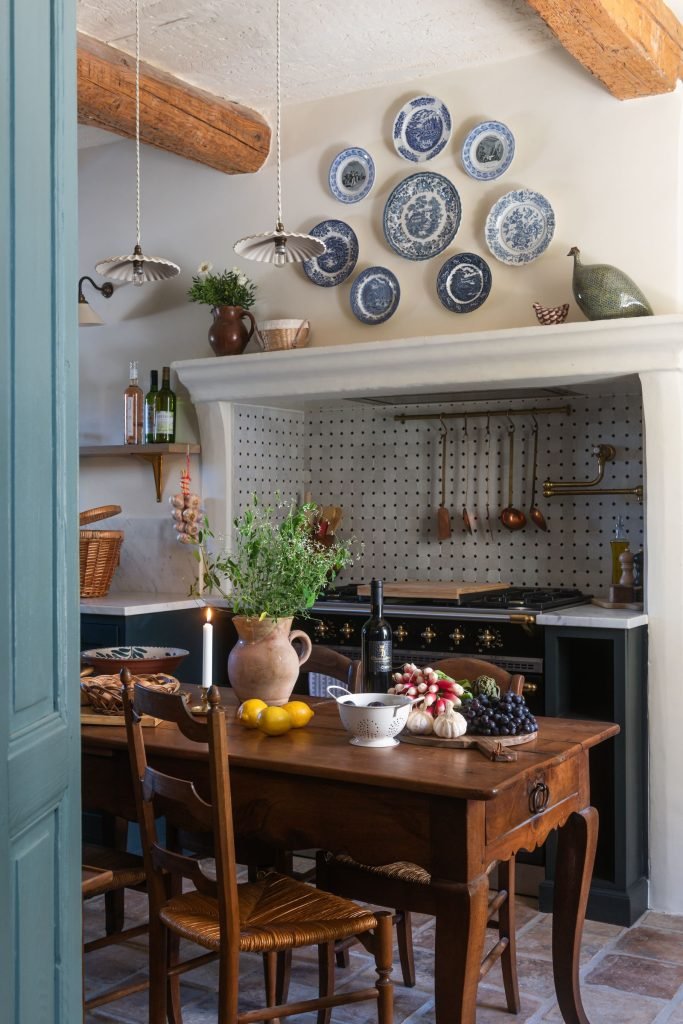
Choosing the best finish for your kitchen table is more important than you might think. It affects how your table looks, feels, and how well it stands up to daily use.
You want a finish that protects your investment, highlights the beauty of the wood, and fits your lifestyle. You’ll discover the top finishes that make your kitchen table both stunning and durable. By the end, you’ll know exactly which finish suits your needs and keeps your table looking great for years to come.
Let’s dive in and find the perfect finish for your kitchen table.

Credit: www.housebeautiful.com
Types Of Finishes
Choosing the right finish for a kitchen table affects its look and durability. Different finishes offer various benefits, from enhancing wood grain to protecting against spills. Understanding the types of finishes helps in picking one that suits daily use and matches kitchen style.
Oil-based Finishes
Oil-based finishes soak into the wood, highlighting natural grain. They give a warm, rich color and a smooth feel. These finishes are durable but take longer to dry. They resist water and stains well, making them great for kitchen tables.
Water-based Finishes
Water-based finishes dry quickly and have low odor. They keep the wood’s natural color without yellowing over time. These finishes clean up easily with water and are eco-friendly. They form a clear, hard coat that protects against scratches and moisture.
Wax Finishes
Wax finishes add a soft shine and smooth texture. They are easy to apply and repair but offer less protection. Wax works best on tables with light use or as a top layer over other finishes. It needs regular reapplication to keep the surface safe.
Polyurethane Coatings
Polyurethane creates a tough, protective layer over wood. It resists heat, water, and scratches well. Available in oil-based or water-based forms, it offers a variety of sheens from matte to glossy. Polyurethane is ideal for busy kitchens and frequent use.
Lacquer And Shellac Options
Lacquer dries fast and gives a smooth, glossy finish. It is easy to repair but less resistant to heat and water. Shellac offers a warm glow and is natural but not very durable. Both finishes suit decorative tables or light-use areas.
Factors To Consider
Choosing the best finish for your kitchen table means balancing several important factors. Each finish offers different benefits and challenges, so understanding what matters most to you will help make the right choice. Think about how you use your table daily and what qualities you want it to have.
Durability Needs
Your kitchen table faces spills, heat, and scratches every day. If you often cook or eat at the table, a durable finish is essential to keep it looking good. Some finishes resist water and stains better, while others may chip or wear faster.
Consider finishes like polyurethane or varnish if you want strong protection. They create a hard surface that stands up to rough use. If you prefer a softer look but still need durability, oil-based finishes can protect wood without forming a thick layer.
Aesthetic Preferences
The finish changes how your table looks and feels. Do you want a shiny, glossy surface or a natural, matte appearance? Your choice will affect the table’s style and how it fits with your kitchen’s design.
Some finishes deepen the wood’s color and grain, adding warmth and richness. Others keep the table lighter and more modern. Think about what kind of mood you want your kitchen to have when selecting a finish.
Maintenance Requirements
How much time will you spend caring for your table? Some finishes need regular reapplication or special cleaning products. Others are almost maintenance-free and simply wipe clean.
If you prefer low upkeep, look for durable finishes that resist stains and water without extra work. On the other hand, if you enjoy the process of maintaining your furniture, natural oils may offer a satisfying routine of refreshing the wood.
Safety And Food Contact
Your kitchen table often comes into direct contact with food. You want a finish that is safe and non-toxic. Not all finishes are food-safe, especially while curing or if they contain harmful chemicals.
Look for finishes labeled as food-safe or non-toxic once dry. Some natural oils like tung or walnut oil are safe options. Avoid finishes with strong odors or that release fumes, especially in an area where you prepare meals.
Applying Finishes
Applying the right finish protects your kitchen table and enhances its look. This step is crucial to keep the wood safe from spills and daily wear. Careful application ensures the finish lasts long and looks smooth. Follow these simple steps to apply finishes correctly.
Preparation Steps
Start by cleaning the table surface to remove dust and dirt. Sand the wood using fine-grit sandpaper for a smooth finish. Wipe off sanding dust with a damp cloth. Make sure the table is dry before applying any finish. Protect surrounding areas with drop cloths or newspaper.
Tools And Materials
- Fine-grit sandpaper
- Clean, lint-free cloths
- Brushes or foam applicators
- Wood finish (oil, varnish, or polyurethane)
- Gloves to protect your hands
- Drop cloth to protect your floor
Application Techniques
Stir the finish gently before use; avoid shaking to prevent bubbles. Apply thin, even coats with a brush or foam applicator. Follow the wood grain direction to reduce streaks. Let each coat dry completely before adding another layer. Lightly sand between coats for a smooth surface. Clean brushes immediately after use to keep them in good shape.
Drying And Curing Times
Drying times vary depending on the finish type and room conditions. Oil finishes may take several hours to dry, while varnishes can need up to 24 hours. Allow the finish to cure fully before using the table. Curing can take days or weeks but ensures strong protection. Avoid heavy use or placing objects on the table during this time.

Credit: www.facebook.com
Common Mistakes To Avoid
Choosing the best finish for your kitchen table can transform its look and durability. But even the right finish can fail if you make common mistakes during application. Avoiding these pitfalls can save you time, money, and frustration.
Inadequate Surface Prep
Skipping proper surface preparation is a frequent error that ruins finishes. Your table’s surface must be clean, smooth, and free of dust or oils before you apply any finish.
Sand the wood thoroughly to remove old finishes and create a smooth base. Otherwise, the finish won’t adhere well and may peel or bubble later.
Over-application
Applying too much finish at once might seem like a shortcut, but it causes problems. Thick coats take longer to dry and can drip or form uneven layers.
Instead, apply thin, even coats and let each layer dry completely before adding another. This approach builds a stronger, more attractive finish.
Ignoring Ventilation
Many overlook ventilation when applying finishes, but it’s critical for safety and proper drying. Fumes from varnishes and stains can be harmful, and poor airflow slows curing.
Work in a well-ventilated space or outdoors if possible. Open windows, use fans, and avoid enclosed areas to protect your health and speed up drying time.
Mixing Different Finishes
Combining different types of finishes without considering compatibility leads to peeling or a sticky surface. For example, applying oil-based varnish over water-based polyurethane rarely works well.
Stick to one finish type for your kitchen table or research if specific products can be layered. Testing a small hidden area first helps avoid costly mistakes.
Maintenance Tips
Maintaining the finish on your kitchen table is key to preserving its beauty and durability. A well-maintained surface not only looks great but also lasts longer against daily wear and tear. Here are some practical tips to keep your kitchen table finish in top shape.
Cleaning Methods
Use a soft, damp cloth to wipe your table regularly. Avoid harsh chemicals or abrasive cleaners that can damage the finish. For sticky spots, mild dish soap mixed with water works well without harming the surface.
Try to clean spills immediately to prevent stains or water damage. Have you noticed how a quick wipe after meals keeps your table looking fresh? Small habits like this make a big difference over time.
Touch-up Procedures
Minor scratches or dull spots don’t always mean a full refinish is needed. Use a touch-up marker or wax stick that matches your table’s color to fill in small imperfections. These products are easy to apply and blend well with the existing finish.
If you spot a deeper scratch, gently sanding the area with fine-grit sandpaper before applying touch-up material can help. Have you tried this approach? It’s a simple fix that can restore your table’s look without a big project.
When To Refinish
Consider refinishing your kitchen table if the finish is peeling, cracking, or deeply stained. These signs show the protective layer has worn down. Waiting too long can lead to permanent wood damage.
Is your table starting to feel rough or uneven to the touch? That’s a good indicator it’s time for a fresh finish. Refinishing revitalizes the wood and provides renewed protection for everyday use.

Credit: solidwoodtops.co.uk
Frequently Asked Questions
What Is The Best Finish For A Kitchen Table?
The best finish for a kitchen table is a durable, water-resistant option like polyurethane. It protects against spills, scratches, and heat, keeping the table looking new longer. This finish enhances the wood’s natural beauty and is easy to clean.
How Do I Choose A Finish For My Kitchen Table?
Choose a finish based on durability, appearance, and maintenance. Consider options like polyurethane for protection or oil finishes for a natural look. Think about your lifestyle and how much wear and tear the table will face daily.
Can I Use Oil Finish On A Kitchen Table?
Yes, oil finishes like tung or linseed oil enhance wood grain and offer moderate protection. They require regular reapplication but provide a natural, matte look. Oils are less durable than polyurethane but easy to maintain and repair.
Is Polyurethane Safe For Kitchen Tables?
Polyurethane is safe for kitchen tables once fully cured. It creates a hard, protective barrier against moisture and stains. Use food-safe, non-toxic polyurethane finishes designed for furniture to ensure safety in food preparation areas.
Conclusion
Choosing the best finish for your kitchen table protects it and adds beauty. Some finishes resist water and stains better than others. Think about how you use your table daily. A durable finish saves time and effort in cleaning. Natural oil finishes bring warmth and highlight wood grain.
Polyurethane offers strong protection for busy kitchens. Remember, proper care helps your table last longer. Pick a finish that fits your style and needs. Your kitchen table will look great for years to come. Simple steps make a big difference.
Hi, I’m Daniel Harper, a senior editor here at KitchenBucks.com. For over 10 years, I’ve been exploring kitchen gadgets and appliances to help people find tools that truly add value without breaking the bank. I love simplifying product choices so you can focus more on cooking and less on worrying about what to buy. When I’m not reviewing the latest gadgets, you’ll usually find me experimenting with coffee brewing or firing up the grill for a weekend barbecue.