
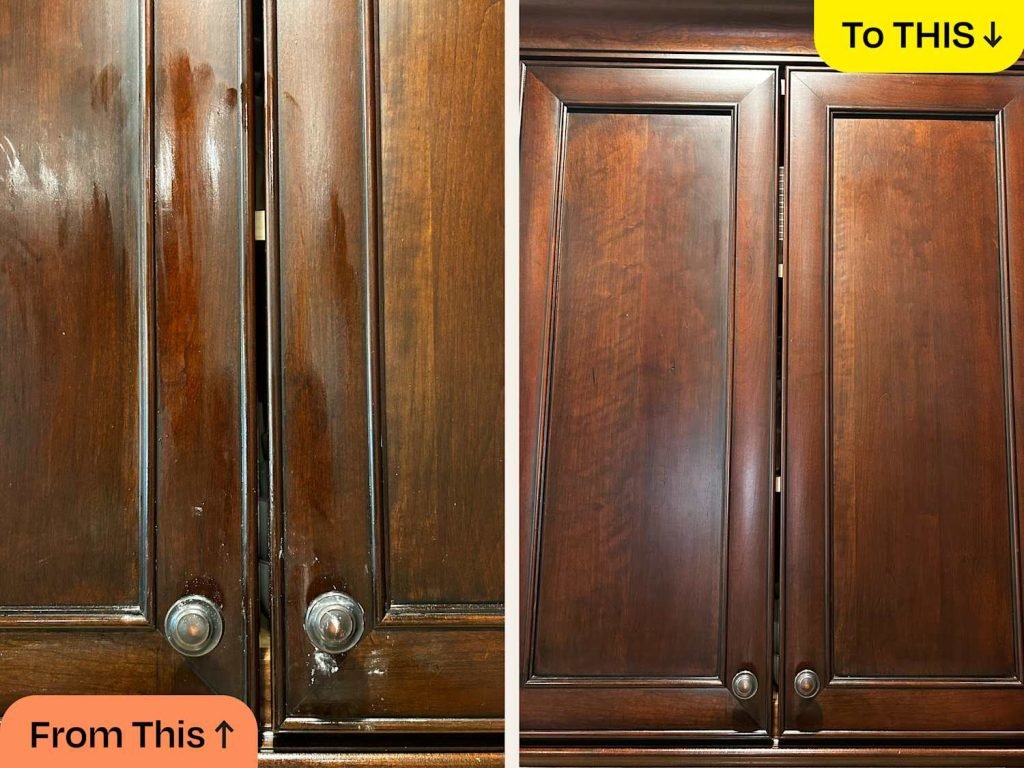
Are your kitchen cabinets looking a bit dingy? Over time, grease, grime, and fingerprints can build up, making them lose their shine.
You might find yourself wondering what the best thing to clean cabinets really is. Imagine opening your kitchen doors to a space that sparkles and feels fresh every time you walk in. Picture the satisfaction of running your fingers over a smooth, polished surface.
This isn’t just about aesthetics; it’s about creating a home environment that feels clean and inviting. In this guide, we’ll dive into the most effective ways to restore your cabinets to their former glory using products and techniques that are both safe and efficient. Get ready to transform your kitchen into the pristine haven you’ve always dreamed of.

Credit: www.cabinet-corner.com
Choosing The Right Cleaning Products
The best thing to clean cabinets is a gentle cleaner with natural ingredients. Vinegar mixed with water works well. Baking soda is effective for tough stains.
Choosing the right cleaning products for your cabinets can make a significant difference in maintaining their appearance and longevity. Not all cabinets are created equal, and neither are the cleaning solutions you might use on them. Whether you’re a fan of natural solutions or prefer the power of chemical cleaners, knowing the benefits and drawbacks of each can help you make an informed decision.Natural Vs Chemical Cleaners
Natural cleaners are often touted for being gentle on surfaces and safe for the environment. Ingredients like vinegar, baking soda, and lemon juice are staples in many household cleaning recipes. These solutions can effectively tackle grime without leaving harsh residues. On the other hand, chemical cleaners are designed for deep cleaning and can quickly cut through stubborn grease and stains. While they are effective, you must be cautious as some may contain ingredients that could harm your cabinet’s finish. Always test a small area first to ensure compatibility.Eco-friendly Options
If you’re environmentally conscious, eco-friendly cleaning products might be your go-to choice. Many brands now offer biodegradable and non-toxic cleaners that are just as effective as their traditional counterparts. Look for certifications on labels that indicate the product is environmentally safe. Using eco-friendly products not only helps the planet but also reduces the risk of exposing your household to harmful chemicals. Plus, they often come in recyclable packaging, making them a win-win for you and the environment. Finding the perfect cleaning product doesn’t have to be daunting. It’s about balancing effectiveness, safety, and your personal values. What cleaner will you choose for your cabinets?Cleaning Techniques For Different Materials
Vinegar and water solution cleans cabinets efficiently. Mix equal parts and wipe with a soft cloth. Removes grease and grime, leaving surfaces shiny.
Cleaning Techniques for Different Materials Understanding the right cleaning method for each cabinet material is crucial. It not only ensures cleanliness but also prolongs the life of your cabinets. Different materials require specific care to maintain their appearance and functionality. Let’s explore effective techniques for wood, laminate, vinyl, and metal cabinets.Wood Cabinets
Wood cabinets are delicate and need gentle care. Dust them regularly with a soft cloth. For deeper cleaning, mix mild soap with warm water. Use a damp cloth to wipe gently. Avoid using too much water to prevent damage. Dry immediately with a clean towel. For stubborn stains, use a little vinegar diluted in water.Laminate And Vinyl Cabinets
Laminate and vinyl cabinets are durable but need proper cleaning. Use a mix of water and mild detergent. Wipe with a soft cloth, focusing on stains. Avoid abrasive cleaners to prevent scratches. Rinse with clean water and dry thoroughly. For sticky spots, a baking soda paste can help.Metal Cabinets
Metal cabinets require a different approach. Use a damp cloth with mild soap. Wipe down thoroughly, then rinse with clean water. Dry with a soft towel to prevent rust. For shiny finishes, use a metal polish occasionally. Avoid using bleach or harsh chemicals to preserve the surface.Steps For Deep Cleaning
Best Thing to Clean Cabinets Vinegar and water create an effective cleaning solution for cabinets. Mix equal parts in a spray bottle. Apply gently with a microfiber cloth to remove grime.
Cleaning your cabinets is vital for maintaining a fresh and organized kitchen. Deep cleaning involves more than a quick wipe down. It targets stains, grease, and hidden dirt inside the cabinets. Follow these steps for a thorough cleanse that leaves your cabinets sparkling and hygienic.Removing Stains And Grease
Grease and stains can build up over time, especially in kitchens. Begin by gathering your supplies. You will need a gentle cleanser, warm water, and a soft cloth. Mix the cleanser with warm water to create a mild solution. Dip your cloth in the solution. Wipe the cabinet surfaces gently. Focus on areas with visible stains and grease. Avoid scrubbing hard to prevent damage. If stains persist, use a baking soda paste. Apply it to the stain, let it sit, then wipe away. This method helps lift stubborn marks without harming surfaces.Cleaning Inside Cabinets
Start by emptying the contents of the cabinets. This makes it easier to reach every corner. Use a vacuum cleaner to remove loose debris and dust. Prepare a cleaning solution with mild soap and warm water. Dampen a cloth with the solution. Wipe down shelves and interior walls. Pay attention to corners and edges, where grime can accumulate. For extra freshness, use a vinegar solution. Mix equal parts vinegar and water. Wipe inside surfaces to eliminate odors. Finish by drying with a clean towel before returning items.Regular Maintenance Tips
A mixture of warm water and mild dish soap is best for cleaning cabinets. Gently scrub the surface with a soft cloth. Rinse with a damp cloth and dry with a towel.
Keeping your cabinets clean doesn’t just enhance the aesthetics of your kitchen or bathroom, it also extends their life and maintains their functionality. Regular maintenance is the key to spotless, long-lasting cabinets. By integrating a few simple cleaning habits into your routine, you can prevent dirt and grime from taking hold. Let’s dive into some practical tips that will keep your cabinets looking as good as new.Frequency Of Cleaning
How often should you clean your cabinets? It depends on how much you use them. Generally, a weekly wipe-down with a damp cloth can do wonders. If you’re an avid cook, your kitchen cabinets might need more frequent attention. A quick once-over with a microfiber cloth can prevent the accumulation of grease and fingerprints. Don’t forget the interiors! Empty them out occasionally and give them a good clean to ensure no crumbs or spills are hiding.Preventing Future Build-up
Stopping grime before it starts is easier than you think. Use a gentle cleaner or a simple mix of water and vinegar to remove any sticky spots. Consider applying a light coat of furniture polish or wax on wooden cabinets. This can act as a barrier to dust and stains, making future cleaning easier. Be mindful of spills and splatters—address them immediately. A quick wipe can prevent stubborn stains that require more elbow grease later on. By integrating these tips into your routine, you’ll keep your cabinets gleaming and in top shape. Isn’t it worth a few moments each week to preserve the beauty and functionality of such a vital part of your home?Diy Cleaning Solutions
Cleaning cabinets doesn’t always require expensive store-bought solutions. You can create effective DIY cleaning solutions using simple household items. With the right ingredients, you can maintain the shine and cleanliness of your cabinets without breaking the bank. Let’s dive into some practical methods you can use at home.
Making Your Own Cleaner
Crafting your own cleaner can be surprisingly simple and effective. A basic recipe involves mixing white vinegar and water in equal parts. This solution works wonders for removing grease and grime from cabinet surfaces. Vinegar is a natural disinfectant and deodorizer, making it a perfect addition to your cleaning routine.
To enhance the cleaning power, add a few drops of dish soap to the mix. Dish soap helps break down stubborn stains and adds a bit of foaming action. Shake the mixture well before using and apply it with a microfiber cloth for best results. You might be surprised at how a homemade cleaner can outperform commercial products.
Using Household Items
Did you know that many everyday items can double as cleaning agents? Baking soda is a versatile cleaner that’s great for tackling tough spots. Sprinkle it on a damp cloth and gently scrub the affected areas. Baking soda’s mild abrasiveness makes it safe for most cabinet finishes while effectively lifting dirt and stains.
Another handy item is lemon juice. Its natural acidity helps dissolve grime and leaves behind a fresh scent. Combine lemon juice with olive oil to create a natural polish for wooden cabinets. This mixture not only cleans but also nourishes the wood, bringing out its natural luster.
Have you ever tried using tea bags for cleaning? Brew a couple of bags, let them cool, and use the tea to wipe down your cabinets. The tannins in tea can help break down grease, and it’s a nifty trick that many overlook. Discovering unconventional cleaning methods can be a fun way to keep your home in tip-top shape.
Safety Precautions
Ensure safety by wearing gloves and opening windows for fresh air while cleaning cabinets. Use non-toxic cleaners to protect surfaces and health.
Cleaning cabinets can breathe new life into your kitchen. It’s important to stay safe while cleaning. Using the right precautions can prevent accidents. Let’s look at key safety measures.Protective Gear
Wear gloves to protect your skin from harsh chemicals. Use eye protection to prevent splashes from reaching your eyes. A mask can help avoid inhaling dust or fumes. These items are basic yet effective.Ventilation And Safety
Open windows to let fresh air circulate. Turn on fans to disperse fumes. Avoid cleaning in a closed room without air flow. Proper ventilation reduces the risk of headaches or dizziness.Professional Cleaning Services
Professional cleaning services recommend using a gentle soap solution for cabinets. Soft cloths ensure delicate surfaces remain scratch-free. Regular cleaning helps maintain the cabinet’s shine and longevity.
Cleaning cabinets can be a chore that many of us put off until it becomes a necessity. While a quick wipe down might suffice for everyday grime, sometimes our cabinets need a little extra care. This is where professional cleaning services come into play. They bring expertise, specialized equipment, and a level of thoroughness that can be hard to achieve on your own. Whether you’re prepping for a big event or just want your kitchen to sparkle, professionals can make a noticeable difference. But when should you consider hiring them, and is it really worth the investment? Let’s dive into these questions.When To Consider Hiring Professionals
You might wonder if your cabinets truly need professional attention. Think about the last time you gave them a deep clean. If it’s been over a year, it might be time to call in the experts. Consider the material of your cabinets. Delicate or high-end finishes can be easily damaged by DIY methods. Professionals know the right products to use without causing harm. If you’re preparing for a special occasion or holiday gathering, you want your home to look its best. A professional touch can provide that extra shine and polish your guests will notice.Cost Vs Benefits
The cost of hiring a professional service can vary, but it’s often more affordable than you might expect. Think of it as an investment in maintaining the value of your kitchen. Professionals save you time and effort. Instead of spending your weekend scrubbing, you can focus on other tasks or simply relax. Consider the benefits: spotless cabinets, a healthier kitchen environment, and peace of mind. Is the small investment worth the significant improvements and convenience? By weighing these factors, you can make an informed decision that best suits your lifestyle and needs.
Credit: houseoutlook.com

Credit: www.amazon.ca
Frequently Asked Questions
What Is The Best Thing To Use To Clean Kitchen Cabinets?
Use a mixture of warm water and mild dish soap to clean kitchen cabinets. Apply with a soft cloth and gently scrub. Rinse with clean water and dry with a towel. Regular cleaning keeps cabinets looking fresh and prevents grease buildup.
Avoid harsh chemicals to protect the cabinet finish.
How Do You Clean Kitchen Cabinets Without Removing Finish?
Use a mild dish soap solution with warm water. Dampen a soft cloth and gently wipe cabinets. Rinse with clean water, and dry immediately. Avoid abrasive cleaners and excessive water to protect the finish. Regular maintenance ensures long-lasting beauty.
Can You Use Dawn Dish Soap On Wood Cabinets?
Yes, you can use Dawn dish soap on wood cabinets. Mix with warm water, gently wipe, then dry. Avoid excess moisture to protect the wood finish.
Should You Use Murphy’s Oil Soap On Cabinets?
Yes, you can use Murphy’s Oil Soap on cabinets. It effectively cleans wood surfaces without damaging them. Test a small area first to ensure compatibility. Use a soft cloth and gently wipe to avoid scratches. Regular cleaning keeps cabinets looking fresh and prolongs their lifespan.
Conclusion
Cleaning cabinets can be easy with the right products. Simple solutions work best. Use mild soap and warm water. Soft cloths help to avoid scratches. For tough stains, try vinegar or baking soda. Dry the cabinets thoroughly to prevent damage.
Regular cleaning keeps them looking fresh. Always choose gentle cleaners for wood or laminate. Consistency in cleaning ensures long-lasting beauty. With these tips, your cabinets will stay clean and bright. Happy cleaning!

Hi, I’m Daniel Harper, a senior editor here at KitchenBucks.com. For over 10 years, I’ve been exploring kitchen gadgets and appliances to help people find tools that truly add value without breaking the bank. I love simplifying product choices so you can focus more on cooking and less on worrying about what to buy. When I’m not reviewing the latest gadgets, you’ll usually find me experimenting with coffee brewing or firing up the grill for a weekend barbecue.