
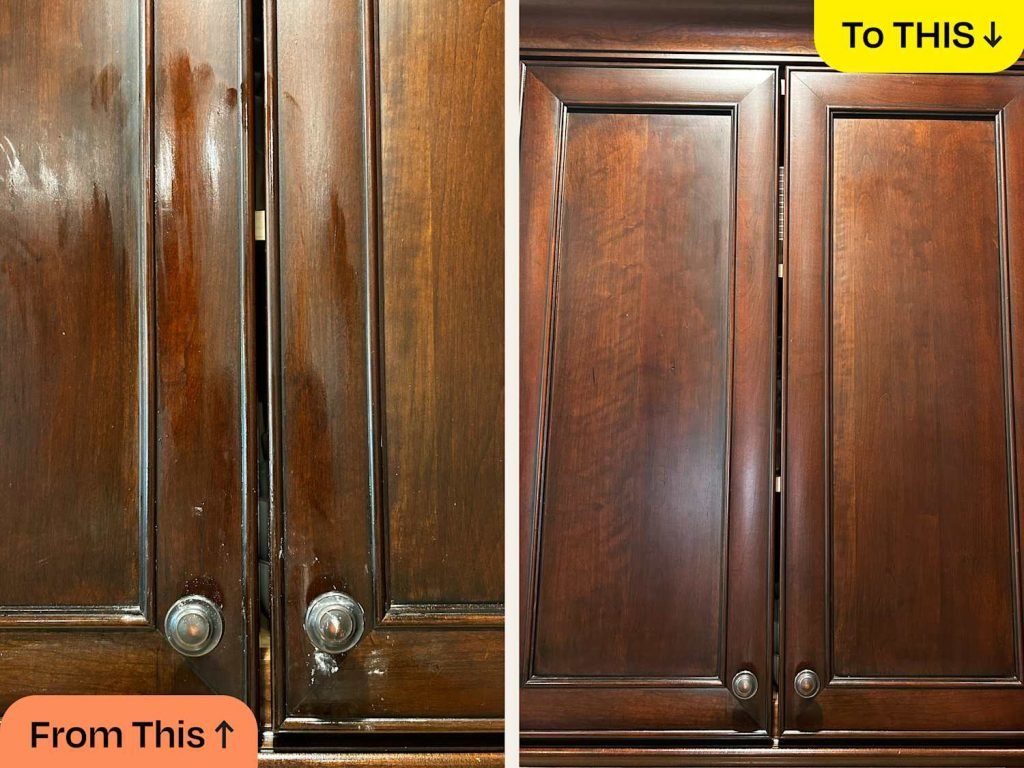
Are your kitchen cabinets looking a little less fresh these days? It’s time to give them the attention they deserve.
You might be surprised at just how much a good clean can transform the look and feel of your entire kitchen. But what’s the best thing to use? With so many products claiming to be the ultimate solution, choosing the right one can feel overwhelming.
Don’t worry, we’re here to make your decision easier. Imagine walking into your kitchen and feeling a sense of pride as your cabinets gleam like new. We’ll guide you through the most effective methods and products to bring back that sparkle, ensuring your kitchen truly shines. Ready to discover the secret to spotless cabinets? Let’s dive in!
Types Of Kitchen Cabinets
Cleaning kitchen cabinets can be a daunting task, especially when you’re unsure of what materials you’re dealing with. Different types of kitchen cabinets require different cleaning methods to maintain their beauty and functionality. Let’s delve into the specifics of how to effectively clean wood, laminate, and metal cabinets.
Wood Cabinets
Wood cabinets exude warmth and elegance, making them a popular choice in many homes. However, they can be sensitive to moisture and harsh chemicals. Use a gentle dish soap mixed with warm water and a soft cloth to wipe down the surfaces.
Always ensure to dry them thoroughly to prevent water damage. For deeper cleaning, consider using a vinegar and water solution, but test it in an inconspicuous area first to avoid discoloration. A personal tip—using a bit of olive oil can help restore shine to dull wood surfaces.
Laminate Cabinets
Laminate cabinets are known for their durability and ease of maintenance. They can handle a bit more moisture than wood, making them easier to clean. A simple solution of mild detergent and water will suffice for daily cleaning.
For tougher stains, a mixture of baking soda and water can act as a gentle abrasive. Ever found a stubborn stain? A soft-bristled brush can be your best friend, just be cautious to avoid scratching the surface.
Metal Cabinets
Metal cabinets bring a sleek, modern touch to any kitchen. They require a different approach due to their susceptibility to rust. Use a damp cloth with a mild detergent for regular cleaning.
After cleaning, always dry the metal thoroughly to prevent rust. If you notice any rust spots, a bit of baking soda with water can help scrub them away. Remember, while metal is sturdy, it still needs your attention to stay gleaming.
What type of kitchen cabinets do you have, and how do you maintain them? Share your tips in the comments below!
Common Cabinet Stains
Grease and food splatters often stain kitchen cabinets. A gentle solution of warm water and mild dish soap effectively cleans these stains without damaging the surface. Regular cleaning keeps your cabinets looking fresh and bright.
Cleaning kitchen cabinets can sometimes feel like a never-ending battle against common stains. These stains are a constant presence in most kitchens and can leave your cabinets looking worn and dingy. Have you ever wondered why they seem to multiply overnight, despite your efforts to keep them at bay? Let’s dive into the different types of cabinet stains and discover effective ways to tackle them.Grease Build-up
Grease is the silent invader in your kitchen that creeps onto cabinets without warning. It tends to accumulate over time, especially around areas where you frequently fry or sauté. You might notice a sticky film on cabinet doors, making them look dull. A simple solution is using a mixture of baking soda and water. This natural cleanser can cut through grease effectively. Apply it with a soft cloth and watch your cabinets regain their shine.Food Spills
If you’ve ever cooked an elaborate meal, you know how food splatters can end up on your cabinets. From tomato sauce to curry, these spills can stain and discolor surfaces quickly. Try using a mild dish soap mixed with warm water to wipe away these stains. It’s gentle enough to preserve the cabinet finish but strong enough to remove stubborn residues. Regular cleaning after meals can prevent these spills from becoming permanent marks.Water Marks
Water marks are often overlooked but can be a real headache. They usually appear when wet hands touch cabinet surfaces, leaving behind unsightly spots. To tackle water marks, use a vinegar solution. Mix equal parts vinegar and water, and gently rub the affected area with a microfiber cloth. This method not only removes the marks but also adds a subtle shine to your cabinets. Have you ever wondered why certain stains are more stubborn than others? Each type of stain requires a unique approach for effective cleaning. By understanding the nature of these stains and using the right method, you can keep your kitchen cabinets looking pristine and inviting.Essential Cleaning Supplies
Keeping kitchen cabinets clean is essential for maintaining a tidy kitchen. Using the right supplies makes the task easier and ensures cabinets stay in good condition. Different cleaners, from natural to commercial, offer various benefits.
Natural Cleaners
Natural cleaners are gentle and effective for cabinet cleaning. They are environmentally friendly and safe for most surfaces.
- Vinegar and Water:Mix equal parts in a spray bottle.
- Baking Soda Paste:Combine baking soda and water to form a paste.
- Lemon Juice:Use diluted lemon juice for a fresh scent.
Commercial Products
Commercial products are designed specifically for cleaning kitchen cabinets. They provide powerful cleaning and are easy to use.
- All-purpose Cleaner:Effective on grease and grime.
- Wood Cleaner:Protects and shines wooden cabinets.
- Cabinet Polish:Enhances the finish and appearance.
Cleaning Tools
Using the right tools makes cleaning efficient and thorough. These tools help reach tricky spots and clean effectively.
- Soft Cloths:Perfect for wiping surfaces without scratching.
- Brushes:Useful for scrubbing tough stains.
- Microfiber Cloths:Great for dusting and polishing.

Credit: www.cabinet-corner.com
Step-by-step Cleaning Process
Begin by removing all items from the cabinets. Mix warm water with mild detergent for cleaning. Use a soft cloth to wipe surfaces gently, ensuring no residue remains. Dry thoroughly with a clean towel to prevent moisture damage.
Cleaning kitchen cabinets is a rewarding process that not only brightens up your cooking space but also extends the life of your cabinetry. A step-by-step approach ensures that you tackle every nook and cranny, leaving your cabinets spotless and gleaming. Imagine the satisfaction of seeing your kitchen cabinets free from stains and grime, ready to impress guests and make your cooking experience even more enjoyable.Preparation
Start by clearing out your cabinets. Remove all items, including dishes, pantry goods, and even shelf liners. Gather your cleaning supplies: a gentle cleaner, soft cloths, a bucket, and a sponge. If you have wooden cabinets, opt for a cleaner specifically designed for wood surfaces. Consider laying down towels or newspapers to protect your countertops and floors from any spills or drips. This extra step saves you from additional cleaning later.Cleaning Techniques
Begin with the outer surfaces of your cabinets. Apply your cleaner to a soft cloth, not directly onto the wood, to prevent saturation. Use gentle circular motions to wipe down the surfaces. Pay special attention to handles and edges, where grease tends to accumulate. For stubborn spots, use a sponge dipped in a mix of warm water and a small amount of dish soap. Rinse and wring out the sponge frequently to avoid spreading dirt.Drying And Finishing
Once cleaned, immediately dry the surfaces with a clean, dry cloth to prevent water spots or streaks. Check inside the cabinets for any remaining moisture. Leave the doors open for a few minutes to ensure everything is fully dry. Finally, replace your items, taking this opportunity to reorganize and discard expired products. Your kitchen cabinets will not only look clean but also function efficiently. — The process might seem detailed, but each step brings you closer to a kitchen that feels fresh and organized. What unexpected benefits have you experienced from a thorough cleaning session? Share your thoughts and tips in the comments below!Maintaining Cabinet Cleanliness
Vinegar mixed with water makes a gentle cleaner for kitchen cabinets. This solution easily removes grime and leaves a fresh scent. Regular cleaning keeps cabinets looking new and prevents dirt buildup.
Maintaining cabinet cleanliness preserves the beauty and longevity of your kitchen. Clean cabinets prevent dirt buildup and maintain a fresh look. A few simple habits can keep your cabinets in top shape.Regular Cleaning Routine
Establish a routine to clean your cabinets weekly. Use a soft cloth with warm, soapy water. Gently wipe surfaces to remove grease and dust. Dry the cabinets immediately with a clean towel. This prevents water damage and streaks. Avoid abrasive cleaners that can scratch surfaces.Preventive Measures
Use liners on cabinet shelves to protect against spills. Install knobs or handles to reduce fingerprint marks. Keep appliances and pots away from cabinet surfaces. This minimizes heat and steam exposure. Encourage family members to clean spills immediately.Quick Fixes For Stains
Tackle stains with a mixture of baking soda and water. Apply the paste to the stain using a soft brush. Gently scrub, then wipe clean with a damp cloth. For tougher stains, mix vinegar with water. Spray the solution on the stain, let it sit for a few minutes, then wipe away. Always test solutions on a small area first.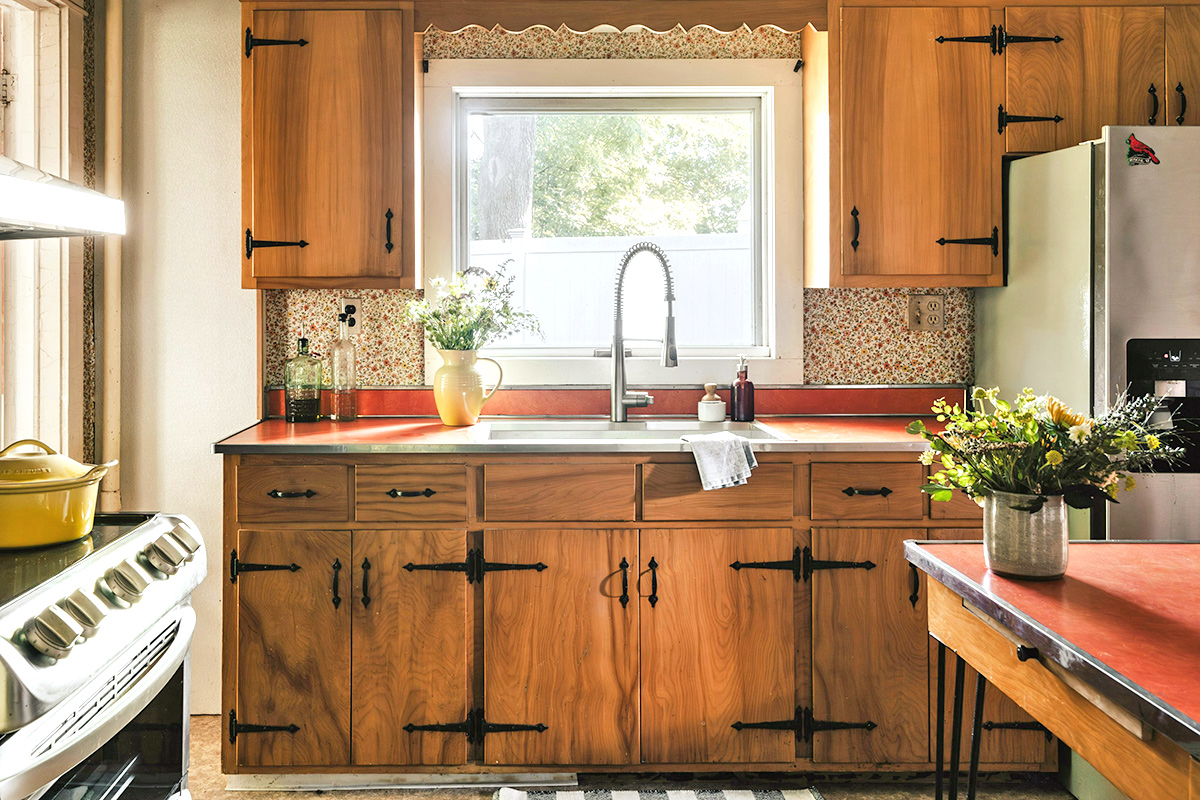
Credit: houseoutlook.com
Eco-friendly Cleaning Options
Vinegar mixed with water offers a natural way to clean kitchen cabinets. It removes grease and dirt effectively. Baking soda paste can tackle stubborn stains, leaving surfaces fresh and spotless.
Eco-friendly cleaning options ensure your kitchen cabinets shine without harming the planet. These solutions use ingredients that are safe for both your family and the environment. They are effective in removing grime and maintaining the natural beauty of your cabinets. Explore how you can clean and protect your kitchen cabinets using natural methods.Diy Natural Solutions
Natural solutions can be made with simple household items. Vinegar and water mix is a popular choice for removing grease. Baking soda paste works wonders on stubborn stains. Essential oils add a pleasant scent and extra cleaning power. Lemon juice can brighten and sanitize surfaces. These ingredients are both effective and gentle.- Mix vinegar and water in equal parts.
- Create a paste with baking soda and water.
- Add essential oils for fragrance and cleaning boost.
- Use lemon juice for a natural shine.
Benefits Of Green Products
Green products provide a safe and healthy environment. They reduce exposure to harsh chemicals. They are biodegradable and less harmful to nature. These products often have pleasant natural scents. They leave no toxic residue behind. Using green products supports eco-friendly practices. It also enhances the air quality in your home. Choose green cleaning for a healthier lifestyle.Professional Cleaning Services
Deep cleaning ensures kitchen cabinets shine and remain germ-free. Use mild soap mixed with warm water for best results. Gently wipe surfaces with a soft cloth to maintain their finish and color.
Professional cleaning services can be a game-changer for keeping your kitchen cabinets spotless. Imagine the luxury of having experts who know precisely which cleaning agents to use for different types of cabinet materials. They can tackle stubborn stains and grime that you might find challenging to remove on your own.When To Hire Experts
Hiring professionals can be the perfect solution when you’re dealing with extensive grease build-up that regular cleaning can’t fix. If you’re moving into a new home or preparing your house for sale, experts can provide a thorough clean, making your cabinets look as good as new. Also, if your schedule is too packed to handle deep cleaning, letting professionals take over can be a real lifesaver.Cost Considerations
The cost of professional cleaning services varies depending on the size and condition of your kitchen. Typically, you can expect to pay between $75 to $150 for a standard cleaning session. Consider this an investment in your home, as it can prolong the life of your cabinets and enhance their appearance. Engaging professional cleaning services might seem like an indulgence. However, the time and effort saved, coupled with the expertise they bring, can make it a worthwhile expense. Have you ever wondered how much your time is worth? Perhaps it’s time to weigh that against the cost of hiring a professional to do the job right.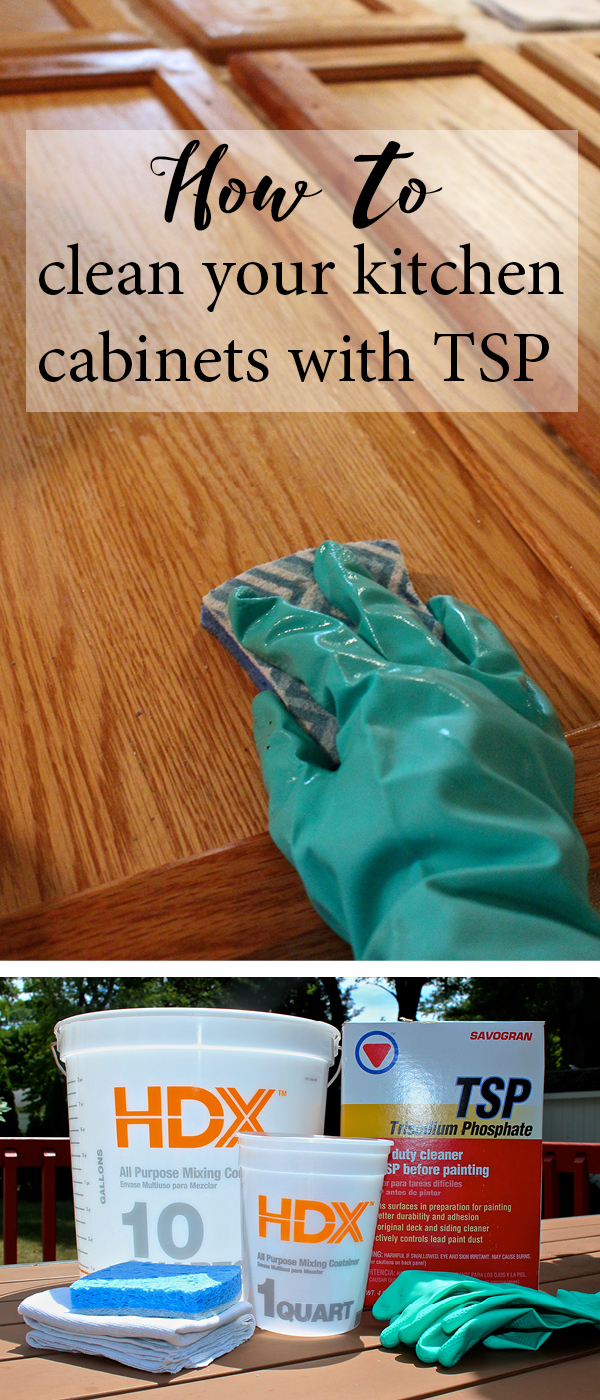
Credit: weekendcraft.com
Frequently Asked Questions
What Is The Best Thing To Clean Kitchen Cabinets With?
Use a mixture of warm water and mild dish soap to clean kitchen cabinets. This solution effectively removes grease and grime. Apply with a soft cloth or sponge, then rinse with clean water and dry with a towel. Avoid harsh chemicals to maintain the cabinet’s finish.
Is Dawn Good To Clean Kitchen Cabinets?
Dawn is effective for cleaning kitchen cabinets. Its gentle formula removes grease and stains without damaging surfaces. Mix with warm water, apply with a soft cloth, and rinse. Regular cleaning keeps cabinets looking new and fresh. Avoid using abrasive materials to prevent scratches.
Is Murphy Oil Soap Good For Kitchen Cabinets?
Murphy Oil Soap effectively cleans kitchen cabinets without damaging them. It removes grease and grime, leaving a natural shine. Always follow the instructions and test on a small area first. Regular use helps maintain the cabinets’ appearance and longevity.
How Do You Clean Kitchen Cabinets Without Damaging The Finish?
Use a mild dish soap mixed with warm water. Dampen a soft cloth and gently wipe the cabinets. Dry immediately with a clean towel to prevent moisture damage. Avoid abrasive cleaners or scrubbers to protect the finish. Test cleaning solutions on a small, hidden area first.
Conclusion
Cleaning kitchen cabinets is simple with the right methods. Use gentle cleaners. Protect the wood. Vinegar and water work wonders. Baking soda scrubs tough stains. Regular maintenance keeps cabinets fresh. Try microfiber cloths for dust removal. Avoid harsh chemicals. They damage finishes.
Natural options are safe and effective. Keep your kitchen shining bright. Make cleaning a routine. You’ll enjoy spotless cabinets. A clean kitchen feels welcoming. Spend less time cleaning. More time enjoying your space. Safe, easy methods lead to better results.
With these tips, your kitchen cabinets will look their best.

Hi, I’m Daniel Harper, a senior editor here at KitchenBucks.com. For over 10 years, I’ve been exploring kitchen gadgets and appliances to help people find tools that truly add value without breaking the bank. I love simplifying product choices so you can focus more on cooking and less on worrying about what to buy. When I’m not reviewing the latest gadgets, you’ll usually find me experimenting with coffee brewing or firing up the grill for a weekend barbecue.