
Are you tired of cookie dough that’s either too crumbly or overmixed? Finding the best way to blend cookie dough can make all the difference between chewy, soft cookies and ones that just don’t turn out right.
Whether you’re a beginner or a baking pro, knowing the right technique will save you time and deliver perfect results every time. Keep reading, and you’ll discover simple tips that will change how you mix your cookie dough forever—making your cookies more delicious and your baking easier than ever.

Credit: www.tiktok.com
Choosing The Right Ingredients
Choosing the right ingredients is the first step to perfect cookie dough. The quality of each component affects taste, texture, and baking results. Using fresh and suitable ingredients makes the mixing process easier and the final product better.
Selecting Quality Butter And Sugar
Butter adds richness and moisture to cookie dough. Use unsalted butter to control salt levels precisely. Fresh butter melts evenly, helping dough blend smoothly.
Sugar affects sweetness and texture. Granulated sugar creates crisp edges, while brown sugar adds chewiness and depth of flavor. Choose sugars based on the texture you want.
Importance Of Flour Type
Flour gives structure to cookie dough. All-purpose flour works for most cookies. It balances softness and firmness well.
Using cake flour can make cookies tender and soft. Bread flour increases chewiness because of its higher protein content. Pick flour based on your cookie style.
Using Fresh Baking Soda And Powder
Baking soda and baking powder help cookies rise and spread. Old leavening agents lose power and cause flat, dense cookies.
Test freshness by mixing a small amount with vinegar or hot water. It should fizz vigorously. Replace expired products for best results.

Credit: lovelydelites.com
Tools For Blending Dough
A sturdy wooden spoon or a silicone spatula works well for blending cookie dough smoothly. Mixing by hand helps control the texture and prevents overworking. For larger batches, an electric mixer can save time and effort.
Blending cookie dough requires the right tools to achieve a smooth consistency. Different tools provide varying levels of efficiency and effectiveness. The choice of tool depends on the size of the batch, personal preference, and desired outcome.Hand Mixing Vs. Stand Mixer
The age-old debate between hand mixing and stand mixer continues. Both methods have their advantages and disadvantages.
- Hand mixing is a simple, low-cost method that provides a good workout.
- Stand mixers offer efficiency, speed, and ease of use, but can be expensive.
Using A Wooden Spoon Or Spatula
A wooden spoon or spatula is a traditional tool for mixing cookie dough.
- A wooden spoon provides a gentle, non-abrasive mixing action.
- A spatula offers a more aggressive mixing action, ideal for large batches.
Benefits Of A Food Processor
A food processor is a powerful tool for blending cookie dough.
- It quickly and efficiently mixes large batches.
- It can handle tough ingredients like nuts and chocolate chips.
Step-by-step Blending Process
The step-by-step blending process is key to achieving cookie dough with the perfect texture and flavor. Each stage affects how your dough comes together, so paying attention to the details can make a big difference. Here’s how you can blend your cookie dough like a pro, ensuring every bite is deliciously consistent.
Creaming Butter And Sugar
Start by softening your butter to room temperature. This allows it to mix smoothly with the sugar, creating a light and fluffy base. Use a hand mixer or stand mixer on medium speed to beat the butter and sugar together.
Watch for the mixture to turn pale and slightly increase in volume—that’s a sign it’s ready. This step traps tiny air bubbles in the dough, which helps your cookies rise just right. Have you noticed how skipping this step can make cookies dense and flat?
Adding Eggs And Vanilla
Next, add your eggs one at a time, beating well after each addition. This helps the eggs fully blend and keeps the dough smooth. Then, pour in vanilla extract for that warm, inviting flavor.
Make sure your eggs are at room temperature too; cold eggs can cause the butter to seize up and create lumps. It’s a simple trick, but it really improves the dough’s texture.
Incorporating Dry Ingredients
Finally, gently add your dry ingredients—flour, baking soda, salt—into the wet mixture. Use a spatula or mixer on low speed to combine, stopping as soon as you see no streaks of flour. Overmixing here can develop gluten, making cookies tough instead of tender.
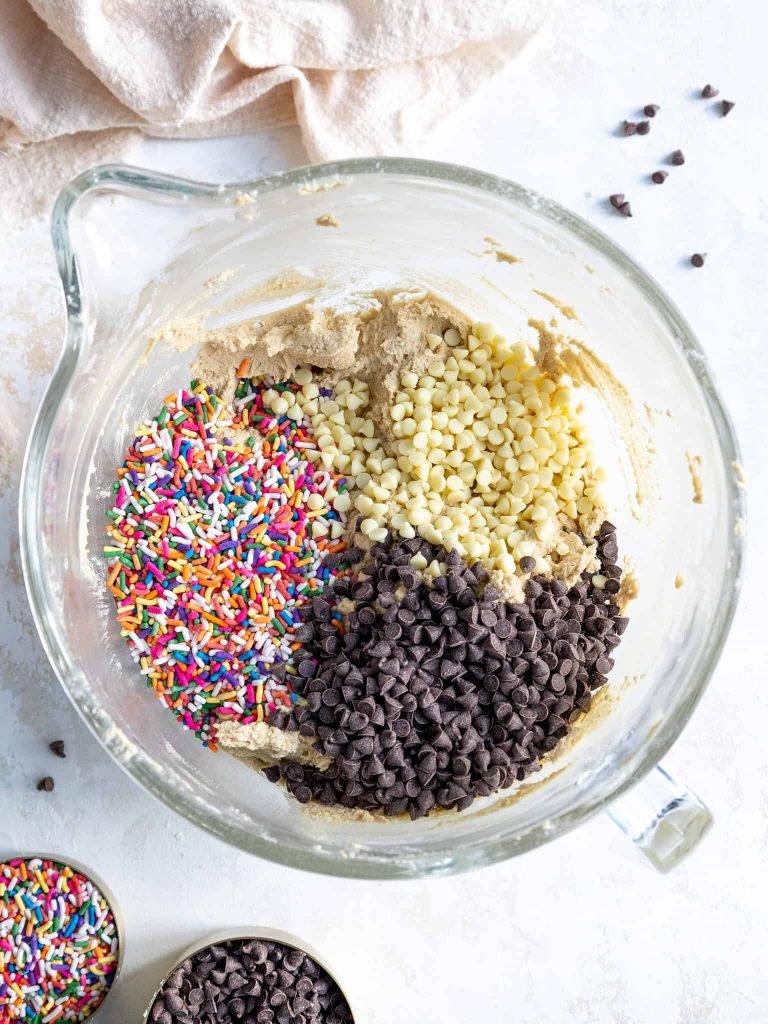
If you want to add extras like chocolate chips or nuts, fold them in carefully at the end. This keeps everything evenly distributed without overworking the dough. What’s your favorite mix-in to add at this stage?
Tips For Achieving Perfect Texture
Getting the right texture in cookie dough is key to baking delicious cookies. The dough should be smooth but not sticky, soft but firm enough to hold shape. Small changes in mixing and handling can affect the final texture. Follow these tips to blend cookie dough perfectly for tasty results every time.
Avoiding Overmixing
Mix the dough just until ingredients combine. Overmixing causes tough, dense cookies. Stop mixing as soon as you see no more flour streaks. Use a spatula to fold in dry ingredients gently. This keeps the dough light and tender.
Chilling The Dough
Chill the dough for at least 30 minutes before baking. Cold dough spreads less in the oven. It also helps flavors to develop better. Cover the dough with plastic wrap to prevent drying out. Chilling improves texture and makes cookies chewier or crispier depending on recipe.
Adjusting Dough Consistency
Check dough consistency before baking. If too soft, add a little flour. If too dry, add a small amount of milk or water. The dough should hold together but feel soft. Use your hands to test—dough should not crumble or stick too much. This balance creates the perfect cookie texture.
Common Mistakes To Avoid
Blending cookie dough seems simple but many make mistakes that affect texture and taste. Avoiding common errors can improve your baking results. Small changes in how you mix ingredients make a big difference.
Using Ingredients At Wrong Temperature
Butter and eggs should be at room temperature before mixing. Cold butter is hard to blend evenly. It leads to uneven dough and dense cookies. Warm ingredients mix better and create smooth dough.
Flour and sugar should be measured correctly, not packed or loose. Using chilled eggs or butter slows mixing and affects dough texture.
Skipping The Chilling Step
Chilling dough is important for flavor and shape. Warm dough spreads too much while baking. It can cause cookies to become thin and crispy, not chewy.
Chilling also helps ingredients combine fully. It makes dough easier to handle and cut into shapes.
Overloading The Mixer
Adding too much dough to the mixer can strain the machine. It may not mix ingredients properly. Uneven mixing leaves lumps or pockets of flour.
Mix in smaller batches for best results. Use the right speed—slow at first, then medium. Over-mixing can make dough tough.
Enhancing Dough Flavor And Texture
Enhancing cookie dough flavor and texture creates a richer baking experience. Small changes to your dough can make a big difference in taste and feel. Experimenting with ingredients adds variety and depth to your cookies. This approach brings new life to classic recipes. Texture can range from chewy to crunchy, depending on what you add. Flavor can be subtle or bold, shaped by your choices.
Adding Mix-ins Like Nuts And Chocolate Chips
Mix-ins add crunch and bursts of flavor to cookie dough. Nuts like walnuts or pecans give a nutty taste and crisp texture. Chocolate chips or chunks provide sweet pockets that melt while baking. Try different sizes and types for unique textures. Stir them in gently to keep dough consistency even. Adjust quantity to avoid overpowering the dough’s base flavor.
Incorporating Spices And Extracts
Spices add warmth and aroma to cookie dough. Cinnamon, nutmeg, and ginger work well with most recipes. Use small amounts to enhance, not mask, flavors. Vanilla extract is a classic choice that deepens sweetness. Almond or peppermint extracts offer distinctive twists. Blend extracts into wet ingredients for even distribution. Freshly ground spices provide stronger, fresher taste than pre-ground.
Experimenting With Alternative Flours
Alternative flours change cookie texture and flavor subtly or boldly. Almond flour adds moisture and a mild nutty flavor. Oat flour gives a hearty, chewy texture. Coconut flour absorbs more liquid, making dough denser. Use a mix with regular flour for best results. Gluten-free flours require special blends for proper texture. Testing small batches helps find the right balance for your recipe.

Credit: www.instagram.com
Frequently Asked Questions
How Do You Mix Cookie Dough Perfectly?
Mixing cookie dough perfectly requires using the right tools and technique. Start with a clean, dry bowl. Use a spatula or wooden spoon for even blending. Ensure ingredients are at room temperature to mix smoothly. Avoid overmixing to prevent tough cookies.
Follow recipe instructions for optimal results.
Can You Use A Mixer For Cookie Dough?
Yes, using a mixer is efficient for cookie dough. It helps blend ingredients evenly and quickly. Use the paddle attachment for best results. Start on low speed to avoid splattering. Gradually increase speed as the dough combines. Avoid overmixing for softer cookies.
What’s The Best Tool For Mixing Dough?
A stand mixer with a paddle attachment is ideal. It offers consistent results and saves time. Alternatively, a sturdy wooden spoon works well for small batches. Both tools ensure thorough blending. Choose based on your preference and the quantity of dough.
How Long Should You Mix Cookie Dough?
Mix cookie dough until ingredients are just combined. Usually, this takes around 2-3 minutes. Overmixing can lead to tough cookies. Once you see a uniform texture, stop mixing. Follow the recipe’s instructions for specific timings and consistency.
Conclusion
Blending cookie dough well makes a big difference in taste and texture. Use gentle, even mixing to keep ingredients balanced. Avoid overmixing to prevent tough cookies. Remember, simple tools like a spoon or mixer work fine. Take your time and enjoy the process.
This way, your cookies will bake perfectly every time. Happy baking!
