
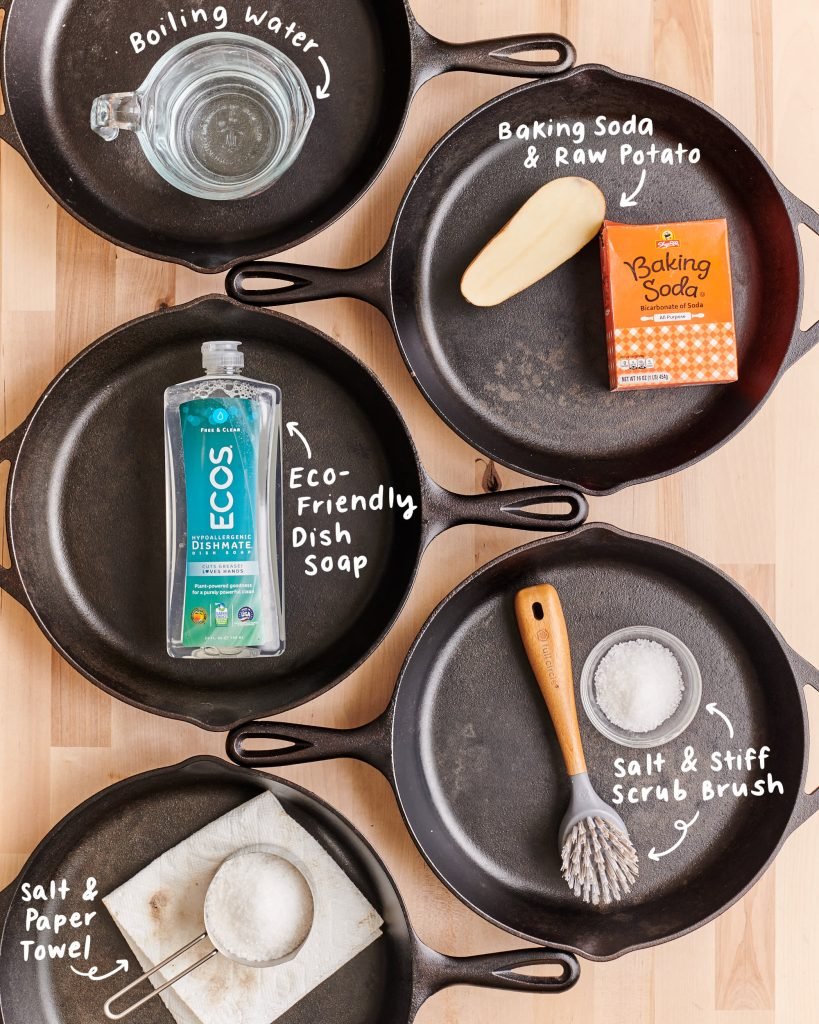
Cooking with a cast iron skillet can be a delightful experience, bringing out rich flavors and a perfect sear. But once the delicious meal is over, you might find yourself staring at the skillet, wondering how to clean it without causing damage.
Don’t worry—this is a common concern. Many people are unsure of the best way to care for this timeless kitchen tool. If you’ve ever hesitated before scrubbing away at your cast iron, you’re not alone. You’ll discover simple, effective techniques that will help you maintain your skillet’s quality and longevity.
And by the end, you’ll feel confident in your ability to keep your cast iron skillet in top shape, ready for your next culinary adventure. Stay with us as we unveil the secrets to preserving your skillet’s natural beauty and cooking performance.
Why Cast Iron Skillets Are Unique
Cast iron skillets have been a staple in kitchens for centuries, and there’s a reason why they continue to be beloved by cooks of all levels. They’re not just another piece of cookware; they’re unique in their construction and functionality. But what makes them stand out from the crowd? Let’s dive into why these skillets are one-of-a-kind.
Cast iron skillets are known for their incredible heat retention. Unlike other materials, cast iron distributes heat evenly across the surface, ensuring your food cooks uniformly. This feature is especially handy for dishes that require consistent temperatures, like searing a steak to perfection.
Another standout feature is their durability. These skillets are built to last, often outliving their owners. You might even inherit one from a grandparent, still performing as if it were new. This longevity means you can enjoy the benefits of cast iron cooking for a lifetime.
Are you tired of replacing non-stick pans every few years? A well-seasoned cast iron skillet offers a natural non-stick surface without the need for synthetic coatings. This makes them an environmentally friendly choice and a safe option for your health.
Cleaning might seem intimidating at first, but it’s simpler than you think. After cooking, you can easily remove food residue without harsh chemicals. All you need is some hot water, a gentle scrub, and a little care to maintain its seasoned surface.
Imagine the joy of owning cookware that improves with age. The more you use and care for your cast iron skillet, the better it performs. Each meal you prepare enhances the seasoning, adding layers of flavor to future dishes.
Have you ever considered the versatility of cast iron? You can use it on the stovetop, in the oven, and even over an open flame. This adaptability makes it perfect for a variety of cooking techniques, from frying and baking to roasting and grilling.
So, how do you maintain this wonderful piece of cookware? After every use, cleaning and seasoning your skillet ensures it remains in prime condition. It’s a straightforward process that rewards you with years of reliable cooking.
Do you see the appeal yet? Owning a cast iron skillet is more than just having a pan; it’s a commitment to quality cooking. With proper care, it becomes a cherished kitchen companion that enriches your culinary experiences.

Credit: m.youtube.com
Essential Cleaning Tools
Cleaning a cast iron skillet properly is vital for its longevity. Using the right tools ensures that the skillet remains in excellent condition. These tools simplify the cleaning process and prevent damage. Below are essential tools to keep your cast iron skillet pristine.
Soft Sponge Or Brush
A soft sponge or brush is perfect for cleaning. It removes food residue without scratching the surface. Choose one specifically designed for cast iron. Avoid using steel wool or metal scrubbers.
Plastic Scraper
Plastic scrapers are gentle yet effective. They help remove stuck-on food. They won’t damage the skillet’s seasoning. Keep one handy for stubborn food bits.
Salt
Salt acts as a natural abrasive. It’s ideal for scrubbing tough spots. Sprinkle some salt on the skillet. Use a sponge to scrub gently. Salt cleans without removing seasoning.
Paper Towels
Paper towels are crucial for drying. After washing, use them to wipe the skillet dry. They prevent moisture build-up and rust. Ensure the skillet is completely dry before storing.
Oil
Oiling is the final step. Apply a thin layer of vegetable oil. It maintains the skillet’s seasoning. Use a paper towel to spread the oil evenly. Regular oiling keeps your skillet non-stick.
Immediate Cleaning Steps
Cleaning a cast iron skillet right after cooking is crucial. It keeps the skillet in good shape and prevents rust. These immediate cleaning steps are quick and easy. They make sure your skillet stays perfect for the next delicious meal.
Cooling The Skillet
Let the skillet cool down slightly before cleaning. A hot skillet can burn you. Cooling it for a few minutes makes it safe to handle. Do not pour cold water into a hot skillet. This can cause the skillet to crack.
Removing Excess Food
Use a spatula to remove leftover food. Gently scrape off any stuck-on bits. Avoid using metal utensils, as they might scratch the surface. A plastic or wooden spatula works best. After scraping, wipe the skillet with a paper towel. This helps remove any remaining food particles.
Scrubbing Techniques
Cleaning a cast iron skillet can be easy with the right techniques. Scrubbing is a crucial part of this process. It ensures the skillet remains in good condition. Different methods suit various types of residue left after cooking. Knowing which technique to use can save time and effort.
Using Salt For Stubborn Spots
Salt acts as a natural abrasive. It helps remove food particles stuck to the skillet. Sprinkle a generous amount of coarse salt into the skillet. Use a damp cloth to scrub the surface. The salt scrapes off stubborn spots without damaging the pan. Rinse with warm water after scrubbing. This method is gentle yet effective.
When To Use A Brush
A brush is ideal for tougher residue. Choose a brush with soft bristles. It prevents scratching the skillet’s surface. Apply a small amount of dish soap if needed. Scrub the skillet gently. Focus on areas with more stubborn grime. A brush reaches spots a cloth might miss. This ensures a thorough clean.
Drying And Storage Tips
Cleaning a cast iron skillet involves gentle scrubbing with a brush and warm water. Thorough drying prevents rust and extends its life. Store in a dry place to keep it in good condition.
Drying and storing a cast iron skillet properly is crucial. Ensuring your skillet remains in top condition extends its lifespan. It’s not just about cleaning; it’s about maintaining its quality. Following the correct steps can prevent unwanted damage and rust.Importance Of Thorough Drying
Thorough drying is essential after cleaning your cast iron skillet. Any leftover moisture can lead to rust. Use a towel to dry your skillet immediately. For extra assurance, place it on a stove burner. Set the heat to low for a few minutes. This process removes any remaining moisture. Keep an eye on it to avoid overheating.Avoiding Rust
Rust is the enemy of cast iron. Proper storage techniques can help you avoid it. Store your skillet in a dry place. Avoid damp environments that encourage rust formation. You might consider using a paper towel. Place it between the skillet and the lid. This absorbs residual moisture and provides protection. It’s a simple step with great benefits.Re-seasoning The Skillet
Re-seasoning a cast iron skillet is vital for its longevity. It helps maintain the skillet’s non-stick surface. This process involves applying a thin layer of oil. Then heating it to bond with the metal. By doing this regularly, you prevent rust and enhance the skillet’s performance.
Choosing The Right Oil
Not all oils are suitable for seasoning. Opt for oils with a high smoke point. Flaxseed, vegetable, or canola oils are ideal. They form a durable, non-stick layer on the skillet. Avoid oils like butter or olive oil. They have low smoke points and can leave a sticky residue.
Heating Methods
Heating the skillet correctly is crucial. Preheat your oven to 450°F (232°C). Place the oiled skillet upside down on the middle rack. This prevents pooling of oil at the base. Bake the skillet for one hour. This allows the oil to bond with the iron. Let it cool completely in the oven. This step hardens the layer and improves durability.
Common Mistakes To Avoid
Cleaning cast iron skillets improperly can cause damage. Avoid using soap or soaking them in water. Dry thoroughly to prevent rust.
Cleaning a cast iron skillet can feel like a daunting task. Many people make common mistakes that can damage this valuable kitchen tool. By avoiding these pitfalls, you’ll keep your skillet in top shape for years to come.Using Soap
One of the biggest mistakes is using soap on your cast iron skillet. Soap can strip away the seasoning, which is the protective layer that gives your skillet its non-stick properties. You might think soap is necessary to clean thoroughly, but it’s not. Instead, use hot water and a stiff brush or a sponge to scrub away food particles. If there are stubborn bits, sprinkle some coarse salt into the pan as a gentle abrasive. This method keeps your seasoning intact while ensuring cleanliness. Have you ever noticed your skillet losing its non-stick charm? That could be the soap’s doing. Next time, reach for the salt, not the soap.Soaking In Water
Another common mistake is soaking your cast iron skillet in water. Water can cause the iron to rust, ruining the skillet’s surface. You might think a long soak will make cleaning easier, but it’s a risky move. Instead, try boiling water in the pan to loosen stuck food. Pour out the water and scrape the residue with a spatula. This method is effective and rust-free. Imagine finding rust spots on your beloved skillet after soaking it overnight. Avoid that heartache by using quick cleaning techniques. Keep your cast iron dry and rust-free. Remember, treating your cast iron skillet with care ensures it remains a reliable kitchen companion. Avoid these mistakes, and your skillet will thank you with perfect pancakes and juicy steaks for years to come.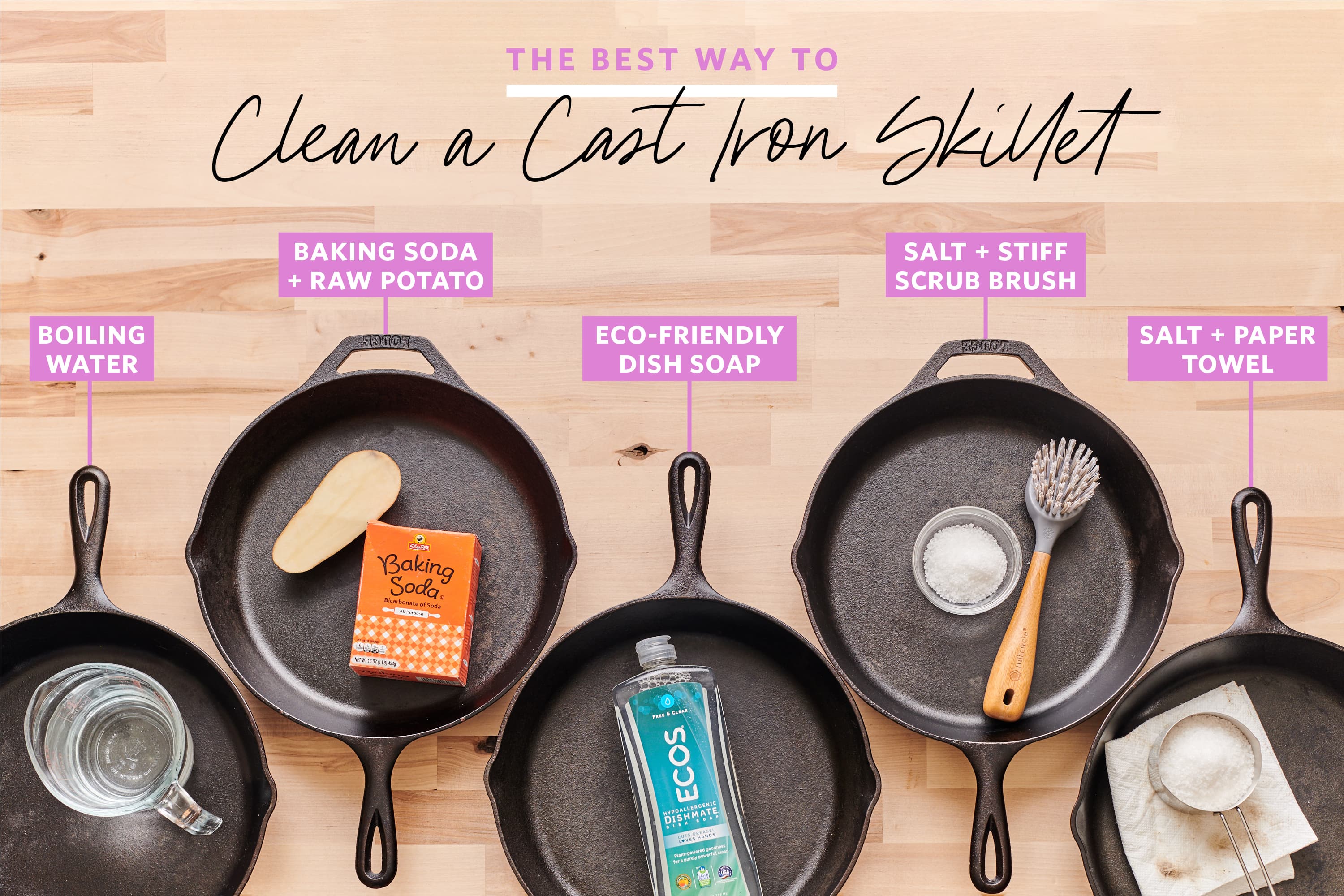
Credit: www.thekitchn.com
Long-term Care And Maintenance
Long-term care and maintenance ensure your cast iron skillet remains a kitchen staple for years. Proper care keeps its surface smooth and its cooking performance optimal. Regular maintenance can prevent rust and keep the skillet in top shape.
Regular Oil Treatment
Applying oil after each use is crucial. Use a paper towel to spread a thin layer of vegetable oil. This creates a protective coating against moisture. It helps prevent rust and maintains the skillet’s seasoned surface. This process keeps the skillet ready for your next culinary adventure.
Preventing Build-up
Avoid cooking acidic foods frequently. Tomatoes and vinegar can strip the skillet’s seasoning. When cleaning, use warm water and a soft brush. Avoid soap as it can remove seasoning. Dry your skillet immediately to prevent moisture build-up. Regularly inspect for any sticky residue. If present, re-season your skillet to restore its surface.
Expert Tips For Longevity
Keeping your cast iron skillet in top condition ensures it lasts a lifetime. Cast iron skillets are durable but need proper care. Follow expert tips for longevity. Cleaning and maintaining them can be straightforward. Let’s explore how to handle high heat and cook with acidic foods. Both can impact your skillet’s lifespan.
Handling High Heat
Cast iron skillets tolerate high heat well. But overheating can damage them. Preheat your skillet gradually to avoid thermal shock. Sudden temperature changes can cause cracking. Use medium heat for most cooking tasks. Reserve high heat for searing. Proper heat management extends your skillet’s life.
Cooking With Acidic Foods
Acidic foods like tomatoes and vinegar can erode your skillet’s seasoning. Limit cooking time with these ingredients. Reseason your skillet if necessary after cooking acidic dishes. Clean immediately to prevent prolonged contact with acid. This practice helps maintain your skillet’s non-stick surface. Regular maintenance preserves your skillet’s quality and usability.

Credit: m.youtube.com
Frequently Asked Questions
What Not To Do When Cleaning A Cast Iron Skillet?
Avoid using soap or harsh detergents on a cast iron skillet. Don’t soak it in water. Never use metal scouring pads that can strip the seasoning. Avoid putting it in the dishwasher. Always dry it thoroughly to prevent rusting.
Is Dawn Dish Soap Safe On Cast Iron?
Dawn dish soap is safe for cast iron if used correctly. Wash gently, dry immediately, and apply oil after cleaning. Avoid soaking to prevent rust. Proper care ensures longevity and maintains the seasoning layer. Always follow up with a light coating of oil to protect the surface.
Do I Wait For Cast Iron To Cool Down Before Cleaning?
Wait for cast iron to cool down slightly before cleaning. Warm cast iron cleans more easily. Use hot water and a brush. Avoid soap and harsh detergents to protect seasoning. Dry thoroughly to prevent rust. Apply a thin layer of oil after cleaning for maintenance.
Should I Oil Cast Iron After Cooking?
Yes, oiling cast iron after cooking is essential. It prevents rust and maintains the non-stick surface. Clean the pan, dry it completely, and apply a thin layer of oil. This routine helps in preserving the cookware’s longevity and enhances its performance.
Regular maintenance keeps cast iron in optimal condition.
Conclusion
Cleaning a cast iron skillet can be simple and satisfying. First, cool the skillet. Use warm water and a gentle scrubber. Dry it well with a clean cloth. Apply a thin layer of oil to prevent rust. Store in a dry place.
These steps keep your skillet healthy and long-lasting. Cooking becomes more enjoyable with a clean skillet. Caring for your cast iron rewards you with great meals every time. Remember, regular maintenance is key. Happy cooking and cleaning!
