

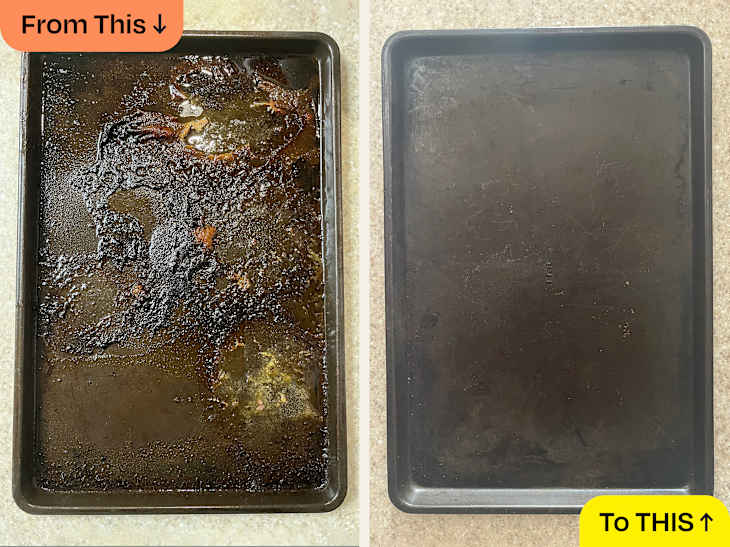
Have you ever pulled out your favorite cookie sheet only to find it stained and crusted with baked-on residue? It’s a common frustration that can make your baking experience less enjoyable.
You might wonder if there’s a secret to bringing your cookie sheet back to its shiny, pristine state. You’re in the right place! By the end of this article, you’ll discover the best way to clean a cookie sheet, ensuring it looks as good as new and performs perfectly every time you bake.
With just a few simple steps, you can say goodbye to stubborn stains and sticky residue, and hello to effortless clean-ups and delicious cookies. Are you ready to transform your baking game? Let’s dive in!
Choosing The Right Cleaning Tools
Cleaning a cookie sheet might not be the most glamorous task, but choosing the right tools can make the process surprisingly easy and satisfying. Your cookie sheet is a kitchen hero, braving high temperatures and sticky messes. So, treating it with the right cleaning tools ensures its longevity and keeps your cookies tasting delicious.
Soft Scrubbers For Gentle Cleaning
Ever tried scrubbing your cookie sheet with a metal brush only to end up with scratches? Opt for soft scrubbers instead. They clean effectively without damaging the surface. Next time you tackle those stubborn spots, reach for a nylon scrubber or a sponge with a gentle abrasive side.
Baking Soda: Your Secret Weapon
Baking soda is not just for baking. It’s excellent for cleaning too! Sprinkle a generous amount on your cookie sheet, add some water, and let it sit for a few minutes. When you wipe it away, you’ll find that stubborn stains have loosened. It’s a simple trick that works wonders.
White Vinegar For Extra Shine
Did you know that white vinegar can give your cookie sheet a brilliant shine? After scrubbing with baking soda, dab a little vinegar on a cloth and wipe the sheet. It not only removes any remaining residue but also gives it a gleaming finish. It’s like giving your cookie sheet a spa day!
Avoiding Harsh Chemicals
Before reaching for that bottle of chemical cleaner, think about how it might affect your cookware. Harsh chemicals can be abrasive and leave a residue that could affect your food. Instead, choose natural alternatives like baking soda and vinegar. They’re safer for you and your kitchen.
When cleaning your cookie sheet, what tools do you find indispensable? Is there a technique you swear by? Sharing your insights can help fellow bakers keep their sheets in top shape. Next time you’re about to clean up, remember these tips and see if your cookie sheet doesn’t look brand new!
Credit: www.thekitchn.com
Pre-cleaning Preparation
Preparing your cookie sheet for cleaning is crucial. Proper preparation ensures effective cleaning. This process involves a few simple steps. It starts with removing any leftover debris. Then, soaking the sheet helps loosen stuck-on food. These initial steps make the cleaning process much easier.
Removing Loose Debris
Begin by scraping off loose food bits. Use a spatula or soft brush. This prevents scratching the surface. Gently remove crumbs and baked-on residue. Ensure all visible debris is cleared. This step is essential before soaking. It prevents further stains and damage.
Soaking Techniques
Fill your sink with warm water. Add a few drops of dish soap. Place the cookie sheet in the soapy water. Let it soak for 15-30 minutes. This softens any remaining grime. You can also use baking soda for tough stains. Sprinkle it over the surface before soaking. This helps in breaking down stubborn spots.
Effective Cleaning Solutions
Finding effective solutions for cleaning cookie sheets can be challenging. With the right methods, you can remove stubborn stains and burnt residue. Here are some proven cleaning techniques that work wonders.
Baking Soda And Vinegar
Baking soda and vinegar are household staples. They can restore your cookie sheet to its original shine. First, sprinkle baking soda generously over the sheet. Then, spray vinegar over the baking soda. Let this mixture bubble for 30 minutes. The fizzing action helps lift stubborn grease and grime. Afterward, scrub with a sponge or brush. Rinse thoroughly with warm water. Your cookie sheet will look refreshed and clean.
Hydrogen Peroxide Paste
Hydrogen peroxide and baking soda make a powerful paste. It can tackle the toughest stains. Mix these ingredients to form a thick paste. Spread the paste over the stained areas of the sheet. Allow it to sit for at least two hours. The paste works to break down burnt food and grease. Scrub gently with a brush and rinse well. The cookie sheet will gleam with cleanliness.
Commercial Cleaners
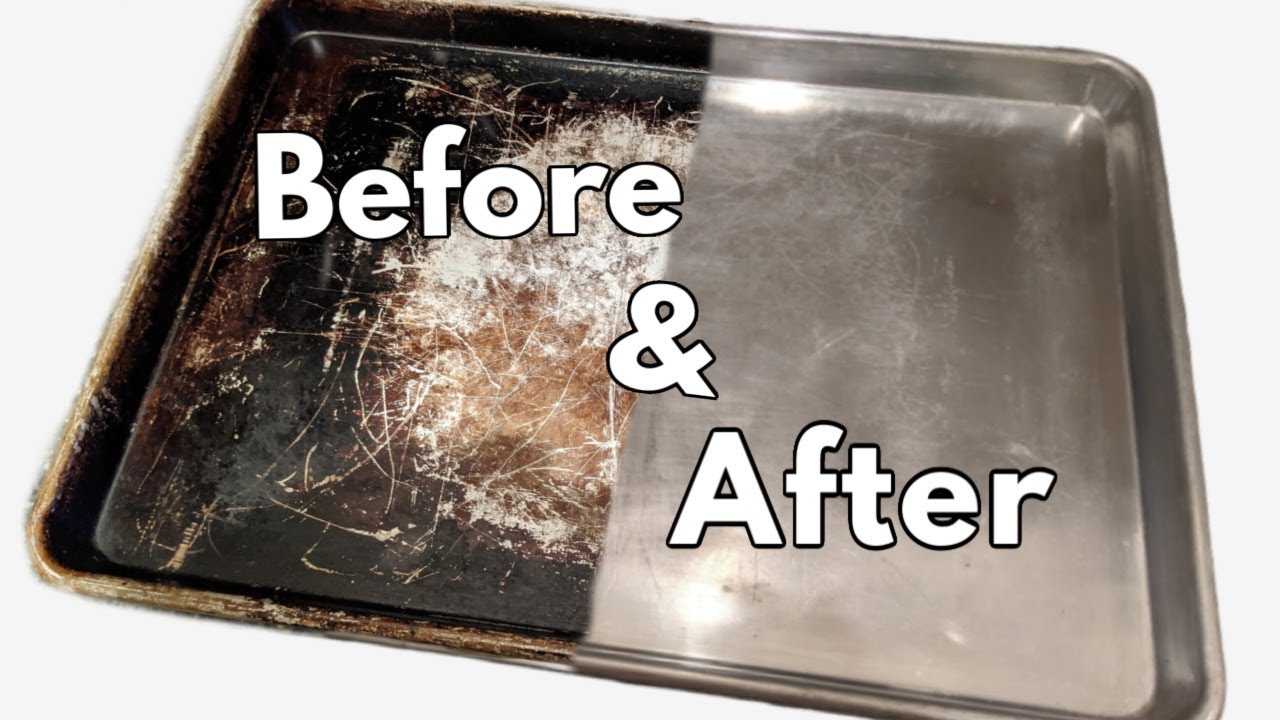
Commercial cleaners can be effective for deeply stained sheets. These products are designed to cut through tough grime. Always read the instructions before using any cleaner. Apply the product evenly on the surface. Let it work its magic for the recommended time. Scrub with a non-abrasive sponge or brush. Rinse thoroughly to remove any chemical residue. Your cookie sheet will look as good as new.
Credit: www.youtube.com
Scrubbing Methods
Cleaning a cookie sheet effectively involves scrubbing methods that tackle stubborn stains and baked-on residue. Soak the sheet in hot, soapy water to loosen grime. Use a non-abrasive scrub pad for gentle scrubbing, ensuring the surface is not scratched. This method keeps your cookie sheet spotless and ready for your next baking adventure.
Cleaning cookie sheets can be a challenging task, especially when they start looking more like abstract art than kitchenware. Those baked-on stains and residue can be stubborn. Scrubbing methods are crucial in restoring your cookie sheets to their former glory. But, how do you scrub away without causing damage? Let’s dive into some effective techniques.Using Non-scratch Pads
Non-scratch pads are your best friends when it comes to cleaning cookie sheets without leaving marks. They provide the right amount of friction to lift off grime while being gentle on the surface. Imagine scrubbing away with a pad that’s powerful enough to remove stubborn stains, yet kind enough to leave your cookie sheet pristine. It’s like having your cake and eating it too, right? Remember, the trick is consistency. Regular use of non-scratch pads can maintain your sheets in prime condition. Are you ready to swap out those old abrasive tools for a softer touch?Avoiding Abrasive Materials
Abrasive materials can scratch and damage your cookie sheets, making them less effective over time. It’s tempting to reach for steel wool or gritty cleaners when faced with tough stains, but resist the urge. Instead, opt for baking soda or a mix of vinegar and water. These natural solutions can dissolve stubborn spots without causing harm. Just sprinkle, scrub gently, and rinse. Have you ever considered the long-term impact of your cleaning tools on your cookware? It’s worth thinking about; a little caution now can save you from replacing cookie sheets later. By focusing on gentle scrubbing methods, you not only preserve the integrity of your kitchen gear but also extend its lifespan. Next time you’re cleaning up post-baking, try these tips and see the difference. Your cookie sheets will thank you!Dealing With Stubborn Stains
Removing stubborn stains from cookie sheets requires simple techniques. Scrub with baking soda and vinegar for effective cleaning. For tough spots, soak the sheet in hot water mixed with dish soap.
Have you ever faced the frustrating task of dealing with stubborn stains on your cookie sheet? You’re not alone. These stains often seem impossible to remove, but with the right techniques, you can restore your cookie sheet to its former glory. Let’s dive into two effective methods that can help you tackle those tough spots.Baking Soda And Aluminum Foil
Baking soda is a household staple that works wonders on tough stains. Start by sprinkling a generous amount of baking soda over the stained areas of your cookie sheet. Next, take a piece of aluminum foil and crumple it into a ball. Use this ball to scrub the baking soda into the stains. The gentle abrasiveness of the foil combined with the cleaning power of baking soda will help break down the grime. Rinse thoroughly with warm water once you’re done. Have you tried this method before? It’s surprisingly effective and doesn’t require any harsh chemicals.Boiling Water Technique
Another trick to try is the boiling water technique. Heat a pot of water until it’s boiling, and then carefully pour it over the stained areas of your cookie sheet. The heat will help loosen the baked-on residue. Let it sit for a few minutes, allowing the water to work its magic. After the water cools slightly, use a scrub brush or sponge to remove the softened stains. This method is particularly useful for those stubborn spots that just won’t budge. Do you think this sounds too simple to be true? Give it a try and watch those stains disappear. Remember, consistency is key. Regularly maintaining your cookie sheets will prevent stubborn stains from forming in the first place. So, what’s stopping you from taking action today? Grab your materials and see the transformation for yourself!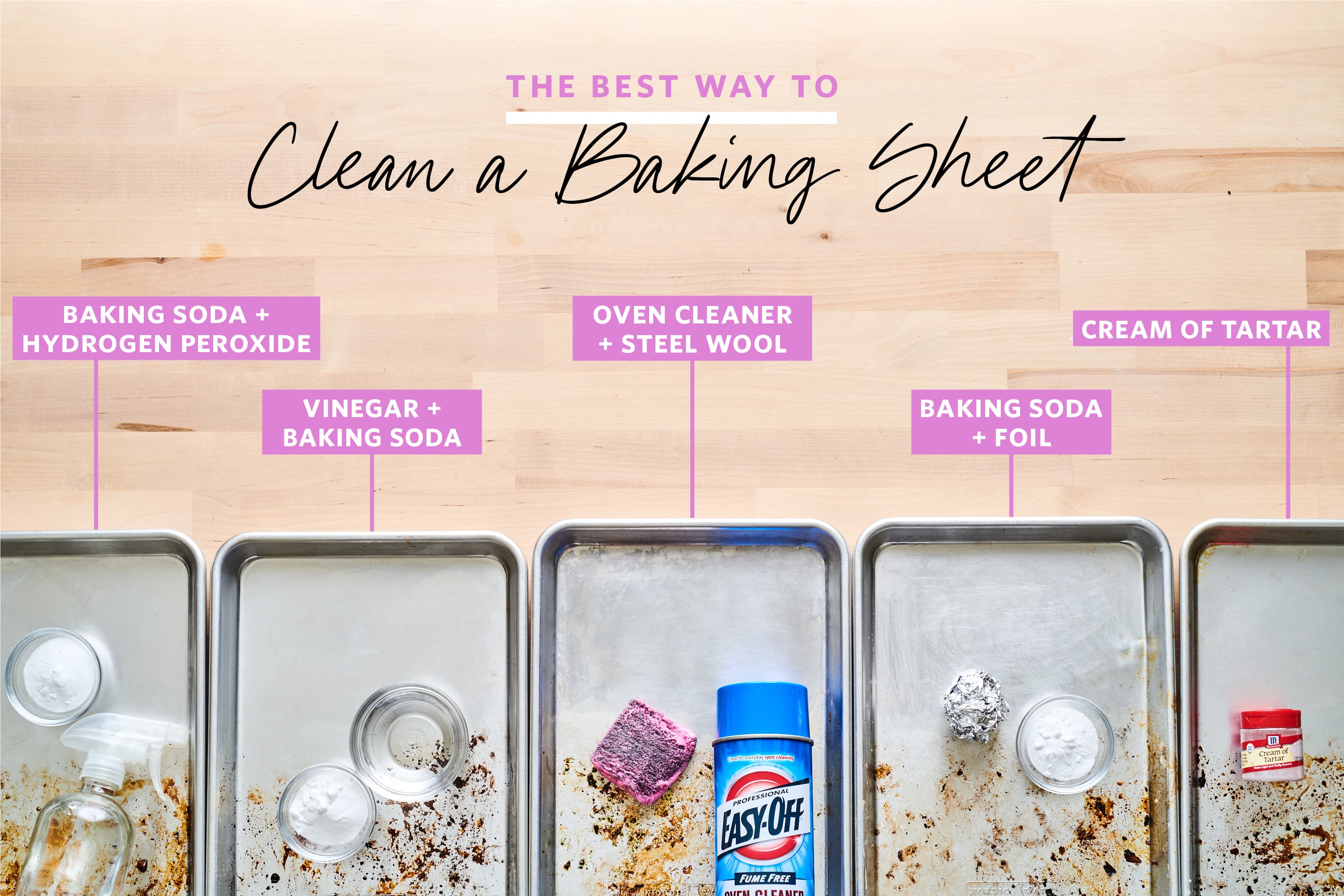
Credit: www.cubbyathome.com
Preventing Future Buildup
Keep cookie sheets spotless by scrubbing them immediately after use. Use baking soda and vinegar for stubborn stains. Regular cleaning prevents future buildup and keeps your sheets in top condition.
Preventing future buildup on your cookie sheets is key to extending their lifespan and keeping them looking new. It’s not just about cleaning them after each use but also adopting habits that reduce grime accumulation. Imagine how much easier your baking routine will be when you don’t have to spend extra time scrubbing stubborn stains. Here are some practical tips to help you achieve just that.Regular Maintenance Tips
Regular maintenance is your best friend in preventing buildup. After each use, wash your cookie sheet with warm water and mild dish soap. Use a soft sponge to avoid scratching the surface. Dry the sheet immediately with a clean towel. Leaving it wet can lead to rust and unwanted residue. A simple wipe with a damp cloth after baking can also do wonders. If you notice any stains, tackle them right away. A paste of baking soda and water can help lift stubborn spots. Just apply, let it sit for a few minutes, then scrub gently.Using Protective Liners
Protective liners can be game-changers for your baking routine. Silicone baking mats or parchment paper act as a barrier between your cookie sheet and food. This prevents direct contact, reducing the chance of stains and burnt residue. Liners are not only practical but reusable. Silicone mats can be washed easily and used multiple times, saving you money and reducing waste. If you’re worried about liners affecting baking time or food texture, rest easy. They often enhance baking by providing even heat distribution. Have you tried using them yet? By integrating these habits into your baking routine, you can enjoy spotless cookie sheets with minimal effort. What strategies have you found most effective in keeping your kitchenware clean?Expert Insights And Common Mistakes
Discover the best methods to clean a cookie sheet efficiently. Avoid common mistakes like using harsh chemicals. Learn expert tips for a spotless result with minimal effort.
Cleaning a cookie sheet can often feel like an impossible task, especially when you’re staring at stubborn, baked-on messes. Have you ever wondered if there’s a better way to restore that sheet to its former glory? Let’s dive into some expert insights and uncover the common mistakes you might be making. Whether you’re a seasoned baker or a kitchen newbie, understanding these tips can make all the difference.Avoiding Harsh Chemicals
Using harsh chemicals might seem like a quick fix for a dirty cookie sheet. However, these can damage the surface and potentially leave residues that affect your food. Instead, opt for natural solutions such as baking soda and vinegar. Baking soda acts as a gentle abrasive, lifting stains without scratching. Vinegar helps to break down grease and grime effectively. Combine these two for a powerful, yet safe, cleaning duo. Have you ever tried scrubbing with a ball of aluminum foil? It’s surprisingly effective and doesn’t require any harsh products. Plus, it’s a great way to recycle! So, next time you’re tempted to reach for a chemical cleaner, consider these alternatives that are kinder to your cookie sheet and the environment.Importance Of Thorough Rinsing
Rinsing might sound like a no-brainer, but it’s a step often overlooked. Even natural cleaning agents need to be thoroughly rinsed to ensure no residue remains. Leftover cleaning agents, even natural ones, can affect the taste and safety of your baked goods. Use warm water and a clean sponge to ensure all cleaning solutions are washed away. Imagine biting into a cookie and tasting a hint of vinegar. Not pleasant, right? That’s why thorough rinsing is crucial. Make it a habit to inspect the sheet under good lighting to catch any missed spots. Your taste buds will thank you, and your cookie sheet will maintain its shine for many bakes to come. What’s your go-to method for cleaning cookie sheets? Share your tips or any cleaning mishaps in the comments below. Let’s learn from each other and make baking a cleaner, more enjoyable experience.Frequently Asked Questions
How Do I Remove Burnt Stains From A Cookie Sheet?
To remove burnt stains, sprinkle baking soda on the sheet. Add hot water and let it sit for 30 minutes. Scrub gently with a non-abrasive sponge. Rinse thoroughly and dry with a clean towel for best results.
Can Vinegar Clean A Cookie Sheet Effectively?
Yes, vinegar can effectively clean a cookie sheet. Mix equal parts vinegar and water, soak the sheet for 30 minutes. Scrub with a soft sponge to remove residue. Rinse and dry thoroughly for a spotless finish.
Is Baking Soda Safe For Cleaning Cookie Sheets?
Yes, baking soda is safe for cleaning cookie sheets. It’s a natural, non-toxic cleaner. Sprinkle baking soda on the sheet, add water, and scrub gently. Rinse thoroughly and dry for a clean surface without harsh chemicals.
What Tools Are Best For Scrubbing Cookie Sheets?
Non-abrasive sponges and soft-bristled brushes are best for scrubbing cookie sheets. They effectively remove debris without scratching. Avoid steel wool, which can damage the surface. For stubborn stains, use baking soda or vinegar for extra cleaning power.
Conclusion
A clean cookie sheet makes baking more enjoyable. Regular care prevents stubborn stains. Use simple cleaning methods to keep it spotless. Baking soda and vinegar work wonders. Dry thoroughly to avoid rust. Always handle with care for a longer lifespan.
Choose natural cleaners for a healthier kitchen. A little effort saves time in the long run. Consistent maintenance keeps your kitchen tools ready for the next bake. Happy baking!
