

Are you tired of those stubborn stains and unsightly streaks on your glass cooktop stove? You’re not alone.
Many people struggle to keep their glass cooktops looking pristine. But what if I told you that there’s a simple way to achieve a spotless shine every time? Imagine the satisfaction of a sparkling, spotless surface that looks like new.
You deserve a kitchen that makes you proud, and it all starts with mastering the art of cleaning your glass cooktop. In this guide, you’ll discover the best methods and tips that will transform your cleaning routine and keep your stove gleaming. Ready to make your life easier and your kitchen more beautiful? Let’s dive in!
Choosing The Right Cleaning Tools
Microfiber cloths and gentle cleaners are ideal for glass cooktop stoves. They prevent scratches and streaks. Baking soda and vinegar can tackle stubborn stains effectively.
Choosing the right cleaning tools for your glass cooktop stove can make the difference between a spotless surface and unwanted scratches. The delicate nature of glass cooktops requires specific tools that ensure both cleanliness and protection. By selecting the appropriate cleaning supplies, you can maintain the glossy appearance of your stove without causing any damage.Essential Cleaning Supplies
To effectively clean your glass cooktop, you need a few essential supplies. A non-abrasive sponge or microfiber cloth is ideal for wiping away spills without scratching the surface. A dedicated glass cooktop cleaner will help break down stubborn residues, while a plastic scraper can gently remove any burnt-on food without leaving marks. A soft, lint-free cloth is perfect for buffing the surface to a streak-free shine, ensuring your cooktop looks as good as new.Avoiding Harsh Materials
Not all cleaning tools are suitable for glass cooktops, and using the wrong ones can lead to irreversible damage. Avoid using steel wool, abrasive pads, or any other hard-bristled brushes that can scratch the glass. Harsh chemical cleaners can also damage the surface over time, so it’s best to stick to products specifically designed for glass cooktops. Have you ever noticed tiny scratches or a dull finish on your cooktop? It might be due to using the wrong cleaning tools. Choosing the right ones not only preserves the look of your stove but also extends its lifespan.
Credit: thekrazycouponlady.com
Daily Maintenance Routine
Maintaining the shine of your glass cooktop stove requires daily attention. A simple routine can help prevent stubborn stains and scratches. Keeping it clean ensures it remains a centerpiece in your kitchen. Here’s how to incorporate effective daily maintenance into your schedule.
Quick Wipe Down
After cooking, allow the stove to cool. Use a soft, damp cloth to wipe away spills and crumbs. This prevents them from hardening and becoming difficult to remove later. A quick wipe ensures your cooktop stays gleaming and ready for the next use.
Spot Cleaning Techniques
For minor spots, use a mix of vinegar and water. Spray it on the affected area and let it sit for a few minutes. Gently rub with a soft sponge to lift the stain. For sticky residue, a little baking soda can work wonders. Sprinkle it on a damp cloth and scrub gently. This method helps remove spots without scratching the surface.
Deep Cleaning Process
Start by removing burnt food with a scraper. Apply a mix of baking soda and vinegar. Gently scrub with a soft cloth, then wipe clean with a damp cloth for a shiny finish.
Deep cleaning a glass cooktop stove involves a few essential steps. This process ensures your cooktop remains spotless and functions efficiently. Let’s explore the steps to achieve a sparkling clean glass surface.Preparing The Cooktop
Begin by turning off the stove and letting it cool. Safety first. Remove any food debris with a soft cloth. This step prevents scratches later. Ensure the cooktop is completely clear before proceeding.Using Natural Cleaners
Opt for natural cleaners to avoid harsh chemicals. Mix equal parts of vinegar and water in a spray bottle. Spray this solution generously over the cooktop. Let it sit for a few minutes. This helps loosen dirt and grime.Scrubbing Stubborn Stains
Use a non-abrasive sponge for scrubbing. Apply a baking soda paste to tough stains. Gently scrub in circular motions. Be patient with stubborn spots. Rinse the sponge frequently to avoid spreading dirt. Wipe the surface clean with a damp cloth. Repeat the process if necessary for persistent stains. Finish by drying the cooktop with a microfiber cloth. This prevents streaks and leaves a shine. Your glass cooktop should now look as good as new.Preventing Future Stains
Preventing future stains on your glass cooktop stove is essential. It keeps your kitchen looking pristine and makes cleaning easier. By adopting simple habits, you can avoid stubborn stains and scratches.
Proper Use Of Cookware
Choose flat-bottomed pots and pans for even heat distribution. Avoid dragging cookware across the cooktop to prevent scratches. Check the bottom of your cookware regularly for any residue or rough spots.
Regular Cleaning Habits
Wipe spills promptly to prevent them from hardening. Use a soft cloth or sponge for daily cleaning. Incorporate weekly deep cleaning with gentle, non-abrasive cleaners.
Handling Burnt-on Residue
Cleaning burnt-on residue from a glass cooktop stove is simple. Use a mixture of baking soda and vinegar. Let it sit, then gently scrub with a soft cloth. This method effectively removes stubborn stains without scratching the surface. Regular cleaning prevents build-up and maintains the stove’s shine.
Handling burnt-on residue on your glass cooktop can be quite a challenge. You’re often left wondering if there’s a way to get rid of those stubborn stains without damaging the surface. The good news is, with the right approach, you can restore your cooktop’s shine safely and effectively. Let’s explore some practical methods that can make this daunting task more manageable.Safe Scraping Methods
Removing burnt-on residue requires a gentle touch. Using a razor blade scraper can be effective, but ensure it’s designed for glass surfaces. Hold the blade at a 45-degree angle and gently scrape off the residue without applying too much pressure. Consider using a non-abrasive scrub pad for smaller stains. A gentle circular motion helps lift the residue without leaving scratches.Effective Stain Removal
For stubborn stains, a homemade solution can work wonders. Mix equal parts of white vinegar and water in a spray bottle. Apply it generously to the stained area and let it sit for a few minutes. The acid in the vinegar helps break down the residue, making it easier to wipe away. Baking soda can also be your ally. Sprinkle it over the stain and add a few drops of water to form a paste. Let it sit for a while, then scrub gently with a soft cloth. Have you ever tried using toothpaste? It’s surprisingly effective due to its mild abrasive properties. Apply a small amount on the stain, rub gently, and rinse with water. What’s your go-to method for handling burnt-on residue? Share your tips in the comments below!Polishing For A Shine
Polishing your glass cooktop stove adds the perfect finishing touch. It enhances the stove’s appearance and keeps it looking like new. A polished surface reflects light beautifully, giving your kitchen a clean, bright look. But to achieve that shine, you need the right polish and proper techniques. Let’s explore these aspects.
Choosing The Right Polish
Select a polish designed for glass cooktops. Look for non-abrasive formulas. They clean without scratching. Some products include a protective layer. This reduces future stains and spills. Read labels carefully to ensure compatibility with your stove. Avoid using regular household cleaners. They can damage the glass surface.
Application Techniques
Start by ensuring the cooktop is cool and clean. Apply a small amount of polish to a soft cloth. Use circular motions to spread the polish evenly. Cover the entire surface gently. Avoid applying too much pressure. Buff the surface with a clean, dry cloth. This step enhances the shine. Repeat if needed for stubborn spots. Always follow the polish manufacturer’s instructions for best results.
Common Mistakes To Avoid
Cleaning a glass cooktop stove can be tricky. Many people make common mistakes that can damage the surface or reduce its shine. Understanding these mistakes and how to avoid them is key to maintaining your stove’s pristine condition.
Overuse Of Water
Excessive water can seep into crevices of the cooktop. This might cause electrical issues or rust. Use a damp cloth rather than a soaking wet one. Make sure the cloth is just slightly wet. This prevents water from pooling on the surface.
Ignoring Manufacturer Guidelines
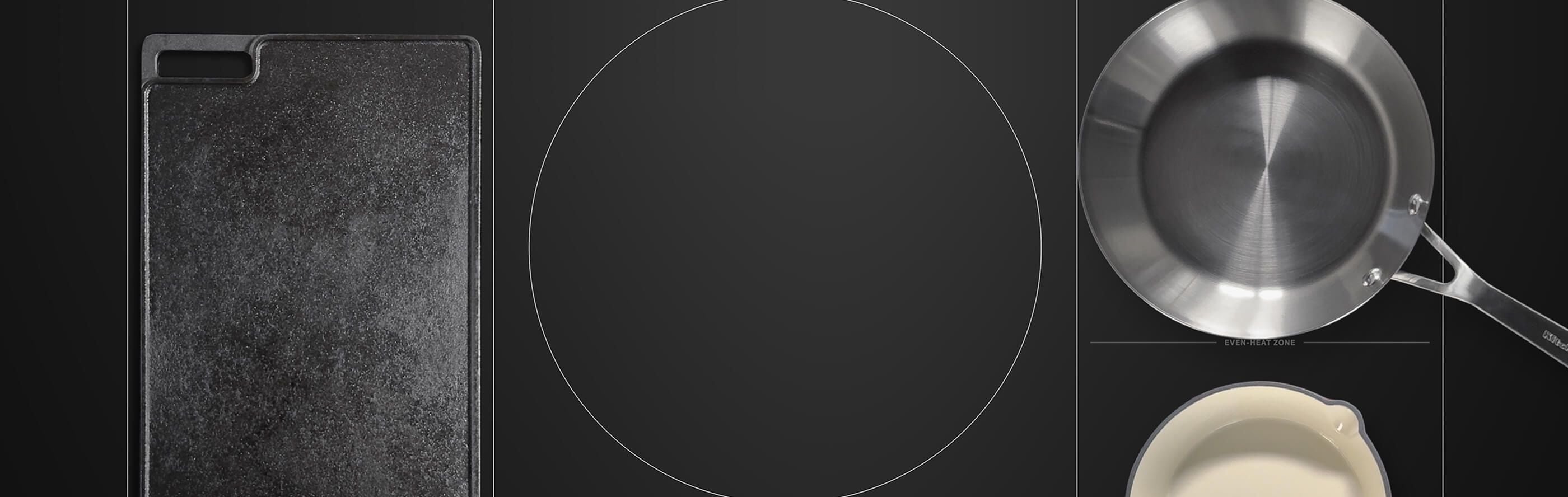
Each stove model has specific cleaning instructions. These guidelines help protect the glass surface. Ignoring them can lead to scratches or discoloration. Always read and follow the manufacturer’s advice. This ensures you use the right cleaning products and techniques.
Credit: www.kitchenaid.com
Expert Advice And Recommendations
Cleaning a glass cooktop stove requires special care and attention. Experts recommend using specific techniques and products to keep it spotless. Following professional advice ensures your stove stays shiny and scratch-free.
Tips From Professional Cleaners
Professional cleaners suggest using soft cloths for wiping the surface. Avoid abrasive sponges that can scratch the glass. Clean spills immediately to prevent stubborn stains. Use gentle circular motions for effective cleaning.
Recommended Products
Experts recommend products specifically designed for glass cooktops. Look for cleaners that are non-abrasive and safe for glass surfaces. Popular choices include cooktop cleaning creams and sprays. These products dissolve stubborn grime without damaging the stove.

Credit: thekrazycouponlady.com
Frequently Asked Questions
How Do You Clean A Black Stove Top Glass?
Clean a black stove top glass using a mixture of baking soda and water. Gently scrub with a soft cloth. Rinse with water and dry thoroughly. Avoid abrasive cleaners to prevent scratches. Regular maintenance ensures a shiny, streak-free surface.
How To Clean Burnt Stuff Off A Glass Cooktop?
Use a vinegar and baking soda paste to scrub gently. Wipe with a damp cloth. Avoid abrasive cleaners.
What Should You Not Use To Clean A Glass Top Stove?
Avoid using abrasive cleaners, steel wool, or scouring pads on a glass top stove. They can scratch the surface. Always use gentle cleaners and soft cloths to preserve its shine and functionality. Harsh chemicals can damage the stove’s finish, so opt for specialized glass cooktop cleaners.
What Is The Best Cleaning Solution For A Glass Top Stove?
Use a mix of vinegar and baking soda for cleaning. Apply the paste, let it sit, and scrub gently. Rinse with water and dry with a soft cloth. This solution removes grime without scratching the glass surface. Regular cleaning maintains the stove’s shine and functionality.
Conclusion
Cleaning your glass cooktop stove can be simple and effective. Start with gentle cleansers. Avoid harsh chemicals that can damage the surface. Use soft cloths or sponges for wiping. Regular cleaning keeps your stove looking new. Always clean spills quickly to prevent stains.
Check the manufacturer’s guide for specific tips. This ensures your stove stays in top condition. A little care goes a long way. Make cleaning a regular habit. Enjoy a sparkling stove every day. With these tips, cleaning becomes easy. Safe and efficient methods will protect your appliance.
Keep your kitchen shining bright.
