

Keeping your kitchen floor spotless can feel like a never-ending task. You want it to shine, but sometimes no matter how much effort you put in, those stubborn stains and sticky spots just won’t budge.
What if there was a simple, effective way to clean your kitchen floor that saves you time and gives you that fresh, just-cleaned look every single time? You’ll discover the best way to clean your kitchen floor—tips and tricks that make the job easier, faster, and more satisfying.
Ready to transform your cleaning routine and enjoy a kitchen floor you’re proud of? Let’s dive in!

Credit: limestone.tilecleaning.co.uk
Choosing The Right Cleaning Tools
Choosing the right cleaning tools can make a huge difference in how effectively and quickly you clean your kitchen floor. Using improper tools might leave dirt behind or even damage your flooring. Think about the type of floor you have and your personal comfort while cleaning to pick the best tools for the job.
Mops And Brooms
Not all mops and brooms work the same on every kitchen floor. For hardwood or laminate floors, a microfiber mop with a flat head is gentle yet effective at picking up dust and spills.
If you have tile or vinyl floors, consider a sponge mop that can handle wet cleaning without leaving streaks. Traditional brooms are great for quick sweeps, but angled brooms reach corners better, especially in tight kitchen spaces.
Ask yourself: Do you prefer dry sweeping or wet mopping? Your answer will guide the tool choice that fits your cleaning style best.
Vacuum Options
Vacuum cleaners aren’t just for carpets—they can be a game changer for kitchen floors too. Stick vacuums offer easy maneuverability and are perfect for quick cleanups on hard surfaces.
Robot vacuums save time, but check if they are designed to handle crumbs and small debris typical in kitchens. Some models also offer mopping features, combining two tasks in one.
Think about your kitchen layout. Would a lightweight vacuum make your cleaning easier, or do you need a model with strong suction for stubborn dirt?
Cleaning Cloths And Pads
Microfiber cloths and pads excel at trapping dirt and are reusable, making them eco-friendly options. Use them for spot cleaning or drying floors after mopping.
Consider pads designed for specific mops—they can enhance cleaning power and protect your floor surface. Some pads come with scrubbing textures to tackle sticky messes without scratching.
How often do you clean your kitchen? Having a few sets of cloths and pads ready means you can switch them out and keep your floor consistently spotless.
Selecting Safe Cleaning Solutions
Choosing the right cleaning solution for your kitchen floor is essential for both safety and effectiveness. Harsh chemicals can damage your flooring and pose health risks, especially if you have children or pets. Selecting safe cleaning solutions ensures your kitchen stays spotless without compromising your well-being.
Natural Cleaners
Natural cleaners are gentle on floors and safe for your family. Ingredients like vinegar, lemon juice, and baking soda can tackle dirt and grime effectively.
For instance, vinegar cuts through grease while being non-toxic. You might wonder if the smell is overpowering; it usually fades quickly and leaves a fresh scent behind.
Natural options reduce exposure to harmful chemicals, making them ideal for everyday cleaning. Have you tried swapping your usual cleaner for a natural one just to see the difference?
Commercial Products
Commercial cleaning products offer convenience and targeted solutions for different floor types. Many brands now provide eco-friendly options that balance power and safety.
Look for labels stating “non-toxic,” “biodegradable,” or “safe for pets and children.” These hints indicate better choices for your home environment.
Keep in mind, some commercial products contain strong chemicals that require proper ventilation and protective gloves. Always read instructions carefully to avoid any mishaps.
Homemade Mixtures
Creating your own cleaning mixtures lets you control what touches your floor. Simple combinations like warm water with a few drops of mild dish soap can work wonders.
Try mixing 1 cup of vinegar with 1 gallon of warm water for a quick, effective mop solution. This blend cleans well without leaving residue or streaks.
Have you experimented with homemade cleaners before? Adjusting recipes to fit your floor’s needs can be a satisfying and cost-effective way to maintain cleanliness safely.
Cleaning Techniques For Different Floor Types
Different kitchen floors need different cleaning methods. Using the right technique keeps floors safe and looking great. Each floor type has unique needs for cleaning products and tools. Understanding these needs prevents damage and extends floor life.
Tile Floors
Tile floors are tough and water-resistant. Use a soft broom or vacuum to remove dust and dirt first. Mop with warm water and a mild detergent for best results. Avoid harsh chemicals that can wear down grout lines. For stubborn stains, a mixture of baking soda and water works well. Rinse the floor with clean water to avoid residue build-up. Dry tiles with a soft cloth to prevent slipping.
Wood Floors
Wood floors need gentle care to avoid scratches and warping. Sweep or vacuum with a soft brush attachment to clear dust. Use a damp mop with a cleaner made for wood floors only. Avoid soaking the floor with water, as excess moisture can damage wood. Wipe up spills immediately to prevent stains. Buff the floor with a dry microfiber cloth for shine and smoothness.
Vinyl And Laminate Floors
Vinyl and laminate floors are durable but sensitive to certain cleaners. Remove loose dirt with a broom or vacuum. Clean with a damp mop and a solution of water and gentle dish soap. Avoid abrasive scrubbers that can scratch the surface. Never use wax or polish on these floors. Dry the floor quickly to prevent water damage or warping. For tough spots, use a soft cloth and a little rubbing alcohol.
Removing Tough Stains And Spots
Removing tough stains and spots from your kitchen floor can feel like a daunting task. But with the right approach, you can tackle these stubborn marks efficiently without damaging your flooring. Let’s break down how to handle different types of common kitchen stains so you can keep your floor spotless and inviting.
Grease And Oil
Grease and oil stains are some of the trickiest to clean because they tend to soak deep into the floor’s surface. Start by blotting up any excess oil with paper towels—avoid rubbing, which spreads the stain.
Next, sprinkle baking soda or cornstarch over the stain and let it sit for 10-15 minutes. These powders absorb oil effectively.
Afterward, use a gentle scrub brush with warm water and a few drops of dish soap to lift the remaining residue. You’ll often find this simple combination works better than harsh chemicals.
Food Spills
Food spills can quickly turn into stubborn spots if left unattended. Wipe them up as soon as possible using a damp cloth or mop.
If the spill has dried, soften it by spraying warm water and letting it sit for a few minutes before scrubbing gently. For sticky messes like jam or syrup, a mixture of vinegar and water can help break down the sugars without harming your floor.
Have you noticed that some spills leave a faint discoloration? Testing your cleaning solution on a hidden spot first prevents any surprises.
Dried Residue
Dried residue from things like grout, paint splatters, or food bits requires a bit more patience. Use a plastic scraper to carefully lift off as much dried material as possible without scratching.
Then, dampen the area with warm, soapy water and let it soak briefly. A microfiber cloth or soft brush can help scrub away leftover residue without damaging the floor’s finish.
Sometimes, a steam mop can loosen dried residues effectively, but check if it’s safe for your floor type. What stubborn spot has challenged your cleaning skills the most?
Maintaining A Clean Kitchen Floor
Keeping your kitchen floor spotless doesn’t have to be a daunting task. A clean floor not only improves the look of your kitchen but also ensures a healthier environment for your family. Small, consistent efforts can make a big difference in maintaining that fresh, clean feel every day.
Daily Cleaning Habits
Start by sweeping or vacuuming your kitchen floor every day. This stops dirt and crumbs from building up and becoming harder to clean later. Wiping spills immediately prevents stains and sticky patches that attract pests.
Use a damp mop with a gentle cleaner to wipe the floor after busy cooking days. You’ll find that quick touch-ups take less time and effort than waiting for a big mess to pile up. Have you noticed how a few minutes of daily care keeps your kitchen welcoming?
Preventive Measures
Think about what causes most kitchen floor messes. Placing mats near sinks and cooking areas catches water splashes and food crumbs before they spread. Using rugs with non-slip backing can also protect your floors from scratches and wear.
Keep pet food bowls in a designated spot to avoid scattered crumbs. Consider setting rules like removing shoes before entering the kitchen to reduce dirt brought in from outside. What small changes could you make to stop dirt before it lands on your floor?
Deep Cleaning Schedule
Even with daily care, your kitchen floor needs a thorough clean every week or two. Use a stronger floor cleaner suited to your flooring type and mop the entire surface carefully. Pay attention to corners and under cabinets where dirt tends to hide.
Once a month, try scrubbing grout lines or using steam cleaning if your floor material allows it. This deeper clean refreshes your floor and extends its lifespan. How often do you set aside time for a deeper clean that really restores your kitchen floor?
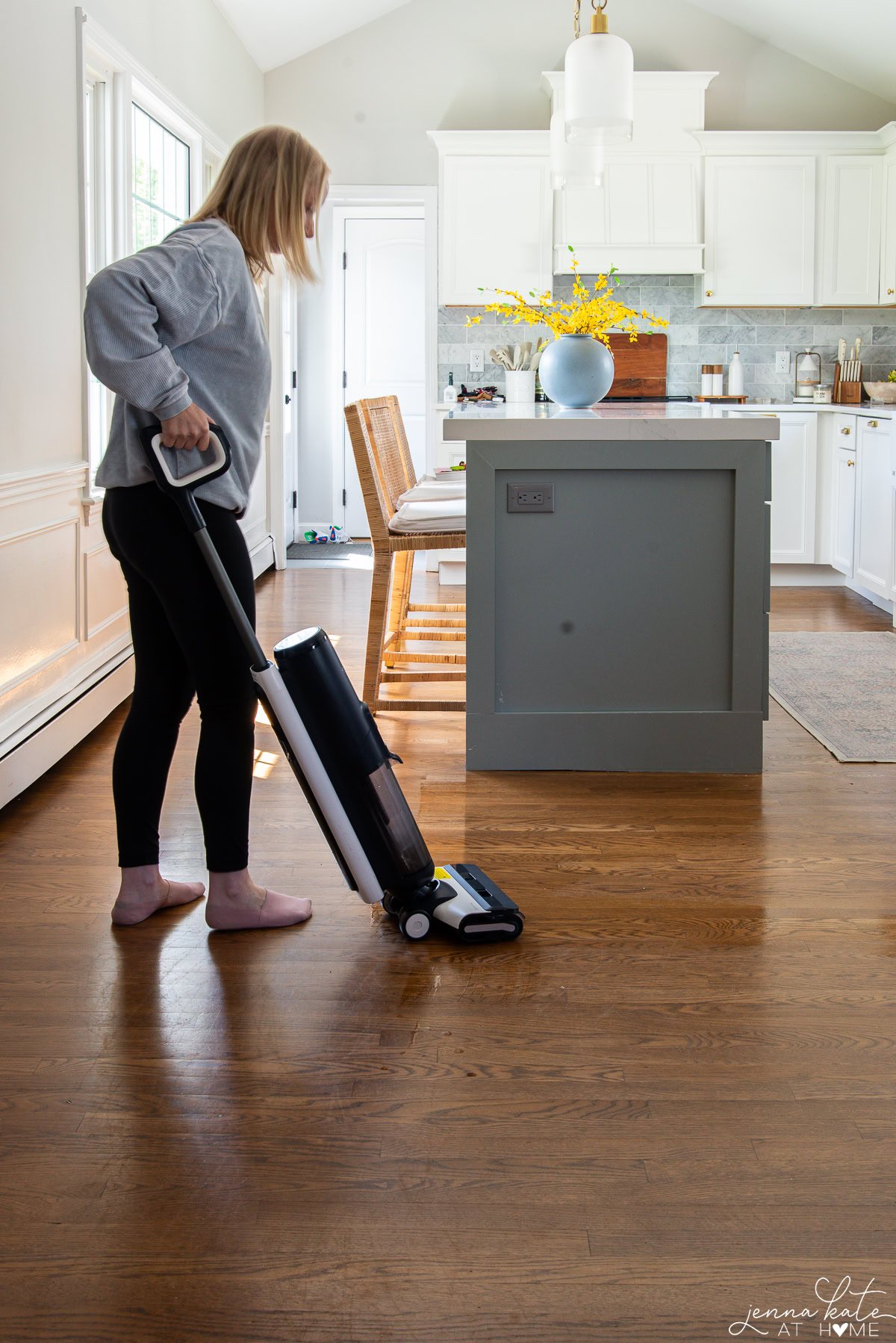
Credit: jennakateathome.com
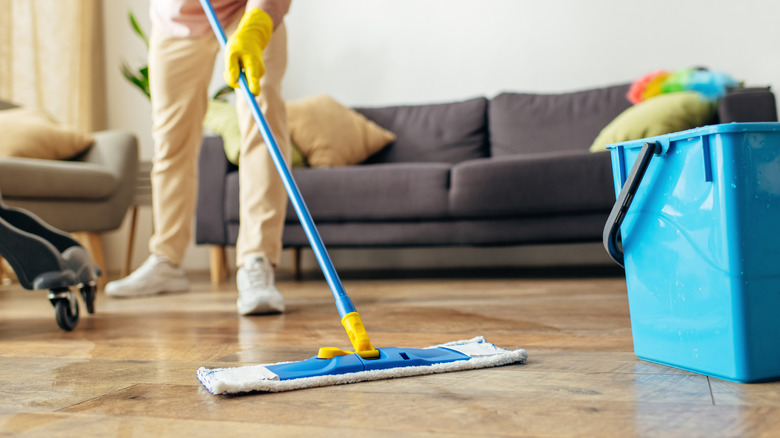
Credit: www.housedigest.com
Frequently Asked Questions
What Is The Best Cleaner For Kitchen Floors?
The best cleaner depends on your floor type. For tile, use a mild detergent. For hardwood, use a pH-neutral wood cleaner. Avoid harsh chemicals that damage surfaces. Always dilute cleaners with water to prevent residue buildup.
How Often Should I Clean My Kitchen Floor?
Clean your kitchen floor daily by sweeping or vacuuming. Mop the floor weekly to remove stains and dirt. Deep clean monthly with appropriate floor cleaner. Frequent cleaning prevents grime buildup and maintains hygiene.
Can I Use Vinegar To Clean Kitchen Floors?
Yes, vinegar is effective for tile and vinyl floors. Mix one cup of vinegar with a gallon of warm water. Avoid vinegar on hardwood floors as it can damage the finish. Always do a spot test before full application.
What’s The Best Method To Remove Tough Stains?
Use a baking soda paste for tough stains on most floors. Apply paste, let it sit for 10 minutes, then scrub gently. For grease stains, use a degreasing cleaner suitable for your floor type. Rinse thoroughly and dry.
Conclusion
Cleaning your kitchen floor is easier with the right steps. Use simple tools and gentle cleaners for best results. Regular cleaning keeps your floor safe and shiny. Avoid harsh chemicals that can damage surfaces. A clean floor makes your kitchen more pleasant to use.
Try to clean spills quickly to prevent stains. Keep a routine to save time and effort. Small habits lead to a big difference in cleanliness. Your kitchen will feel fresher and look great every day.
Hi, I’m Daniel Harper, a senior editor here at KitchenBucks.com. For over 10 years, I’ve been exploring kitchen gadgets and appliances to help people find tools that truly add value without breaking the bank. I love simplifying product choices so you can focus more on cooking and less on worrying about what to buy. When I’m not reviewing the latest gadgets, you’ll usually find me experimenting with coffee brewing or firing up the grill for a weekend barbecue.