
Your kitchen sink is one of the busiest spots in your home. It gets dirty fast, and if not cleaned properly, it can harbor germs and unpleasant odors.
But what if cleaning your sink didn’t have to be a chore? What if there was a simple, effective way to make it sparkle every time? You’ll discover the best way to clean your kitchen sink quickly and easily. Keep reading, and you’ll learn tips that save you time and keep your kitchen fresh and inviting.
Credit: modern-maids.com
Choosing The Right Cleaner
Choosing the right cleaner for your kitchen sink can make a huge difference in maintaining its shine and longevity. Not all cleaners are created equal, and picking the wrong one might damage your sink or leave it less clean than you hoped. Understanding the types of cleaners and how they interact with different sink materials helps you keep your kitchen safe and spotless.
Natural Vs Chemical Cleaners
You might wonder if natural cleaners really work as well as chemical ones. Natural options like vinegar, baking soda, and lemon juice are gentle, eco-friendly, and often effective at cutting through grime. They are especially useful if you want to avoid harsh fumes or potential skin irritation.
Chemical cleaners, on the other hand, can tackle tough stains and disinfect your sink quickly. But they can be abrasive and sometimes damage the sink’s surface if used too often or incorrectly. Ask yourself: is your sink stained with hard water deposits or just everyday dirt? That answer can guide your choice between a mild natural cleaner or a stronger chemical one.
Safe Cleaners For Different Sink Materials
Not all sinks are built the same. Stainless steel, porcelain, granite, and composite sinks each need specific care to avoid scratches or discoloration.
| Sink Material | Recommended Cleaners | Cleaners to Avoid |
|---|---|---|
| Stainless Steel | Dish soap, baking soda, white vinegar | Abrasive powders, bleach |
| Porcelain | Non-abrasive cleaners, baking soda paste | Steel wool, harsh acids |
| Granite Composite | Mild dish soap, warm water | Harsh chemicals, bleach |
Think about your sink’s material before grabbing a cleaner. Using the wrong one can cause permanent damage. If you’re ever unsure, test the cleaner on a small, hidden area first.
Daily Cleaning Routine
Keeping your kitchen sink clean every day is simpler than you might think. A consistent daily cleaning routine stops grime and stains from building up, making deep cleans much easier. You don’t need fancy products or lots of time—just a few smart habits that fit into your daily flow.
Quick Wipe Techniques
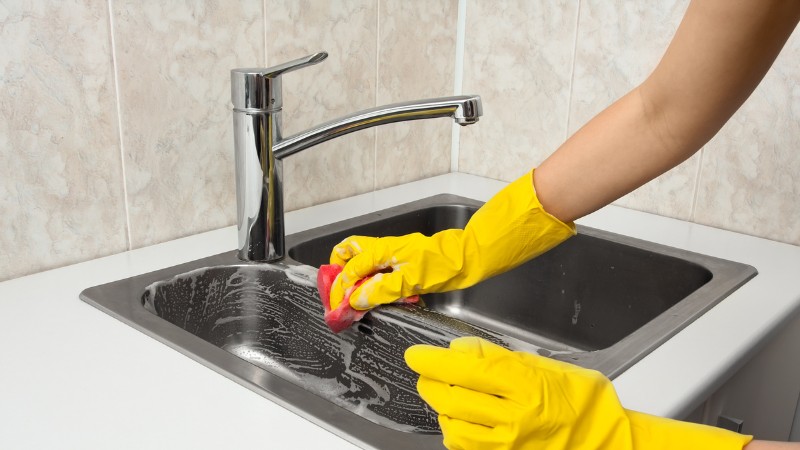
After each use, grab a soft cloth or sponge and give your sink a quick wipe. Focus on the basin and the faucet area where water spots and soap scum tend to gather. This simple step takes less than a minute but prevents buildup that can become stubborn over time.
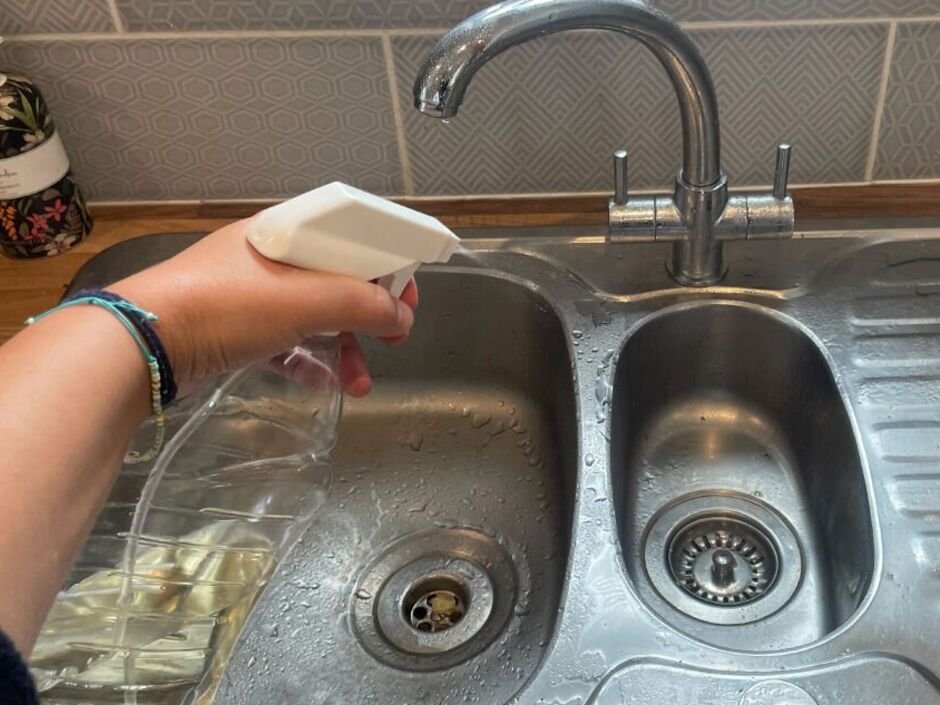
Try keeping a spray bottle filled with equal parts water and white vinegar near your sink. A quick spritz followed by a wipe removes residue and leaves a fresh shine. Have you noticed how much easier your sink looks after just a few seconds of attention?
Preventing Stains And Odors
Food scraps and standing water often cause stains and odors. Rinse your sink thoroughly after washing dishes to flush away these culprits. If you spot any discoloration, sprinkle some baking soda on the surface and scrub gently with a damp cloth.
To keep odors at bay, pour a little lemon juice or baking soda down the drain regularly. These natural deodorizers neutralize smells without harsh chemicals. Could this simple trick save you from unpleasant kitchen smells that linger?
Deep Cleaning Methods
Deep cleaning your kitchen sink keeps it hygienic and looking fresh. Dirt, stains, and deposits build up over time. Removing these requires focused cleaning techniques. These methods reach areas that daily wiping misses. A clean sink prevents bad smells and keeps your kitchen safe for food prep.
Removing Tough Stains
Tough stains need strong but safe cleaners. Baking soda works well as a gentle abrasive. Sprinkle it over stains, then scrub with a damp cloth or sponge. For stubborn spots, use a paste of baking soda and water. Let it sit for 10 minutes before scrubbing again. White vinegar breaks down grease and grime. Spray vinegar on stains, wait five minutes, then wipe clean. Avoid harsh chemicals that can damage sink surfaces.
Dealing With Hard Water Deposits
Hard water leaves white, chalky deposits on sinks. These can block drains and cause stains. Use lemon juice or white vinegar to dissolve deposits. Soak a cloth in the liquid and place it on the deposits. Let it sit for 15-20 minutes. Scrub gently with a soft brush or sponge afterward. Rinse with warm water and dry the sink. Repeat if deposits remain. Regular cleaning helps prevent buildup.
Cleaning The Drain And Disposal
Drains and disposals collect food waste and bacteria. Clean them to stop bad odors and clogs. Pour baking soda down the drain, then add white vinegar. Let the mixture fizz and work for 10 minutes. Flush with boiling water to clear debris. For disposals, grind ice cubes and lemon peels to clean blades. Avoid pouring grease or large food scraps down the drain. Regular maintenance keeps drains flowing smoothly.

Credit: food52.com
Tools And Supplies Needed
Cleaning your kitchen sink effectively starts with having the right tools and supplies on hand. Without them, even the best cleaning methods can fall short. Gathering everything you need before you start saves time and ensures a thorough job.
Essential Cleaning Tools
- Scrub Brush:A sturdy scrub brush with firm bristles helps remove stuck-on grime without scratching the sink surface.
- Sponge or Scouring Pad:Use a soft sponge for gentle cleaning and a scouring pad for tougher stains.
- Microfiber Cloth:Perfect for wiping down and polishing the sink after cleaning, leaving it streak-free.
- Rubber Gloves:Protect your hands from harsh chemicals and hot water while cleaning.
- Dish Soap:A mild dish soap works well for everyday grease and dirt.
- Baking Soda:This natural abrasive helps lift stains and deodorizes the sink.
- White Vinegar:Effective at cutting through mineral deposits and disinfecting surfaces.
Having these basics ready ensures you can tackle most types of messes your sink accumulates. Have you ever tried cleaning without gloves and regretted it? Protecting your skin is just as important as cleaning the sink well.
Optional Accessories For Efficiency
- Old Toothbrush:Great for scrubbing hard-to-reach corners and around the faucet base.
- Spray Bottle:Use it to mix and apply vinegar or homemade cleaning solutions evenly.
- Sink Strainer:Helps catch food particles, making future cleaning easier and preventing clogs.
- Magic Eraser:Effective for removing stubborn spots, especially on stainless steel sinks.
- Disposable Paper Towels:Handy for quick drying or wiping away residue after scrubbing.
Adding these tools to your cleaning kit can speed up the process and improve results. What small tool do you think would make your sink cleaning easier? Sometimes a simple addition changes everything.
Maintaining A Sparkling Sink
A clean kitchen sink brightens your whole kitchen. It keeps your cooking space healthy and fresh. Maintaining a sparkling sink needs simple, regular care. Small efforts every day stop stains and bad smells. The sink looks new and works well for years.
Regular Maintenance Tips
- Rinse the sink after every use to remove food bits.
- Wipe the sink dry with a cloth to prevent water spots.
- Use mild dish soap and a soft sponge for daily cleaning.
- Sprinkle baking soda and scrub gently once a week to remove stains.
- Pour hot water down the drain to clear away grease.
- Clean the faucet and handles with a vinegar solution to avoid buildup.
- Empty and clean the sink strainer regularly to stop clogs.
Avoiding Common Mistakes
- Do not use harsh steel wool; it can scratch the sink surface.
- Avoid bleach or strong chemicals that can damage the finish.
- Never leave metal cans or wet sponges in the sink; they cause rust.
- Do not ignore small stains; they get harder to remove over time.
- Avoid letting food scraps sit in the sink for hours.
- Do not pour grease directly into the drain to prevent blockages.

Credit: www.youtube.com
Frequently Asked Questions
How Often Should I Clean My Kitchen Sink?
You should clean your kitchen sink daily to prevent bacteria buildup. Deep cleaning once a week helps remove stains and odors effectively.
What Is The Best Natural Cleaner For Kitchen Sinks?
A mixture of baking soda and white vinegar is an excellent natural cleaner. It removes grime and deodorizes without harsh chemicals.
How Do I Remove Stubborn Stains From My Sink?
Use a paste of baking soda and water. Apply it to stains, scrub gently, then rinse with warm water for best results.
Can I Use Bleach To Clean My Kitchen Sink?
Yes, but use bleach sparingly. Dilute it with water and rinse thoroughly to avoid damaging the sink surface.
Conclusion
Keeping your kitchen sink clean helps prevent germs and bad smells. Use simple tools like baking soda and vinegar for the best results. Regular cleaning saves time and keeps your sink shiny. A clean sink makes cooking and washing more pleasant.
Try these easy steps and enjoy a fresh kitchen every day.

Hi, I’m Daniel Harper, a senior editor here at KitchenBucks.com. For over 10 years, I’ve been exploring kitchen gadgets and appliances to help people find tools that truly add value without breaking the bank. I love simplifying product choices so you can focus more on cooking and less on worrying about what to buy. When I’m not reviewing the latest gadgets, you’ll usually find me experimenting with coffee brewing or firing up the grill for a weekend barbecue.