
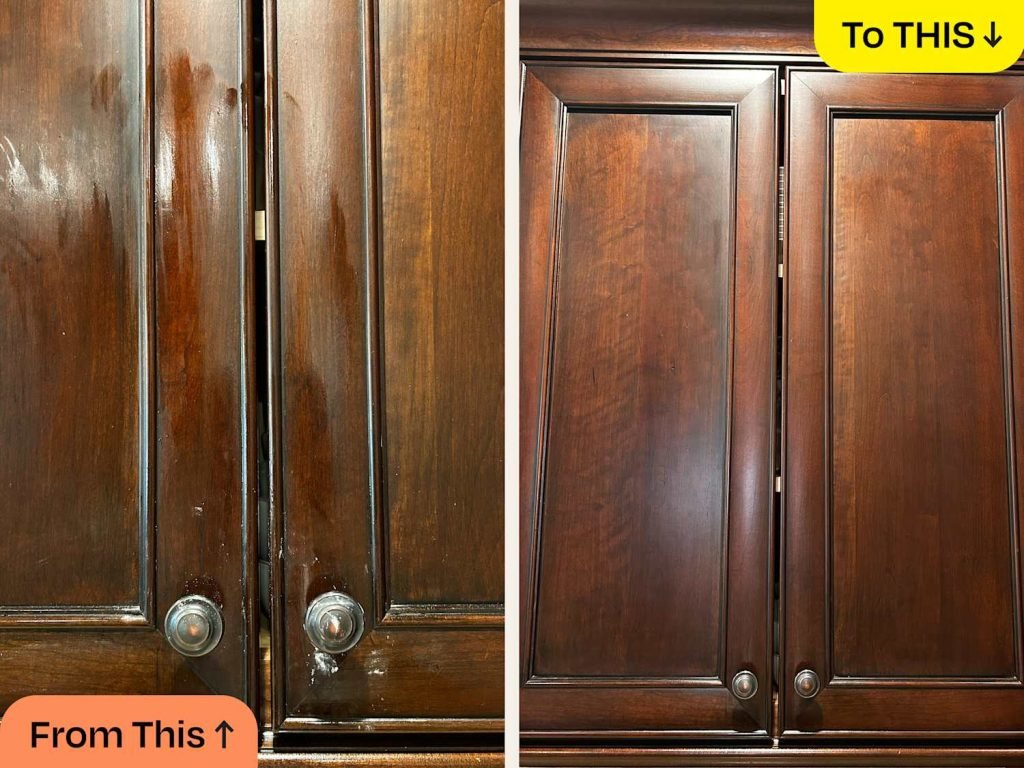
Have you ever opened your kitchen cabinets only to be greeted by dust, grime, or sticky residues? It’s a common issue, and you’re not alone.
Cabinets endure a lot, from spills to fingerprints, and they can easily lose their charm if not maintained properly. But don’t worry—cleaning them doesn’t have to be a dreaded chore. Imagine having cabinets that sparkle and shine, enhancing the overall look of your kitchen.
By following the best cleaning techniques, you can achieve this effortlessly. You’ll discover simple yet effective ways to bring your cabinets back to life, ensuring they look as good as new. So, are you ready to transform your cabinets into a spotless masterpiece? Let’s dive into the step-by-step guide that will make the cleaning process a breeze.

Credit: www.reddit.com
Cabinet Material Matters
Cabinet Material Matters! Choosing the best way to clean cabinets depends on their material. Different materials need different cleaning methods. Using the right method keeps your cabinets looking great and lasting longer. Let’s explore how to clean various cabinet materials effectively.
Wood Cabinets
Wood cabinets need gentle care to maintain their beauty. Start by dusting with a soft cloth. Mix mild dish soap with warm water. Dampen a cloth in the solution. Wipe the cabinets carefully. Avoid soaking the wood. Dry with a clean cloth immediately. For tough spots, use a baking soda paste. Apply gently, then wipe away. Polish with a wood conditioner for shine.
Laminate And Veneer Cabinets
Laminate and veneer cabinets are easy to clean. Use a microfiber cloth to remove dust. Create a solution with mild soap and water. Damp a cloth with the solution. Wipe the surface gently. Avoid harsh scrubbing to prevent damage. Dry the surface with a soft towel. For stubborn stains, use a vinegar-water mix. Spot clean and rinse well.
Metal Cabinets
Metal cabinets offer a sleek look. Begin by dusting with a soft cloth. Mix mild detergent with warm water. Use a cloth to clean the surface. Rinse with clean water to avoid residue. Dry with a soft towel to prevent spots. For rust, use a mixture of vinegar and water. Apply carefully and rinse off thoroughly.
Glass Cabinets
Glass cabinets add elegance to your kitchen. Dust with a microfiber cloth first. Use a glass cleaner or vinegar-water mix. Spray lightly on the glass. Wipe with a lint-free cloth in circular motions. Avoid spraying directly on the glass. Focus on edges and corners. Buff with a dry cloth for a streak-free shine.
Essential Cleaning Tools
Cleaning your cabinets can be a daunting task, but with the right tools, it becomes a breeze. Using essential cleaning tools can make all the difference, ensuring your cabinets look pristine and last longer. Let’s dive into some of the must-have cleaning tools to keep your cabinets sparkling.
Microfiber Cloths
Microfiber cloths are a game-changer in cleaning cabinets. These soft, highly absorbent cloths trap dust and grime effectively without scratching the surface. Their gentle touch makes them perfect for delicate cabinet finishes. Imagine the satisfaction of a dust-free cabinet, achieved in seconds, simply by wiping with a microfiber cloth. Are you using them yet?
Non-abrasive Sponges
Non-abrasive sponges are essential for tackling stubborn stains without damaging your cabinets. They offer the perfect balance between scrubbing power and surface protection. Whether it’s food spills or sticky fingerprints, these sponges make cleanup easy and safe. Have you noticed how effortlessly they glide over cabinet surfaces?
Soft-bristled Brushes
Soft-bristled brushes are ideal for cleaning cabinet crevices and detailed designs. They reach into corners and grooves where cloths can’t, ensuring every nook is spotless. The gentle bristles prevent scratches, maintaining the integrity of your cabinets. Isn’t it amazing how these brushes can transform hard-to-reach areas from dusty to dazzling?
Choosing The Right Cleaning Solutions
Cleaning cabinets effectively involves more than just scrubbing away grime. Selecting the right cleaning solutions can make a significant difference in maintaining the beauty and longevity of your cabinets. With a variety of options available, it’s essential to choose wisely. Are you leaning towards natural cleaners, or do you prefer commercial products? Understanding the pros and cons of each can guide you to a decision that suits your needs and preferences.
Natural Cleaners
Natural cleaners are a great choice for those who prefer eco-friendly and non-toxic options. Ingredients like vinegar, baking soda, and lemon juice are not only safe but also effective in removing dirt and grease. Mixing equal parts of vinegar and water can create a simple yet powerful cleaning solution. Have you ever tried adding a few drops of essential oil? It adds a pleasant scent while boosting cleaning power. Using natural cleaners can be a gentle and sustainable way to maintain your cabinets.
Commercial Products
If you’re looking for convenience, commercial products might be your answer. They come in ready-to-use formulas designed specifically for different types of cabinet materials. Check labels for compatibility with wood or laminate surfaces to avoid damage. Many brands offer solutions that promise a thorough clean with minimal effort. Have you considered the efficiency of these products in tackling stubborn stains? It can save time and ensure a polished finish.
Avoiding Harsh Chemicals
While powerful cleaners can be tempting, it’s crucial to avoid harsh chemicals that may harm your cabinets. Ingredients like ammonia or bleach can strip away finishes and leave surfaces dull. Instead, opt for milder alternatives that are effective without being abrasive. Have you noticed discoloration or fading after using strong chemicals? Protecting your cabinets from such damage starts with choosing safer options. Being mindful of the ingredients in your cleaning products can preserve the appearance and integrity of your cabinets.
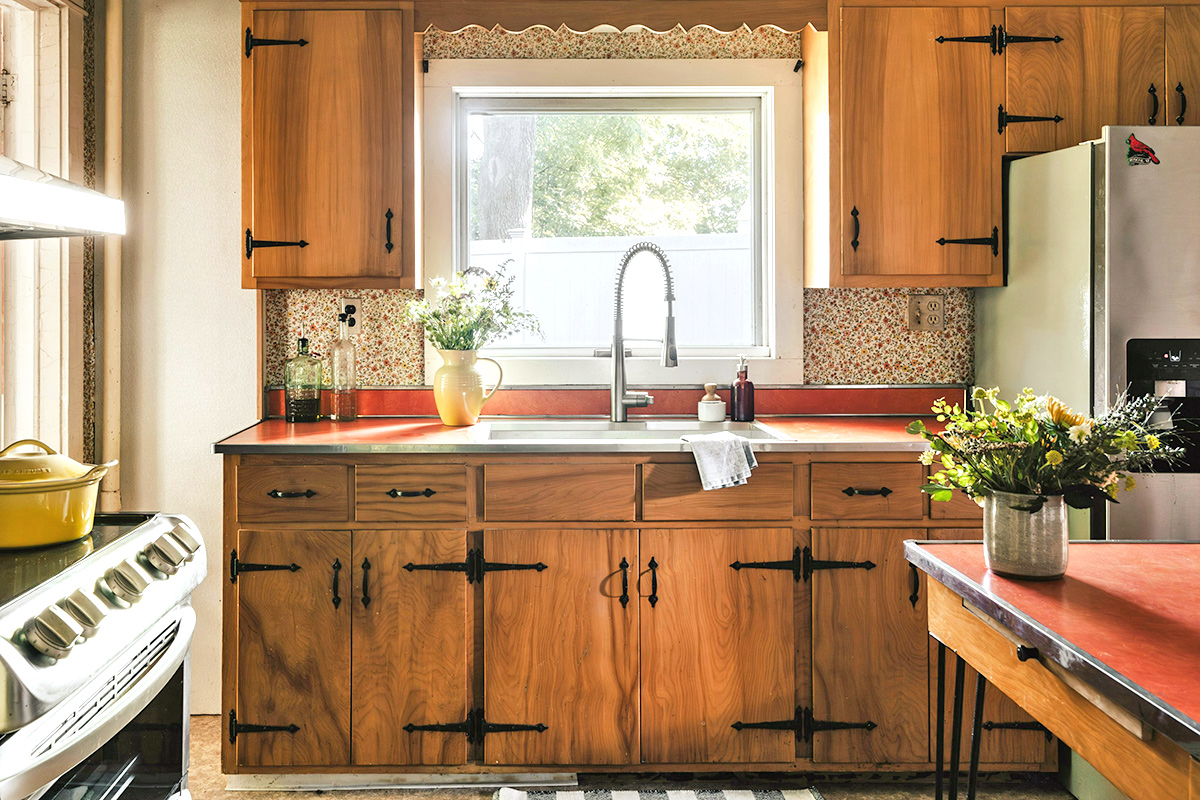
Credit: houseoutlook.com
Step-by-step Cleaning Process
Keeping your cabinets clean is essential for a fresh and tidy kitchen. Follow this simple step-by-step cleaning process to make your cabinets sparkle. This guide will help you handle dust, grime, and give them a shiny finish.
Dusting And Surface Preparation
Begin by removing all items from your cabinets. Use a soft cloth to dust the surfaces. A microfiber cloth works best for this task. Ensure you reach all corners and edges. For sticky spots, use a damp cloth. This removes any residue before deep cleaning. Make sure the surfaces are dry before moving on.
Deep Cleaning Techniques
Mix a gentle cleaner with warm water. Dish soap or vinegar work well. Use a sponge or cloth to clean the cabinet surfaces. Focus on areas with grease or stains. Rinse the cloth frequently to avoid spreading dirt. Pay extra attention to handles and knobs. These areas collect a lot of dirt. Dry the surfaces with a clean towel.
Final Touches For Shine
After cleaning, enhance the shine with a wood polish. Apply the polish using a soft cloth. Buff the surface in circular motions for an even finish. Ensure all excess polish is wiped off. This prevents buildup and keeps cabinets looking new. Regular polishing protects against future dirt and grime.
Tackling Tough Stains
Cleaning cabinets effectively requires the right approach to tackle tough stains. Use a mixture of mild soap and warm water for regular cleaning. For stubborn stains, gently scrub with baking soda or vinegar solution.
Cleaning cabinets can sometimes feel like an uphill battle, especially when you’re facing stubborn stains that refuse to budge. Tackling tough stains requires a strategic approach, tailored to the specific type of mark you’re dealing with. Whether it’s grease, water spots, or scratches, knowing the right techniques can make all the difference in restoring your cabinets to their former glory. Let’s dive into some practical tips for conquering those persistent stains.Grease And Food Residues
Grease and food residues are common culprits when it comes to kitchen cabinet stains. Start by creating a simple yet effective cleaning solution using warm water and dish soap. Apply this mixture with a soft cloth, gently wiping the affected areas. For tougher grease, consider using a mixture of baking soda and water as a mild abrasive. Remember, patience is key. Persistent stains might require a little more elbow grease, but with consistent effort, your cabinets will shine again.Water Spots
Water spots can be a nuisance, especially if they’ve been lingering for a while. A solution of vinegar and water can work wonders in removing these blemishes. Spray the mixture onto the spots and let it sit for a few minutes. Wipe it off with a soft, dry cloth. This method not only removes stains but also leaves a nice shine. Are you worried about the vinegar smell? It dissipates quickly, leaving your kitchen fresh and clean.Scratches And Scuffs
Scratches and scuffs can give your cabinets a worn-out look. For minor scratches, try using a wood repair marker that matches your cabinet color. Apply the marker directly to the scratch, blending it in with a cloth. For deeper scuffs, consider using a paste made from baking soda and water. Rub it gently onto the affected area, and then wipe clean. Have you ever wondered if these quick fixes actually work? They do! With a little effort, your cabinets can look brand new.Regular Maintenance Tips
Keeping your cabinets clean is essential to maintaining a fresh and organized kitchen. Regular maintenance not only extends the life of your cabinetry but also ensures a hygienic environment for food storage. With simple daily, monthly, and annual routines, you can keep your cabinets looking pristine.
Daily Routines
Start by wiping down your cabinet surfaces with a damp microfiber cloth. This removes dust and prevents buildup of grime. Consider using a gentle cleaner for sticky spots, but ensure it is safe for your cabinet finish.
Quickly checking for spills or stains prevents them from setting, making them easier to clean later. A few minutes each day can save hours of scrubbing in the future. Do you usually overlook the cabinet handles? They can harbor germs; wipe them too!
Monthly Checks
Every month, give your cabinets a more thorough inspection. Look for any signs of wear or damage like peeling paint or loose hinges. Tighten any screws and address issues before they worsen.
Use a mixture of warm water and dish soap to clean both the inside and outside of your cabinets. Rinse with a clean cloth to avoid soap residue. Check your pantry for expired items and reorganize to maximize space and efficiency.
Annual Deep Clean
A deep clean once a year is crucial for maintaining cabinet health. Empty your cabinets completely to clean every corner. Use a vacuum to remove crumbs and debris from hard-to-reach spots.
Apply a wood polish or conditioner to wooden cabinets for a fresh, gleaming look. This not only enhances appearance but also provides a protective layer. Consider this a chance to declutter and re-evaluate your storage needs—what items do you really use?
Professional Recommendations
For spotless cabinets, begin by dusting with a soft cloth to remove loose particles. Apply a gentle cleaning solution, scrubbing surfaces with a non-abrasive sponge. Dry with a clean towel to prevent streaks.
Cleaning cabinets might seem like a straightforward task, but sometimes, a little professional touch can make a world of difference. Professionals bring expertise, specialized tools, and products that can restore your cabinets to their former glory. Whether it’s tackling stubborn grime or ensuring a streak-free finish, their skills can save you time and effort while delivering superior results.When To Call An Expert
Sometimes, your cabinets need more than a routine wipe-down. If you’re dealing with deep stains, sticky residues, or intricate detailing, it might be time to call in the professionals. Consider their help if you’re planning a major event at home or if regular cleaning methods aren’t giving you the results you desire. Older cabinets or those made from delicate materials can also benefit from expert care. Professionals know how to handle unique surfaces without causing damage. Plus, if you’re unsure about which cleaning products are safe for your cabinets, a professional can offer peace of mind.Benefits Of Professional Cleaning
Hiring a professional to clean your cabinets comes with numerous advantages. Firstly, they use high-quality products that are often more effective than what’s available in stores. These products are designed to cut through grease and grime without harming the cabinet’s finish. Moreover, professionals have the right tools to reach tricky corners and crevices. Their techniques ensure a thorough clean that can enhance the longevity and appearance of your cabinets. You’ll also save valuable time and energy, allowing you to focus on other important tasks or simply enjoy a spotless kitchen. Have you ever wondered if your cleaning routine is enough to maintain your cabinets’ appearance and durability? Reflect on the last time you truly felt satisfied with their cleanliness. Sometimes, investing in professional services can be a game-changer for your home’s aesthetic and functionality.
Credit: www.cabinet-corner.com
Frequently Asked Questions
How Do You Clean Kitchen Cabinets Without Removing Finish?
Use a mild dish soap and warm water to clean cabinets. Gently scrub with a soft cloth. Dry immediately with a towel to prevent moisture damage. Test in an inconspicuous area first to ensure safety. Avoid abrasive cleaners to protect the finish.
What Not To Use To Clean Kitchen Cabinets?
Avoid using harsh chemicals, abrasive sponges, and steel wool to clean kitchen cabinets. These can damage finishes and scratch surfaces. Stick to mild soaps and soft cloths for safe cleaning. Regular maintenance ensures cabinets remain in good condition and look their best.
Can I Use Dawn Dish Soap To Clean Wood Cabinets?
Yes, you can use Dawn dish soap to clean wood cabinets. Mix with warm water for effective cleaning. Avoid excess moisture to prevent damage.
Why Are My Kitchen Cabinets Sticky After Cleaning?
Sticky kitchen cabinets can result from residue left by cleaning products or grease buildup. Use a vinegar-water solution to remove stickiness. Regularly wiping cabinets with mild dish soap helps maintain cleanliness and prevent stickiness. Avoid harsh chemicals that might leave a residue.
Conclusion
Cleaning cabinets can be simple with the right approach. Use gentle cleaners for wood surfaces. Wipe cabinets regularly to prevent buildup. Always dry thoroughly to avoid moisture damage. Try natural solutions like vinegar for stubborn stains. Keep clutter away for easier cleaning.
Regular maintenance keeps cabinets looking great. These tips ensure cabinets stay fresh and clean. Implement these methods in your routine. Enjoy tidy, well-kept cabinets every day. Cleaner cabinets mean a happier home.
