
Imagine this: you’re about to cook your favorite meal, and you reach for your trusted cast iron skillet. It’s seen you through countless recipes, from sizzling steaks to fluffy pancakes.
But wait—how clean is it really? If you’ve been wondering whether you’re taking the best care of your beloved kitchen workhorse, you’re in the right place. Cleaning cast iron skillets can be a daunting task, especially with all the myths floating around.
Don’t let the fear of rust or loss of seasoning hold you back. You’ll discover the best way to clean cast iron skillets, ensuring they last for generations. Stick around, and you’ll learn how to maintain that perfect non-stick surface, so each meal you cook is as enjoyable as the last. Your skillet deserves the best care, and you deserve the confidence of knowing you’re doing it right. Ready to dive in and transform your cleaning routine? Let’s get started!
Importance Of Proper Cleaning
Cleaning cast iron skillets properly is crucial for their longevity. These skillets are beloved for their heat retention and durability. They can last a lifetime with proper care. Poor cleaning can lead to rust and damage. This affects the skillet’s performance and lifespan. Understanding the importance of cleaning ensures the skillet remains in top shape.
Importance Of Seasoning
Seasoning protects the skillet from rust. It provides a natural non-stick layer. Regular cleaning maintains the seasoning. This enhances cooking results. It prevents food from sticking. Proper seasoning improves the flavor of dishes.
Avoiding Rust
Rust is the enemy of cast iron. It weakens the skillet and harms its surface. Proper cleaning prevents moisture build-up. This stops rust from forming. Dry the skillet thoroughly after washing. Store it in a dry place to avoid rust.
Maintaining Flavor
Cast iron skillets enhance flavors over time. Proper cleaning keeps the surface clean and seasoned. This allows flavors to develop. Rinsing with warm water preserves existing seasoning. Avoid harsh soaps that strip flavor.
Preserving Longevity
Well-maintained skillets last for generations. Cleaning correctly prevents wear and tear. It ensures the skillet remains functional. Gentle scrubbing with a brush preserves the surface. Regular maintenance extends the skillet’s life.

Credit: m.youtube.com
Tools And Materials Needed
Cleaning a cast iron skillet requires the right tools and materials. These items help maintain the skillet’s condition and prolong its life. Proper care keeps it from rusting and preserves its seasoning. Let’s explore what you need for the best cleaning results.
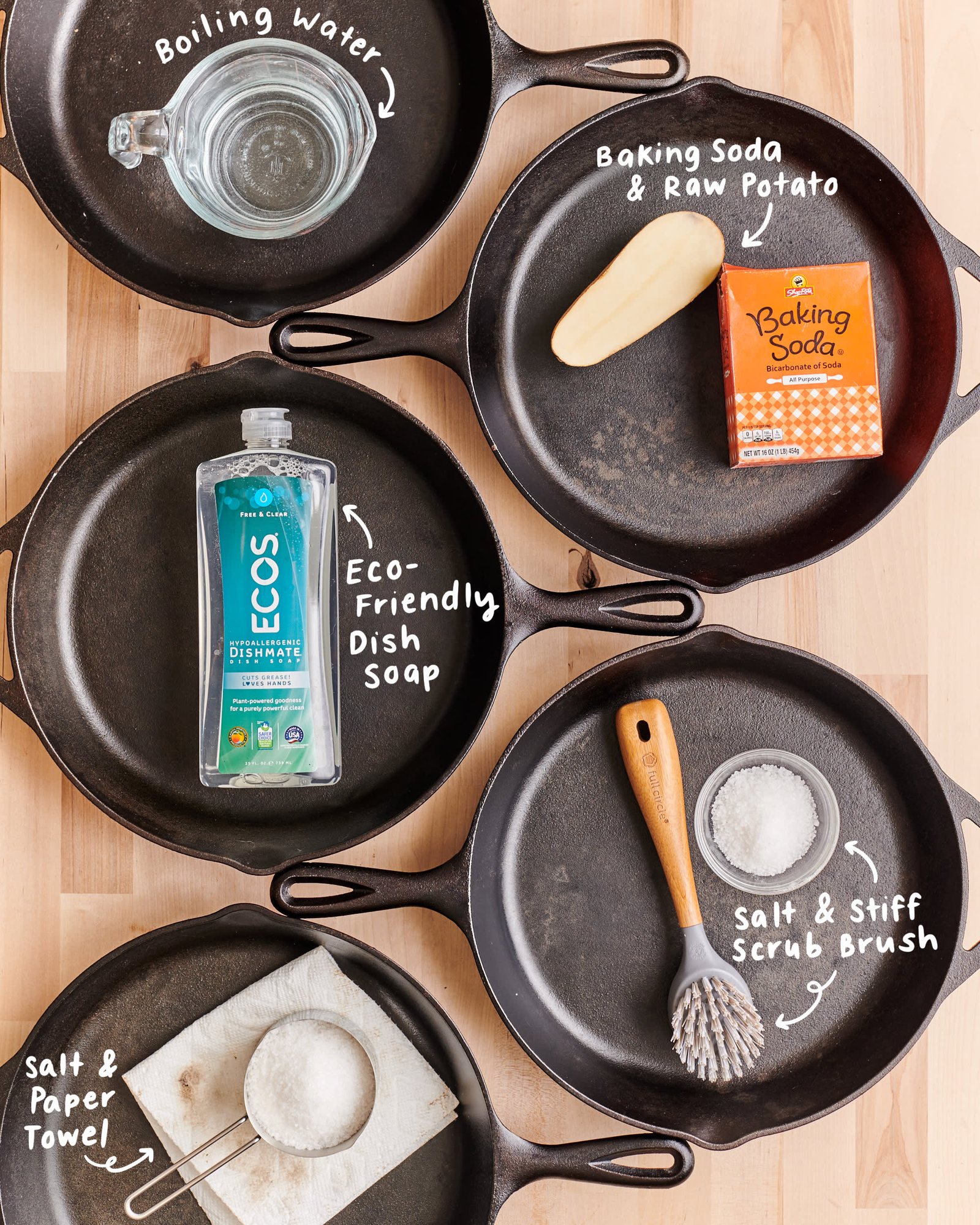
Scrubber Or Sponge
Use a gentle scrubber or sponge. Avoid abrasive materials. They can damage the skillet’s surface. Look for a nylon scrubber. It cleans without scratching.
Dish Soap
Choose mild dish soap. Harsh soaps strip seasoning. A little soap goes a long way. It removes food residue effectively.
Brush
A small brush helps with stubborn bits. Opt for a soft-bristled brush. It reaches tough spots without harm. Brushes are perfect for edges and grooves.
Cloth Or Paper Towels
Dry your skillet with a cloth or paper towels. This prevents rust. Ensure it’s completely dry. Moisture leads to rusting.
Vegetable Oil
Finish by applying vegetable oil. This maintains the skillet’s seasoning. Use a thin layer. A well-seasoned skillet is easier to clean.
Heat Source
A heat source is crucial for drying. Use a stove or oven. Heat removes moisture efficiently. It keeps the skillet rust-free.
Initial Cleaning After Cooking
Cleaning cast iron skillets keeps them in great condition. Use warm water and a soft brush. Avoid soap. Dry thoroughly to prevent rust. Apply a light oil coat for protection. This simple routine ensures your skillet stays perfect for future meals.
Cleaning your cast iron skillet right after cooking is crucial to maintain its longevity and performance. It’s not only about preserving the surface but also keeping flavors intact for your next culinary adventure. If you’ve ever felt overwhelmed by the task of cleaning cast iron, you’re not alone. Here’s a step-by-step guide to make the initial cleaning process a breeze.Removing Food Residue
Start by letting the skillet cool slightly. You don’t want it to be scorching hot or completely cold. A warm skillet makes it easier to remove food bits without damaging the seasoning. Use a spatula or a scrub brush designed for cast iron to gently scrape off the food residue. If some stubborn bits persist, add a little water and simmer it briefly. This softens the residue, making it easier to remove without any elbow grease.Avoiding Soap And Harsh Detergents
You might be tempted to reach for the soap, but it’s best to resist. Soap can strip away the skillet’s seasoning, which is its non-stick protective layer. This is the heart and soul of your cast iron skillet. Instead, rely on hot water and a gentle scrub brush. If you need an extra cleaning boost, sprinkle some coarse salt over the surface. The salt acts as a natural abrasive, scrubbing away any remaining food particles without harming the seasoning. Have you ever wondered why your grandmother’s cast iron pans always seemed to have such a rich, deep flavor? The secret lies in these careful cleaning methods that preserve the seasoning over time. By following these steps, you ensure your skillet remains a kitchen staple for years to come. What challenges have you faced with cleaning your cast iron skillet? Share your experiences and any tips that have worked for you in the comments below!Deep Cleaning Techniques
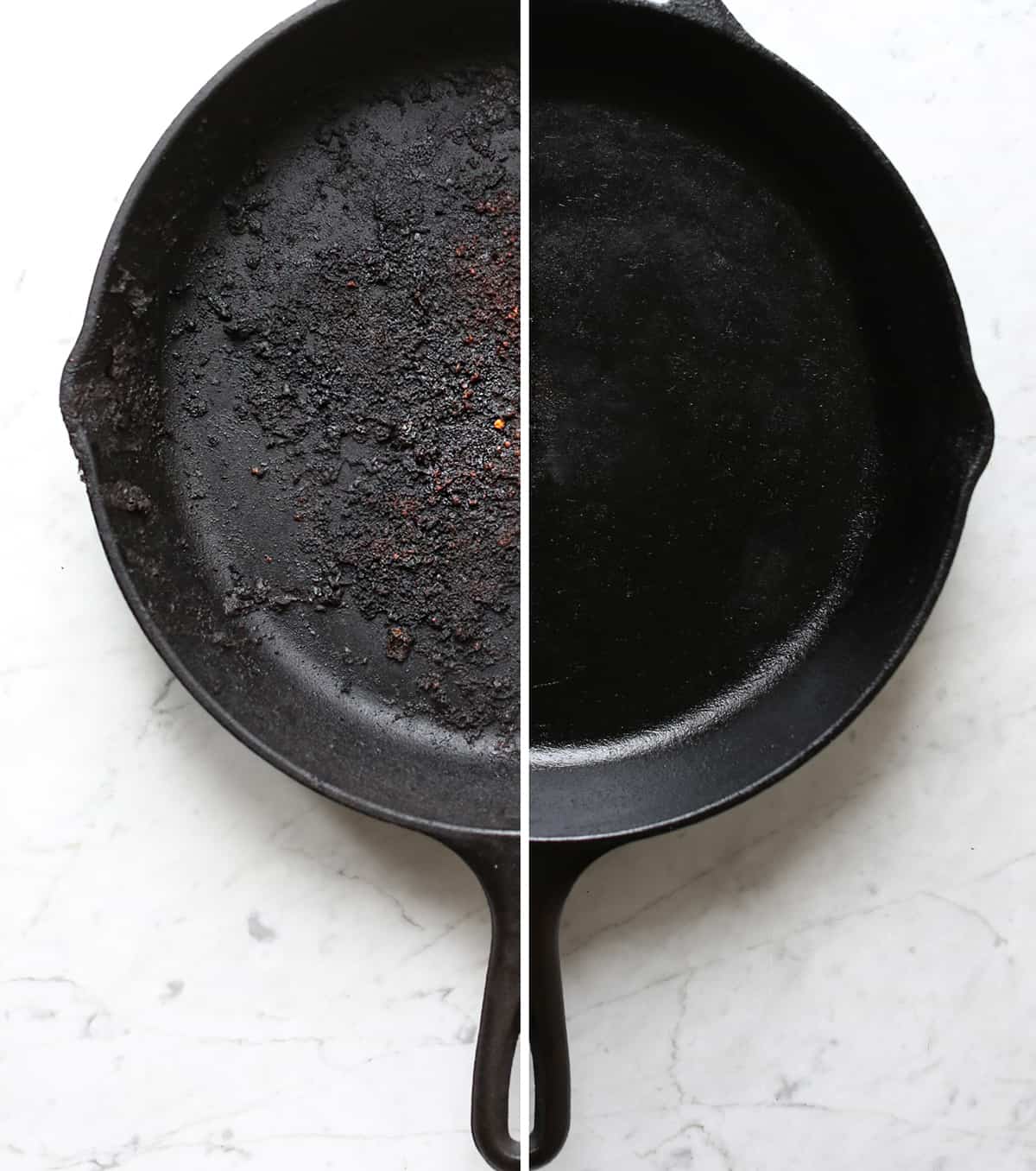
Deep cleaning is essential to maintain your cast iron skillet. It removes stubborn residue and preserves its natural finish. Proper techniques prevent damage and ensure the skillet lasts long. Let’s explore two effective methods.
Salt Scrub Method
Coarse salt acts as a gentle abrasive. Sprinkle a generous amount into the skillet. Use a damp cloth or sponge to scrub the surface. This helps lift burnt food and grease. Rinse thoroughly with warm water afterwards. Dry immediately to prevent rust.
Baking Soda Paste
Baking soda is a versatile cleaner. Mix it with water to form a paste. Spread the paste over the skillet’s surface. Let it sit for a few minutes to break down residue. Scrub gently with a soft brush. Rinse well to remove all traces of soda. Pat dry with a towel.
Drying And Preventing Rust
After the effort of cleaning your cast iron skillet, you don’t want rust to ruin your hard work. Proper drying is crucial for maintaining the integrity and longevity of your cookware. Whether you’re a seasoned chef or a home cook, mastering the art of drying your skillet can make all the difference in keeping rust at bay. Let’s dive into two effective methods: towel drying and heating on the stove.
Towel Drying
Once you’ve washed your skillet, grab a clean, dry towel. Thoroughly wipe the skillet, ensuring there’s no moisture left. It’s essential to dry the entire surface, including the handle and any crevices. Moisture hiding in those spots can lead to rust, so pay close attention.
Some people swear by using paper towels for this task, but a microfiber cloth can be just as effective. It’s soft and absorbs water quickly. Have you ever noticed how your favorite towel starts to feel like an old friend? That’s because familiarity breeds efficiency. The more you use it, the better you get at the task.
Heating On The Stove
After towel drying, place your skillet on the stove over low heat for a few minutes. This step ensures every bit of moisture evaporates. The gentle warmth drives out any stubborn droplets that might be lurking in corners. It’s like giving your skillet a warm hug, ensuring it stays rust-free.
It’s a trick that often surprises newcomers to cast iron care. You might wonder, “Is this really necessary?” But think about the relief of knowing your skillet is truly dry. It’s peace of mind that your next meal won’t be compromised by rust spots.
So, next time you clean your skillet, try these drying methods. What has been your experience with cast iron cookware? Feel free to share your tips or ask questions in the comments below. Your skillet is more than just a cooking tool; it’s a part of your kitchen journey, and keeping it rust-free ensures it stays with you for years to come.
Credit: abeautifulmess.com
Re-seasoning The Skillet
Cleaning cast iron skillets involves using warm water and a gentle scrubber to remove food residues. Dry thoroughly to prevent rust. Apply a thin layer of oil to maintain its seasoning and longevity.
Re-seasoning a cast iron skillet is an essential step in maintaining its non-stick surface and longevity. Over time, the seasoning can wear off, leading to food sticking and rust spots. By re-seasoning your skillet, you can restore it to its former glory, ensuring it remains a reliable kitchen tool for years to come. It’s easy to overlook, but the type of oil you use for re-seasoning can make a significant difference.Choosing The Right Oil
When choosing an oil for re-seasoning, opt for one with a high smoke point. Oils like flaxseed, grapeseed, or vegetable oil are excellent choices. They withstand high temperatures and polymerize well, creating a durable layer of seasoning. Consider using oils that you might already have in your pantry. This can be a cost-effective way to maintain your skillet. Remember, the right oil lays the foundation for a lasting, non-stick surface.Steps For Re-seasoning
First, ensure your skillet is clean and dry. A quick rinse with hot water and a gentle scrub with a brush can remove food particles. Avoid soap, as it can strip away the existing seasoning. Once your skillet is clean, preheat your oven to 375°F (190°C). Apply a thin coat of your chosen oil on all surfaces of the skillet, including the handle and exterior. Place the skillet upside down in the oven, with a baking sheet below to catch drips. Bake for one hour, allowing the oil to bond with the iron. Let it cool in the oven to complete the process. Re-seasoning doesn’t have to be a chore. It’s a chance to deepen your bond with this kitchen essential. Have you tried re-seasoning before? How did it transform your cooking experience?Maintaining Your Cast Iron
Cleaning cast iron skillets is simple with warm water and a soft brush. Avoid soap to preserve its seasoning. Dry thoroughly and apply a light coat of oil to prevent rust. Regular maintenance ensures a long-lasting, efficient cooking tool.
Maintaining your cast iron skillet is crucial for ensuring it lasts a lifetime while delivering delicious meals. Many people shy away from using cast iron due to the misconception that it requires excessive maintenance. However, with some simple routines and care, your skillet can become your most reliable kitchen companion. Think about the last time you cooked a perfect steak, and the satisfaction you felt. That’s what a well-maintained cast iron can do for you every time. Let’s dive into the best ways to keep your skillet in top condition.Regular Use And Care
Using your cast iron skillet regularly is one of the best ways to maintain it. Each cooking session helps build a natural, non-stick layer known as seasoning. This layer is your skillet’s best friend, protecting it from rust and enhancing its cooking abilities. After cooking, let the skillet cool slightly and then wash it with warm water and a soft brush. Avoid using soap, which can strip the seasoning. Have you ever thought about how cleaning your skillet could impact its lifespan? A quick rinse and thorough drying can work wonders. If food is stuck, use coarse salt as an abrasive scrub to remove residue without damaging the seasoning. Always dry your skillet completely to prevent rust. Consider heating it on the stove for a minute or two to ensure it’s bone dry.Storing Tips
Proper storage is another key aspect of maintaining your cast iron skillet. Once it’s clean and dry, apply a light coat of oil to keep it in prime condition. This simple step can prevent rust from developing during storage. Store your skillet in a dry place. Moisture is its enemy. Stack it with other cookware using a paper towel or cloth between them to protect the surface. Do you know that even a small amount of moisture can lead to rust spots? If you use your skillet frequently, you might want to keep it accessible. Hanging it on a rack can be both practical and a great way to show off your cooking gear. Such display can also remind you to use it more often, enhancing its seasoning and utility. These simple practices can ensure your cast iron skillet remains a kitchen staple, offering you countless delightful meals. What’s your go-to dish for your cast iron? Embrace the joy of cooking while taking care of your tools.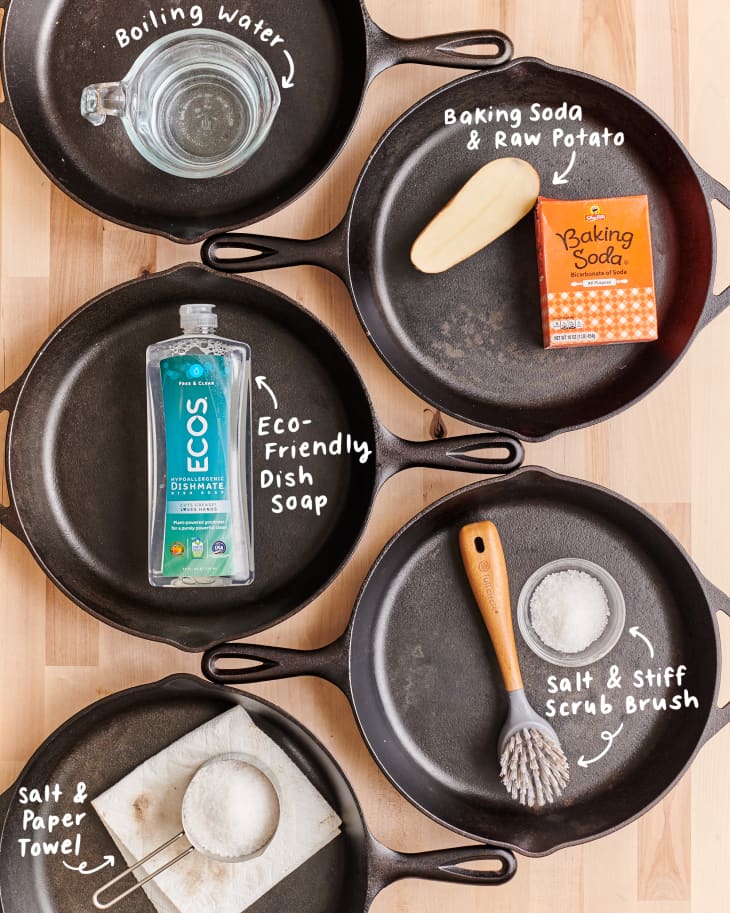
Credit: www.thekitchn.com
Common Mistakes To Avoid
Cleaning cast iron skillets can be tricky. Many people make mistakes that damage their cookware. Mistakes can ruin the seasoning and cause rust. Knowing what to avoid is key to maintaining your skillet’s quality. Let’s explore some common errors in cleaning cast iron skillets.
1. Using SoapSoap strips the skillet’s seasoning. This protective layer keeps food from sticking. Avoid using soap for cleaning. Warm water and a scrubber work best. This method preserves the skillet’s natural coating.
2. Leaving MoistureWater causes rust on cast iron. Always dry your skillet immediately. Use a towel or heat it on the stove. Make sure it is completely dry. This prevents rust and extends its lifespan.
3. Scrubbing with Steel WoolSteel wool is too harsh for cast iron. It removes the seasoning and scratches the surface. Use a gentle scrubber instead. This keeps your skillet in good condition.
4. Skipping Re-seasoningRe-seasoning keeps your skillet non-stick. Many people forget this step. Apply a thin layer of oil after cleaning. Heat it to create a protective coating. This ensures your skillet remains efficient.
5. Storing Without ProtectionStore your skillet properly. Avoid stacking it with other cookware. This can cause scratches and damage. Use a paper towel between skillets. This protects the surface and seasoning.
Frequently Asked Questions
What Is The Best Way To Clean A Cast Iron Skillet After Use?
Clean a cast iron skillet by rinsing with hot water immediately after use. Use a brush or sponge to scrub. Avoid soap and harsh detergents. Dry thoroughly with a towel. Apply a thin layer of vegetable oil to maintain seasoning.
Store in a dry place to prevent rust.
What Should You Not Clean A Cast Iron Skillet With?
Avoid cleaning a cast iron skillet with soap, harsh detergents, or steel wool. These can strip its seasoning and cause rust. Use a gentle scrub or cloth, and rinse with warm water to maintain the skillet’s natural non-stick surface and longevity.
How To Get Black Off Cast Iron Pans?
Scrub the pan with coarse salt and a stiff brush. Rinse with warm water, then dry thoroughly. Apply a thin layer of vegetable oil and heat on low for 10 minutes. This removes black residue and maintains seasoning. Avoid using soap or steel wool to prevent damage.
How Do You Clean An Old Cast Iron Skillet That Has Burnt On Buildup?
Scrub the skillet with coarse salt and a stiff brush. Rinse with warm water. Dry thoroughly. Apply a thin layer of vegetable oil. Heat it on the stove for a few minutes. Let it cool, then wipe excess oil. Store in a dry place.
Conclusion
Cleaning cast iron skillets can be easy with the right steps. Keep them dry to prevent rust. Use gentle soap and a brush for tough spots. Always season your skillet after cleaning. This keeps it non-stick and ready for cooking.
Remember, cast iron improves with age and care. Proper maintenance makes it last for generations. A clean skillet equals better meals. Enjoy your cooking experiences with well-cared cookware. Your skillet will thank you for the love. Keep it clean, keep it seasoned.
Happy cooking!
