

Are you tired of opening your cupboards only to be greeted by a mess of clutter and dust? It’s time to transform those chaotic spaces into organized havens.
Imagine effortlessly finding what you need, every time you open a cupboard door. The secret lies in the best way to clean cupboards, and it’s easier than you think. With just a few simple steps, you can make your cupboards spotless and inviting.
Say goodbye to stress and hello to a more organized home. Stick with us, and discover how to achieve that pristine look you’ve always wanted. Your cupboards will thank you!
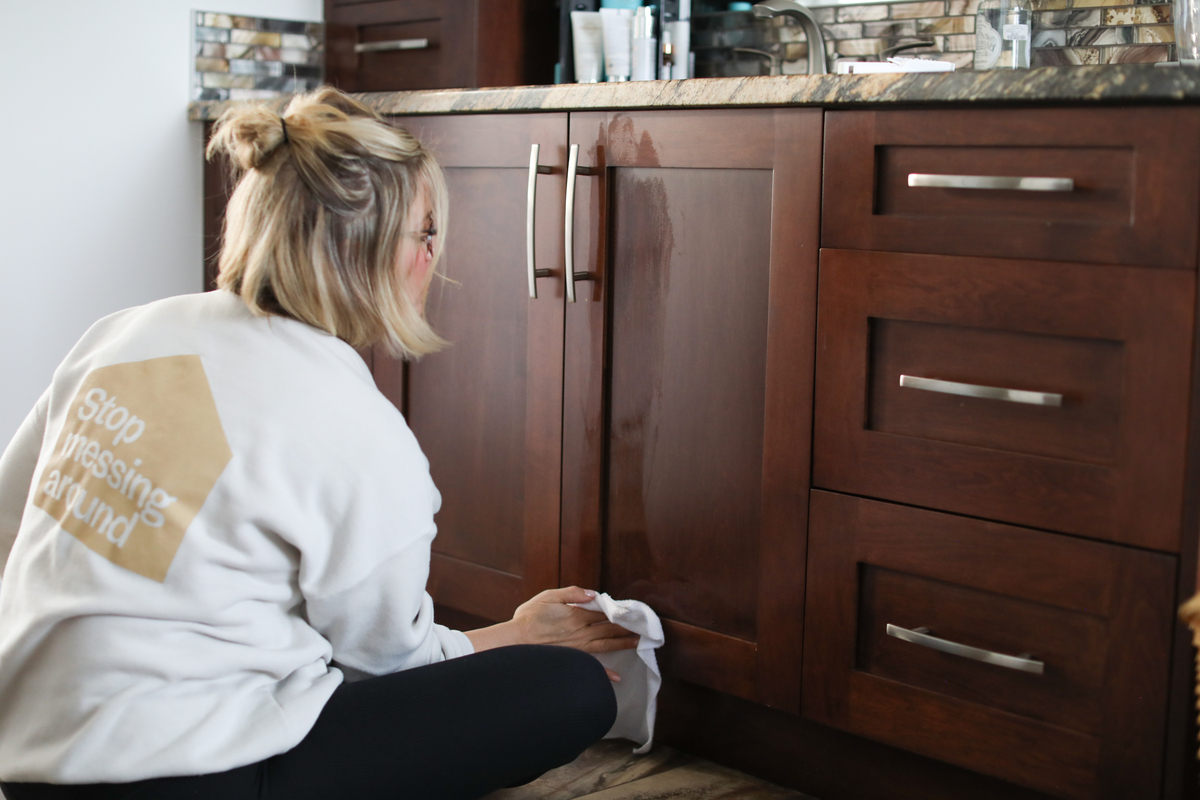
Credit: www.housework.com
Types Of Cupboards
Regular cleaning keeps cupboards looking fresh. Dust with a soft cloth to remove surface dirt. Use a mild cleaner for stains, wiping gently to avoid scratches.
Cleaning cupboards can seem daunting, but it’s quite simple with the right method. Different cupboards need specific care to keep them looking their best. Let’s explore various cupboard types and the best cleaning methods for each.Wooden Cupboards
Wooden cupboards add warmth and elegance to any room. To clean them, use a soft cloth. Mix warm water with mild dish soap. Gently wipe the surface. Avoid soaking the wood to prevent damage. Dry thoroughly with a clean towel. For polish, use a wood-friendly product. This helps maintain the shine and protects the wood.Metal Cupboards
Metal cupboards are popular in kitchens and garages. Their durability is a key feature. Clean them with a damp cloth and mild detergent. Avoid abrasive cleaners that scratch the surface. For stubborn stains, use a baking soda paste. Apply it gently, then rinse. Ensure the cupboard is dry to prevent rust.Laminate Cupboards
Laminate cupboards are easy to maintain. Use a soft cloth with a mixture of water and vinegar. This solution removes fingerprints and grease. Avoid harsh chemicals as they can damage the laminate. For sticky spots, use a little baking soda on a damp cloth. Gently scrub and rinse to keep them spotless.Glass Cupboards
Glass cupboards add a modern touch to your space. Use a glass cleaner and a microfiber cloth. Spray the cleaner lightly and wipe in circular motions. This avoids streaks and leaves a clear finish. For edges, use a cotton swab to reach tight spots. Always handle with care to prevent scratches. Cleaning cupboards regularly keeps them beautiful and functional. Use these tips to maintain each type effectively.Cleaning Supplies
Cleaning cupboards can be an enjoyable task with the right supplies. The correct tools and products ensure efficiency and maintain cupboard quality. Let’s explore the essential cleaning supplies for spotless cupboards.
Essential Tools
- Microfiber cloths: They trap dust and dirt effectively.
- Soft-bristle brush: Perfect for scrubbing without scratching surfaces.
- Vacuum cleaner with attachments: Ideal for removing debris from corners.
- Sponge: Absorbs spills and cleans grime easily.
Eco-friendly Options
Eco-friendly cleaning supplies are kind to the environment. They reduce chemicals and leave cupboards fresh.
- White vinegar: Natural disinfectant and stain remover.
- Baking soda: Gentle abrasive for tough stains.
- Castile soap: Biodegradable and effective for cleaning.
- Lemon juice: Natural deodorizer and cleaner.
Best Cleaning Products
Choosing the right cleaning products makes the task easier. Look for items that clean effectively and protect cupboard surfaces.
- All-purpose cleaner: Suitable for various surfaces and removes grime.
- Wood polish: Protects and enhances wooden cupboards.
- Non-abrasive cleaner: Safe for delicate finishes.
- Glass cleaner: Ideal for glass-fronted cupboards.
Preparation Steps
Cleaning cupboards can refresh your kitchen space. Before starting, prepare well. Good preparation ensures efficient cleaning and avoids mishaps. Follow these preparation steps for the best results.
Emptying The Cupboard
First, remove all items from the cupboard. This includes dishes, food, and any other stored items. Create a checklist to track items. This helps in organizing them later. Ensure you place everything on a clean, flat surface.
Protecting Surroundings
Cover nearby surfaces with old sheets or newspapers. This protects them from dust and cleaning sprays. Use painter’s tape to secure coverings. This prevents them from shifting during cleaning. Ensure floor areas are covered too.
Safety Precautions
Use gloves to protect your hands from harsh chemicals. Ensure good ventilation by opening windows or doors. This prevents inhalation of strong cleaning fumes. Keep cleaning products away from children and pets.

Credit: www.thegreencompany.online
Cleaning Techniques
Cleaning cupboards might seem like a mundane task, but the right techniques can make it surprisingly satisfying. Whether you want to refresh your kitchen or spruce up your bathroom, these techniques will keep your cupboards looking their best. Ready to transform your storage spaces? Let’s dive into the nitty-gritty of cupboard cleaning!
Dusting And Vacuuming
Dusting is your first line of defense against grime. Use a soft cloth or a microfiber duster to gently sweep away loose dust from all surfaces. Don’t forget the nooks and crannies!
For deeper dust removal, a handheld vacuum can be your best friend. It’s perfect for reaching corners and crevices where dust bunnies love to hide. Try using a brush attachment for delicate surfaces.
Have you ever noticed how much dust can accumulate in a week? Regular dusting can prevent build-up, making your deep cleaning days much easier.
Deep Cleaning
Deep cleaning requires a bit more elbow grease but pays off in the long run. Start by removing all items from your cupboards to access every inch of space.
Prepare a cleaning solution with warm water and mild dish soap. Dip a sponge or cloth into the solution and wipe down surfaces thoroughly. Rinse with clean water to remove any soap residue.
Consider using a toothbrush for stubborn spots or intricate designs. It’s surprising how effective a simple toothbrush can be for scrubbing away grime!
Stain Removal
Stains can be a real eyesore, but they don’t have to be permanent. For fresh stains, act quickly—blot the area with a damp cloth and a bit of vinegar for a quick fix.
For tougher stains, baking soda mixed with water can work wonders. Apply the paste to the stain, let it sit for a few minutes, and then scrub gently.
Are you battling with stubborn grease marks? Consider using a commercial degreaser for kitchen cupboards, ensuring it’s safe for the material you’re working with.
Maintenance Tips
A soft cloth and mild soap are ideal for cleaning cupboards. Wipe surfaces gently to remove dust and stains. Dry with a clean towel to prevent moisture damage.
Maintaining clean cupboards is more than just an aesthetic pursuit; it is crucial for the longevity of your furniture and the health of your home. Whether it’s the kitchen, bathroom, or bedroom, keeping cupboards tidy and damage-free requires a strategic approach. Here are some practical maintenance tips to ensure your cupboards remain in excellent condition.Regular Cleaning Schedule
Establishing a routine cleaning schedule can make a world of difference. Regularly wiping down cupboard surfaces with a damp cloth can prevent the buildup of dust and grime. Consider scheduling a deep clean every few months to tackle stubborn stains and hidden crevices. Create a checklist to ensure consistency. For instance, wipe down the insides, polish the exterior, and check for any signs of wear or damage. Consistency is key to preventing larger issues in the future.Preventing Damage
Damage prevention starts with being mindful of what and how you store items. Avoid overloading shelves, as this can cause warping or breakage. Use shelf liners to protect surfaces from spills and scratches. Ensure that hinges and handles are secure. Loose hardware can lead to misalignment, making doors harder to close properly. Regularly inspect these parts and tighten or replace them as necessary.Organizational Strategies
An organized cupboard is easier to maintain and clean. Use clear bins or baskets to categorize items, making them easier to find and reducing clutter. This method not only saves time but also helps keep your cupboards tidy. Labeling is another effective strategy. Simple labels can guide family members to return items to their proper places. This practice minimizes mess and ensures your cupboards remain organized over time. Consider how often you use certain items. Store frequently used items within easy reach, while lesser-used items can be placed higher up. This approach not only optimizes space but also reduces unnecessary rummaging through your cupboards. How do you currently maintain your cupboards? Adopting these strategies can streamline your efforts and enhance the functionality of your storage spaces.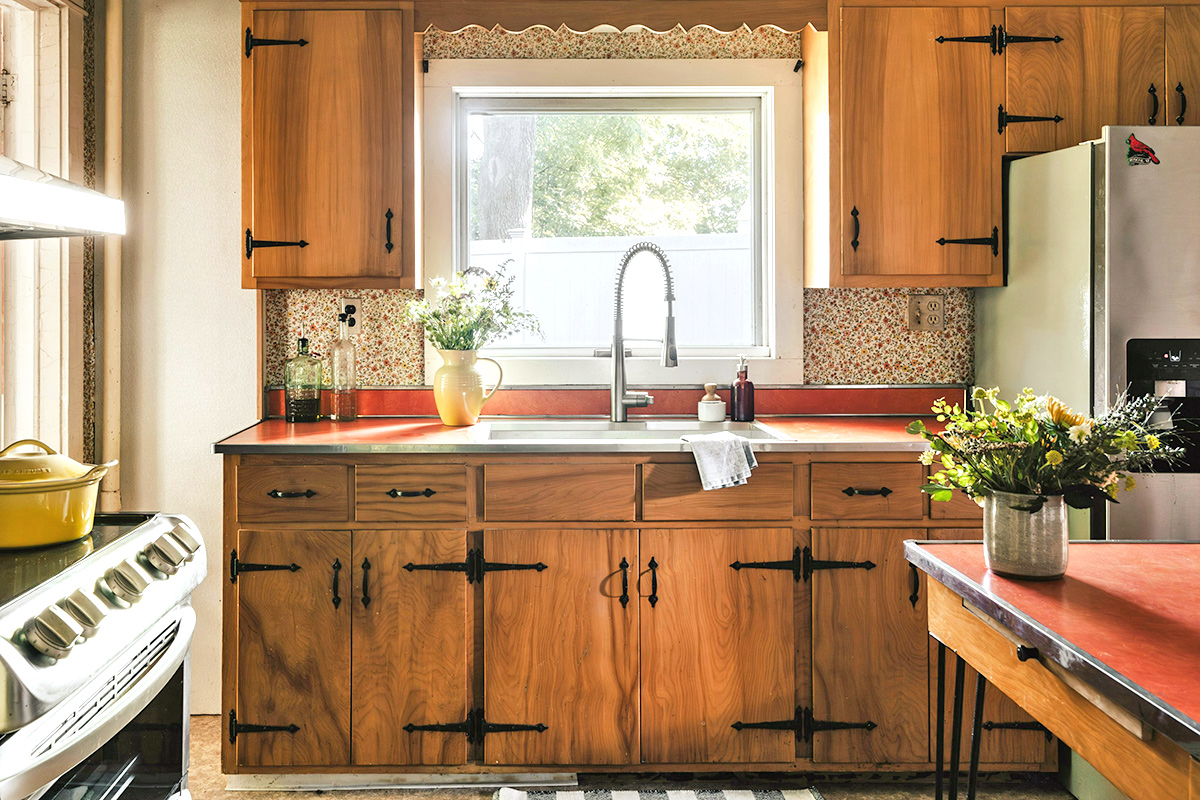
Credit: houseoutlook.com
Common Mistakes
Ignoring dust build-up is a common mistake when cleaning cupboards. Forgetting to remove items before cleaning can lead to missed spots. Using harsh chemicals might damage the cupboard surface.
Cleaning cupboards might seem like a straightforward task, yet many people unknowingly make mistakes that can compromise results. Understanding these common pitfalls can transform your cleaning routine into a more effective and efficient process. Let’s delve into some frequent missteps and how to avoid them.Using Harsh Chemicals
One common mistake is resorting to harsh chemicals. These can damage the cupboard surfaces, especially if they’re made of wood or painted materials. Instead, opt for gentle cleaners like mild dish soap mixed with water. You’d be surprised how well a simple solution can clean without leaving harmful residues. Always test a small area before applying any cleaner broadly.Ignoring Hidden Spots
It’s easy to focus only on visible areas, but ignoring hidden spots can lead to a buildup of dirt and grime. Areas like the tops of cupboards or the undersides of shelves often get neglected. These spots can harbor dust and even pests if not cleaned regularly. Make it a habit to clean these hidden areas at least every few months to keep your cupboards truly clean.Overloading Cupboards
Overloading cupboards is another mistake that can lead to chaos. Not only does it make it harder to find items, but it also increases the risk of spills and breakages. Consider taking a minimalist approach to what you store. Prioritize what you really need and use, and find a home elsewhere for the rest. Ask yourself, do you really need that many items crammed into one space? A little decluttering can make a big difference in maintaining clean and organized cupboards.Expert Advice
Cleaning cupboards may seem daunting. Expert advice can make this task simpler and more effective. Understanding the best methods ensures your cupboards are both clean and well-maintained. Explore the insights from professionals to enhance your cleaning routine.
Professional Cleaning Services
Professional cleaners offer thorough solutions. They use specialized products that tackle stubborn stains. Their expertise ensures each corner is meticulously cleaned. Hiring professionals saves time and guarantees spotless cupboards.
Diy Vs. Professional
DIY cleaning provides flexibility. You choose your methods and materials. It can be cost-effective with the right tools. However, professionals bring experience and efficiency. They handle deep cleaning tasks better. Weigh the benefits of each approach.
Time-saving Hacks
Optimize your cleaning with smart tips. Use microfiber cloths for faster dusting. Organize cleaning supplies beforehand. This reduces unnecessary delays. Create a cleaning schedule for regular upkeep. It helps maintain cleanliness consistently. These hacks save you time while ensuring effective results.
Eco-friendly Practices
Cleaning cupboards with eco-friendly practices involves using natural ingredients like vinegar and baking soda. These solutions effectively remove grime without harmful chemicals. A simple wipe with a damp cloth can maintain freshness, ensuring a safe environment for stored items.
Cleaning cupboards in an eco-friendly way benefits the environment and your home. Eco-friendly practices use natural ingredients, reduce waste, and use sustainable materials. These practices keep your cupboards clean without harming the planet. Let’s explore these eco-friendly methods.Natural Cleaning Solutions
Use natural ingredients like vinegar and baking soda. They clean effectively without chemicals. Mix equal parts vinegar and water in a spray bottle. Spray the solution on cupboard surfaces. Let it sit for a few minutes, then wipe clean with a cloth. For stubborn stains, sprinkle baking soda on a damp sponge and scrub gently. Rinse with water and dry with a towel. Essential oils like lemon or tea tree add a fresh scent and extra cleaning power.Reducing Waste
Avoid single-use wipes and paper towels. Use reusable cloths or sponges instead. They last longer and reduce waste. Wash them regularly to keep them clean. Buy cleaning products in bulk to reduce packaging waste. Choose concentrates that you can dilute at home. This saves money and reduces plastic waste. Compost or recycle any waste generated during cleaning.Sustainable Materials
Choose cleaning tools made from sustainable materials. Bamboo brushes are durable and biodegradable. They are better for the environment than plastic ones. Look for cloths made from organic cotton or recycled fibers. These materials are eco-friendly and effective. Use glass or stainless steel spray bottles. They are reusable and last longer than plastic. These small choices make a big difference for the planet.Frequently Asked Questions
What Is The Best Thing To Clean Cabinets With?
Use a mixture of warm water and mild dish soap for cleaning cabinets. Avoid harsh chemicals to prevent damage. Gently wipe with a soft cloth or sponge, then dry with a clean towel. Regular maintenance ensures cabinets remain spotless and prolong their lifespan.
How Do You Clean Kitchen Cabinets Without Removing Finish?
Use a mixture of warm water and mild dish soap. Dampen a soft cloth and gently wipe the cabinets. Avoid soaking the wood to prevent damage. Dry immediately with a clean towel to preserve the finish. Regular maintenance keeps cabinets looking fresh without removing the finish.
Is It Better To Use A Spray Or Cloth On Wood Cabinets?
Use a cloth for cleaning wood cabinets. It offers better control and prevents excess moisture damage. A spray can be useful for applying cleaner evenly, but always wipe with a cloth afterward. This ensures proper cleaning without harming the finish.
Choose products designed for wood to maintain cabinet quality.
Is Dawn Dish Soap Good For Cleaning Kitchen Cabinets?
Dawn dish soap effectively cleans kitchen cabinets by cutting through grease and grime. Mix with warm water, apply gently, and wipe clean. Its gentle formula prevents damage to surfaces, ensuring cabinets stay spotless and well-maintained. Regular use keeps them looking fresh without harming the finish.
Conclusion
Cleaning cupboards doesn’t have to be hard. Simple steps can make it easy. First, gather your cleaning tools. Use a mild cleaner to wipe surfaces. Don’t forget corners and edges. Organize items as you clean. This helps keep cupboards tidy.
Regular cleaning prevents dirt build-up. It saves time in the long run. Make cleaning a monthly habit. It keeps cupboards looking fresh. Enjoy a neat kitchen environment. Share these tips with friends and family. Everyone deserves clean, organized cupboards. Feel proud of your clean space.
Happy cleaning!
