
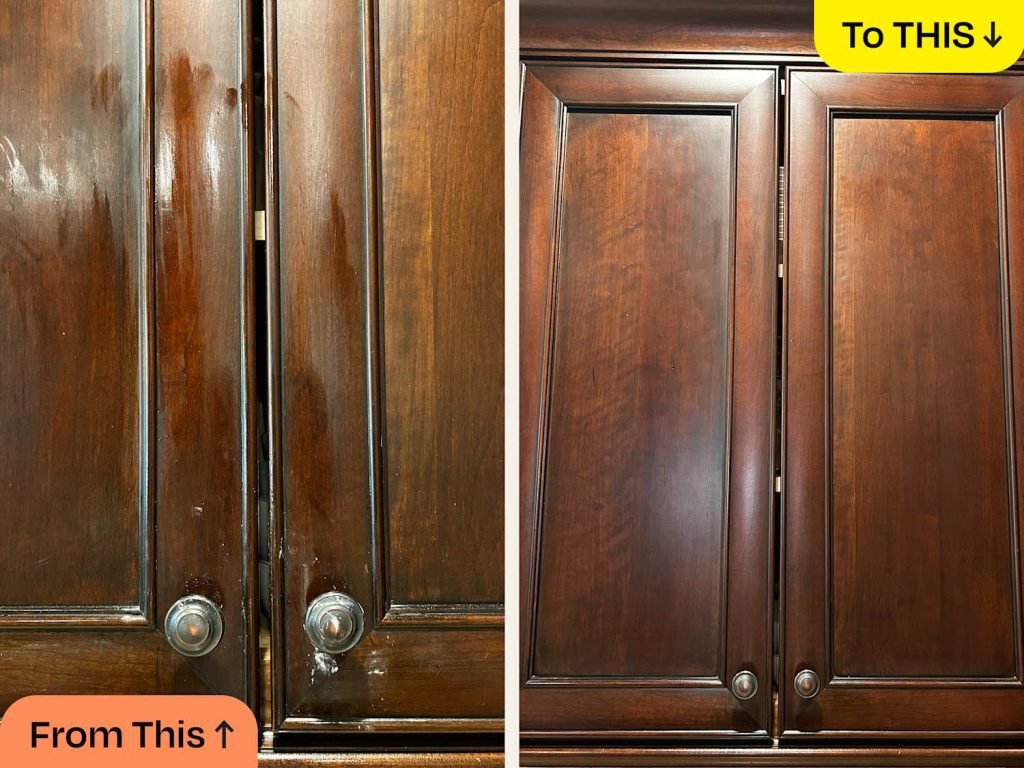
Are your kitchen cabinets covered in stubborn grease that just won’t come off? You’re not alone.
Greasy cabinets not only look messy but can also make your whole kitchen feel less inviting. Imagine opening your cabinets to find them sparkling clean and fresh—no sticky residue, no grime. You’ll discover the best way to clean greasy kitchen cabinets quickly and effectively.
You’ll learn simple steps and tips that save you time and effort, so your kitchen can shine like new again. Keep reading, and say goodbye to greasy cabinets for good.
Causes Of Greasy Cabinets
Greasy kitchen cabinets can quickly turn a clean kitchen into a sticky, unpleasant space. Understanding what causes this buildup helps you tackle the problem effectively. Knowing the sources of grease and how cooking habits affect your cabinets puts you one step closer to a spotless kitchen.
Common Kitchen Grease Sources
Grease in the kitchen doesn’t just appear out of nowhere. It mainly comes from cooking oils, fats, and food splatters that settle on surfaces over time.
- Frying and sautéing:Oils and fats vaporize and cling to nearby surfaces, especially cabinets near the stove.
- Baking and roasting:Grease particles float in the air and settle on cabinets even if you aren’t directly cooking with oil.
- Handling greasy foods:Touching cabinets with oily hands leaves behind residue that builds up daily.
- Steam and condensation:Steam from boiling or simmering can carry tiny grease droplets, which then stick to cabinet surfaces.
Have you ever noticed how quickly your cabinets near the stove get grimy compared to others? That’s because these common sources are concentrated in specific cooking zones.
How Cooking Affects Cabinets
Cooking methods have a direct impact on how much grease ends up on your cabinets. High-heat cooking like frying releases more airborne grease than boiling or steaming.
Even simple actions like opening a pan lid can cause grease to escape and settle on nearby surfaces. This is why cabinets closest to the stove usually need more frequent cleaning.
Think about your kitchen layout. Is your stove near cabinets with textured finishes that trap grease more easily? Smooth, sealed surfaces resist grease better and clean up faster.

Credit: www.reddit.com
Choosing The Right Cleaning Products
Choosing the right cleaning products is crucial when tackling greasy kitchen cabinets. The wrong product can damage the finish or leave behind residue that attracts more grime. Selecting something effective yet gentle ensures your cabinets look fresh without harm.
Natural Vs Chemical Cleaners
Natural cleaners often use ingredients like vinegar, baking soda, or lemon juice. They can be gentler on surfaces and better for your health, especially if you have allergies or sensitivities.
Chemical cleaners tend to work faster and dissolve tough grease more easily. However, they might contain harsh substances that could dull or damage cabinet finishes over time.
Have you tried mixing a few drops of mild dish soap with warm water? This simple solution often removes grease without harsh chemicals, proving that sometimes the easiest option is the best.
Safe Products For Cabinet Surfaces
Always check the cabinet material before choosing a cleaner. Wood cabinets need milder, pH-balanced products to avoid stripping the finish.
Laminated or painted cabinets can handle stronger cleaners but still require caution to prevent discoloration or peeling.
Here are some safe options to consider:
- Mild dish soap mixed with warm water
- White vinegar diluted in water (test on a hidden spot first)
- Commercial cleaners labeled safe for wood or laminate surfaces
- Microfiber cloths for gentle scrubbing without scratching
Would you risk ruining your cabinets for a quick clean? Choosing the right product helps you maintain both beauty and durability in your kitchen.
Step-by-step Cleaning Process
Cleaning greasy kitchen cabinets takes patience and the right approach. Follow a simple step-by-step process for best results. This method removes dirt and tough grease without damaging the cabinet surfaces.
Preparing The Cleaning Area
Clear the cabinet doors and drawers of any items. Lay down old towels or newspapers below to catch drips. Open windows or turn on fans for good ventilation. Gather your cleaning supplies like gloves, sponge, bucket, and cleaner.
Removing Surface Dirt
Start by wiping cabinets with a dry cloth to remove loose dust. Mix warm water with mild dish soap in a bucket. Dip a soft sponge into the solution and wring it out well. Gently wipe all cabinet surfaces to remove surface dirt and light grime.
Tackling Stubborn Grease
For tough grease spots, use a baking soda paste or a commercial degreaser. Apply the cleaner with a soft cloth or sponge and let it sit for a few minutes. Rub the greasy areas in circular motions until the grease loosens. Avoid harsh scrubbing to protect the finish.
Rinsing And Drying
Rinse the sponge with clean water and wipe the cabinets to remove soap or cleaner residue. Use a dry microfiber cloth to thoroughly dry all surfaces. Ensure no moisture remains to prevent damage or mold. Your cabinets will look fresh and clean.

Credit: www.facebook.com
Tools To Make Cleaning Easier
Cleaning greasy kitchen cabinets can feel like a tough chore, but having the right tools can make a huge difference. The right brushes, cloths, and even modern gadgets help you tackle grime more effectively and save time. Choosing tools that fit your cleaning style can turn a dreaded task into a quick and satisfying experience.
Recommended Brushes And Cloths
Soft microfiber cloths are a must-have. They trap grease and dirt without scratching your cabinet surfaces. Use them damp for wiping down and dry for polishing.
For stubborn grease, scrub brushes with nylon bristles work well. They clean grooves and corners that cloths might miss. Avoid wire brushes because they can damage the finish.
- Microfiber cloths:gentle, reusable, and great for detailed cleaning
- Nylon scrub brushes:perfect for textured surfaces and edges
- Old toothbrushes:ideal for tight spots around handles and hinges
Have you noticed how often grease hides around cabinet handles? Using a small brush can save you from endless wiping and getting grease all over your hands.
Using Steam Cleaners
Steam cleaners offer a chemical-free way to cut through grease quickly. The high-temperature steam loosens grime without damaging paint or wood finishes.
They work best on sealed cabinets and can reach areas that are tricky with cloths or brushes. Just be careful with unsealed wood, as excessive moisture can cause damage.
- Hold the steam nozzle a few inches away to avoid soaking the surface
- Use the brush attachment for scrubbing stubborn spots
- Wipe down immediately after steaming to remove loosened grease
Have you tried steam cleaning your cabinets yet? It might surprise you how much easier it is to remove grease without harsh chemicals or elbow grease.
Preventing Future Grease Build-up
Grease build-up on kitchen cabinets can make your space look dirty and old. Preventing grease from sticking to surfaces saves time and effort later. A clean kitchen feels fresh and inviting. Simple habits can keep your cabinets spotless for longer.
Regular Maintenance Tips
Wipe your cabinets often with a damp cloth. Use mild soap mixed with warm water to remove light grease. Avoid harsh cleaners that damage the finish. Dry cabinets immediately after cleaning to stop moisture damage. Clean spills right away to stop grease from hardening. Use a soft sponge or cloth to protect surfaces. Regular upkeep reduces heavy grease build-up and keeps cabinets shiny.
Improving Kitchen Ventilation
Good air flow helps stop grease from settling on cabinets. Use your kitchen exhaust fan while cooking to remove smoke and steam. Open windows to let fresh air in and push out grease particles. Consider installing a stronger hood fan if you cook often. Keep vents clean so air moves freely. Better ventilation lowers grease accumulation and helps your kitchen smell fresh.
Handling Different Cabinet Materials
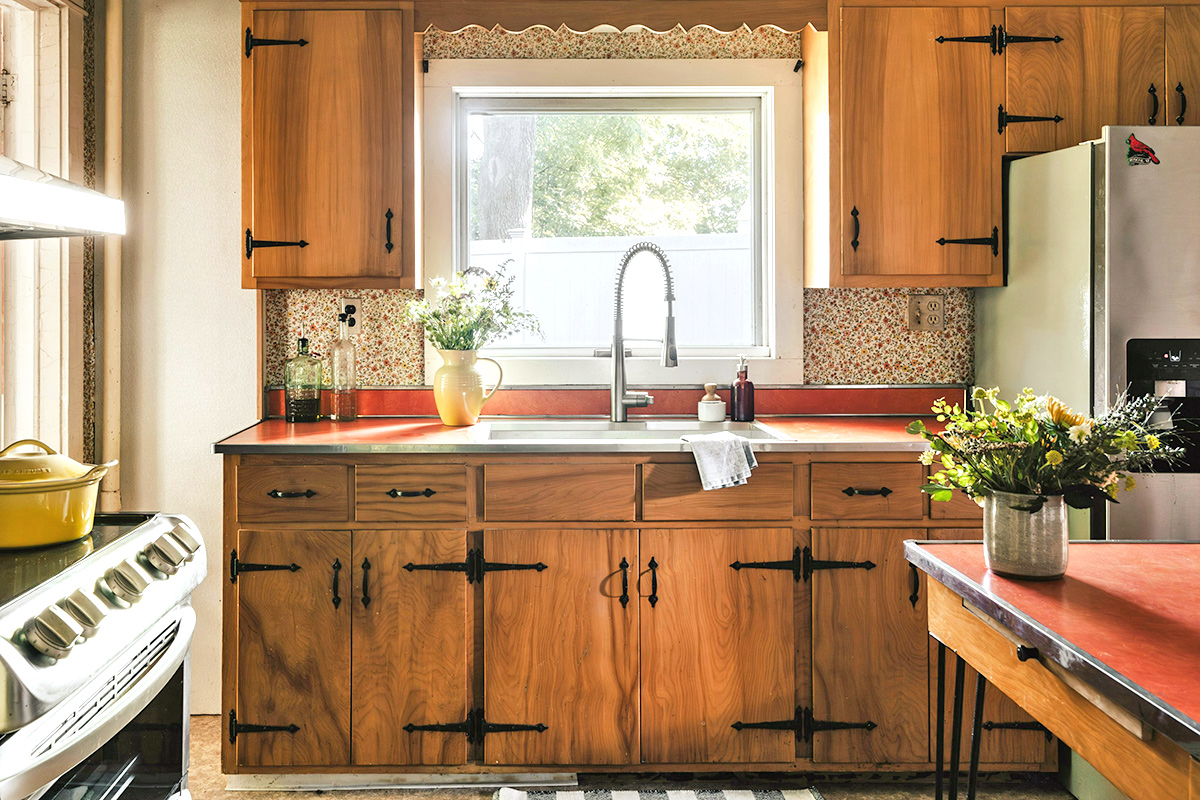
Greasy kitchen cabinets need gentle care based on their material. Different surfaces react differently to cleaners and scrubbing. Using the wrong method can damage the finish or texture. Understanding your cabinet material is key to effective cleaning. This helps maintain their look and extends their life.
Cleaning Wood Cabinets
Wood cabinets require mild cleaning solutions. Use a soft cloth dampened with warm water and a few drops of dish soap. Avoid soaking the wood to prevent warping. For tough grease, mix equal parts vinegar and water. Wipe gently and dry immediately with a clean cloth. Do not use abrasive scrubbers or harsh chemicals that strip the finish.
Care For Laminate And Painted Surfaces
Laminate and painted cabinets handle moisture better than wood. Use warm water with mild dish soap for regular cleaning. For stubborn grease, try a paste of baking soda and water. Apply gently with a soft sponge and rinse with a damp cloth. Avoid abrasive pads that can scratch the surface. Dry thoroughly to prevent streaks and damage.
Credit: houseoutlook.com
Frequently Asked Questions
What Is The Best Cleaner For Greasy Kitchen Cabinets?
A mixture of warm water, dish soap, and vinegar works best. It cuts grease effectively without damaging surfaces. Avoid harsh chemicals to preserve cabinet finish and longevity.
How Often Should I Clean Greasy Kitchen Cabinets?
Clean cabinets every two weeks to prevent buildup. Wipe spills immediately to avoid stains. Regular maintenance keeps cabinets looking fresh and grease-free.
Can Homemade Solutions Remove Grease From Cabinets?
Yes, homemade solutions like baking soda paste or vinegar spray work well. They are safe, affordable, and environmentally friendly. Test on a small area before full use.
Should I Use Microfiber Cloths For Cleaning Cabinets?
Microfiber cloths are ideal because they trap grease and dirt efficiently. They are gentle on surfaces and reusable, making them an eco-friendly cleaning option.
Conclusion
Cleaning greasy kitchen cabinets does not have to be hard. Use gentle cleaners and soft cloths for best results. Regular wiping keeps cabinets fresh and shiny. Avoid harsh chemicals that damage wood or paint. Small efforts make your kitchen look neat and inviting.
Try these easy tips to save time and energy. Keep your kitchen cabinets clean and enjoy a brighter space every day. Simple steps lead to a cleaner, healthier home environment.
