
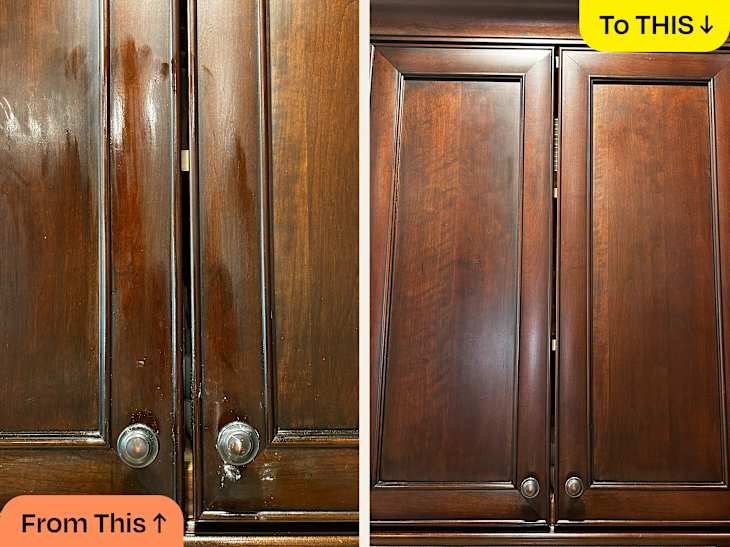
Your kitchen is the heart of your home, and its cabinets are the unsung heroes that keep everything organized and tucked away. But let’s face it, over time, grease, grime, and dust accumulate, making those once-gorgeous cabinets look dull and tired.
The secret to reviving them isn’t just about elbow grease; it’s about using the best techniques that are both effective and gentle on your cabinetry. Imagine walking into your kitchen and feeling that satisfying sense of cleanliness and order. That’s what you deserve.
In this guide, we’re diving into the best way to clean your kitchen cabinets, ensuring they shine like new without damaging the finish. Ready to discover how you can make your cabinets the centerpiece of your kitchen once again? Keep reading to unlock the secrets that will transform your space.
Choosing The Right Cleaning Products
Cleaning kitchen cabinets can be challenging. Choosing the right cleaning products is essential for maintaining their look and longevity. The wrong product can damage the finish or leave residues. Explore options that suit your needs and cabinet materials.
Natural Vs. Chemical Cleaners
Natural cleaners are often gentler. They use ingredients like vinegar, lemon juice, or baking soda. These options are eco-friendly and safe for most surfaces. They are effective for everyday cleaning.
Chemical cleaners can be more powerful. They tackle tough stains and grease. Read labels carefully to ensure they’re safe for your cabinet material. Some chemicals can strip finishes or cause discoloration.
Safe Products For Different Materials
Wood cabinets need special care. Use oil soap or mild dish soap. Avoid harsh chemicals that can damage the wood grain.
Laminate surfaces require gentle cleaners. Use mild dish soap mixed with water. Avoid abrasive cleaners that can scratch the surface.
Metal cabinets need specific products. Use cleaners designed for metal surfaces. They prevent rust and maintain shine.
Glass-front cabinets need non-abrasive cleaners. Use vinegar or glass cleaner. These prevent streaks and keep glass clear.
Credit: www.housework.com
Preparation Steps
Before diving into cleaning kitchen cabinets, preparation is crucial. Proper preparation ensures a thorough and efficient cleaning process. These steps will help you organize and protect your kitchen area.
Clearing Out The Cabinets
First, remove all items from the cabinets. This includes dishes, food, and any other stored items. Use this opportunity to check expiration dates and discard old products. A clear cabinet allows you to see every corner that needs cleaning.
Gather boxes or containers for temporary storage. Label them if needed. This will help you keep track of what belongs where once the cleaning is complete.
Protecting Surrounding Areas
Place old towels or sheets on the floor. This protects against spills and drips. You can also use painter’s tape to shield walls and countertops.
Open windows for ventilation. Cleaning products often have strong odors. Good airflow will keep your kitchen fresh.
Now, you’re ready to start cleaning. With preparation done, the task becomes smoother and more effective.
Cleaning Techniques For Wood Cabinets
Cleaning wood cabinets can be a rewarding task when done correctly. They add warmth and character to your kitchen, but keeping them pristine requires the right techniques. Whether you’re tackling everyday grime or challenging stains, using the right approach can make a significant difference. Let’s explore effective strategies to maintain the beauty of your wood cabinets.
Dusting And Wiping
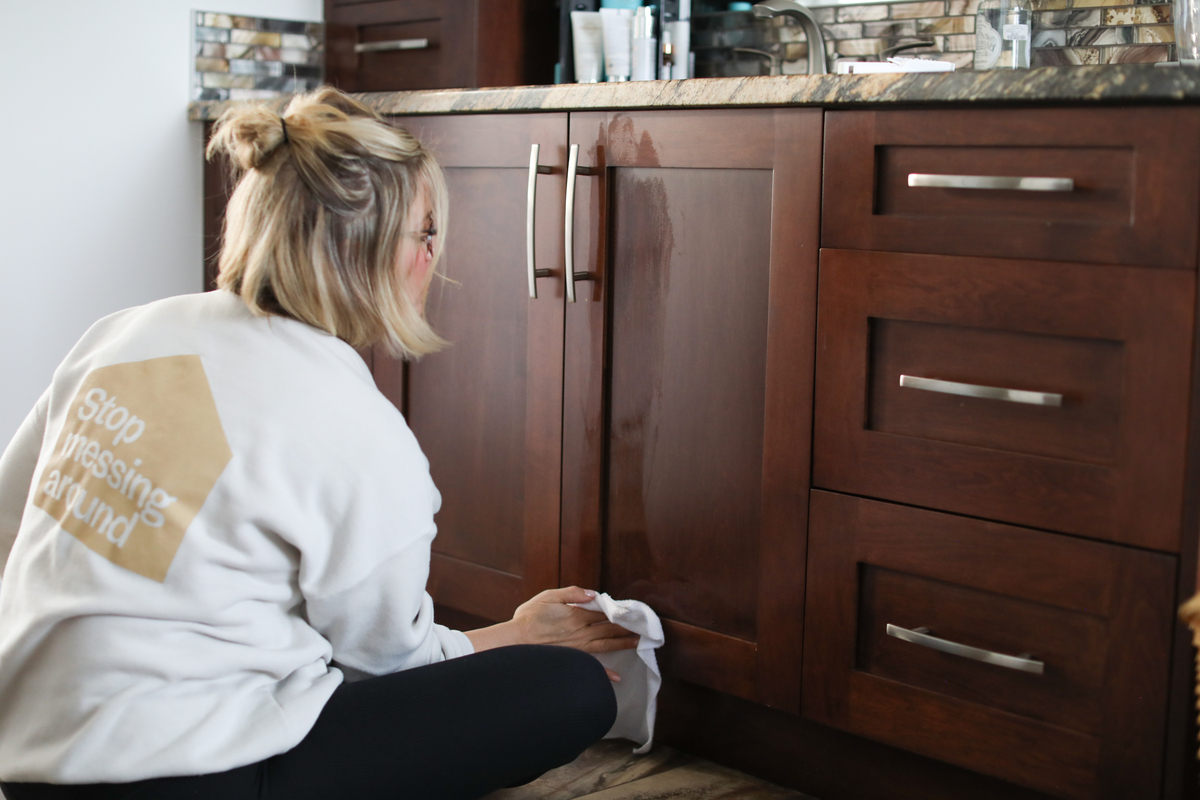
Dusting is the first step in preserving the finish of your wood cabinets. Use a soft cloth or microfiber duster to gently remove dust particles. This prevents scratching, which can damage the surface over time.
After dusting, wipe the cabinets with a damp cloth. Ensure the cloth isn’t soaking wet; excess moisture can warp the wood. A mild dish soap mixed with warm water can effectively clean without harming the finish.
Consider adding a touch of vinegar to your cleaning solution for extra shine. It’s a natural way to enhance the wood’s luster without using harsh chemicals.
Dealing With Stubborn Stains
Stubborn stains can be a challenge, but they aren’t impossible to remove. For grease stains, try mixing baking soda with water to form a paste. Apply it to the stain, then gently scrub with a soft brush.
For sticky residue, consider using a solution of vinegar and water. This natural cleaner is effective at breaking down sticky substances without damaging the wood.
If stains persist, you might ask, is it time to call in a professional? Sometimes, a fresh coat of finish or expert advice can restore your cabinets to their former glory.
Remember, your kitchen cabinets are a long-term investment. Taking a few moments to clean them properly can ensure they remain a beautiful focal point in your home for years to come.
Credit: houseoutlook.com
Maintaining Laminate Cabinets
Use a soft cloth with warm, soapy water to gently clean laminate cabinets. Dry immediately with a clean towel. Avoid harsh chemicals to preserve the finish.
Maintaining laminate cabinets in your kitchen can seem daunting, but with the right approach, you can keep them looking fresh and vibrant. These cabinets are popular for their durability and affordability, yet they require specific care to avoid damage. A gentle cleaning routine can help you preserve their shine and extend their lifespan.Gentle Cleaning Methods
To maintain the pristine condition of laminate cabinets, start with a mixture of warm water and mild dish soap. Using a soft cloth, gently wipe the surfaces. This method effectively removes grease and grime without causing harm. Alternatively, you can use a vinegar solution for stubborn stains. Mix equal parts of water and vinegar, then apply it with a spray bottle. Make sure to wipe it off with a damp cloth to avoid any lingering smell. Regular dusting is also crucial. Use a microfiber cloth to capture dust particles without scratching the surface. This simple habit can make a significant difference in maintaining the appearance of your cabinets.Avoiding Abrasive Tools
Steer clear of abrasive tools like steel wool or rough sponges. These can scratch and dull the laminate surface, leaving unsightly marks. Instead, opt for non-abrasive sponges or soft cloths to protect your cabinets. Consider what cleaning products you use. Harsh chemicals can damage laminate, so stick to gentle cleaners. If you’re ever in doubt, test a small hidden area first to ensure it won’t cause any damage. Ask yourself: Is this tool or product too harsh for my cabinets? Keeping this question in mind will help you choose the safest options for cleaning. Remember, a little caution goes a long way in preserving the beauty of your kitchen cabinets.Tips For Metal And Glass Cabinets
Cleaning metal and glass kitchen cabinets efficiently involves using a soft cloth with a mild detergent solution. Gently wipe surfaces to remove grime and fingerprints, ensuring all corners and edges are clean. Finish with a dry cloth for a streak-free shine.
Keeping your kitchen cabinets looking pristine can be a rewarding task, especially when they are made of metal or glass. These materials offer a sleek, modern look but can be challenging to clean if you’re not using the right techniques. Let’s dive into some practical tips that will help you maintain the shine and clarity of your metal and glass cabinets without much hassle.Polishing Metal Surfaces
Metal cabinets can lose their luster over time, especially if they’re exposed to cooking oils and steam. To keep them gleaming, begin by wiping the surface with a damp microfiber cloth to remove dust and grime. Next, mix a solution of equal parts water and vinegar in a spray bottle. Spray the mixture on the cabinets and gently wipe with a soft cloth. This not only cleans but also adds a beautiful shine. For stubborn spots, a small amount of baking soda can work wonders. Apply it with a damp cloth, then buff the area with a dry towel. If your cabinets have brushed metal finishes, always follow the grain to avoid scratches. Remember, regular polishing can prevent tarnishing and maintain the metal’s natural sheen.Streak-free Glass Cleaning
Glass cabinets offer a transparent view of your kitchenware but are prone to streaks and fingerprints. Start by dusting the surface with a soft duster to eliminate loose particles. Create a gentle cleaning solution using two cups of water, half a cup of vinegar, and a few drops of dish soap. Spray the solution onto the glass and wipe with a lint-free cloth. For a streak-free finish, use a squeegee in a top-to-bottom motion. Have you ever noticed how sunlight can highlight smudges? Cleaning on a cloudy day can actually help you see streaks more clearly and address them effectively. If you encounter stubborn spots, a little rubbing alcohol on a cotton pad can do the trick. Ensure you buff the glass dry with a clean towel to prevent watermarks. With these steps, your glass cabinets can stay as clear as the day you installed them. Taking the time to care for your kitchen cabinets not only enhances your kitchen’s aesthetic but also prolongs their lifespan. What’s your favorite cabinet cleaning tip?Routine Maintenance
Maintaining clean kitchen cabinets ensures a tidy and welcoming space. Regular upkeep prevents grime and extends the life of your cabinets. With consistent care, they remain spotless and functional.
Regular Cleaning Schedule
Establishing a cleaning routine is key for pristine cabinets. Wipe surfaces weekly using a damp cloth. This removes dust and prevents dirt accumulation. Use gentle cleaners suitable for wood or laminate. Avoid harsh chemicals to preserve the finish. Monthly, inspect corners and handles for hidden debris. A regular schedule keeps cabinets fresh and appealing.
Preventing Grease Build-up
Grease can tarnish cabinet surfaces over time. To avoid this, clean after cooking sessions. Use a mixture of warm water and dish soap. This breaks down grease effectively. Dry surfaces thoroughly to prevent moisture damage. Install a backsplash near cooking areas. This reduces grease splatter on cabinets. Regular cleaning minimizes stubborn build-up and keeps surfaces shining.
Expert Tips For Long-lasting Cleanliness
Keeping your kitchen cabinets clean can feel like an endless chore, especially in a busy household. But what if you could extend the time between cleanings while maintaining a spotless look? Here are some expert tips for achieving long-lasting cleanliness in your kitchen cabinets.
Using Protective Finishes
A protective finish is like a shield for your cabinets. It helps repel dirt, grime, and even fingerprints. Consider using a clear varnish or wax polish. These finishes not only enhance the look of your cabinets but also add a layer of protection against daily wear and tear.
Have you ever noticed how much easier it is to wipe off spills from a polished surface? That’s the magic of a protective finish. It makes cleaning a breeze and keeps the cabinets looking new longer.
Choosing The Right Tools
The right tools make all the difference. Opt for microfiber cloths for regular wiping; they are gentle on surfaces and highly effective at trapping dust. When tackling stubborn stains, a soft-bristle brush can be your best friend, reaching into grooves without damaging the finish.
Think about the tools you use. Are they helping or hindering your cleaning efforts? Investing in quality cleaning tools can save you time and effort, making cabinet maintenance more manageable and efficient.
What’s your go-to tool for cleaning kitchen cabinets? Finding the perfect match might surprise you with how much easier the process becomes.

Credit: merrymaids.com
Frequently Asked Questions
What Is The Best Thing To Use To Clean Kitchen Cabinets?
Use a mixture of warm water and mild dish soap to clean kitchen cabinets. A soft cloth or sponge works best. Avoid harsh chemicals to prevent damage. Regular cleaning keeps cabinets looking fresh and helps maintain their lifespan. Dry thoroughly to prevent moisture damage.
What Not To Use To Clean Kitchen Cabinets?
Avoid using bleach, abrasive cleaners, ammonia-based products, or steel wool on kitchen cabinets. These can damage surfaces.
Can You Use Dawn Dish Soap On Wood Cabinets?
Yes, you can use Dawn dish soap on wood cabinets. Mix with warm water for gentle cleaning. Avoid excess moisture to prevent damage. Dry thoroughly after cleaning to maintain cabinet finish and shine. Dawn’s mild formula effectively removes grease without harming wood surfaces.
Regular cleaning preserves the cabinet’s appearance.
Is Murphy Oil Soap Good For Kitchen Cabinets?
Murphy Oil Soap is good for cleaning kitchen cabinets. It gently removes grease, grime, and dirt without damaging the finish. Use it by diluting with water and applying with a soft cloth for best results. Regular use can help maintain the cabinets’ appearance and longevity.
Conclusion
Clean kitchen cabinets make a huge difference. They brighten your space. Regular cleaning ensures cabinets stay in great shape. Use mild soap and water for safe cleaning. Soft cloths work best. They prevent scratches. Dry cabinets completely after cleaning. This avoids moisture damage.
Consider natural cleaners for eco-friendly options. Lemon juice and baking soda are great choices. Simple tips help maintain your cabinets’ beauty. Keep up with regular maintenance. Your kitchen will look fresh and inviting. A clean kitchen is a happy kitchen.
Enjoy your sparkling cabinets!
