
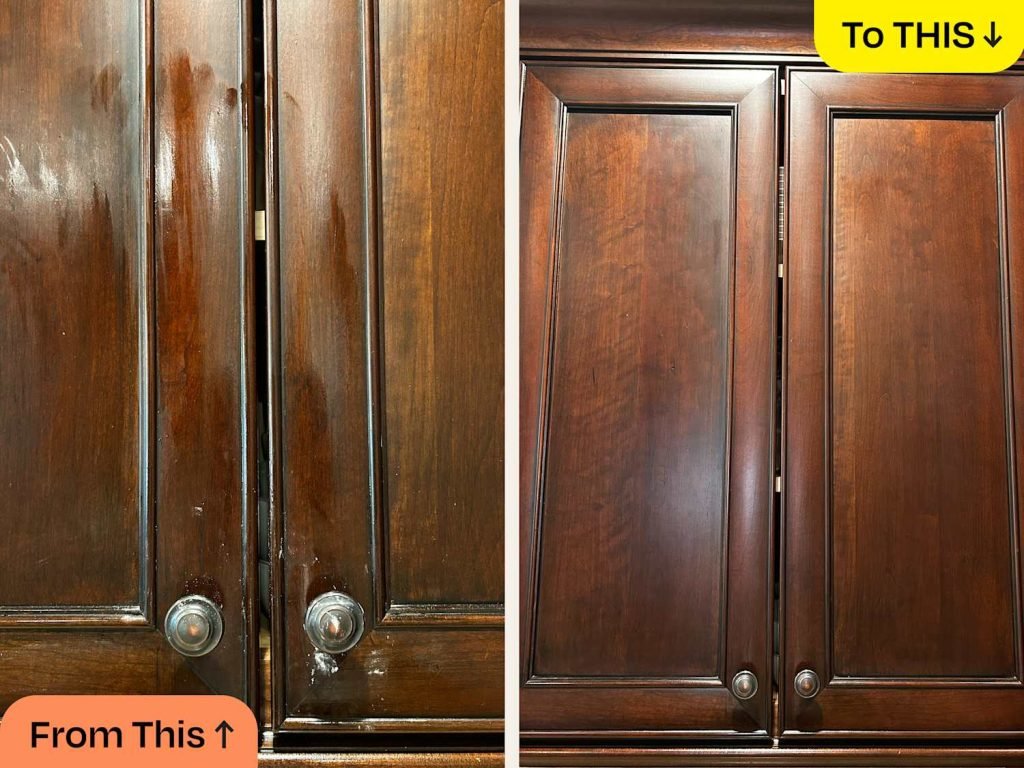
Your kitchen cabinets endure a lot. From the grease splatters of a sizzling pan to the fingerprint smudges from eager hands, your cabinet doors often bear the brunt of daily kitchen activities.
Over time, this can leave them looking less than fresh. But what if there was a simple way to restore their shine and make them look like new again? Imagine opening your cabinets and seeing spotless, gleaming doors that elevate the entire look of your kitchen.
Intrigued? You should be. We’ll reveal the best way to clean your kitchen cabinet doors, ensuring they stay clean and beautiful with minimal effort. You deserve a kitchen that reflects the care you put into it, and we’re here to show you how. Dive in, and discover the secrets that will transform your kitchen cabinets today.
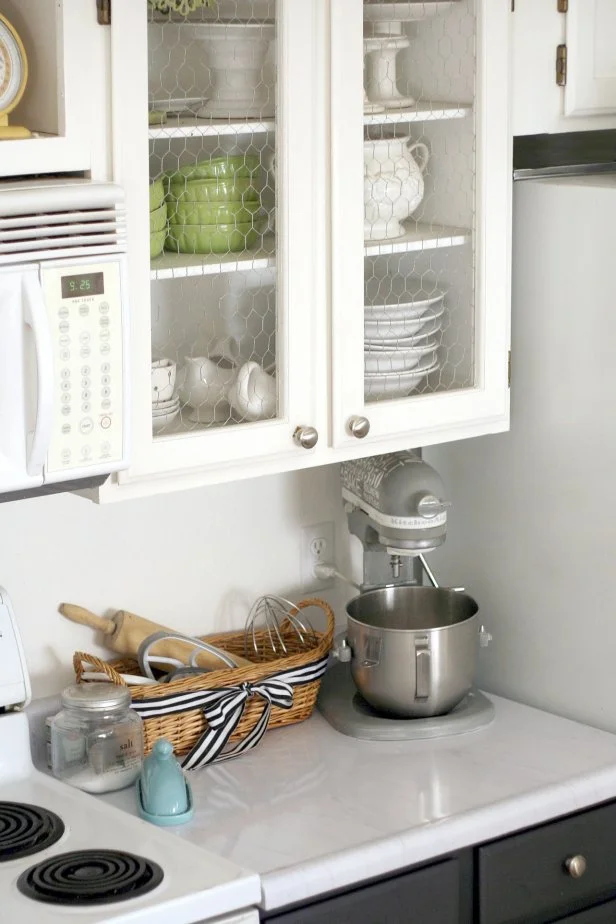
Credit: www.hgtv.com
Cabinet Door Materials
Kitchen cabinet doors come in various materials like wood, laminate, and metal. Use a gentle cleaner and a soft cloth for wood. Warm water and mild soap work well for laminate and metal. Regular cleaning helps maintain their look.
Cleaning kitchen cabinet doors effectively starts with understanding the materials they’re made of. Each material requires a unique cleaning approach to maintain its appearance and longevity. Whether your cabinets are made of wood, laminate, metal, or glass, knowing the right technique can save you time and effort.Wood Cabinets
Wood cabinets add warmth and elegance to your kitchen. However, they can be sensitive to moisture and harsh chemicals. Use a soft cloth dampened with a mixture of mild dish soap and water. Gently wipe down the surface, following the grain of the wood. Finish by drying with a clean, dry cloth to prevent water damage.Laminate Cabinets
Laminate cabinets are known for their durability and low maintenance. A simple mixture of warm water and vinegar can do wonders. Apply with a microfiber cloth, and for stubborn stains, add a bit of baking soda to your cloth for a gentle scrub. Avoid using abrasive pads which can scratch the surface.Metal Cabinets
Metal cabinets are sleek and modern but can show fingerprints easily. Use a mixture of water and mild detergent to wipe away smudges. For a polished look, buff the surface with a dry microfiber cloth. If rust appears, a paste of baking soda and water can be used to tackle it gently.Glass Cabinets
Glass cabinets showcase your dishware beautifully but can quickly become cloudy with fingerprints. Use a glass cleaner or a mix of equal parts water and vinegar for a streak-free shine. Spray the cleaner onto a cloth rather than directly onto the glass to avoid drips. Regular maintenance will keep your glass cabinets sparkling and clear. Understanding your cabinet’s material is the first step in maintaining their beauty and functionality. Which type of cabinets do you have in your kitchen, and how do you keep them clean?Cleaning Supplies
Warm water and mild soap effectively clean kitchen cabinet doors. Use a soft cloth to wipe away dirt gently. Rinse thoroughly to avoid soap residue, ensuring a fresh and clean finish.
Cleaning your kitchen cabinets can be a transformative process, giving your space a fresh, new look. Before diving into the scrubbing, however, it’s crucial to gather the right cleaning supplies. Having the appropriate tools and cleaners on hand not only makes the task more manageable but also ensures that your cabinet doors are treated with care, preserving their finish and extending their lifespan. Let’s delve into what you’ll need to get the job done effectively.Essential Tools
Your cleaning toolkit is the backbone of this mission. A soft microfiber cloth is invaluable for dusting and wiping down surfaces. It’s gentle on the finish and highly effective at capturing dirt. A soft-bristled brush can tackle stubborn grime, especially around handles and edges. Keep an old toothbrush handy for those intricate spots where dirt loves to hide. For those harder-to-reach places, a vacuum with a brush attachment can be a lifesaver, sucking up dust without spreading it around.Recommended Cleaners
Choosing the right cleaner can be the difference between a spotless shine and a dull surface. A mild dish soap mixed with warm water is often all you need for regular maintenance. It’s gentle yet powerful enough to cut through grease. For cabinets with tougher stains, a specialized wood cleaner or degreaser can work wonders. These are designed to preserve the wood’s finish while effectively removing grime. Ensure the cleaner you pick is appropriate for your cabinet material. For instance, laminate surfaces may require a different approach than solid wood.Natural Alternatives
If you prefer eco-friendly solutions, your pantry holds some effective options. Vinegar mixed with water serves as a natural cleaner that cuts through grease without leaving a harsh chemical smell. Baking soda can be a game-changer for sticky spots. Create a paste with water, apply it gently, and watch as stains lift away. Lemon juice not only cleans but also leaves a fresh scent. Its natural acidity helps break down grease while adding a pleasant fragrance to your kitchen. By ensuring you have these cleaning supplies at the ready, tackling your kitchen cabinet doors becomes a straightforward task. Which of these will you try first?Preparation Steps
Gather cleaning supplies like mild soap, soft cloths, and a gentle sponge. Remove items from cabinets to access all surfaces.
Cleaning your kitchen cabinet doors is not just about aesthetics; it’s about maintaining a healthy and organized cooking space. Before diving into the cleaning process, preparation is key to ensure efficiency and to protect your kitchen. Let’s explore some essential preparation steps to make the cleaning task easier and more effective.Emptying Cabinets
Begin by emptying your cabinets completely. This gives you a fresh start and ensures that you can reach every corner of the cabinet doors. Use this opportunity to declutter items you no longer need. As you remove items, sort them into categories such as keep, donate, or discard. Not only does this make cleaning easier, but it also helps you organize your kitchen better. You’ll find it rewarding to open a cabinet and see only the essentials neatly arranged.Protecting Surrounding Areas
Before you start scrubbing, consider the areas around your cabinets. Cover your countertops and floors with old towels or newspapers to catch any drips or spills. This simple step can save you from extra cleaning work later. If your cabinet doors are near appliances or walls, use painter’s tape to shield these surfaces. By protecting the surrounding areas, you ensure that your cleaning efforts focus solely on the cabinets. Have you ever noticed how a little prep can make a big difference in the outcome?Daily Maintenance
Kitchen cabinets often become the silent battlegrounds of daily cooking adventures. They catch every splash, splatter, and spill, silently bearing witness to your culinary creativity. But with a little daily care, you can keep them looking fresh and spotless. It’s not about spending hours; rather, it’s about smart, quick actions that fit seamlessly into your routine.
Dusting Techniques
Dusting your cabinet doors can be surprisingly satisfying. Use a microfiber cloth or a duster to gently wipe away daily dust.
Make it a habit to dust before cooking, when your kitchen is quiet and calm.
Consider using a dusting spray for an added shine. You’ll notice it makes a difference without much effort.
Quick Spot Cleaning
Spot cleaning is your best friend against unexpected spills. Keep a small spray bottle of diluted dish soap nearby.
When you notice a spot, spray and wipe it clean with a soft cloth.
Think of it as a mini rescue mission for your cabinets. Wouldn’t it be easier to tackle small messes right away rather than letting them linger?
Deep Cleaning Process
Clean kitchen cabinet doors effectively using a gentle mix of warm water and mild dish soap. Wipe with a soft cloth to remove grime. Rinse and dry thoroughly to prevent water damage.
Deep cleaning your kitchen cabinet doors can transform the look and feel of your entire kitchen. Over time, these surfaces accumulate grease, food particles, and stains that regular cleaning might not remove. A deep clean not only restores their original shine but also extends their lifespan. Let’s dive into effective techniques to tackle those stubborn spots.Removing Grease Buildup
Grease buildup is a common culprit in the kitchen, often leaving your cabinet doors looking dull and sticky. To combat this, you can make a simple yet powerful cleaning solution by mixing equal parts of vinegar and warm water. Spray this mixture onto your cabinet doors and let it sit for a few minutes. Using a soft cloth, gently scrub the surface in circular motions. This method not only loosens the grease but also lifts away any lingering dirt. For particularly stubborn grease, consider adding a drop of dish soap to your mixture. Have you noticed how your cabinets seem to breathe new life once the grease is gone? It’s a simple change, but it makes a world of difference.Handling Stubborn Stains
Stubborn stains can be frustrating, but they aren’t impossible to remove. Baking soda is your best friend here. Create a paste with baking soda and water, then apply it to the stained area. Let the paste sit for about 10 minutes, allowing it to break down the stain. With a damp sponge or cloth, gently wipe away the paste. You might be surprised at how effective this simple remedy is. If the stain persists, consider repeating the process or trying a different angle. You could use a toothbrush for more precise scrubbing. Remember, patience and the right technique often yield the best results. Who knew a few pantry items could hold the key to pristine kitchen cabinets? Your kitchen is not just a place to cook; it’s a reflection of you. Keeping it clean is not just about hygiene—it’s about pride.Polishing And Finishing
Gently clean kitchen cabinet doors with a mix of mild soap and warm water. Use a soft cloth to avoid scratches. Dry thoroughly to prevent water damage and maintain the shine.
Polishing and finishing your kitchen cabinet doors can be the final touch that brings your kitchen to life. It’s not just about cleaning; it’s about adding that extra sparkle and ensuring longevity. A little effort can turn the dull into dazzling, making your kitchen a place you truly enjoy. But how do you achieve that perfect shine and protection?Enhancing Shine
To enhance the shine of your cabinet doors, start by using a gentle polish specifically designed for wood or the material of your cabinets. – Apply with a soft cloth: Work the polish in a circular motion to avoid streaks. – Buff gently: After applying the polish, use a clean, dry cloth to buff the surface. This not only enhances the shine but also gives the doors a smooth finish. You might be surprised at how much difference a little buffing can make. Imagine walking into your kitchen and seeing your reflection in the glossy cabinets. It’s a simple joy that can brighten your day.Protective Coatings
Adding a protective coating is like giving your cabinets an invisible shield. This not only maintains the shine but also protects against daily wear and tear. – Choose a suitable product: Opt for a water-based polyurethane for wood cabinets or a polymer-based product for laminate surfaces. – Apply evenly: Use a foam brush or a soft cloth to apply the coating in thin, even layers, allowing each layer to dry thoroughly before applying the next. Think of it as an investment in the future of your kitchen. How much longer could your cabinets last with the right protection? With just a little care, you can extend their life and keep them looking new for years to come. Regular maintenance can save you time and money in the long run. Are you ready to give your kitchen cabinets the care they deserve?Common Mistakes
Skipping regular dusting leads to grime buildup on kitchen cabinet doors. Using harsh chemicals can damage surfaces and paint. Neglecting to dry immediately causes water spots and warping.
Cleaning kitchen cabinet doors might seem straightforward, but it’s easy to make mistakes that can lead to damage. Understanding common pitfalls can save you time and money. Let’s explore some mistakes you should avoid to keep your cabinets looking pristine.Avoiding Abrasive Cleaners
Many people think that using a strong cleaner will remove grime effectively. However, abrasive cleaners can scratch the surface of your cabinet doors, especially if they’re made of wood or laminate. These scratches not only ruin the appearance but also make the surface more prone to dirt accumulation. Instead, opt for a gentle cleaner or make a DIY solution with warm water and mild dish soap. Test a small area first to ensure it doesn’t damage the finish. Ever noticed how your cabinets lose their shine over time? Harsh cleaners might be the culprit.Preventing Water Damage
Water can be surprisingly destructive to cabinet doors, particularly if they are made of wood. Leaving water to sit can cause swelling, warping, or discoloration. Always dry your cabinet doors thoroughly after cleaning. Use a soft, absorbent cloth to wipe away any excess moisture. Have you ever left a damp cloth on your cabinet door, only to find an unsightly spot later? That’s water damage in action. Consider using a microfiber cloth for both cleaning and drying, as they are effective at absorbing water without leaving streaks. Remember, a few extra minutes of care can prevent long-term damage and preserve your cabinets’ beauty.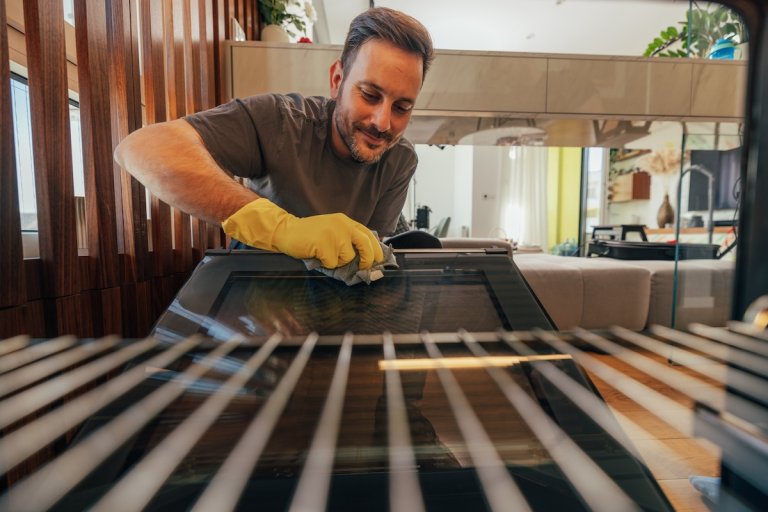
Credit: www.bobvila.com
Expert Tips
Keeping kitchen cabinet doors clean is essential for a tidy kitchen. Expert tips can make this task easier and more effective. These tips help maintain the beauty and function of your cabinets. Let’s explore key insights from professionals.
Frequency Of Cleaning
Regular cleaning prevents dirt buildup on cabinet doors. Wipe cabinet doors weekly with a damp cloth. For a deeper clean, consider monthly or bi-monthly cleaning sessions. This schedule keeps cabinets looking fresh without extra effort.
Professional Advice
Experts recommend using mild detergents for cleaning. Harsh chemicals can damage the cabinet finish. Mix a few drops of dish soap with warm water. Use a soft cloth to wipe the doors gently. Dry the surface with a clean towel to avoid water stains.
For greasy spots, use a solution of vinegar and water. Apply it with a spray bottle, then wipe with a microfiber cloth. This method effectively cuts through grease without harming the surface.

Credit: www.hgtv.com
Frequently Asked Questions
How Do You Clean Kitchen Cabinets Without Removing The Finish?
Use a mild dish soap with warm water to clean cabinets. Gently wipe with a soft cloth, then dry. Avoid abrasive cleaners to protect the finish. Regularly dust and spot clean to maintain shine. Ensure proper ventilation during cleaning for safety.
Can I Use Dawn Dish Soap To Clean Wood Cabinets?
Yes, Dawn dish soap can clean wood cabinets effectively. Mix a few drops with warm water. Apply gently using a soft cloth. Avoid soaking the wood to prevent damage. Rinse and dry thoroughly after cleaning. Always test on a small area first to ensure compatibility with your cabinet finish.
What Not To Use To Clean Kitchen Cabinets?
Avoid using harsh chemicals or abrasive cleaners on kitchen cabinets. They can damage the finish and surface. Skip steel wool or scouring pads to prevent scratches. Do not use excessive water, as it can cause warping. Stick to mild detergents and soft cloths for safe cleaning.
Is Murphy Oil Soap Good For Kitchen Cabinets?
Murphy Oil Soap is excellent for cleaning kitchen cabinets. It safely removes grease and grime without damaging wood. Always follow instructions for best results. Regular use keeps cabinets looking fresh and well-maintained.
Conclusion
Keep your kitchen cabinets looking fresh with these simple steps. Regular cleaning prevents grime buildup. Use gentle cleaners and soft cloths. Avoid harsh chemicals that can damage surfaces. Test a small area first to ensure safety. Maintain a consistent cleaning routine for best results.
Clean spills immediately to prevent stains. Remember, well-maintained cabinets enhance your kitchen’s appearance. With these tips, your cabinets will stay beautiful. Enjoy a clean and welcoming kitchen every day. Happy cleaning!
