
Is your kitchen drain slow or smelly? It’s a common problem that can quickly turn into a big headache.
You want a clean, fresh-smelling sink without harsh chemicals or expensive tools. What if you could fix it yourself with simple steps that really work? You’ll discover the best way to clean your kitchen drain effectively and keep it clog-free for good.
Keep reading to learn easy tips that save you time, money, and frustration. Your kitchen will thank you!

Credit: www.aol.com
Common Causes Of Drain Clogs
Kitchen drains clog for several common reasons. Understanding these causes helps prevent blockages and keeps drains flowing smoothly. Everyday kitchen waste often contributes to buildup in pipes. Identifying what clogs your drain is the first step to effective cleaning.
Food Particles And Grease
Small bits of food can stick to drain walls. Over time, these particles form thick clumps. Grease is a major culprit. It coats pipe interiors and traps debris. Once hardened, grease blocks water flow easily. Avoid pouring hot grease down the drain to reduce buildup.
Soap Scum And Residue
Soap mixes with minerals in water to create scum. This sticky layer clings inside pipes. It narrows the drain space, slowing water movement. Soap scum also attracts dirt and grime. Regular cleaning prevents thick deposits from forming.
Hair And Debris
Hair strands often find their way into kitchen drains. They tangle with other debris like food scraps. This creates dense knots that block pipes. Debris accumulation reduces drainage speed. Removing hair and debris regularly keeps drains clear.
Credit: cleanzen.com
Tools For Effective Drain Cleaning
Cleaning your kitchen drain effectively relies heavily on having the right tools at hand. Each tool serves a specific purpose, whether it’s loosening stubborn clogs or breaking down grease buildup. Knowing which tool to use can save you time, effort, and potential plumbing costs.
Plungers And Drain Snakes
Plungers are a classic tool that many keep under the sink, but not everyone uses them correctly. They create pressure to push or pull clogs free, especially when dealing with minor blockages. If a plunger doesn’t do the job, a drain snake can reach deeper.
Drain snakes, or augers, are long, flexible tools that physically break up or pull out debris. They come in manual and powered versions. Using a drain snake might feel intimidating at first, but it’s incredibly effective once you get the hang of it. Have you ever struggled to clear a clog and wished you had a better tool?
Natural Cleaners And Chemicals
Some prefer natural cleaners to avoid harsh chemicals, which can damage pipes over time. Enzyme-based cleaners use bacteria to eat away organic matter like grease and food waste. These take longer to work but are safer for your plumbing and the environment.
Alternatively, chemical drain cleaners offer quick results but should be used sparingly. They contain powerful agents that dissolve clogs fast but can corrode pipes if overused. Always read labels carefully and consider if the speed is worth the potential risk to your plumbing.
Homemade Cleaning Solutions
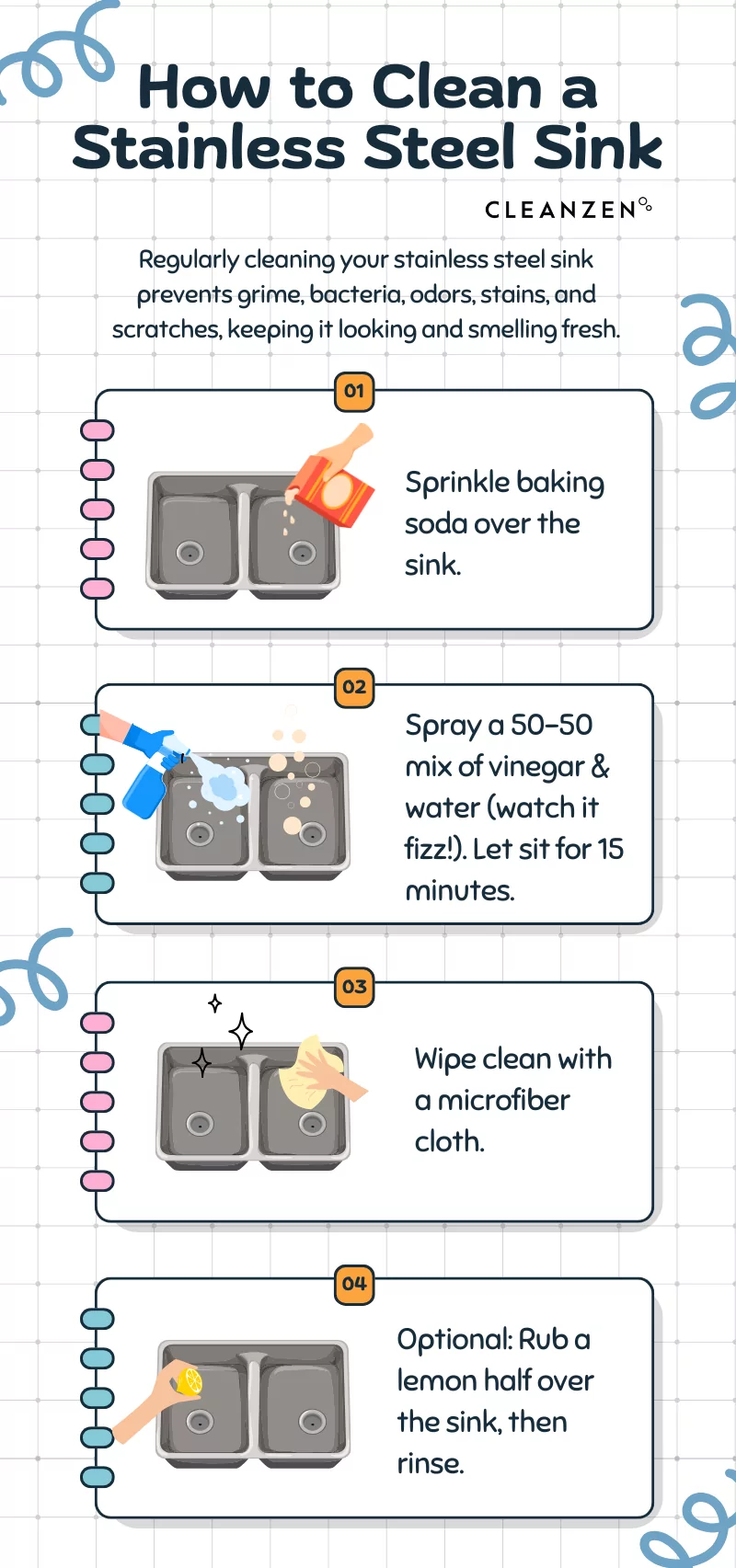
You don’t always need to buy expensive products for your kitchen drain. Common household items like baking soda, vinegar, and hot water can work wonders. Pouring a mix of baking soda followed by vinegar creates a fizzing reaction that helps break down grime.
After the fizz settles, flush your drain with boiling water to clear loosened debris. This simple trick has worked for many, including myself, especially when the clog isn’t too severe. Do you keep these ingredients handy for unexpected drain issues?
Step-by-step Cleaning Process
Cleaning your kitchen drain keeps water flowing smoothly and prevents odors. A clear drain stops clogs and keeps your kitchen fresh. Follow these simple steps for effective cleaning.
Preparing The Drain
Start by removing visible debris from the drain opening. Use gloves to protect your hands. Clear out any food scraps or grease buildup. Pour hot water down the drain to loosen grime. This step makes cleaning easier and more effective.
Applying Cleaning Methods
Choose a safe cleaning method to break down grease and dirt. Baking soda and vinegar work well together. Pour half a cup of baking soda into the drain. Follow with half a cup of vinegar. Let the mixture bubble and sit for 15 minutes. For tough clogs, use a plunger or a drain snake gently. Avoid harsh chemicals that can damage pipes.
Flushing And Maintaining Flow
Flush the drain with boiling water to clear loosened debris. Repeat hot water flushing every week to maintain flow. Avoid pouring grease or large food pieces down the drain. Use a drain strainer to catch particles. Regular maintenance keeps your drain clean and clog-free.
Preventive Measures To Avoid Clogs
Preventing kitchen drain clogs saves time and avoids costly repairs. Small habits keep drains clear and water flowing smoothly. Simple actions in daily kitchen use prevent buildup and blockages. Focus on waste handling, regular care, and protective tools. These steps create a cleaner, more efficient kitchen drain system.
Proper Waste Disposal
Dispose of food scraps in the trash, not the drain. Avoid pouring grease or oil down the sink. Use a container to collect cooking fats and throw them away. Large particles can clog pipes quickly. Scrape plates into the bin before washing.
Regular Maintenance Tips
Flush drains weekly with hot water to clear grease. Use baking soda and vinegar to break down minor buildup. Avoid harsh chemicals that damage pipes. Check drains for slow flow and address issues early. Clean around the drain opening to prevent dirt buildup.
Using Drain Screens
Install drain screens to catch food and debris. Clean screens daily to maintain proper water flow. Screens stop particles from entering pipes and causing clogs. Choose fine mesh screens for better protection. Easy to remove and wash for regular upkeep.
When To Call A Professional
Knowing when to call a professional for your kitchen drain can save you time, money, and a lot of frustration. Some blockages are simple enough to fix with DIY methods, but others require specialized tools and expertise. Ignoring serious signs can lead to bigger problems, so it’s important to recognize when help is needed.
Signs Of Serious Blockages
Is your kitchen sink draining slower than usual despite trying homemade solutions? Persistent foul odors or gurgling sounds from the drain are warning signs. Water backing up into the sink or even flooding around the base indicates a deeper issue.
Another clear sign is multiple drains clogging at once. This could mean there’s a blockage in the main sewer line. If you notice any of these symptoms, it’s time to stop experimenting and bring in a professional.
Benefits Of Professional Services
Professionals have the right tools to handle tough clogs without damaging your pipes. They can perform a thorough inspection using cameras to pinpoint the exact problem area. This precision helps avoid unnecessary repairs and saves you money in the long run.
Additionally, experts can advise on preventing future blockages. Their experience means they know which cleaning products and habits work best for your specific plumbing system. Imagine never having to deal with that stubborn clog again—wouldn’t that be worth a call?

Credit: katieskottage.com
Frequently Asked Questions
How Do You Clean A Clogged Kitchen Drain Naturally?
To clean a clogged kitchen drain naturally, use baking soda and vinegar. Pour half a cup of baking soda, then half a cup of vinegar. Let it fizz for 15 minutes, then flush with hot water. This method removes buildup and odors effectively.
What Household Items Clear Kitchen Drain Blockages?
Common household items like baking soda, vinegar, and hot water clear kitchen drain blockages. Baking soda loosens debris, vinegar dissolves grime, and hot water flushes the drain. These items are safe, eco-friendly, and affordable for regular drain maintenance.
How Often Should I Clean My Kitchen Drain?
Clean your kitchen drain once a month to prevent clogs. Regular cleaning removes grease and food particles that cause blockages. Monthly maintenance ensures smooth drainage and reduces foul odors, keeping your kitchen hygienic and functional.
Can Boiling Water Unclog Kitchen Drains Effectively?
Yes, boiling water can unclog kitchen drains by melting grease buildup. Pour boiling water slowly down the drain in stages. This method is simple and safe but works best for minor clogs and regular maintenance.
Conclusion
Cleaning your kitchen drain keeps your home fresh and safe. Use simple ingredients like baking soda and vinegar to clear clogs. Regular cleaning stops bad smells and slow drainage. Avoid harsh chemicals to protect your pipes and family. Small steps can save you time and money later.
Keep your kitchen drain clean and working well every day. A little effort goes a long way.
