
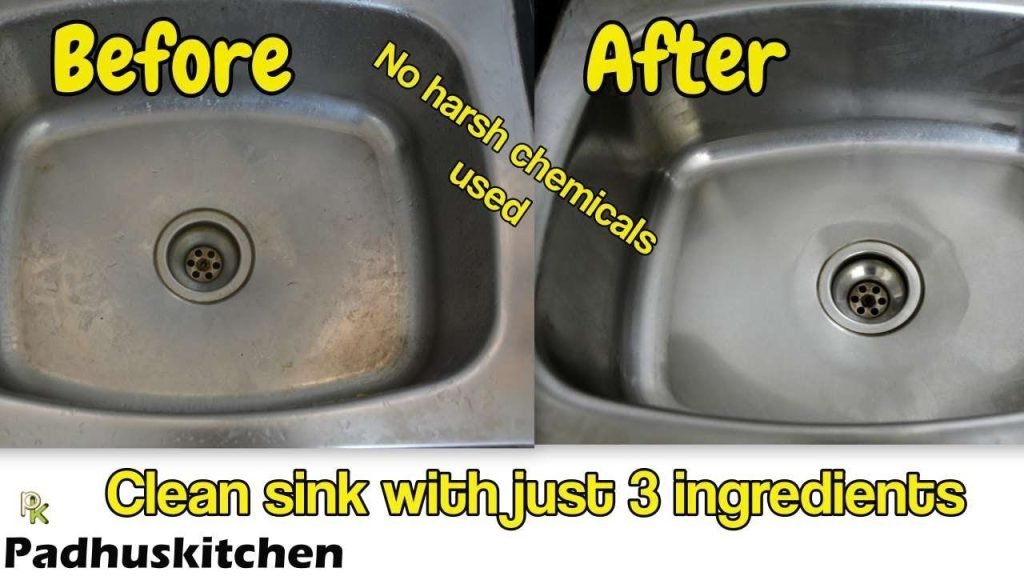
A sparkling stainless steel sink can be the crowning jewel in your kitchen. Yet, keeping it that way can sometimes feel like a never-ending battle.
You might find yourself frustrated with water spots, fingerprints, and mysterious stains that seem to appear out of nowhere. If you’re tired of using endless products that promise results but never deliver, you’re in the right place. Discover the best way to clean your stainless steel sink, ensuring it looks as pristine as the day it was installed.
Dive into this guide and learn simple, effective techniques to maintain a spotless sink, making your kitchen a more inviting place. Your sink deserves to shine, and with the right approach, you’ll achieve just that. So, are you ready to transform your cleaning routine and see that gleaming reflection once again?

Credit: www.youtube.com
Materials Needed
Gather dish soap, baking soda, white vinegar, a soft sponge, and a microfiber cloth. These materials ensure a shiny, clean stainless steel sink.
Cleaning your stainless steel sink can sometimes feel like a daunting task, but with the right materials, it becomes a breeze. The secret lies in having the correct tools at your disposal. Armed with these materials, you can achieve a sparkling sink that looks as good as new.1. Microfiber Cloth
A microfiber cloth is your best friend when it comes to cleaning stainless steel. It effectively picks up dirt and grime without scratching the surface. Unlike regular cloths, it doesn’t leave lint behind, ensuring a spotless finish.2. Mild Dish Soap
Mild dish soap is gentle yet effective for removing food residue and grease. A few drops mixed with warm water are all you need. It’s safe for your sink and the environment.3. Baking Soda
Baking soda acts as a gentle abrasive that helps tackle stubborn stains. It’s perfect for scrubbing without damaging the stainless steel. Try sprinkling some on a damp cloth for best results.4. White Vinegar
White vinegar is excellent for breaking down mineral deposits and sanitizing your sink. It’s natural, safe, and leaves your sink smelling fresh. Combine it with baking soda for a powerful cleaning duo.5. Soft Sponge Or Brush
A soft sponge or brush allows you to scrub without scratching. It can reach into crevices and corners where dirt tends to hide. Make sure it’s non-abrasive to protect your sink’s finish.6. Olive Oil
Olive oil isn’t just for cooking; it’s also great for polishing your sink. It provides a protective layer that enhances shine. Just a few drops on a cloth can make your sink gleam.7. Spray Bottle
A spray bottle is handy for applying vinegar evenly over your sink. It ensures you don’t use too much liquid, which can lead to water spots. You’ll find it’s a simple tool that makes a big difference. Once you have gathered these materials, you’re ready to tackle even the most stubborn grime. Have you ever noticed how a clean sink can instantly uplift your kitchen’s appearance? Give it a try and see for yourself.
Credit: www.homedit.com
Daily Maintenance
Sparkle your stainless steel sink effortlessly. Mix warm water and mild dish soap, then scrub with a soft cloth. Rinse thoroughly and dry with a clean towel to prevent water spots.
Maintaining the shine and cleanliness of your stainless steel sink can feel like an endless chore. But with a simple daily routine, you can keep it looking brand new without much hassle. The secret lies in consistency and using the right techniques. Whether you’re dealing with water spots or fingerprints, a little effort each day goes a long way in preserving the sleek look of your sink.Clean After Each Use
Every time you use your sink, take a moment to rinse it thoroughly. Remove food particles and soap residue to prevent buildup. Use warm water for rinsing; it’s more effective at dissolving soap scum and residue.Wipe Dry
After rinsing, dry the sink with a clean microfiber cloth. This step is crucial to avoid water spots and streaks. A dry sink also helps prevent the growth of bacteria and mold.Use Mild Soap
Opt for a mild dish soap to clean your sink daily. Harsh cleaners can damage the finish over time. Mix a small amount of soap with water and gently scrub the sink using a soft sponge.Avoid Abrasive Tools
Steer clear of abrasive scrubbers and steel wool. These can scratch the surface and dull the finish. Instead, use soft cloths or sponges. Have you ever noticed tiny scratches on your sink? They could be from using the wrong cleaning tool.Inspect For Stains
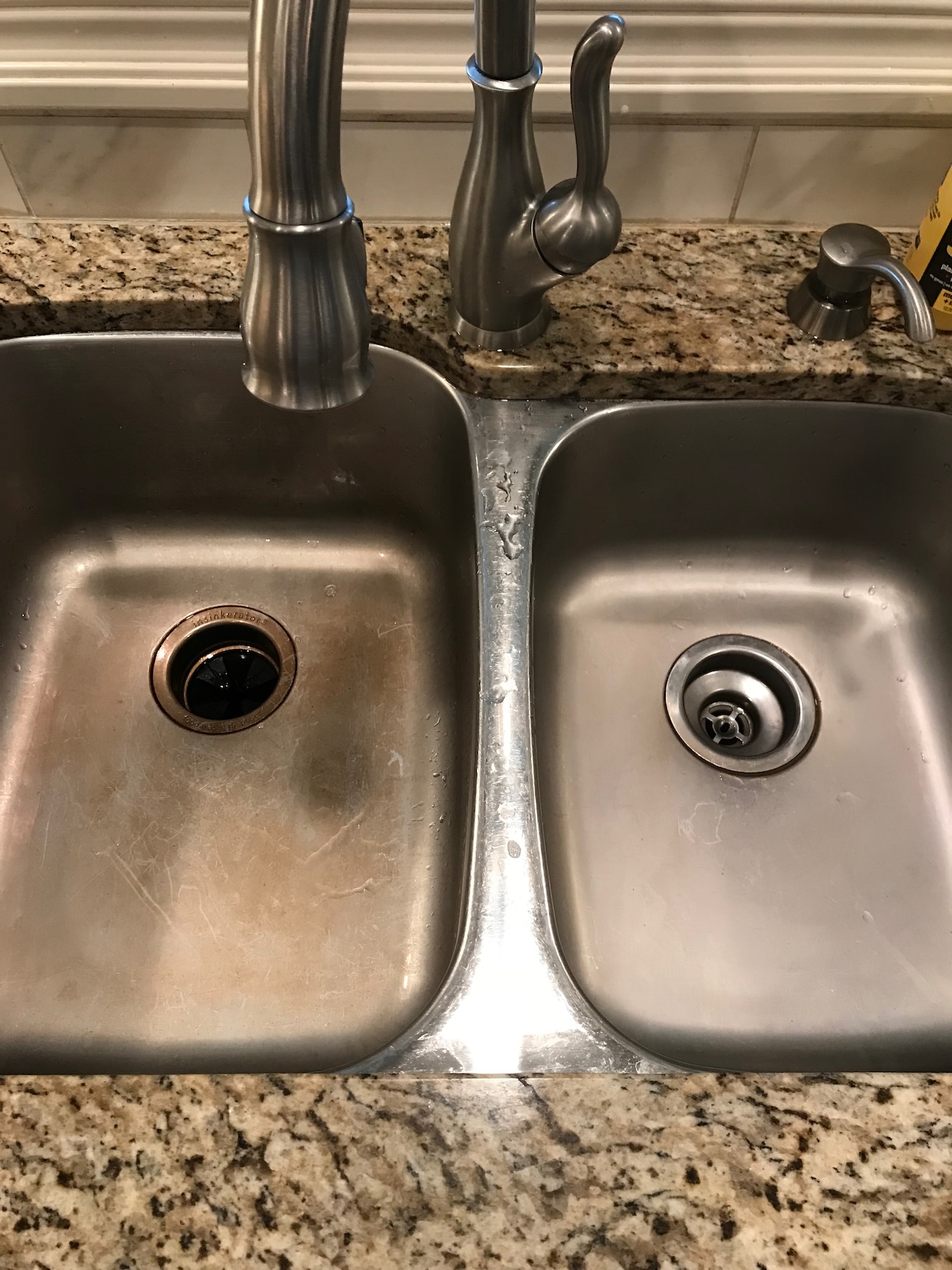
Look for stains or spots as you clean. Address them promptly to prevent permanent marks. You might find mineral deposits or rust spots. A quick scrub with baking soda can often do the trick.Consider Your Water Quality
Hard water can lead to mineral buildup and stains. If you notice excessive spotting, it might be worth checking your water quality. Would a water softener make a difference in your cleaning routine?Final Touch With Olive Oil
Once a week, add a little shine with olive oil. Just a few drops on a soft cloth can make your sink gleam. This step also creates a protective layer against fingerprints. Daily maintenance of your stainless steel sink doesn’t have to be a headache. With these simple steps, you’ll keep it looking fresh and elegant. How do you maintain your sink daily? Could this routine make your life easier?Removing Stains And Spots
Stainless steel sinks are popular for their sleek look. But, keeping them spot-free can be tricky. Stains and spots can dull their shine. Regular cleaning isn’t enough. You need to use the right methods to keep your sink sparkling. Here, we explore effective ways to remove those pesky spots.
Using Baking Soda
Baking soda is a great cleaner. It’s gentle but effective. First, wet the sink with water. Then, sprinkle baking soda over the surface. Use a soft cloth to scrub the sink. Focus on stained areas. The mild abrasive action of baking soda removes spots. Rinse the sink with water. Pat it dry with a soft towel. This method restores shine and removes stains.
Vinegar Solution
Vinegar is another excellent cleaner. It cuts through grime and spots. Mix equal parts of vinegar and water. Pour the solution into a spray bottle. Spray the sink thoroughly. Let it sit for a few minutes. The vinegar will break down stains. Wipe the sink with a clean cloth. Rinse with warm water. Dry the sink with a towel. This process keeps your stainless steel sink spotless.
Tackling Rust
Rust can be an eyesore on a stainless steel sink. It often appears due to moisture or iron particles. Addressing rust promptly prevents it from spreading. Luckily, simple methods can restore your sink’s shine. Let’s explore two effective approaches.
Lemon Juice Treatment
Lemon juice is a natural rust remover. It’s acidic, which helps break down rust. Begin by cutting a lemon in half. Squeeze the juice directly onto the rust spot. Let it sit for at least 10 minutes. The acidity will start to dissolve the rust. Use a soft cloth to scrub the area gently. Rinse with warm water and dry the sink with a towel. This process can be repeated for stubborn rust.
Commercial Rust Removers
Commercial rust removers are readily available in stores. They offer a quick solution for rust removal. Choose a product safe for stainless steel. Follow the instructions on the label carefully. Usually, apply the remover to the rusted area. Let it sit for the recommended time. Use a soft brush to scrub the rust away. Rinse thoroughly and dry the sink to prevent future rust. These products can save time and effort.
Polishing Techniques
Stainless steel sinks are a staple in modern kitchens. They offer durability and a sleek look. Yet, maintaining their shine can be a challenge. Polishing is key to keeping them looking new. It removes streaks and fingerprints, enhancing the overall appearance. Discover some effective polishing techniques to keep your sink gleaming.
Using Olive Oil
Olive oil is a natural polish for stainless steel. It is gentle yet effective. Pour a small amount on a soft cloth. Rub it onto the sink in circular motions. This adds shine and removes smudges. Olive oil also helps prevent water spots. It leaves a protective layer. Wipe the sink with a dry cloth for a smooth finish.
Commercial Polish Options
Commercial polishes offer a quick solution. These products are designed for stainless steel. They are easy to use and deliver professional results. Read the label before purchasing to ensure compatibility. Apply the polish with a clean cloth. Follow the manufacturer’s instructions for best results. This option is perfect for busy kitchens. It provides a long-lasting shine with minimal effort.
Credit: lifelovelarson.com
Preventative Measures
Keeping your stainless steel sink spotless involves regular cleaning with mild soap and water. Dry it with a soft cloth to prevent water spots. For tougher stains, a paste of baking soda and water works wonders.
Preventative measures keep your stainless steel sink shining. They reduce the need for deep cleaning. With simple habits, you can avoid common damage. This ensures your sink remains beautiful and functional.Avoiding Scratches
Scratches can mar the surface of your stainless steel sink. Use a gentle cloth for daily cleaning. Avoid steel wool or harsh scrubbers. These can cause lasting marks. Opt for soft sponges or microfiber cloths instead. They clean effectively without damage. Rinse your sink after each use. This prevents residue buildup which can scratch over time.Proper Drain Cleaning
A clean drain is vital for sink maintenance. Food particles can cause clogs and stains. Use a mild cleaner or baking soda regularly. Pour it down the drain with warm water. This helps dissolve debris naturally. A drain cover can trap larger food particles. Empty it after each use to keep your drain clear.Frequently Asked Questions
What Is The Best Thing To Clean A Stainless Steel Sink With?
Use baking soda and vinegar to clean a stainless steel sink. Sprinkle baking soda, scrub gently, and rinse with vinegar. Dry with a microfiber cloth for shine.
How Can I Make My Stainless Steel Sink Look New Again?
Clean with baking soda and water paste. Rinse thoroughly. Use vinegar to remove water spots. Buff with olive oil for shine.
Can You Use Mr. Clean Magic Eraser On A Stainless Steel Sink?
Yes, you can use Mr. Clean Magic Eraser on a stainless steel sink. Use gentle pressure to avoid scratches. Test on a small area first to ensure no damage. Magic Eraser effectively removes stains and grime, keeping your sink shiny and clean.
What Should You Not Use To Clean A Stainless Steel Sink?
Avoid using abrasive cleaners, steel wool, or bleach on a stainless steel sink. These can scratch or damage the surface. Opt for mild dish soap and a soft cloth for cleaning. Regular maintenance preserves the sink’s shine and durability, ensuring it remains functional and visually appealing.
Conclusion
A clean stainless steel sink looks great and lasts longer. Regular cleaning stops stains and keeps it shiny. Use gentle cleaners to avoid scratches. Clean the sink after each use for best results. Dry it well to prevent water spots.
Baking soda and vinegar make good cleaners. They are safe and effective. Clean with a soft cloth for a polished look. Keep your sink clean, and your kitchen shines. Enjoy cooking and cleaning in a fresh space. A clean sink means a happy kitchen.
Follow these tips and keep your sink spotless.
