
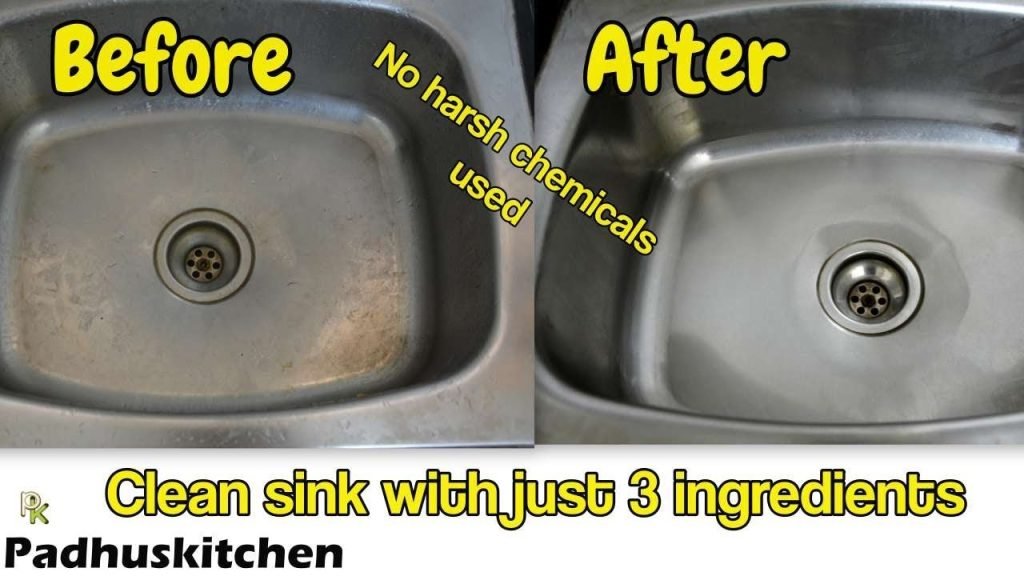
Are you tired of your stainless steel sink looking dull and lackluster? You might be wondering if there’s a secret to keeping that sleek, shiny finish that makes your kitchen sparkle.
Imagine the satisfaction of seeing your reflection in your sink, free from streaks and stains. The good news is, achieving that pristine look is easier than you think. In this guide, you’ll uncover the best way to clean stainless steel sinks using simple techniques and everyday products you likely already have at home.
Stick around, because once you discover these tips, you’ll never look at cleaning your sink the same way again. Your kitchen deserves that professional shine, and so do you.
Credit: lifelovelarson.com
Materials Needed
Gathering the right materials ensures efficient cleaning. Essential items include mild dish soap, baking soda, and a soft sponge. Microfiber cloths and white vinegar help achieve a spotless shine.
Cleaning your stainless steel sink can be a rewarding experience, leaving your kitchen looking fresh and spotless. But before you dive into the task, having the right materials is crucial. With the proper tools, the process becomes straightforward and efficient, and you’ll achieve that gleaming finish you desire. So, what do you need to get started?Basic Cleaning Supplies
Every successful cleaning starts with a few basic supplies. Grab a soft sponge or microfiber cloth to avoid scratching your sink. Mild dish soap is perfect for removing everyday grime and grease. Baking soda works wonders for tougher stains and adds a gentle abrasive touch. Do you have these at hand?Advanced Cleaning Agents
Sometimes, basic supplies aren’t enough for stubborn spots. White vinegar is a fantastic natural cleaner that tackles water spots effortlessly. For an added shine, consider using olive oil or baby oil. Just a few drops on a cloth can make your sink sparkle. It’s like magic!Protective Gear
Safety first! If you’re using stronger agents or prefer not to get your hands wet, rubber gloves are your best friend. They protect your skin and make the job more comfortable. Plus, they give you that professional cleaner vibe. Are you ready to suit up?Optional Tools
If you want to go the extra mile, a toothbrush can help scrub hard-to-reach areas. A buffing cloth or polishing pad can enhance the shine even more. These tools aren’t necessary but can make a noticeable difference. Ever tried using them?Organizing Your Materials
Once you have all your materials gathered, organizing them can save you time and effort. Consider placing them in a small basket or tray. This way, everything is within reach, making the cleaning process smoother. How do you usually organize your cleaning supplies? With the right materials, cleaning your stainless steel sink can be a breeze. Your kitchen deserves that extra touch of sparkle, and you’re equipped to deliver it!Daily Maintenance
Stainless steel sinks add elegance and functionality to any kitchen. Keeping them clean daily ensures they remain shiny and free from stains. Daily maintenance is essential to maintain the sink’s beauty and longevity. Follow these simple tips to keep your stainless steel sink in top condition.
Rinse And Dry The Sink
After each use, rinse the sink with warm water. This helps remove food particles and soap residue. Use a soft cloth to dry the sink completely. This prevents water spots and mineral deposits. Make it a habit for a spotless sink.
Use A Mild Detergent
Choose a gentle dish soap for cleaning. Apply a small amount to a soft sponge. Gently scrub the sink in circular motions. Avoid harsh chemicals that can damage the surface. Rinse thoroughly to remove soap and dirt.
Wipe With Baking Soda
Baking soda is a natural cleaner. Sprinkle a little over the wet sink. Use a soft sponge to scrub gently. It helps remove tough stains and odors. Rinse well to reveal a fresh, clean surface.
Avoid Abrasive Cleaners
Never use steel wool or abrasive pads. They can scratch the sink’s surface. Always opt for soft materials to clean. This protects the stainless steel finish. Your sink will look new for longer.
Polish With Olive Oil
For added shine, use olive oil. Apply a few drops to a soft cloth. Rub the sink gently in the direction of the grain. This gives the sink a polished, gleaming look. It also helps protect against fingerprints and smudges.
Deep Cleaning Techniques
Stainless steel sinks are popular in many homes. They look sleek and modern. Yet, they can get dirty fast. Grime, water spots, and stains can build up. Regular cleaning keeps them shiny. Sometimes, they need more than a simple wipe. Deep cleaning techniques can help.
Using Baking Soda And Vinegar
Baking soda is a gentle scrub for sinks. Sprinkle it on the surface. Use a soft cloth to rub it in. This helps remove stains without scratching. Next, pour vinegar over the baking soda. It will fizz. This fizzing breaks down dirt. Rinse with water. Dry with a clean towel. The sink should shine.
Applying Lemon Juice And Salt
Lemons offer natural cleaning power. Cut a lemon in half. Dip it in salt. Rub the lemon over the sink. The salt scrubs, while lemon juice cleans. This method also gives a fresh smell. Rinse the sink well. Use a dry cloth to wipe away moisture. Your sink will gleam again.
Commercial Cleaners
Sometimes, store-bought cleaners are best. They are made for tough jobs. Choose a cleaner for stainless steel. Follow the product instructions. Apply the cleaner with a soft cloth. Rinse the sink well. Make sure no cleaner remains. Dry with a towel for a streak-free finish. These products can save time.
Removing Stains And Spots
Stainless steel sinks are a staple in modern kitchens, offering durability and a sleek aesthetic. However, they can often fall victim to unsightly stains and spots that detract from their shiny appearance. Whether it’s water spots, rust stains, or grease buildup, tackling these issues is essential to keep your sink looking pristine. Let’s dive into the best ways to effectively remove these blemishes.
Dealing With Water Spots
Water spots are a common nuisance on stainless steel sinks. They often appear when hard water dries on the surface, leaving mineral deposits behind. A simple solution involves mixing equal parts of white vinegar and water. Spray the mixture onto the spots and wipe with a microfiber cloth. The vinegar helps dissolve the minerals, revealing a shiny surface.
Have you ever found yourself scrubbing tirelessly to no avail? Try using lemon juice. The acidity in lemon juice is powerful enough to break down stubborn water spots. Apply it directly, let it sit for a few minutes, and then rinse thoroughly.
Handling Rust Stains
Rust stains may seem alarming, but they’re not permanent. They can occur due to prolonged exposure to moisture or contact with other rusted items. A paste made from baking soda and water can work wonders. Apply it to the rust spots, let it sit for half an hour, and scrub gently with a soft brush.
Why not try a potato trick? Cut a potato in half, dip it in dish soap, and rub it over the rust stain. The natural oxalic acid in potatoes helps lift the rust without scratching the surface.
Tackling Grease Buildup
Grease can build up over time, especially if you frequently cook fatty foods. A mild dish soap mixed with warm water can cut through grease efficiently. Use a soft sponge to scrub the surface gently, ensuring not to scratch the steel.
Consider using club soda for extra shine. Pour some onto the greasy areas, then wipe with a clean cloth. The carbonation helps lift grease particles, leaving your sink gleaming.
Do these tips resonate with your cleaning struggles? Imagine how satisfying it will be to see your sink sparkle again. Regular maintenance and these simple techniques can keep your stainless steel sink in top condition, ready to wow your guests. Happy cleaning!
Polishing For Shine
Your stainless steel sink might be the hardworking star of your kitchen, but it deserves its time to shine. Polishing not only elevates its look but also boosts its longevity. Imagine walking into your kitchen and being greeted by a brilliantly gleaming sink. Wouldn’t that be a treat? Let’s dive into some simple yet effective methods to achieve this shine.
Using Olive Oil
Olive oil isn’t just for cooking. It’s a nifty trick for polishing your stainless steel sink. Grab a paper towel, and pour a small amount of olive oil onto it. Gently rub the oil over the sink’s surface. You’ll notice the shine slowly coming back to life.
Why olive oil? It’s a natural option without harsh chemicals. Plus, it’s easy on the wallet. If you’ve ever dealt with a dull sink, you know the frustration. Olive oil offers a quick fix without fuss.
Microfiber Cloth Technique
The right cloth can make all the difference. Microfiber cloths are your best friends when it comes to polishing. They’re soft, absorbent, and don’t leave pesky lint behind. Use a clean microfiber cloth to buff the olive oil into the sink.
Rub in circular motions, focusing on areas that need extra love. Have you ever tried wiping a sink and ended up with streaks? These cloths minimize that risk. They help spread the oil evenly and enhance the sink’s shine.
Polishing might seem like an extra step, but the results are worth it. Your sink will not only look cleaner but also feel smoother. Ever wondered what small changes can make a big difference in your kitchen’s ambiance?
Give these techniques a try and see the transformation for yourself. You might be surprised by how a little polish can turn your sink into a showstopper.

Credit: www.youtube.com
Preventative Measures
Cleaning stainless steel sinks effectively involves using warm water, mild soap, and a soft cloth. Dry thoroughly to prevent water spots. Regular cleaning keeps surfaces shiny and prevents scratches.
Keeping your stainless steel sink looking pristine doesn’t just involve cleaning up the mess. It starts with prevention. Simple habits can save you time and maintain that sleek shine. Let’s dive into some easy preventative measures to keep your sink gleaming and scratch-free.Avoiding Abrasive Materials
The urge to scrub away stubborn grime is real, but not all cleaning tools are created equal. Abrasive materials, such as steel wool or rough sponges, can leave unsightly scratches on your stainless steel sink. Instead, opt for soft cloths or non-abrasive sponges. Your sink will thank you for this gentle approach. Once, I used a gritty scrubber on my sink and regretted it immediately. The scratches were a constant reminder to treat the surface with care. Have you ever made a similar mistake? It taught me the value of choosing the right tools.Rinsing And Drying Regularly
Water spots and mineral deposits can dull the shine of your sink. Rinsing your sink after each use can prevent these pesky marks from forming. Make it a habit to dry your sink with a soft towel after rinsing. This simple step keeps your sink spotless and prevents water spots from setting in. Imagine rinsing your sink every time you wash your hands or dishes. It takes seconds, but the long-term benefits are immense. Have you considered how this small action could transform your cleaning routine? It’s an easy habit that makes a big difference. By focusing on these preventative measures, you ensure your stainless steel sink remains a centerpiece of your kitchen. What habits will you start today to maintain its shine?Expert Tips And Tricks
Keeping a stainless steel sink looking shiny can be challenging. Experts have some great tips to help with this task. Using the right techniques can prevent scratches and stains. Let’s explore these expert tips and tricks for a spotless sink.
Use The Right Cleaning Tools
Soft sponges work best for cleaning stainless steel. Avoid using steel wool or abrasive pads. They can scratch the surface of your sink. Microfiber cloths are also a great choice. They polish the steel without leaving streaks.
Choose The Correct Cleaning Products
Mild dish soap is gentle yet effective for cleaning. Mix it with warm water to create a soapy solution. Vinegar is another good option. It helps remove water spots and adds shine. Avoid harsh chemicals that may damage the finish.
Dry The Sink Thoroughly
Water spots can mar the beauty of stainless steel. After cleaning, rinse the sink with clean water. Then, use a dry cloth to wipe it down. This step helps prevent mineral deposits and keeps the sink shiny.
Polish With Olive Oil
Olive oil can bring back a sink’s shine. Put a small amount on a soft cloth. Rub it gently over the sink in circular motions. This method also helps to protect the surface from fingerprints.
Regular Maintenance
Regular cleaning prevents grime buildup. Wipe the sink daily with a damp cloth. Weekly deep cleaning keeps the sink in top condition. This routine ensures your sink always looks its best.
Credit: truemoneysaver.com
Frequently Asked Questions
What Is The Best Thing To Clean A Stainless Steel Sink With?
Use a mixture of baking soda and water to clean a stainless steel sink. Scrub gently with a sponge. Rinse with vinegar for shine. Dry with a clean cloth to prevent water spots. Avoid abrasive cleaners to maintain the sink’s finish.
How Can I Make My Stainless Steel Sink Look New Again?
Clean with baking soda and water paste, scrub gently with a soft cloth. Rinse thoroughly. Dry with a microfiber cloth for shine. Use olive oil to buff and polish. Avoid harsh chemicals to prevent damage. Regular cleaning helps maintain a new look.
What Should You Not Use To Clean A Stainless Steel Sink?
Avoid using bleach, steel wool, or abrasive cleaners on stainless steel sinks. They can cause scratches and discoloration. Use gentle cleaning agents like dish soap or vinegar for best results.
Can I Use Mr. Clean Magic Eraser On My Stainless Steel Sink?
Yes, you can use Mr. Clean Magic Eraser on your stainless steel sink. It effectively removes grime and stains. Always test on a small area first to ensure no damage. Make sure to follow with a rinse to prevent residue.
This cleaning method keeps your sink shiny and spotless.
Conclusion
Keeping your stainless steel sink clean is simple. Regular cleaning prevents stains. Use mild soap and water. Dry the sink after each use. This stops water spots. For stubborn marks, try baking soda. Rub gently with a soft cloth. Vinegar removes hard water spots.
It shines the steel beautifully. Avoid harsh chemicals. They can damage the finish. Always rinse the sink well. This removes any residue. A clean sink enhances your kitchen’s look. Maintaining it is easy with these steps. Your stainless steel will stay shiny and fresh.
Enjoy your spotless, beautiful sink every day!
