

Are your white kitchen cabinets looking dull or stained? You’re not alone.
Keeping white cabinets spotless can feel like a constant battle, especially with everyday spills and grime. But what if cleaning them didn’t have to be a chore? Imagine your kitchen shining bright again without hours of scrubbing or harsh chemicals.
You’ll discover the best way to clean white kitchen cabinets quickly and effectively, so you can enjoy a fresh, inviting space every day. Ready to bring back that crisp, clean look? Let’s get started!

Credit: www.cliqstudios.com
Choosing The Right Cleaning Supplies
Choosing the right cleaning supplies is key to keeping white kitchen cabinets bright. The wrong products can dull the finish or cause damage. Gentle yet effective cleaners work best to remove stains and grime without harming the paint or wood.
Using the proper tools makes the cleaning process faster and less tiring. Soft cloths and brushes reach all corners without scratching. Selecting safe cleaners and helpful tools ensures your cabinets look fresh and new for years.
Safe Cleaners For White Cabinets
- Mild dish soap mixed with warm water gently cleans surfaces.
- Baking soda paste removes tough stains without harsh chemicals.
- White vinegar diluted with water helps cut grease and grime.
- Commercial cleaners labeled safe for painted or wooden cabinets.
- Avoid bleach and ammonia as they can discolor or damage.
Tools That Make Cleaning Easier
- Soft microfiber cloths absorb dirt and protect surfaces.
- Non-abrasive sponges scrub without scratching paint or finish.
- Small brushes clean corners and detailed trim effectively.
- Spray bottles help apply cleaners evenly and reduce waste.
- Step stools provide safe access to upper cabinets.
Preparing Cabinets For Cleaning
Before you dive into scrubbing your white kitchen cabinets, it’s crucial to prepare them properly. Taking the right preparatory steps can make your cleaning more effective and protect your cabinets from damage. You might be surprised how much of a difference this groundwork makes in achieving that bright, fresh look.
Removing Surface Dust And Dirt
Start by wiping down the cabinet surfaces with a dry microfiber cloth to lift away loose dust and dirt. Avoid using a damp cloth at this stage because it can smear the dust and create a gritty layer. If you skip this step, you risk scratching the finish when you clean more thoroughly.
For stubborn spots, try a soft brush or a vacuum with a brush attachment to reach corners and edges. This small effort saves time and energy later. Have you noticed how dust tends to build up in crevices? Getting those areas first ensures a smoother cleaning process.
Protecting Hardware And Surrounding Areas
Hardware like knobs and hinges can trap grime, but they can also be damaged by harsh cleaners. Cover them with painter’s tape or remove them entirely if you want to clean thoroughly without risking damage. This step also prevents cleaner from seeping into areas where it might cause discoloration or rust.
Don’t forget to protect your countertops and floors as well. Lay down old towels or plastic sheets to catch drips and spills. Taking a few minutes to shield these areas keeps your kitchen clean and saves you from extra cleanup after the cabinets sparkle.
Effective Cleaning Techniques
Keeping your white kitchen cabinets spotless requires the right cleaning techniques that protect their finish while removing dirt effectively. The key is balancing gentle care with targeted action against tougher messes. Here are some practical ways to maintain that fresh, clean look day after day.
Gentle Wiping For Daily Maintenance
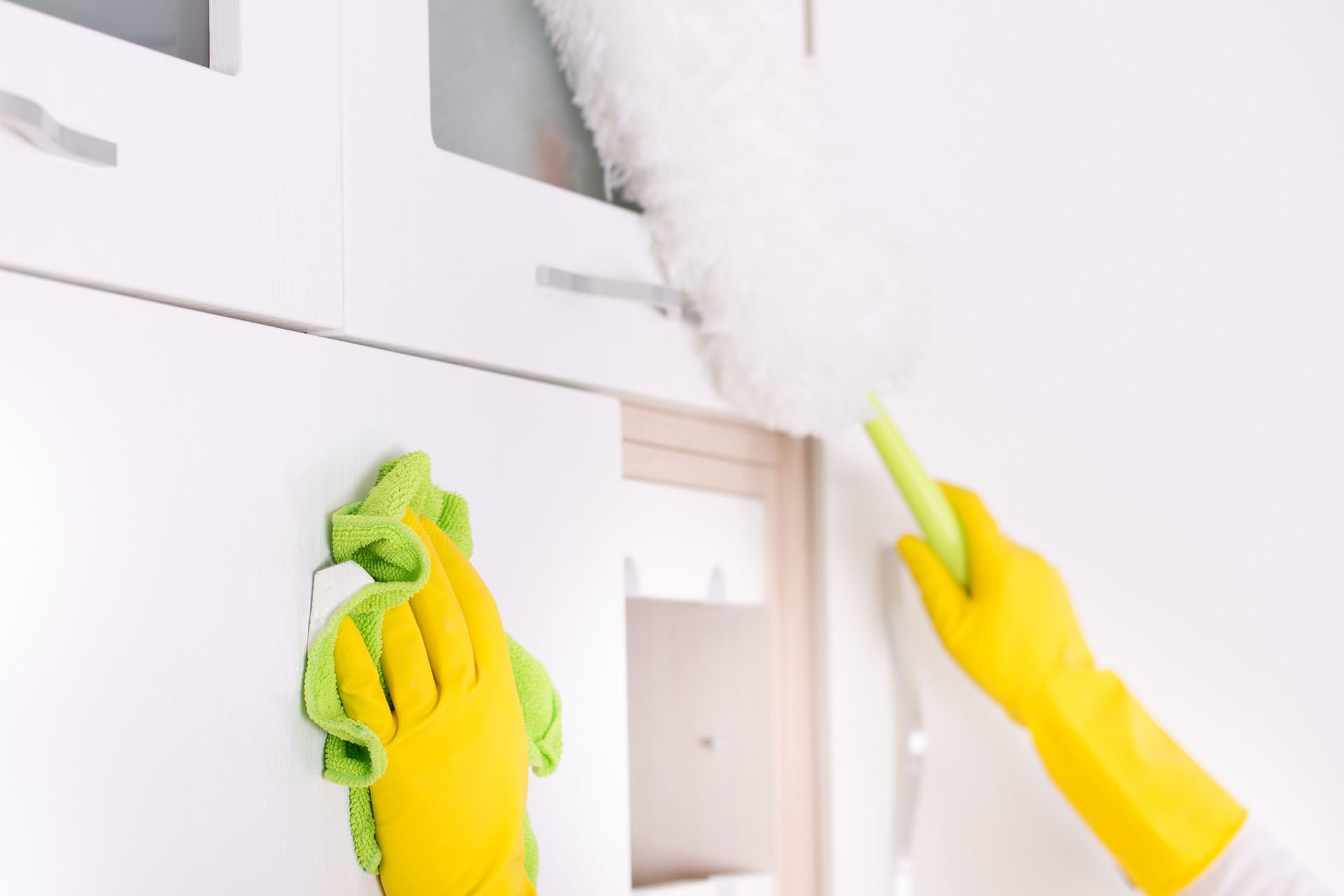
A simple microfiber cloth and warm water can work wonders for daily upkeep. Lightly dampen the cloth and wipe down cabinet surfaces to remove dust and light smudges.
This routine prevents dirt from settling in and becoming harder to clean later. Have you noticed how small daily efforts reduce big cleaning sessions?
Dealing With Stubborn Stains
For stubborn spots like marker stains or food spills, mix a few drops of mild dish soap with warm water. Apply the solution using a soft sponge, gently rubbing the stain in circular motions.
Never use abrasive scrubbers; they can damage the white finish. If stains persist, a paste of baking soda and water applied for a few minutes often lifts grime without harsh chemicals.
Cleaning Grease And Grime Build-up
Grease buildup needs a stronger approach but still gentle on your cabinets. Use a solution of equal parts vinegar and water in a spray bottle, spraying directly onto greasy areas.
Let it sit for a few minutes, then wipe with a microfiber cloth. Vinegar cuts through grease naturally without leaving residues that attract more dirt.
Try this next time your cooking splatters leave marks—doesn’t vinegar make cleanup surprisingly easy?
Credit: www.27estore.com
Natural Cleaning Alternatives
Natural cleaning alternatives offer a safe and gentle way to clean white kitchen cabinets. These options avoid harsh chemicals and keep your cabinets looking fresh. They use simple ingredients found in most homes. These methods also help maintain the cabinet’s finish and prevent damage.
Natural cleaners are eco-friendly and often cost less. They remove grease, dirt, and stains effectively. Plus, they leave a pleasant scent without artificial fragrances. Using natural solutions supports a healthier home environment.
Vinegar And Baking Soda Solutions
Vinegar is a powerful natural cleaner. It cuts through grease and grime easily. Mix equal parts water and white vinegar in a spray bottle. Spray the solution on your cabinets and let it sit for a few minutes. Then, wipe with a soft cloth.
For tougher stains, sprinkle baking soda on a damp sponge. Gently scrub the stained areas. Baking soda acts as a mild abrasive without scratching. After scrubbing, wipe the cabinets with the vinegar solution. Finally, dry with a clean towel to avoid streaks.
Lemon And Essential Oil Mixtures
Lemon juice brightens and cleans white surfaces naturally. Mix lemon juice with water in a spray bottle. Spray on cabinets and wipe with a soft cloth. The lemon scent freshens your kitchen.
Add a few drops of essential oils like tea tree or lavender. These oils boost cleaning power and add a pleasant aroma. This mixture removes grease and kills bacteria gently. Use it regularly to keep cabinets spotless and smelling fresh.
Preventing Future Stains And Damage
Keeping your white kitchen cabinets spotless requires more than just occasional cleaning. Preventing future stains and damage is key to preserving their bright, fresh look. Small habits and smart choices can save you from frequent deep cleans and costly repairs.
Regular Maintenance Tips
Wipe your cabinets gently after every cooking session. Use a soft cloth dampened with warm water and mild dish soap to remove spills before they set in.
Check cabinet surfaces weekly for any signs of grease buildup or small stains. Catching these early means easier cleaning and less chance of permanent marks.
Avoid harsh scrubbing tools that can scratch the paint or finish. Instead, use microfiber cloths or soft sponges to protect your cabinets’ surface.
Consider placing mats or liners inside your cabinets to catch crumbs and moisture. This small step can extend the life of your cabinet interiors significantly.
Protective Coatings And Finishes
Applying a clear, protective coating can shield your cabinets from stains and wear. Look for water-based polyurethane or acrylic finishes that are designed for kitchen use.
These coatings create a barrier that makes cleaning easier and reduces the risk of damage from moisture or grease. Have you ever noticed how a sealed surface wipes clean almost effortlessly?
Reapply the protective finish every couple of years to maintain its effectiveness. It’s a quick investment that saves you from repainting or refinishing later.
Also, avoid direct contact with harsh chemicals like bleach or abrasive cleaners, as they can break down the finish and expose the wood underneath.
When To Call A Professional
Knowing when to call a professional for cleaning your white kitchen cabinets can save you time, effort, and even prevent damage. Some issues go beyond regular cleaning and require expert attention to restore your cabinets’ shine and durability.
Signs Cabinets Need Expert Care
Are your white cabinets showing stubborn stains that won’t budge? Persistent discoloration, peeling paint, or water damage are clear signals you need professional help.
If you notice warped doors or loose hinges, it’s not just a cleaning problem—it’s a structural one. Professionals can assess deeper damage and recommend repairs or refinishing that DIY methods can’t handle.
Also, if harsh cleaning products have left your cabinets dull or scratched, experts have the right tools and products to safely restore their appearance.
Choosing A Reliable Cleaning Service
Look for a service that specializes in kitchen cabinetry to ensure they understand the materials and finishes involved. Ask about their cleaning methods and if they use eco-friendly products that won’t harm your cabinets.
Check reviews and ask for before-and-after photos from past customers. This gives you a realistic idea of what to expect.
Don’t hesitate to request a detailed quote that outlines all costs upfront. Transparent pricing and clear communication make the whole process smoother and stress-free.

Credit: vitaloxide.com
Frequently Asked Questions
What Is The Best Cleaner For White Kitchen Cabinets?
A gentle cleaner with mild soap and water works best. Avoid harsh chemicals that damage paint or finish. Use a soft cloth to prevent scratches. Regular cleaning keeps cabinets bright and fresh.
How Often Should I Clean White Kitchen Cabinets?
Clean your white cabinets weekly to prevent grease and dirt buildup. Wipe spills immediately to avoid stains. Regular maintenance preserves the cabinet’s appearance and extends its lifespan.
Can I Use Bleach To Clean White Cabinets?
Avoid bleach as it can discolor and damage cabinet surfaces. Use mild, non-abrasive cleaners instead. Bleach may cause yellowing or peeling paint over time.
How Do I Remove Grease From White Kitchen Cabinets?
Mix warm water with a few drops of dish soap. Use a soft sponge to gently scrub greasy areas. Rinse with clean water and dry with a cloth to avoid streaks.
Conclusion
Cleaning white kitchen cabinets keeps your kitchen bright and fresh. Use gentle cleaners and soft cloths to avoid damage. Regular wiping stops dirt and stains from building up. Small efforts now save you time later. A clean kitchen feels welcoming and looks beautiful.
Keep these tips in mind for lasting results. Your cabinets will stay white and shining longer. Simple steps make a big difference every day.
Hi, I’m Daniel Harper, a senior editor here at KitchenBucks.com. For over 10 years, I’ve been exploring kitchen gadgets and appliances to help people find tools that truly add value without breaking the bank. I love simplifying product choices so you can focus more on cooking and less on worrying about what to buy. When I’m not reviewing the latest gadgets, you’ll usually find me experimenting with coffee brewing or firing up the grill for a weekend barbecue.