
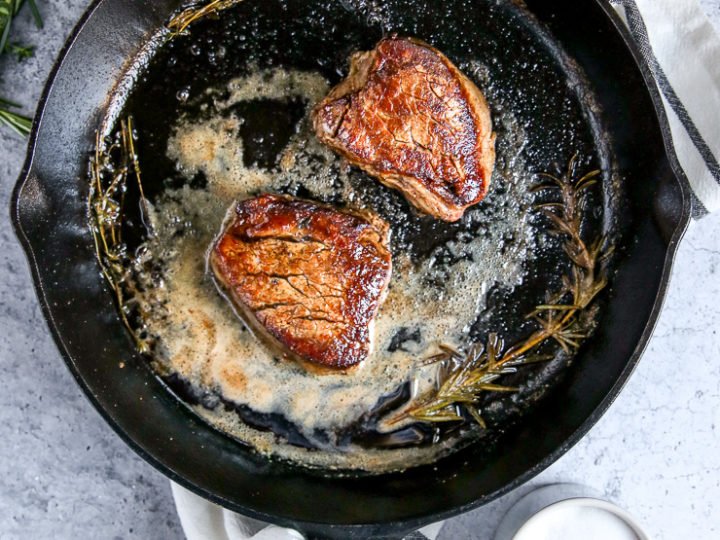
Are you ready to elevate your cooking game with a dish that promises to impress every time? If you’re seeking the perfect way to cook filet mignon, your search ends here.
Imagine this: a juicy, melt-in-your-mouth steak with a perfect sear that seals in all the rich flavors. The secret weapon? Your trusty cast iron skillet. Not only does it deliver that irresistible crust, but it also ensures even cooking, making every bite a delightful experience.
In this guide, you’ll discover the best techniques to transform a simple filet mignon into a gourmet masterpiece. By the end of this article, you’ll not only have a foolproof method but also the confidence to dazzle your taste buds and those of your guests. Dive in to uncover the secrets that will make your filet mignon unforgettable!
:max_bytes(150000):strip_icc()/Cook-the-perfect-restaurant-steak-336360_final-d0c928820c5543d384d04f8e711b4196.png)
Credit: www.thespruceeats.com
Choosing The Right Cut
Cooking filet mignon is an art. The right cut can make all the difference. It can elevate your dish from ordinary to extraordinary. Selecting the perfect piece is crucial. It ensures tenderness and flavor.
Understanding what to look for helps achieve a mouthwatering result. The filet is known for its lean texture. Choosing the right cut guarantees a juicy and flavorful meal.
Selecting Quality Meat
Quality meat is the key to a delicious filet mignon. Look for a bright red color. The meat should have a fine grain. Check for a firm texture. Avoid cuts with brown spots or discoloration.
Marbling is important. Small streaks of fat enhance flavor. They help keep the meat tender during cooking. But don’t go overboard. Too much fat can overpower the natural taste.
Understanding Filet Mignon
Filet mignon comes from the tenderloin. It is one of the most tender cuts. This cut is prized for its softness. It has a mild flavor compared to other cuts.
The size of the cut matters. Choose steaks about two inches thick. Thicker cuts retain moisture better. Thin cuts can dry out quickly. Proper thickness ensures even cooking.
Preparing Your Ingredients
Gather fresh ingredients for the best filet mignon experience. Choose quality beef, garlic, and butter for rich flavors. Prepare them carefully to enhance the taste in your cast iron skillet.
Preparing your ingredients is a crucial step in mastering the art of cooking filet mignon in a cast iron skillet. Every great dish starts with the right preparation. A well-prepared filet mignon is your ticket to a flavorful and tender experience that delights the palate.Seasoning Techniques
Seasoning your filet mignon is more than just a sprinkle of salt and pepper. The right touch can elevate your steak to new heights. Start with coarse sea salt and freshly cracked black pepper. These basics are powerful in enhancing the natural flavors of the meat. Consider adding garlic powder or a hint of smoked paprika for an extra layer of taste. Do you prefer a bit of heat? A dash of cayenne pepper could be your secret weapon.Marinades And Rubs
Marinades and rubs can turn a simple filet mignon into a gourmet delight. They infuse the meat with flavors that are both rich and complex. A classic marinade might include olive oil, minced garlic, and a splash of balsamic vinegar. Let your filet mignon soak up this mixture for at least an hour. For rubs, mix together brown sugar, mustard powder, and crushed rosemary. Pat this blend onto your steak for a crust that caramelizes beautifully in the skillet. Have you tried experimenting with flavors like coffee grounds or cocoa powder in your rubs? It might sound unconventional, but these can add a surprising depth to your steak. Craft your seasoning and marinating approach with intention, and watch how it transforms your cooking. Remember, the secret to a perfect filet mignon lies in the details you choose while preparing your ingredients.Prepping The Cast Iron Skillet
Cooking filet mignon in a cast iron skillet creates a perfect sear. The skillet’s heat retention gives the steak a rich crust. Prepping the skillet correctly is crucial for the best results. Proper maintenance and preheating enhance flavor and texture.
Skillet Maintenance
A well-maintained skillet ensures even cooking. Start by cleaning the skillet with hot water. Avoid using soap, as it can strip the seasoning. If food sticks, gently scrub with salt and a sponge. After cleaning, dry the skillet completely. Moisture can cause rust. Rub a thin layer of vegetable oil on the surface. This maintains the skillet’s seasoning and prevents sticking. Store the skillet in a dry place to avoid moisture.
Preheating Tips
Preheating the skillet is essential for a great sear. Place the skillet on medium-high heat. Allow it to heat for about five minutes. Test the heat by sprinkling a few water drops. If they sizzle and evaporate quickly, the skillet is ready. A hot skillet ensures the filet mignon cooks evenly. It helps seal juices inside, keeping the steak tender. Avoid overcrowding the skillet to maintain heat. Cook the steak in batches if needed for best results.
Cooking Process
Cooking filet mignon in a cast iron skillet is a rewarding experience. The process offers a delightful dance of flavors and textures. It’s about transforming a high-quality cut into a culinary masterpiece with simple techniques.
Achieving The Perfect Sear
The secret to a perfect sear lies in the skillet’s heat. Preheat your cast iron skillet until it’s incredibly hot. You should hear a sizzle as soon as the steak touches the pan.
Use oil with a high smoke point like avocado or canola. This prevents the oil from burning and ruining the flavor. Coat the skillet lightly before placing the filet mignon.
Pressing down on the steak with a spatula ensures even contact. This helps form a crust that locks in juices. Have you ever noticed how a good sear can elevate a steak’s taste and presentation?
Monitoring Temperature
The difference between a good steak and a great one is often in the temperature. Use a meat thermometer for precision. Aim for 130°F for medium-rare, the most popular doneness for filet mignon.
Resting the steak for a few minutes after cooking is crucial. This allows the juices to redistribute, enhancing flavor and tenderness. It might be tempting to dive in right away, but patience pays off.
What’s your go-to method for ensuring your steak is cooked perfectly? Some rely on touch, but temperature is a foolproof guide. Consider experimenting to find what suits your style.
By focusing on these aspects, your filet mignon will be a hit every time. Cooking is about enjoyment, and a cast iron skillet can be your best ally in achieving a steakhouse-quality meal at home.
Resting And Serving
Cooking filet mignon in a cast iron skillet brings out rich flavors and perfect texture. Resting the meat after cooking ensures juiciness, while serving it hot enhances its savory appeal. Simple steps create an unforgettable dining experience.
Cooking filet mignon in a cast iron skillet is a culinary delight, but the magic truly happens in the final steps: resting and serving. Imagine the anticipation as you prepare to serve a perfectly cooked steak. The way you handle these last moments can elevate your dish from good to unforgettable.Allowing The Meat To Rest
After cooking your filet mignon, resist the urge to cut into it immediately. Allowing the meat to rest is crucial. This process helps redistribute the juices, ensuring every bite is flavorful and tender. Place the steak on a warm plate, covering it loosely with foil. This simple step can make a huge difference. How long should you wait? Aim for about 5 to 10 minutes. It might feel like eternity, but the reward is a juicier, more succulent steak. Ever tried cutting into a steak without resting? You might notice juices escaping, leaving the meat dry. Resting prevents this culinary mishap. It’s a small pause with big returns.Serving Suggestions
How you serve your filet mignon can enhance your dining experience. Consider pairing it with a simple side, like garlic mashed potatoes or roasted vegetables. The rich flavors of the steak blend beautifully with these accompaniments. Looking for a touch of elegance? Add a dollop of herbed butter on top of the steak just before serving. The butter melts, adding a luxurious finish. Are you a fan of sauces? A red wine reduction or peppercorn sauce can complement the steak’s flavors perfectly. These additions can transform your meal into a gourmet experience. Think about the presentation too. Serve your steak on a warm plate, garnished with a sprig of fresh thyme or rosemary. It’s a feast for the eyes as well as the palate. Have you considered the perfect drink pairing? A robust red wine often pairs well with filet mignon, enhancing the dining experience. What will you choose to serve alongside your perfectly rested filet mignon?Troubleshooting Common Issues
Cooking filet mignon in a cast iron skillet often leads to common issues like uneven cooking or sticking. Preheat the skillet properly and ensure the meat is dry to avoid these problems. A hot skillet and a light oil coating help achieve the perfect sear.
Troubleshooting common issues with cooking filet mignon in a cast iron skillet can help you achieve the perfect steak every time. Many home cooks face challenges like overcooking or uneven cooking. Understanding these problems and knowing how to fix them is key.Avoiding Overcooking
Overcooking filet mignon can ruin its tender texture. To avoid this, use a meat thermometer. Aim for an internal temperature of 125°F for rare and 135°F for medium-rare. Preheat the skillet to a high temperature. This ensures a nice sear without overcooking. Always rest the meat for five minutes after cooking. This helps retain juices and reach the desired doneness.Managing Uneven Cooking
Uneven cooking can result in a disappointing meal. To manage this, start by letting the steak reach room temperature. Cold meat cooks unevenly. Use a thick piece of filet mignon for better control. Press the steak gently with a spatula to ensure contact with the skillet. Turn the steak frequently. This promotes even cooking on both sides. Adjust the heat if the skillet becomes too hot or cools down.Enhancing Flavor
Cooking filet mignon in a cast iron skillet can enhance its flavor. The skillet’s even heat distribution creates a perfect sear. But how do you make the flavor stand out? By using herbs, spices, and sauces, you can elevate the taste.
Using Herbs And Spices
Herbs and spices can transform your filet mignon. Fresh rosemary and thyme add earthy notes. Sprinkle salt and pepper for a classic taste. For a bolder flavor, try paprika or garlic powder. The key is to balance the spices. Let the meat’s natural taste shine through.
Pairing With Sauces
Sauces can complement your filet mignon beautifully. A simple red wine sauce adds depth. For a creamy touch, consider a mushroom sauce. Chimichurri sauce provides a fresh, tangy option. Each sauce can enhance the steak’s flavor profile. Choose one that matches your taste preference.
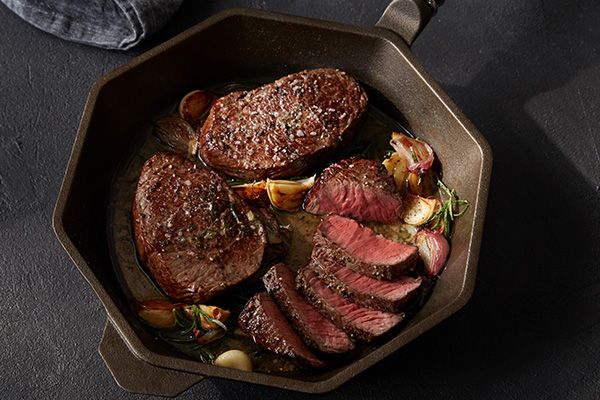
Credit: www.kansascitysteaks.com
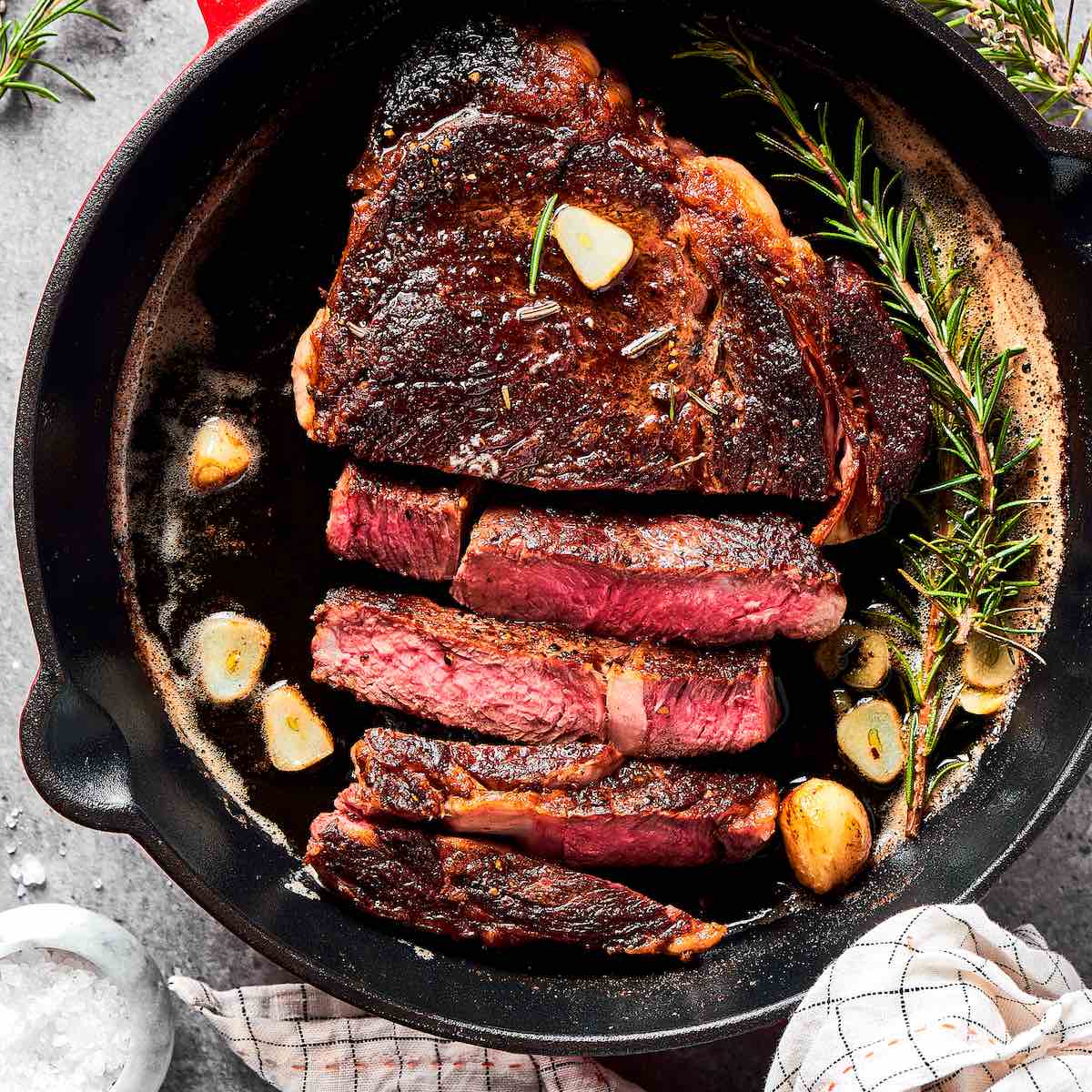
Credit: thebigmansworld.com
Frequently Asked Questions
How Long Should Filet Mignon Be On Cast Iron?
Sear filet mignon on a cast iron skillet for 3-4 minutes per side for medium-rare. Preheat the skillet over medium-high heat for best results. Use a meat thermometer to ensure an internal temperature of 135°F (57°C) for perfect doneness. Let it rest for a few minutes before serving.
How To Cook Filet Mignon Cast Iron Skillet Gordon Ramsay?
Season the filet mignon with salt and pepper. Heat a cast iron skillet over high heat. Add oil and sear the steak for 2-3 minutes per side. Reduce heat, add butter, garlic, and herbs, and baste. Cook until desired doneness.
Let it rest before serving.
What’s The Best Way To Cook Filet Mignon In A Frying Pan?
Cook filet mignon in a hot, oiled pan. Sear each side for 3-4 minutes. Lower heat and cook until desired doneness. Rest for 5 minutes before serving. Use salt and pepper for seasoning.
Do You Use Butter Or Oil When Cooking A Steak In A Cast Iron Skillet?
Use butter for flavor and oil for higher smoke point in a cast iron skillet. Combine both for optimal results. Heat the skillet first, then add oil. Add butter just before cooking for a rich taste. Choose high smoke point oils like canola or avocado for best results.
Conclusion
Cooking filet mignon in a cast iron skillet brings out rich flavors. This method ensures a juicy, tender steak every time. A hot skillet sears the meat perfectly. Let it rest before serving for best taste. Pair with your favorite sides for a complete meal.
Practice makes perfect, so keep trying. Enjoy the process and the delicious results. Invite friends and family to share this tasty dish. Cooking is an art, and every steak is a masterpiece. Happy cooking and savor every bite!
