

Craving the perfect ribeye steak with a mouthwatering sear and juicy center? You’re in the right place.
Cooking a ribeye steak in a cast iron skillet is not just a method; it’s an art form that brings out the best flavors in your meat. Imagine the sizzle as the steak hits the hot surface, the aroma filling your kitchen, and the anticipation of that first bite.
Sounds tempting, doesn’t it? In this guide, we’ll reveal the secrets to achieving steakhouse-quality results right in your own home. You’ll learn the step-by-step process, from selecting the right cut to mastering the perfect sear.
Whether you’re a seasoned cook or a beginner, these tips will transform your cooking game. Ready to unlock the full potential of your ribeye steak? Let’s dive in!
Choosing The Right Ribeye
Choosing the right ribeye is crucial for a delicious steak. The quality of the meat greatly influences the taste. Understanding the characteristics of a good ribeye will enhance your cooking experience.
Selecting Quality Meat
Quality meat is the foundation of a perfect ribeye. Look for fresh cuts. Ensure the meat has a bright red color. Avoid brown spots. The meat should be firm to touch. A slight sheen indicates freshness. Check the packaging for any tears. This ensures the meat is uncontaminated.
Understanding Marbling
Marbling refers to fat streaks within the meat. It plays a key role in flavor. More marbling means a juicier steak. Choose ribeye with abundant marbling. It melts during cooking. This enhances taste and tenderness. Marbling also adds a buttery texture. Such steaks deliver a rich flavor profile.
Preparing The Steak
Cooking ribeye steak in a cast iron skillet creates a juicy, flavorful dish. Start by heating the skillet until it’s hot. Sear the steak on each side for a crispy crust and tender middle.
Cooking a ribeye steak in a cast iron skillet is a delicious adventure that elevates your culinary skills. But before you heat that pan, you need to prepare your steak. This crucial step ensures the steak cooks evenly and tastes amazing. Let’s dive into how you can make your ribeye steak perfect.
Trimming And Seasoning
First, inspect your steak. Look for excess fat that might not render during cooking. Carefully trim these areas, but leave enough fat for flavor. Next comes seasoning. A good ribeye doesn’t need much. Sprinkle salt and pepper generously on both sides. This simple seasoning creates a crispy crust and enhances the steak’s natural flavors. If you want to add a personal touch, consider garlic powder or fresh herbs. These can add a unique twist to your steak’s flavor profile.
Resting Before Cooking
Once seasoned, allow your steak to rest at room temperature for about 30 minutes. Why is this important? It helps the steak cook evenly. Resting lets the seasoning absorb, enhancing flavor. It’s a step often overlooked, but vital for a juicy result. While your steak rests, ask yourself: what side dishes will complement this meal?
Planning ahead ensures a complete dining experience. Preparing a steak may seem simple, but each step plays a crucial role. Do you have any other tips for preparing a ribeye steak? Share your thoughts!
Heating The Cast Iron Skillet
Heating the cast iron skillet evenly ensures a perfect ribeye steak. Achieve a crispy crust by preheating the skillet on medium-high heat. Sear the steak to lock in its juicy flavors.
Heating a cast iron skillet is crucial for cooking ribeye steak. The skillet needs even heat for a perfect sear. This process gives the steak its delightful crust. It is essential to ensure the skillet reaches the right temperature. This will help in locking the juices inside the steak, making each bite tender and flavorful.
Proper Temperature Settings
The skillet should be hot but not smoking. Aim for medium-high heat. This provides the right balance. It ensures the steak cooks evenly. Too much heat can burn the outside. It leaves the inside raw. Use a thermometer to check the temperature. The skillet should be around 400°F. This temperature is optimal. It creates a beautiful crust on your ribeye.
Using Oil For Searing
Choose an oil with a high smoke point. Canola or grapeseed oil works well. Pour a small amount into the skillet. Let the oil heat up. This prevents the steak from sticking. The oil creates a barrier. It helps in achieving a golden-brown sear. Ensure the oil is shimmering before adding the steak. This indicates readiness for searing.
Cooking Techniques
Cooking ribeye steak in a cast iron skillet is a beloved technique that transforms your kitchen into a steakhouse. The robust flavors and textures achieved through this method are unparalleled. Let’s explore the essential cooking techniques that will take your steak game to the next level.
Searing The Steak
Searing is the first crucial step in cooking ribeye in a cast iron skillet. Heat your skillet until it’s blazing hot. You want it to sizzle immediately when you add the steak.
Before placing the steak in the skillet, ensure it’s dry. Pat it with paper towels to remove moisture. This helps achieve a deep, flavorful sear.
Season generously with salt and pepper. Then, add a small amount of oil to the skillet. Choose an oil with a high smoke point, like canola or vegetable oil.
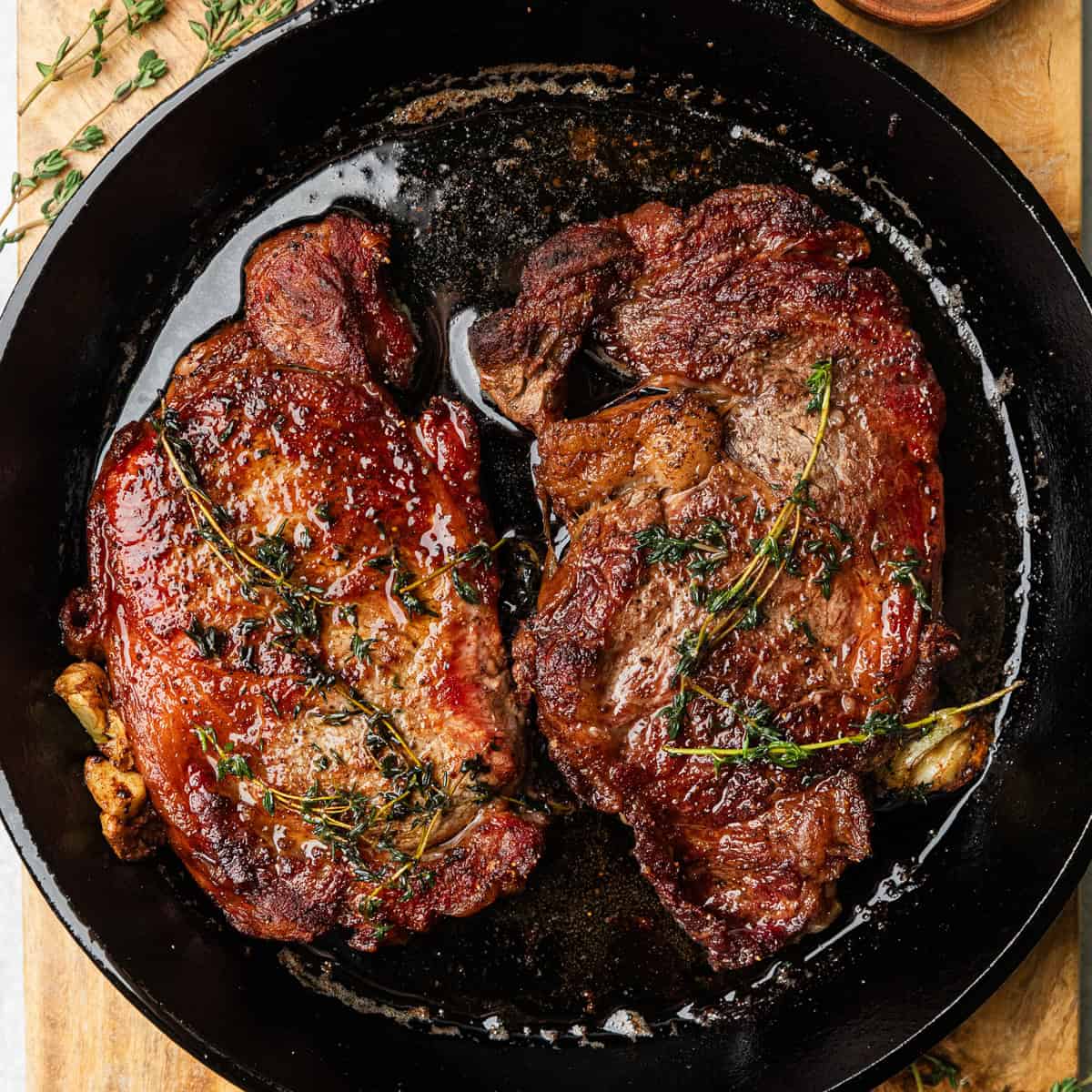
Place the steak in the skillet without crowding it. Let it sizzle without moving for a few minutes. This will develop a beautiful brown crust.
Achieving Perfect Crust
The perfect crust is what makes ribeye steak irresistible. It’s all about patience and timing.
After searing one side, flip the steak. Use tongs for this step, and avoid piercing the meat to keep the juices intact.
Once both sides are seared, you might be tempted to poke or prod the steak. Resist the urge! Let the steak cook undisturbed.
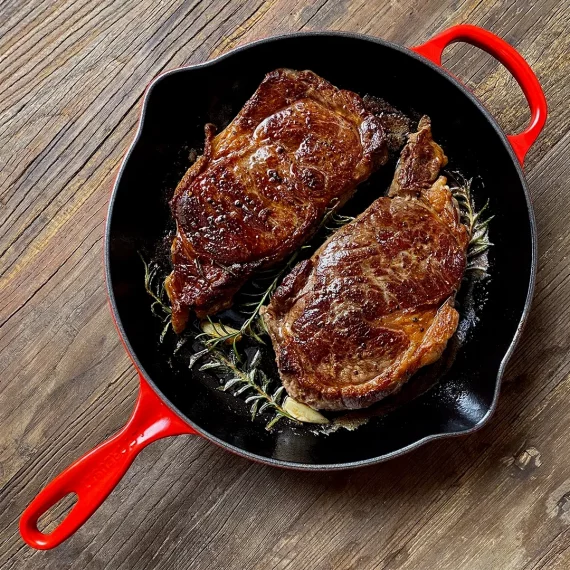
Consider using the spoon-basting technique. Add a knob of butter, garlic, and herbs like thyme or rosemary to the skillet. Tilt the skillet slightly and use a spoon to baste the steak with the melted butter.
This method not only adds flavor but also enhances the crust. Are you ready to indulge in a steakhouse-quality meal at home?
Remember, the key to a perfect ribeye lies in the details. Take your time, savor the process, and enjoy every bite!
Monitoring Doneness
Ensure your ribeye steak achieves perfect doneness with careful monitoring. Use a cast iron skillet for even heat distribution. Aim for medium-rare by checking with a meat thermometer.
Cooking the perfect ribeye steak in a cast iron skillet requires attention to detail, especially when monitoring doneness. You want that steak to be juicy, flavorful, and cooked just right. Understanding how to accurately gauge when your steak is ready is crucial. It’s not just about getting the right temperature; it’s about achieving the ideal texture and taste.
Using A Meat Thermometer
A meat thermometer is your best friend in the kitchen. It takes the guesswork out of cooking steak. Insert the thermometer into the thickest part of the steak. Avoid touching the bone to get an accurate reading. Aim for an internal temperature of 130°F for medium-rare and 140°F for medium. These temperatures ensure the steak is cooked to perfection while retaining its natural juices. Have you ever cut into a steak, hoping for a pink center only to find it overdone? A thermometer helps you avoid this disappointment.
Understanding Cooking Times
Cooking times vary based on steak thickness and heat level. A typical ribeye may take 3-4 minutes per side for medium-rare. If your steak is thicker, it might need a bit longer. Keep an eye on your timer and adjust based on what you see in the skillet. Do you notice a beautiful crust forming? That’s a good sign, but don’t rely solely on appearance.
Pair visual cues with timing to guide your decision. Experience teaches you the rhythm of cooking steak, but a keen eye is your ally in achieving culinary success. Remember, every steak is unique. Have you considered how the marbling affects cooking time? More fat means quicker cooking, so adjust accordingly. Cooking steak is an art, and you are the artist painting with heat and flavor.
Resting And Serving
Cooking ribeye steak in a cast iron skillet ensures a juicy, flavorful result. Sear the steak to perfection, then let it rest for optimal tenderness. This method balances rich taste and texture, making it a favorite for steak lovers.
Cooking a ribeye steak in a cast iron skillet is a culinary delight that transforms a simple meal into a masterpiece. However, the process doesn’t end once the steak is cooked. Resting and serving your steak properly can make all the difference in flavor and texture. These steps ensure that your efforts result in a dish that’s both delicious and visually appealing.
Allowing The Steak To Rest
After you’ve seared your ribeye to perfection, it’s crucial to let it rest. This step allows the juices to redistribute throughout the meat, keeping it moist and tender. Set your steak aside on a cutting board and cover it loosely with foil for about 5-10 minutes. During this time, resist the urge to cut into it. Cutting too soon can cause the juices to run out, leaving you with a dry steak. Patience here pays off with every juicy bite you take later.
Plating And Garnishing
Now that your steak has rested, it’s time to plate and garnish. Place your ribeye on a warm plate to maintain its temperature. This simple step makes a big difference in the overall dining experience. Consider adding a pat of herb butter on top. The butter will melt slowly, enhancing the steak’s flavor. You might also sprinkle a pinch of flaky sea salt or freshly cracked black pepper for added taste.
For a touch of color, garnish with fresh herbs like rosemary or thyme. These not only add aesthetic appeal but also complement the steak’s rich flavors. How do you usually serve your ribeye? Do you have a favorite garnish that elevates your dish? Share your tips and make every steak night a memorable occasion!
Pairing With Sides And Sauces
Cooking a ribeye steak in a cast iron skillet brings out rich flavors. Pairing it with the right sides and sauces enhances the dining experience. Choose the right accompaniments to complement the steak’s bold taste. This ensures a balanced and flavorful meal.
Choosing Complementary Sides
Mashed potatoes make a classic side for ribeye steak. Their creamy texture balances the steak’s richness. Grilled asparagus adds a touch of green and a hint of smokiness. Another great option is a fresh garden salad. It provides a refreshing contrast to the meaty flavor.
For a heartier option, consider roasted vegetables. They add depth and warmth to your meal. Think carrots, sweet potatoes, or Brussels sprouts. These sides pair well with the steak’s robust taste.
Creating Flavorful Sauces
Herb butter is a simple yet tasty sauce for ribeye steak. Melt butter with garlic and fresh herbs. This adds a rich, aromatic layer to the meat. A red wine reduction sauce can also elevate the steak’s flavor. Simmer red wine with shallots and a bit of beef stock.
For a spicy kick, try a chimichurri sauce. Mix parsley, garlic, vinegar, and chili flakes. This vibrant sauce complements the steak’s savory notes. Another option is a creamy peppercorn sauce. It blends cream, peppercorns, and a hint of brandy for a rich finish.
Credit: thesaltedpotato.com
Troubleshooting Common Issues
Cooking ribeye steak in a cast iron skillet can be challenging. Even seasoned cooks face issues. The two most common problems are overcooking and dealing with smoke and splatter. Let’s dive into how to tackle these problems.
Avoiding Overcooking
Overcooking ruins the steak’s flavor and texture. To avoid this, use a meat thermometer. Aim for a temperature of 130°F for medium-rare. Rest the steak for five minutes after cooking. This allows juices to redistribute.
Another tip is to sear the steak well. Sear each side for three minutes. Then, finish cooking in the oven. This method keeps the steak juicy inside.
Managing Smoke And Splatter
Smoke and splatter are common in high-heat cooking. Open windows or use a fan to reduce smoke. Cast iron skillets get very hot. Make sure your hood vent works well. Use a splatter guard to minimize mess.
Choose the right oil. Use oils with high smoke points like canola or grapeseed. This helps reduce smoke. Pat the steak dry before cooking. Dry steaks splatter less.
Credit: www.thetravelpalate.com
Frequently Asked Questions
What Is The Best Way To Cook A Ribeye In A Cast Iron Skillet?
Season ribeye with salt and pepper. Heat cast iron skillet until hot. Add oil, then sear ribeye for 3-4 minutes per side. Let it rest for 5 minutes before serving. Enjoy a juicy, flavorful steak.
How To Cook Ribeye Steak In Cast Iron Skillet Gordon Ramsay?
Season the cook ribeye steak with salt and pepper. Heat a cast iron skillet until hot. Add oil and sear steak for 3 minutes per side. Add butter, garlic, and herbs. Baste steak with melted butter. Cook to desired doneness. Rest steak for 5 minutes before serving.
Enjoy Gordon Ramsay style.
Do You Use Butter Or Oil When Cooking A Steak In A Cast Iron Skillet?
Use butter for rich flavor and golden crust. Add oil to prevent burning. Combine both for best results. Heat skillet first. Ensure steak is dry for perfect sear. Butter adds depth, while oil withstands high heat. Balance them for ideal taste and texture.
What Oil Is Best For Cast Iron Ribeye?
Use avocado oil for cast iron ribeye. It has a high smoke point, enhancing flavor without burning. Olive oil is another option, but ensure it’s pure for better performance. Both oils create a perfect sear and delicious taste, making them ideal choices for cooking ribeye on cast iron.
Conclusion
Cooking ribeye steak in a cast iron skillet brings rich flavor. It’s simple and effective. The steak gets a perfect sear, locking in juices. The process is straightforward, even for beginners. With practice, you’ll make delicious ribeye every time. Remember to let the meat rest before serving.
This keeps it tender and juicy. Cooking with a cast iron skillet is a rewarding experience. Enjoy your perfectly cooked ribeye steak. Share this method with friends and family. They will love the taste and simplicity. Happy cooking!
Hi, I’m Daniel Harper, a senior editor here at KitchenBucks.com. For over 10 years, I’ve been exploring kitchen gadgets and appliances to help people find tools that truly add value without breaking the bank. I love simplifying product choices so you can focus more on cooking and less on worrying about what to buy. When I’m not reviewing the latest gadgets, you’ll usually find me experimenting with coffee brewing or firing up the grill for a weekend barbecue.