
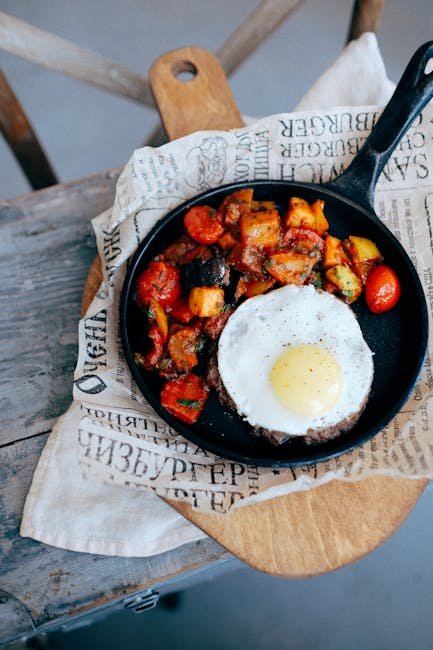
Imagine the sizzle of a perfectly seared steak in your kitchen. The aroma fills the room, igniting your senses and making your taste buds dance in anticipation.
If you’re wondering how to achieve that restaurant-quality steak at home, you’re in the right place. Cooking steak in a cast iron skillet is not just a method; it’s an art. With the right technique, you can transform a simple cut of meat into a culinary masterpiece that bursts with flavor and juiciness.
In this guide, you’ll uncover the secrets to mastering this time-honored cooking method. Whether you’re a seasoned chef or a novice in the kitchen, you’ll find tips tailored to elevate your steak game. Get ready to discover how a cast iron skillet can become your best ally in creating the perfect steak, every single time. Stay with us to unlock the full potential of your culinary skills and treat yourself to a steak that rivals your favorite steakhouse.
Credit: thebigmansworld.com
Choosing The Right Steak
Cooking a steak in a cast iron skillet offers a rich flavor. The secret lies in choosing the right steak. A good steak ensures tenderness and taste. Learn how to pick the perfect piece for your meal.
Selecting The Cut
Different cuts offer unique flavors and textures. Ribeye is rich and tender with marbling. Sirloin is leaner but still flavorful. Choose based on your preference for fat and tenderness. Each cut brings a different experience to the table. T-Bone offers two textures in one steak. Filet mignon is soft and buttery, ideal for special occasions.
Thickness And Weight
Thickness affects cooking time and texture. Aim for at least one inch thick. Thicker steaks stay juicy and tender. Weight also matters for even cooking. An ideal weight is around 8 to 12 ounces. This size cooks well in a cast iron skillet. A balanced thickness and weight ensure a perfect sear. Always use a meat thermometer for best results.
Credit: www.tasteofhome.com
Preparing The Steak
Cooking a steak in a cast iron skillet is an art. Proper preparation ensures a delicious, juicy result. Before cooking, focus on two crucial steps. Seasoning the steak and bringing it to room temperature. These steps enhance flavor and texture.
Seasoning Techniques
Seasoning is key to a flavorful steak. Start with salt and pepper. Generously coat both sides of the steak. Let the seasoning sit for 30 minutes. This allows the flavors to penetrate the meat.
Want more flavor? Add garlic powder or onion powder. Use herbs like thyme or rosemary for extra aroma. Be creative, but don’t overpower the steak’s natural taste.
Bringing Steak To Room Temperature
Cold steak cooks unevenly. Remove it from the fridge 30 minutes before cooking. Allow it to reach room temperature. This step ensures even cooking.
Pat the steak dry with paper towels. Moisture on the surface can hinder browning. A dry steak forms a better crust. A perfect crust gives a steak its unique taste and texture.
Essential Tools And Ingredients
A cast iron skillet, salt, pepper, and oil are key to cooking steak. Use a meat thermometer for perfect doneness. Garlic and butter add flavor.
When it comes to cooking a perfect steak, the right tools and ingredients make all the difference. A cast iron skillet is a must-have for achieving that mouthwatering crust and juicy interior. But what else do you need? Let’s dive into the essentials you’ll need to create a steakhouse-quality meal at home.Cast Iron Skillet Benefits
A cast iron skillet is more than just a pan; it’s an investment in flavor. Its ability to hold and evenly distribute heat is unparalleled. This means your steak will cook uniformly, giving you that desirable crust. Have you ever noticed how restaurant steaks have that deliciously crispy exterior? That’s often thanks to cast iron. Plus, these skillets are durable and can last a lifetime with proper care. So, if you don’t own one yet, it might be time to consider adding this powerhouse to your kitchen arsenal.Oil And Butter Options
Choosing the right oil or butter can elevate your steak from good to unforgettable. High smoke point oils like canola or grapeseed are ideal for searing. They allow you to achieve that golden-brown sear without burning. Butter adds richness and depth, but it can smoke at high temperatures. A clever trick is to start with oil and finish with butter. This way, you get the best of both worlds: a well-seared steak with a buttery finish. Have you ever tried adding garlic or herbs to the butter? It’s a simple way to infuse your steak with extra flavor. What will you try next time you cook?Heating The Skillet
Heating the skillet properly ensures a perfect sear on your steak. A cast iron skillet retains heat, cooking steak evenly. Achieve the ideal crust by preheating the skillet on medium-high heat for several minutes.
When it comes to cooking the perfect steak in a cast iron skillet, getting the skillet hot enough is crucial. This step can make or break your steak experience. A properly heated skillet ensures a beautiful sear, locking in flavors and juices. But how do you know when your skillet is ready? Let’s dive into the details.Preheating Time
Start by placing your cast iron skillet on the stove over medium-high heat. It’s important to give it enough time to heat up thoroughly. Typically, this takes around 5 to 10 minutes. Remember the first time you cooked a steak and ended up with a gray, unappetizing mess? Chances are, the skillet wasn’t hot enough. So be patient. Waiting those extra few minutes can make all the difference.Testing Skillet Temperature
Wondering if your skillet is hot enough? A simple test can help. Sprinkle a few drops of water onto the skillet. If they sizzle and evaporate almost instantly, you’re good to go. If you’re feeling adventurous, you can also use the “flick of water” test. Flick a bit of water with your fingers onto the skillet. If the drops dance around before vanishing, your skillet is ready for that steak. Think about the last time you cooked without checking the skillet’s temperature. Did you end up with unevenly cooked meat? Testing the skillet’s heat helps prevent such mishaps. Heating your skillet properly is an essential step that shouldn’t be rushed. Are you ready to transform your steak-cooking skills with just a little patience and these simple tests?Cooking The Steak
Sear a steak in a cast iron skillet for a delicious, crispy crust. Preheat the skillet, then cook each side for a few minutes. Rest the steak before serving for juicy perfection.
Cooking steak in a cast iron skillet delivers a crispy crust and juicy center. The process is straightforward, yet requires attention to detail for perfect results. Achieving a delicious steak involves searing it properly and timing each flip precisely. This ensures the steak cooks evenly and tastes incredible.Searing The Steak
Start by heating your cast iron skillet until it’s very hot. Add a little oil to the pan, just enough to lightly coat the bottom. Gently place the steak in the skillet. The hot surface creates a delightful crust on the steak. Let it sear without moving it. This develops flavor and locks in juices. The initial sear usually takes about 2-3 minutes per side. Your steak should have a rich brown color before you flip it.Flipping And Timing
After searing, flip the steak using tongs. Handle it carefully to maintain its crust. Timing is crucial here. Let the other side sear for another 2-3 minutes. This ensures both sides are evenly cooked. For thicker steaks, lower the heat a bit and continue cooking. Use a meat thermometer to check doneness. Aim for 130°F for medium rare. Rest the steak for a few minutes before serving. This allows juices to redistribute, enhancing flavor and tenderness.Finishing Touches
Perfectly cooked steak requires the right finishing touches in a cast iron skillet. Season the steak generously and sear it until a rich crust forms. Adding garlic and rosemary in the last minute elevates the flavors.
When cooking steak in a cast iron skillet, the magic often lies in the finishing touches. You’ve achieved that perfect sear, but how do you elevate your steak to restaurant-quality? Adding the right aromatics and basting for flavor can make all the difference. These steps infuse the steak with layers of taste that are hard to achieve through searing alone. Engaging in these little extras can transform your cooking experience and the meal itself. Imagine the aroma filling your kitchen, enticing your senses before you even take the first bite.Adding Aromatics
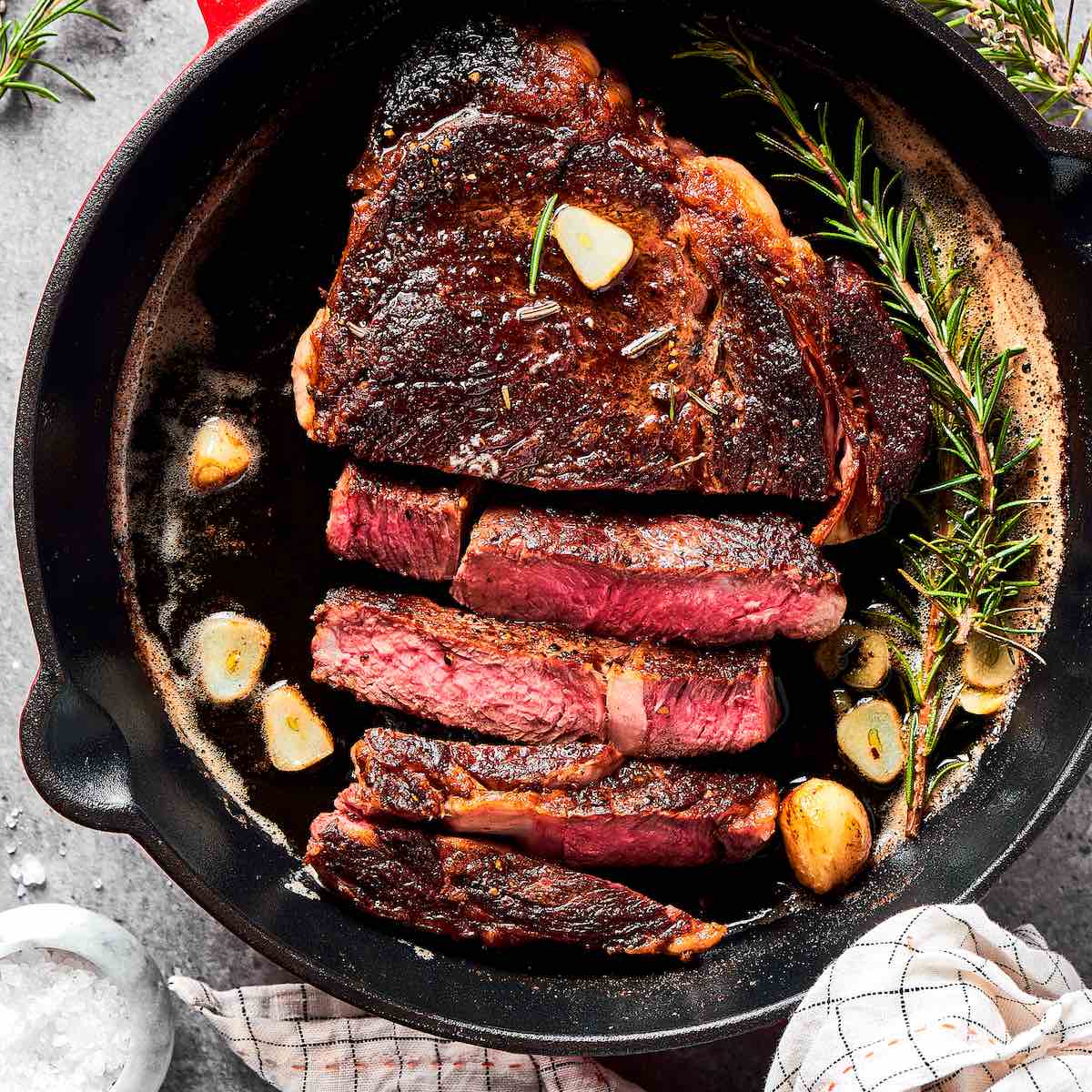
Aromatics like garlic, rosemary, and thyme can elevate your steak from good to exceptional. As your steak finishes cooking, toss in a few cloves of smashed garlic and sprigs of fresh herbs. The heat releases their essential oils, which mix with the steak’s juices. This not only enhances the flavor but also creates a captivating aroma that fills your kitchen. Consider experimenting with other herbs, too. Sage and oregano can offer unique profiles that surprise and delight your taste buds.Basting For Flavor
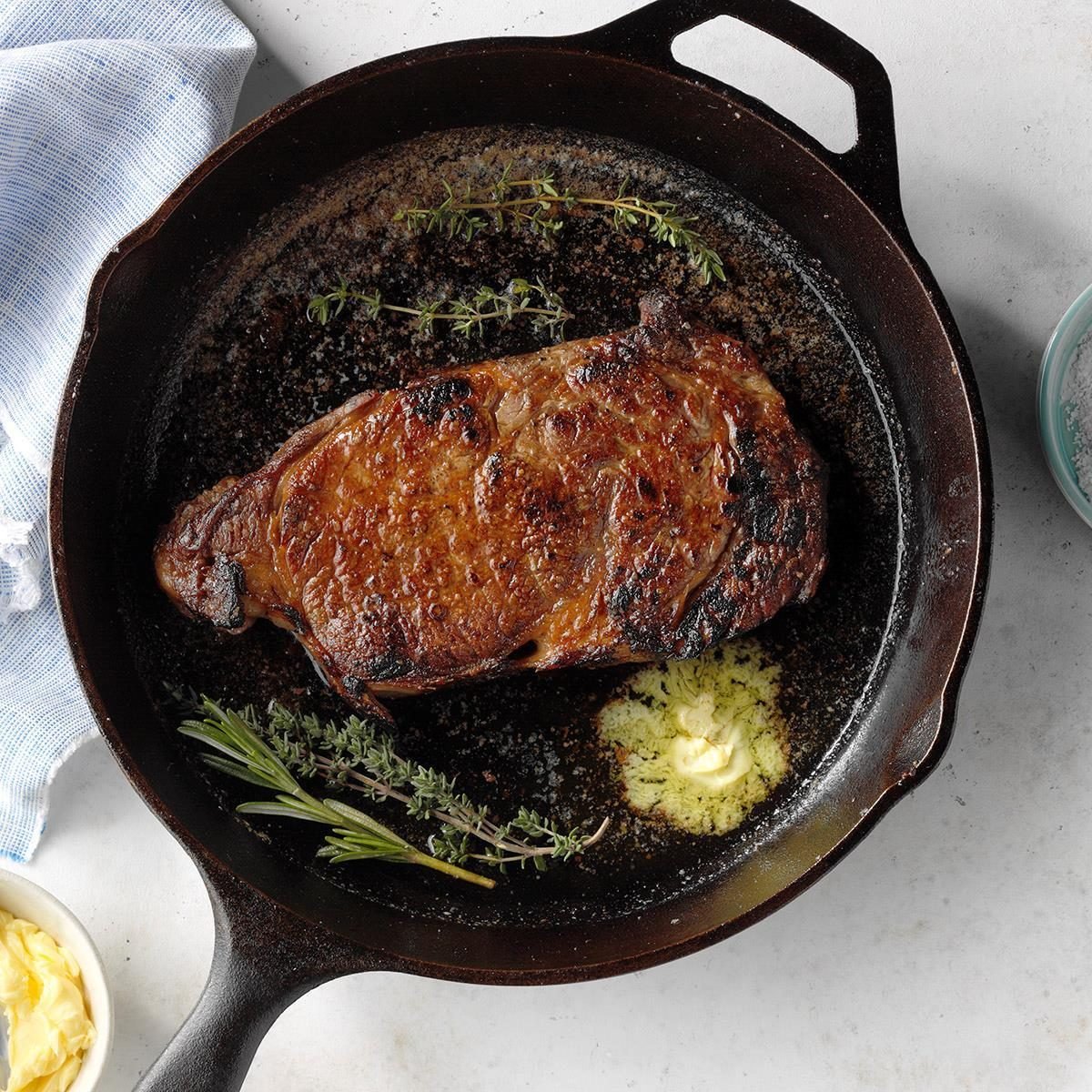
Basting is a game-changer for achieving moist, flavorful steak. Once your steak is nearly cooked, add a pat of butter to the pan. As it melts, tilt the skillet slightly and use a spoon to scoop the melted butter over the steak repeatedly. This enriches the meat with buttery goodness, creating a glossy, delicious finish. Basting also helps distribute the aromatic flavors evenly across the steak. Have you ever noticed how chefs on TV keep spooning sauce or butter over meat? That’s basting, and it works wonders. Try it, and you’ll see the difference it makes. Adding these finishing touches might seem like extra effort, but they’re worth it. They take your steak from a home-cooked meal to a culinary experience. So next time you cook steak, remember these steps and savor the transformation.Resting The Steak
Allowing steak to rest after cooking in a cast iron skillet ensures juicy flavor and tenderness. Resting lets the juices redistribute evenly, enhancing taste.
Resting the Steak is a crucial yet often overlooked step in achieving the perfect steak. After the steak sizzles to perfection in your cast iron skillet, it needs a little pause. This resting period is what transforms a good steak into a great one. It allows the juices to redistribute, ensuring every bite is as succulent as the last. Ever wondered why your steak sometimes feels dry even after cooking it right? It’s likely because it didn’t rest properly.Why Resting Matters
Resting the steak is not just about following a rule; it’s about enhancing flavor and tenderness. When you cook a steak, the heat pushes the juices towards the center. If you cut into it immediately, those juices spill out, leaving you with a dry piece of meat. By allowing the steak to rest, those juices slowly move back towards the edges. Have you ever cut into a perfectly juicy steak at a restaurant and wondered how they do it? The secret often lies in the resting period.Optimal Resting Time
How long should you rest your steak? A good rule of thumb is to let it rest for about 5 to 10 minutes. This time frame works well for most cuts. The thicker the steak, the longer it should rest. It might seem like an eternity when you’re hungry, but patience pays off with a juicier steak. You can use this time to prepare a quick salad or set the table. Imagine the satisfaction of slicing into a perfectly rested steak, with all its flavors locked in, ready to be savored. Resting is not just a step; it’s a game-changer. Next time you cook steak, give it the time to rest. Your taste buds will thank you.:max_bytes(150000):strip_icc()/Cook-the-perfect-restaurant-steak-336360_final-d0c928820c5543d384d04f8e711b4196.png)
Credit: www.thespruceeats.com
Serving Suggestions
Cooking steak in a cast iron skillet brings out rich flavors. Pair it with garlic butter for a savory finish. Serve alongside roasted vegetables or a fresh salad for a balanced meal.
Cooking a steak in a cast iron skillet can be a rewarding experience, but how you serve it can elevate your meal from great to unforgettable. Imagine the satisfaction of slicing through a perfectly cooked steak, revealing its juicy interior, and pairing it with sides that enhance its flavors rather than overshadow them. Let’s dive into serving suggestions that will make your steak the star of the dinner table.Slicing Techniques
Slicing your steak correctly can impact both presentation and taste. Always let your steak rest for a few minutes after cooking to keep the juices intact. When slicing, cut against the grain. This technique keeps the meat tender and easy to chew. Visualize yourself at a dinner party, proudly serving your expertly sliced steak. Your guests marvel at the tender bites, each piece as perfect as the last. Have you ever noticed how cutting meat against the grain makes a difference?Pairing With Sides
Choosing the right sides can transform your meal into a culinary masterpiece. Consider classic options like garlic mashed potatoes or a fresh green salad. These pairings complement the rich flavors of the steak without overpowering it. Imagine a plate where your juicy steak is accompanied by a colorful array of roasted vegetables. The sweetness of carrots and bell peppers contrasts beautifully with the savory steak. What’s your go-to side dish that you can’t resist with steak? Experiment with different sides to find what best suits your taste. A simple mushroom sauce can add an earthy depth, while a chimichurri offers a tangy twist. Your steak is the hero, but these accompaniments play a crucial supporting role. By focusing on how you slice your steak and what you pair it with, you’re ensuring a meal that’s both delicious and memorable. Whether you’re hosting a dinner or simply enjoying a quiet meal at home, these serving suggestions can make all the difference.Frequently Asked Questions
How Do You Cook Steak In A Cast Iron Skillet?
Heat the cast iron skillet until hot. Season steak with salt and pepper. Add oil, then steak. Sear each side for 3-4 minutes. Lower heat; cook to desired doneness. Let steak rest for 5 minutes before serving. Enjoy a perfectly cooked steak.
What Is The 3-3-3 Rule For Steaks?
The 3-3-3 rule for steaks involves searing each side for 3 minutes on high heat. Then, reduce to medium heat and cook each side for another 3 minutes. This technique ensures a perfect medium-rare steak, maintaining tenderness and flavor. Ideal for thick cuts.
How Does Gordon Ramsay Cook Steak In A Cast Iron Skillet?
Gordon Ramsay seasons the steak with salt and pepper. He heats the cast iron skillet with olive oil. Ramsay sears the steak for 2 minutes on each side. He adds butter, garlic, and thyme. Ramsay bastes the steak, cooking to the desired doneness.
He lets it rest before serving.
Do You Put Butter Or Oil In A Cast Iron Skillet For Steak?
Use oil in a cast iron skillet for steak. Choose an oil with a high smoke point, like canola or avocado oil. Butter can be added at the end for flavor. This method prevents the butter from burning and enhances the steak’s taste.
Conclusion
Cooking steak in a cast iron skillet brings out rich flavors. The skillet’s even heat ensures a perfect sear every time. This method is simple yet effective for delicious results. Don’t forget to let the steak rest before serving. This locks in the juices, making it more tender.
Experiment with seasonings to suit your taste. Cooking steak at home can be a delightful experience. Enjoy the process and savor your creation. A cast iron skillet offers a reliable way to cook steak well. Try it next time for a satisfying meal.
